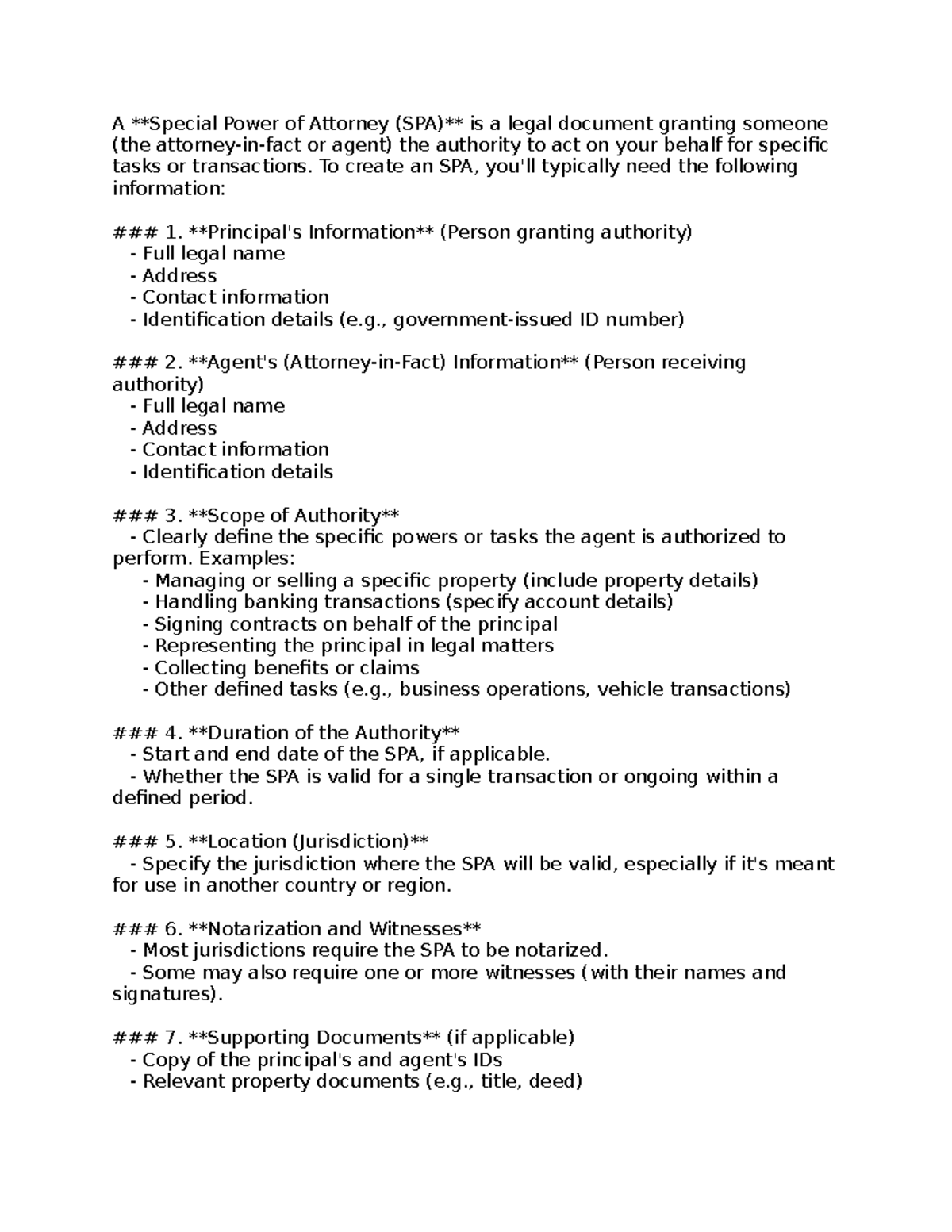
To manage an Aetna life insurance policy via Power of Attorney, you must submit a valid, notarized legal document that explicitly grants authority over insurance or financial transactions. Aetna requires the document to be "Durable" if the policyholder is incapacitated. Submissions are typically processed through the Aetna/CVS Health member portal or via their designated document management center.
Navigating the administrative landscape of life insurance requires precision, especially when a third party—the agent or attorney-in-fact—must step in to manage a policy. As of 2026, Aetna (a subsidiary of CVS Health) maintains rigorous standards for Power of Attorney (POA) documentation to protect policyholders from fraud and ensure that all beneficiary changes, premium payments, and policy loans are legally authorized.
Understanding these requirements is essential for family members, legal guardians, and financial advisors who need to act on behalf of an Aetna policyholder. This guide outlines the specific criteria, the submission process, and the potential challenges involved in establishing POA authority with Aetna.
The Role of Power of Attorney in Life Insurance
A Power of Attorney is a legal instrument that allows one person (the principal) to designate another person (the agent) to act on their behalf. In the context of Aetna life insurance, the agent may need to perform tasks such as updating contact information, changing the dividend option, or even surrendering the policy for its cash value.
However, life insurance companies are notoriously cautious. Because a life insurance policy is a significant financial asset, Aetna will not simply accept a generic statement of authority. The document must meet specific legal and corporate criteria to be recognized by their legal department.
Types of Power of Attorney Recognized by Aetna
Not all POA documents are created equal. Depending on the health and needs of the policyholder, different versions of the document may be required:
- Durable Power of Attorney: This is the most common requirement for long-term policy management. A "Durable" POA remains in effect even if the principal becomes mentally incapacitated. If the policyholder has dementia or is in a coma, Aetna will generally only recognize a Durable POA.
- General Power of Attorney: This gives the agent broad powers over the principal’s financial affairs but typically terminates if the principal becomes incapacitated. For 2026 Aetna policies, this is only useful if the policyholder is still of sound mind but prefers someone else to handle the paperwork.
- Limited or Special Power of Attorney: This document restricts the agent’s authority to specific tasks. For example, a principal might grant an agent the power only to manage their Aetna life insurance policy and nothing else.
- Springing Power of Attorney: This "springs" into action only under specific conditions, such as a doctor’s certification of the principal's incapacity. Aetna will require proof that the triggering event has occurred before allowing the agent to act.
Core Documentation Requirements for Aetna
When submitting a POA to Aetna, the document must adhere to both state laws and Aetna's internal compliance standards. As of 2026, the following elements are non-negotiable for a successful application.
1. Specificity of Language
Aetna’s legal team looks for specific language regarding "insurance transactions." While many general POAs include a catch-all phrase like "all financial matters," some jurisdictions and company policies require the document to explicitly mention "insurance," "claims," or "annuities." If the agent intends to change a beneficiary—a high-risk action—the POA must specifically grant the power to create or change beneficiary designations.
2. Notarization and Witnessing
To prevent forgery, Aetna requires the POA to be notarized. The notary’s seal must be clear, and the commission must be active at the time of signing. In states that require witnesses in addition to a notary (such as Florida or South Carolina), Aetna will verify that the document meets those specific state statutes.
3. Validity and Recency
While a POA does not technically "expire" as long as the principal is alive and the document is durable, Aetna may request an "Affidavit of Full Force and Effect." This is a sworn statement by the agent, signed in 2026, confirming that the principal is still alive and that the POA has not been revoked. If the POA was drafted many years ago, Aetna’s compliance team may subject it to additional scrutiny.
4. Identification
The agent must provide valid government-issued photo identification (such as a driver's license or passport) alongside the POA document. This ensures that the person attempting to access the Aetna policy is indeed the person named in the legal filing.
Aetna’s Internal Forms: The Appointment of Representative
In many cases, Aetna may ask the agent to complete their proprietary "Appointment of Representative" (AOR) form in addition to the legal POA. While the POA provides the legal authority, the AOR form acts as an administrative bridge, allowing Aetna’s customer service teams to quickly identify the authorized individual without reviewing a 20-page legal document for every phone call.
The AOR form typically requires:
- The Policy Number.
- The Principal’s Social Security Number or Member ID.
- The Agent’s full legal name and contact information.
- A signature from either the principal (if capable) or the agent (referencing the attached POA).
Steps to Submit POA Requirements to Aetna
The process for 2026 has been streamlined through the Aetna/CVS Health digital ecosystem, though traditional methods remain available for those who prefer them.
Step 1: Document Review
Before sending anything to Aetna, review the POA with a legal professional. Ensure it includes the "Durable" clause and specifically mentions insurance powers. If you are acting for a policyholder who is already incapacitated, ensure you have any necessary medical certifications required by a "Springing" POA.
Step 2: Digital Upload (Preferred)
Log in to the Aetna Member Portal. Navigate to the "Profile" or "Documents" section. Look for "Submit Legal Documents" or "Manage Authorized Representatives." Upload a high-resolution PDF scan of the entire POA document, including the notary page.
Step 3: Physical Submission (Alternative)
If you cannot use the portal, you can mail the documents to Aetna’s life insurance division. It is highly recommended to use certified mail with a return receipt.
- Mailing Address: Aetna Life Insurance Company, Attn: Legal Document Processing, P.O. Box 14399, Lexington, KY 40512.
- Fax: Secure fax lines are often available for urgent updates; consult an Aetna representative for the current 2026 fax number specific to your policy type (Group vs. Individual).
Step 4: Verification Period
Aetna typically takes 5 to 10 business days to review legal documents. During this time, their legal department verifies the notary and ensures the powers granted align with the requested actions.
| Feature | Requirement Detail |
|---|---|
| Notarization | Required for all POA submissions. Must be legible and current. |
| Durable Clause | Required if the policyholder is mentally or physically incapacitated. |
| Specific Powers | Must mention "insurance" or "financial transactions" to manage the policy. |
| Beneficiary Changes | Requires explicit language in the POA granting power to change beneficiaries. |
| Identity Proof | Agent must provide a copy of a valid government-issued ID. |
| Review Time | 5-10 business days on average for legal department clearance. |
Why Aetna Might Reject a Power of Attorney
Rejection can be frustrating, especially during a family crisis. The most common reasons Aetna denies POA authority include:
- Lack of "Durable" Status: If the principal has lost capacity and the document is a "General" POA without the durability clause, it is legally void.
- Ambiguous Authority: The document is too vague and does not clearly allow for the management of insurance products.
- Missing Pages: Submitting only the signature and notary pages rather than the full document.
- Conflicts with Beneficiary Rules: Some states have strict laws preventing agents from naming themselves as beneficiaries unless the POA explicitly allows for "self-gifting."
- Principal’s Death: A Power of Attorney expires immediately upon the death of the principal. At that point, the Executor or Administrator of the estate takes over, or the named beneficiaries file claims directly.
Management of Group Life Insurance vs. Individual Policies
Aetna provides both individual life insurance and group life insurance (often through employers). The requirements for POA can vary slightly between these two.
For Group Life Insurance, the employer's HR department may act as an intermediary. In some cases, you may need to submit the POA to the employer's benefits administrator first, who then coordinates with Aetna. For Individual Policies, you deal directly with Aetna’s life insurance service center.
In 2026, many group policies are managed via the "Aetna Navigator" platform, which allows for simplified representative appointment. However, for significant changes like a policy surrender, the full legal POA will always be required.
FAQs About Aetna Life Insurance POA
Can I change the beneficiary on an Aetna policy using a POA?
Yes, but only if the POA document explicitly grants the power to "change or designate beneficiaries." Most generic POAs do not include this power by default because it is a high-risk transaction that could lead to elder abuse or fraud. Aetna will carefully scrutinize any beneficiary change made by an agent.
Does Aetna accept electronic signatures on POA documents?
Aetna accepts electronic signatures (like DocuSign) for their internal forms, such as the Appointment of Representative. However, the underlying legal POA document usually requires a "wet" signature and a physical notary seal, depending on the laws of the state where it was executed. In 2026, more states have adopted remote online notarization (RON), which Aetna generally accepts if the RON certificate is attached.
What happens if the policyholder is already incapacitated and there is no POA?
If there is no POA in place and the policyholder cannot sign one, you may need to seek "Guardianship" or "Conservatorship" through a local court. This is a more complex and expensive legal process. Once the court issues a Letter of Guardianship, Aetna will recognize the guardian's authority similarly to an agent under a POA.
How long does Aetna's POA approval last?
Once approved, the POA remains on file indefinitely until the principal dies, the agent resigns, or the document is revoked. However, for certain high-value transactions, Aetna may ask for a refreshed "Affidavit of Attorney-in-Fact" if the document on file is more than three years old.
Can there be multiple agents on one Aetna policy?
Yes. A principal can name "Co-Agents." The POA document will specify whether the agents must act "jointly" (both must sign everything) or "severally" (either one can sign independently). Aetna will follow the specific instructions laid out in the document.
Professional Recommendation for 2026
If you are preparing to manage an Aetna life insurance policy for a loved one, the most proactive step is to ensure the Power of Attorney document is "Durable" and includes a specific "Insurance Powers" section.
We recommend downloading the Aetna Appointment of Representative form and submitting it alongside a full copy of the legal POA through the member portal. This dual-track approach ensures that the customer service team has the administrative permission they need, while the legal department has the statutory authority on file. Always keep a log of who you spoke with at Aetna and the date of your submission, as legal reviews can sometimes encounter delays in high-volume periods.