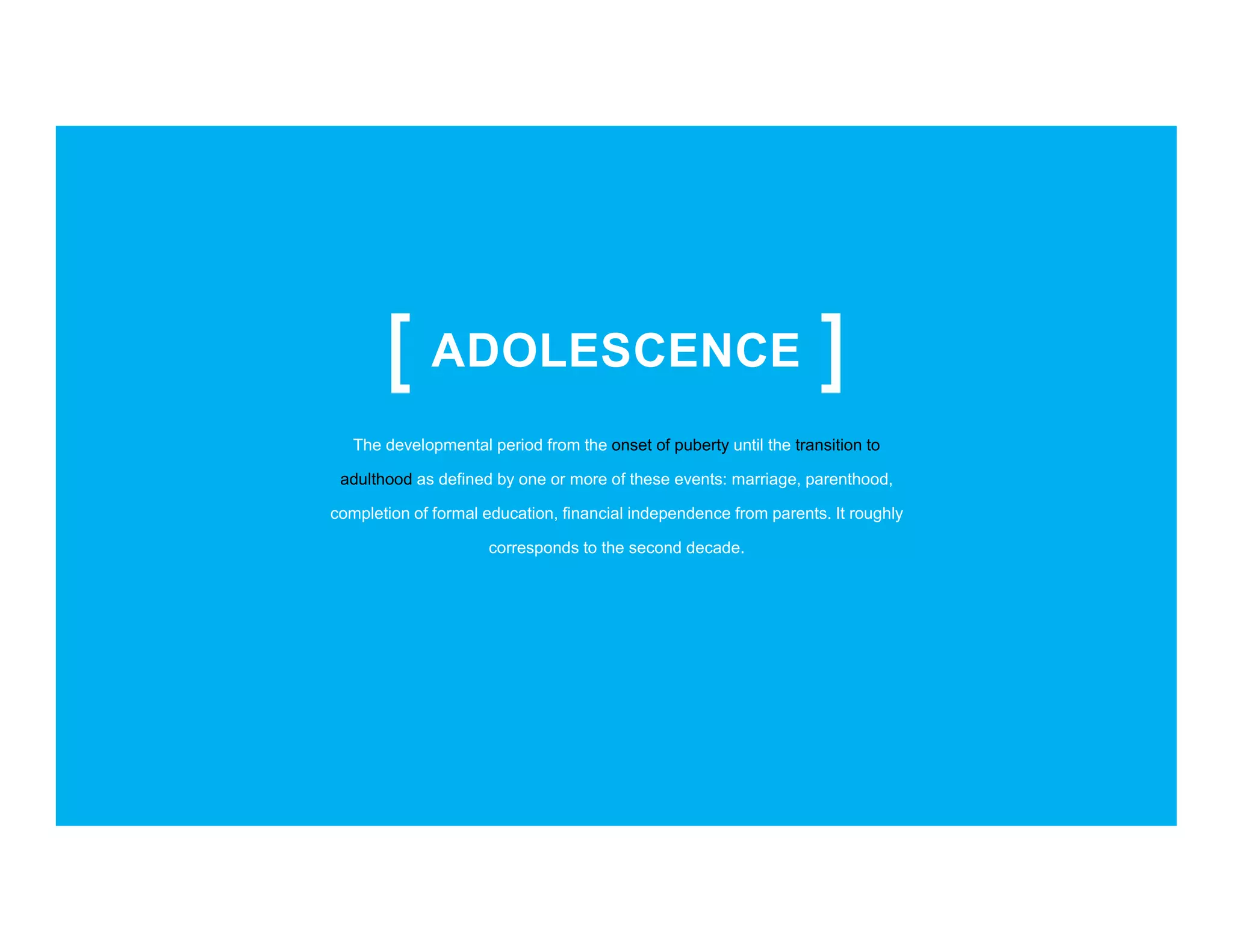
Adolescence is defined as the transitional phase of human growth and development that occurs between childhood and adulthood. It is characterized by the onset of puberty, significant neurobiological restructuring, and the pursuit of social independence. While traditionally spanning ages 10 to 19, modern clinical perspectives often extend this window into the mid-20s.
The Core Definition of Adolescence
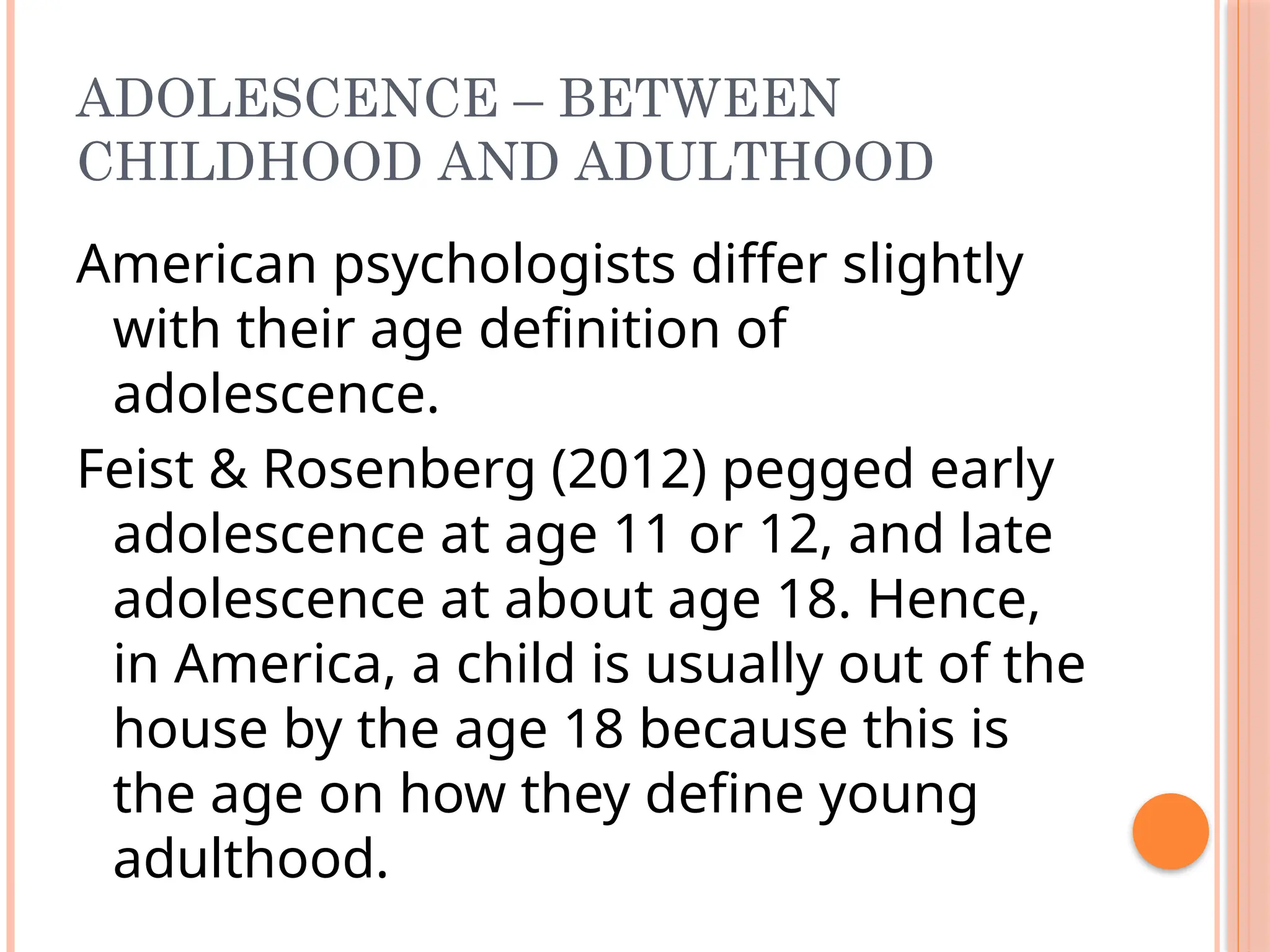
Defining adolescence requires an interdisciplinary approach that incorporates biology, psychology, and sociology. At its most fundamental level, adolescence is a period of rapid change aimed at preparing an individual for the roles and responsibilities of adulthood. The World Health Organization (WHO) historically defines an adolescent as any person between the ages of 10 and 19. However, as of 2026, many developmental psychologists and sociologists argue that the period of adolescence now extends to age 24. This shift reflects delayed transitions into traditional adult milestones, such as financial independence, marriage, and parenthood.
The term itself is derived from the Latin verb adolescere, which means "to grow up." Unlike childhood, which is a period of dependency, or adulthood, which is characterized by stability and self-sufficiency, adolescence is a state of "becoming." It is marked by a high degree of plasticity, meaning the brain and personality are exceptionally sensitive to environmental influences, making this a window of both great vulnerability and tremendous opportunity for learning and growth.
Biological Foundations: Puberty and Physical Metamorphosis
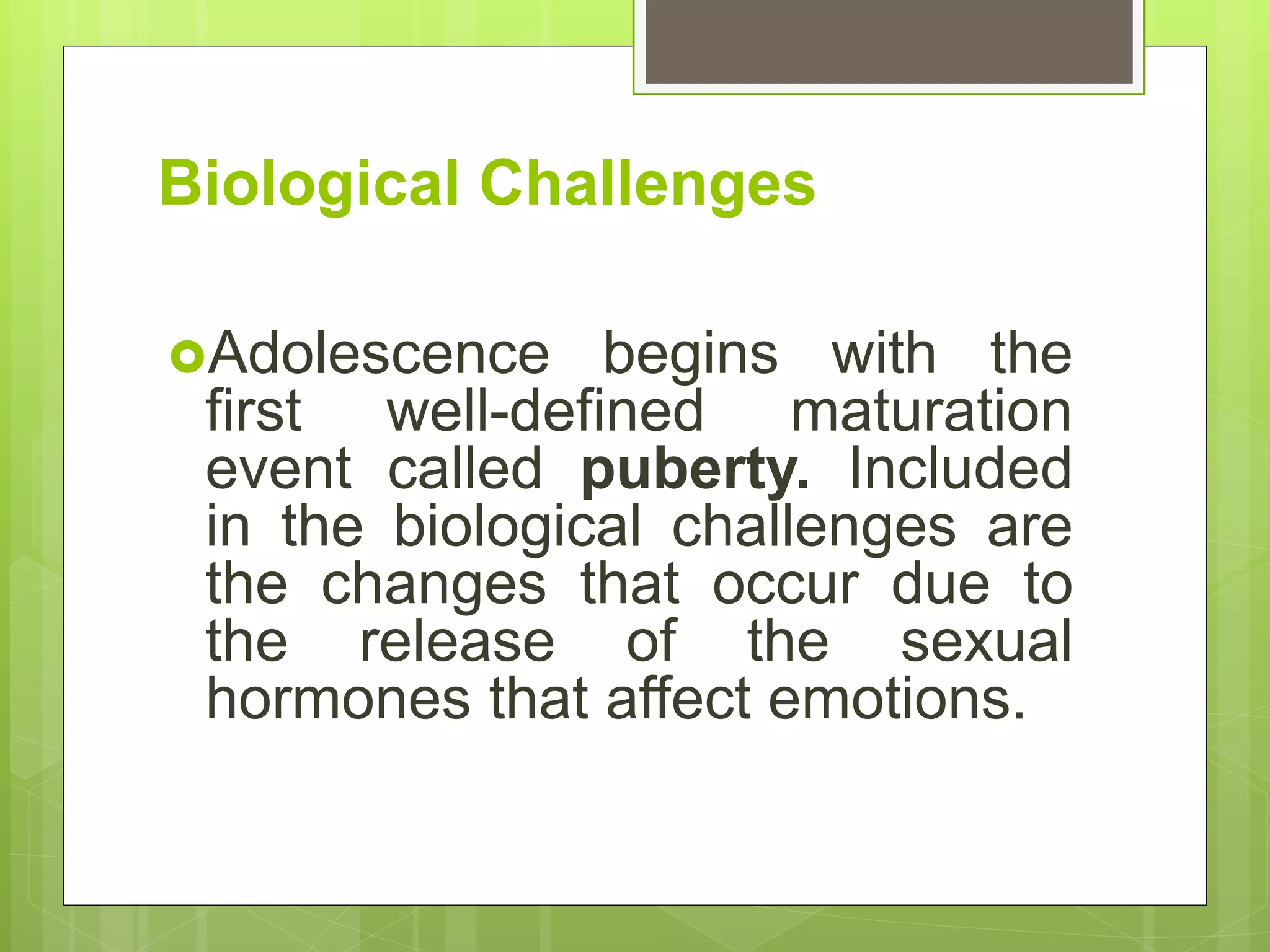
The biological hallmark of adolescence is puberty. This is not a single event but a complex process of hormonal changes triggered by the hypothalamus. The hypothalamus signals the pituitary gland to release gonadotropins, which in turn stimulate the gonads—the ovaries in females and testes in males—to produce sex hormones.
The HPG Axis and Hormonal Cascades
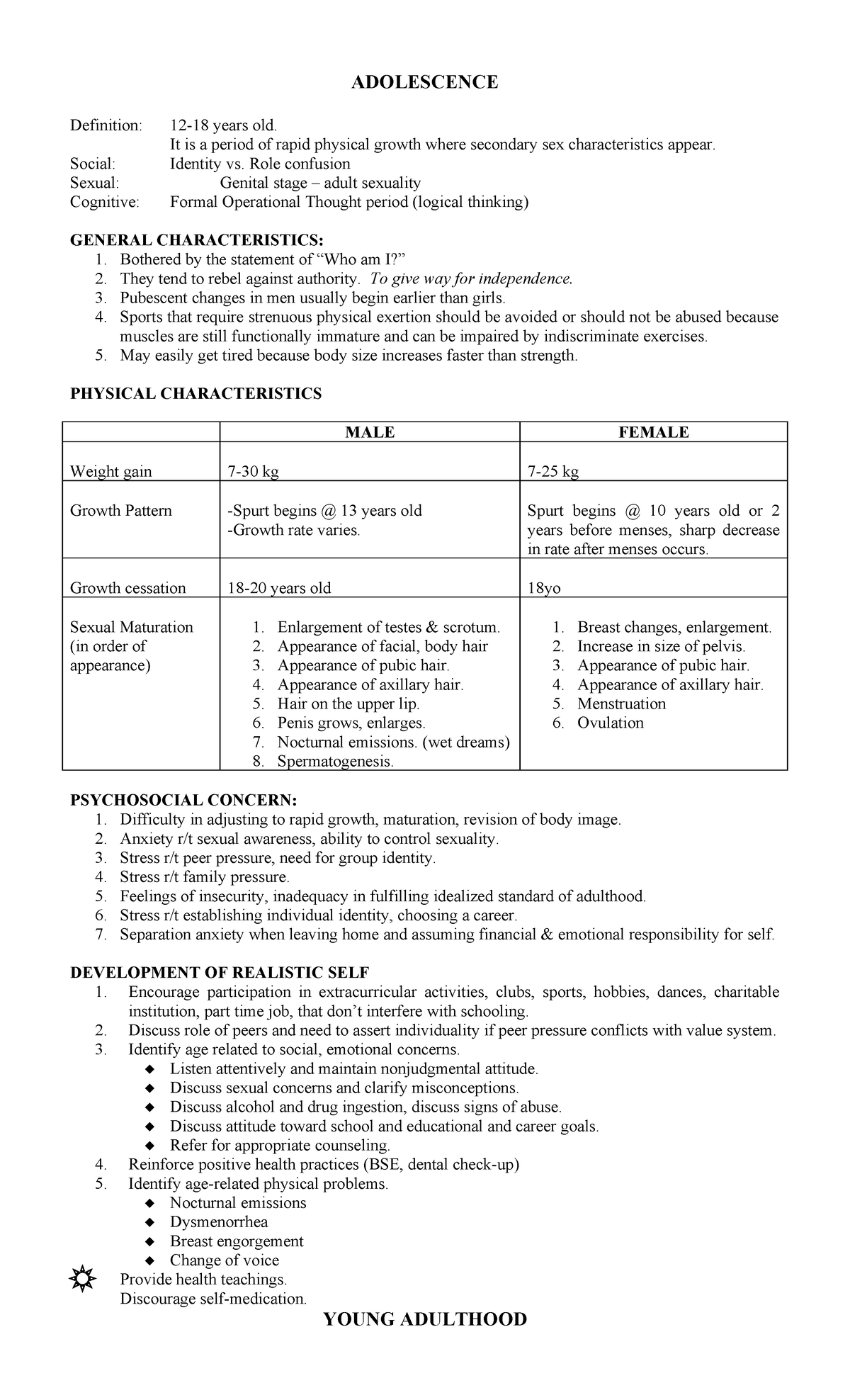
The Hypothalamic-Pituitary-Gonadal (HPG) axis is the primary driver of these changes. In females, increased estrogen leads to breast development, the reshaping of the pelvis, and the onset of menarche (the first menstrual period). In males, testosterone drives the deepening of the voice, the growth of facial and body hair, and the development of muscle mass. These physical changes are often the first visible signs that a child has entered adolescence, yet the biological process begins internally years before outward signs appear.
Growth Spurts and Physical Maturation
Adolescence is the second-fastest period of physical growth in the human lifespan, surpassed only by infancy. During the peak of the adolescent growth spurt, individuals may grow several inches in a single year. This rapid physical expansion can lead to temporary "clumsiness" as the brain adjusts to a changing center of gravity and longer limbs. Concurrently, the development of secondary sex characteristics serves a social function, signaling to the community that the individual is moving toward reproductive maturity.
The Adolescent Brain: Cognitive Development and Neuroplasticity
One of the most significant breakthroughs in understanding how adolescence is defined has come from neuroscience. Historically, it was believed that the brain was mostly developed by age 12. We now know that the brain undergoes a massive "remodeling" project that continues well into the third decade of life.
The Prefrontal Cortex vs. The Limbic System
The "mismatch model" of brain development explains many adolescent behaviors. The limbic system, which governs emotions, rewards, and the "fight or flight" response, matures relatively early in adolescence. In contrast, the prefrontal cortex (PFC)—the area responsible for impulse control, long-term planning, and weighing consequences—is not fully "wired" until the mid-20s.
This developmental gap explains why adolescents may be highly intelligent and capable of logical thought in a calm environment (cold cognition), yet struggle to make safe decisions when under emotional pressure or peer influence (hot cognition). The process of synaptic pruning also occurs during this time, where the brain eliminates unused neural connections and strengthens frequently used ones, effectively "hardwiring" the skills and habits developed during these years.
Cognitive Shifts and Formal Operations
Psychologically, adolescence marks the transition to what Jean Piaget called the "Formal Operational Stage." This is the ability to think abstractly and use hypothetical reasoning. Younger children generally think in concrete terms; an adolescent can contemplate concepts like justice, mortality, and the "what if" scenarios of the future. This cognitive leap allows for more complex academic work but also contributes to the "adolescent egocentrism"—the belief that others are as preoccupied with their appearance and behavior as they are.
Psychological Milestones: Identity and Independence
If the biological goal of adolescence is reproductive maturity, the psychological goal is identity formation. Erik Erikson, a seminal figure in developmental psychology, identified the primary conflict of adolescence as "Identity vs. Role Confusion."
Searching for the Self
Adolescents must answer the question, "Who am I?" This involves exploring different values, belief systems, career interests, and social circles. It is a period of experimentation. When adolescents are allowed to explore these avenues safely, they typically emerge with a strong sense of self. If they are pressured to conform to an identity chosen by others, or if they are unable to find a sense of belonging, they may experience role confusion, which can lead to instability in adulthood.
The Shift Toward Autonomy
A defining characteristic of the adolescent experience is the shifting of the primary attachment from parents to peers. This is a healthy and necessary part of becoming an independent adult. While parents remain influential—contrary to popular belief—the peer group becomes the primary laboratory for social skills. Adolescents learn to navigate hierarchies, manage conflict, and develop intimacy outside of the family unit. This quest for autonomy often manifests as "rebellion," though it is more accurately described as an assertion of individuality.
The Three Stages of Adolescence
Adolescence is too broad a category to be treated as a monolith. Experts typically divide the period into three distinct stages, each with its own developmental priorities.
| Stage | Approximate Age Range | Primary Focus | Key Developmental Features |
|---|---|---|---|
| Early Adolescence | 10–13 years | Physical changes and "fitting in" | Start of puberty; increased interest in privacy; concrete-to-abstract shift. |
| Middle Adolescence | 14–17 years | Identity and peer groups | Peak of peer influence; romantic interests; increased risk-taking; push for independence. |
| Late Adolescence | 18–24 years | Future planning and stability | Consolidation of identity; development of long-term goals; refined impulse control. |
Early Adolescence (Ages 10–13)
This stage is dominated by the initial shock of puberty. Concerns about body image are at their peak. Socially, children start to form more exclusive "cliques," and the need for peer acceptance becomes paramount.
Middle Adolescence (Ages 14–17)
This is often the period most associated with the "teen" experience. Physical maturation is largely complete for females and nearing completion for males. This stage is characterized by increased independence from parents and the beginning of romantic and sexual exploration. The drive for reward and sensation-seeking is often at its highest here.
Late Adolescence/Emerging Adulthood (Ages 18–24)
In 2026, this stage is increasingly recognized as a distinct phase. While legally considered adults in most jurisdictions, individuals in this age bracket are often still completing their education and establishing their professional identities. The prefrontal cortex finally completes its maturation during this time, leading to better emotional regulation and more consistent decision-making.
Social Dynamics and the Role of Peers
The social landscape of an adolescent is a critical component of how the period is defined. Peer influence is often viewed negatively as "peer pressure," but it is a vital evolutionary mechanism.
Peer Influence and Social Learning
Adolescents are hardwired to be sensitive to social status. This sensitivity encourages them to leave the safety of the parental home and find a "tribe" of their own. Social interactions during this time are intense and emotionally charged. Research shows that the presence of peers activates the reward centers of the adolescent brain, making even mundane activities feel more exciting. This social "high" explains why adolescents are more likely to take risks when they are with friends than when they are alone.
The Impact of the Digital Environment
In the modern era, the social world of the adolescent is no longer limited to the classroom or the neighborhood. Digital platforms provide a 24/7 social environment. While this allows for greater connectivity and the finding of niche communities, it also intensifies the "imaginary audience" phenomenon. The constant feedback loop of likes, comments, and views can impact identity formation and mental health, making digital literacy a core component of healthy adolescent development in 2026.
Legal and Societal Definitions
While biology and psychology provide a framework, the legal definition of adolescence—and its end point—varies by culture and jurisdiction.
- Age of Majority: In many countries, 18 is the legal threshold for adulthood, granting the right to vote and enter into contracts.
- Criminal Responsibility: Many legal systems recognize that the adolescent brain is different, leading to separate juvenile justice systems that prioritize rehabilitation over punishment.
- Cultural Rites of Passage: Many cultures mark the end of childhood with specific ceremonies, such as a Bar Mitzvah, Quinceañera, or specific initiation trials, regardless of the individual's biological age.
These societal markers are important because they provide the "scaffolding" for an adolescent's transition. When there is a clear roadmap for what is expected of an adult, the "storm and stress" of adolescence is often mitigated.
Challenges and Mental Health Considerations
Adolescence is a period of heightened risk for the onset of mental health conditions. According to The American Psychological Association (APA), 50% of all lifetime mental illnesses begin by age 14, and 75% by age 24.
Vulnerability to Stress
The same neuroplasticity that allows for rapid learning also makes the adolescent brain more susceptible to the negative effects of chronic stress and trauma. Common challenges include:
- Depression and Anxiety: Often linked to social pressures, academic stress, and hormonal fluctuations.
- Substance Use: The reward-seeking nature of the brain can make experimentation with drugs or alcohol more likely and more dangerous, as the developing brain is more prone to addiction.
- Eating Disorders: Pressures regarding body image during puberty can lead to disordered eating patterns.
Early intervention and the presence of at least one supportive, consistent adult figure are the strongest protective factors against these risks.
Supporting Healthy Adolescent Development
Defining adolescence as a period of opportunity rather than a "problem to be solved" changes how parents and educators approach the phase.
- Promote Autonomy with Boundaries: Adolescents need room to make mistakes while they still have a safety net. This is often referred to as "authoritative parenting," which combines high warmth with clear expectations.
- Focus on Sleep: The adolescent circadian rhythm shifts, making them naturally inclined to stay up late and wake up late. Ensuring they get the recommended 8–10 hours of sleep is crucial for brain development and emotional regulation.
- Validate Emotions: Because the limbic system is so active, adolescent emotions are "real" and intense. Dismissing them as "just hormones" can damage the parent-child relationship.
- Encourage Passion Projects: Using the brain's high plasticity to learn a musical instrument, a new language, or a sport can have lifelong cognitive benefits.
FAQs
What age does adolescence actually start?
Adolescence typically starts with the onset of puberty, which can begin as early as 8 or 9 for some individuals, though the average start is around age 10 for girls and 11 or 12 for boys. The World Health Organization uses 10 as the standard starting age for statistical purposes.
Why are adolescents so prone to taking risks?
Risk-taking is driven by a developmental mismatch: the reward-seeking part of the brain (limbic system) is fully active, while the "braking" system (prefrontal cortex) is still under construction. This makes the thrill of a reward feel more significant than the potential for a negative consequence.
Is the "rebellious teen" phase a myth?
While many adolescents experience increased conflict with parents as they seek autonomy, extreme rebellion is not a universal requirement. Most adolescents report having positive relationships with their parents, though the nature of those relationships changes as the teen moves toward adulthood.
When does adolescence officially end?
Legally, it usually ends at 18. However, biologically and neurologically, the transition is not complete until the mid-20s (around age 25), when the prefrontal cortex finishes developing. This is why the term "emerging adulthood" is often used for the 18–24 age range.
How does adolescence differ between boys and girls?
While the fundamental processes are the same, the timing and hormonal drivers differ. Girls generally start and finish puberty earlier than boys. Additionally, societal expectations and the timing of brain development can lead to different social experiences; for example, girls often develop certain verbal and social processing areas of the brain slightly earlier than boys.
Moving Forward
To understand adolescence is to understand the bridge between the dependent child and the autonomous adult. It is a period of intense transformation that requires patience, guidance, and an understanding of the underlying biological and psychological mechanisms. For parents and professionals, the goal is not to suppress the unique characteristics of adolescence but to channel them into healthy identity formation and lifelong resilience.