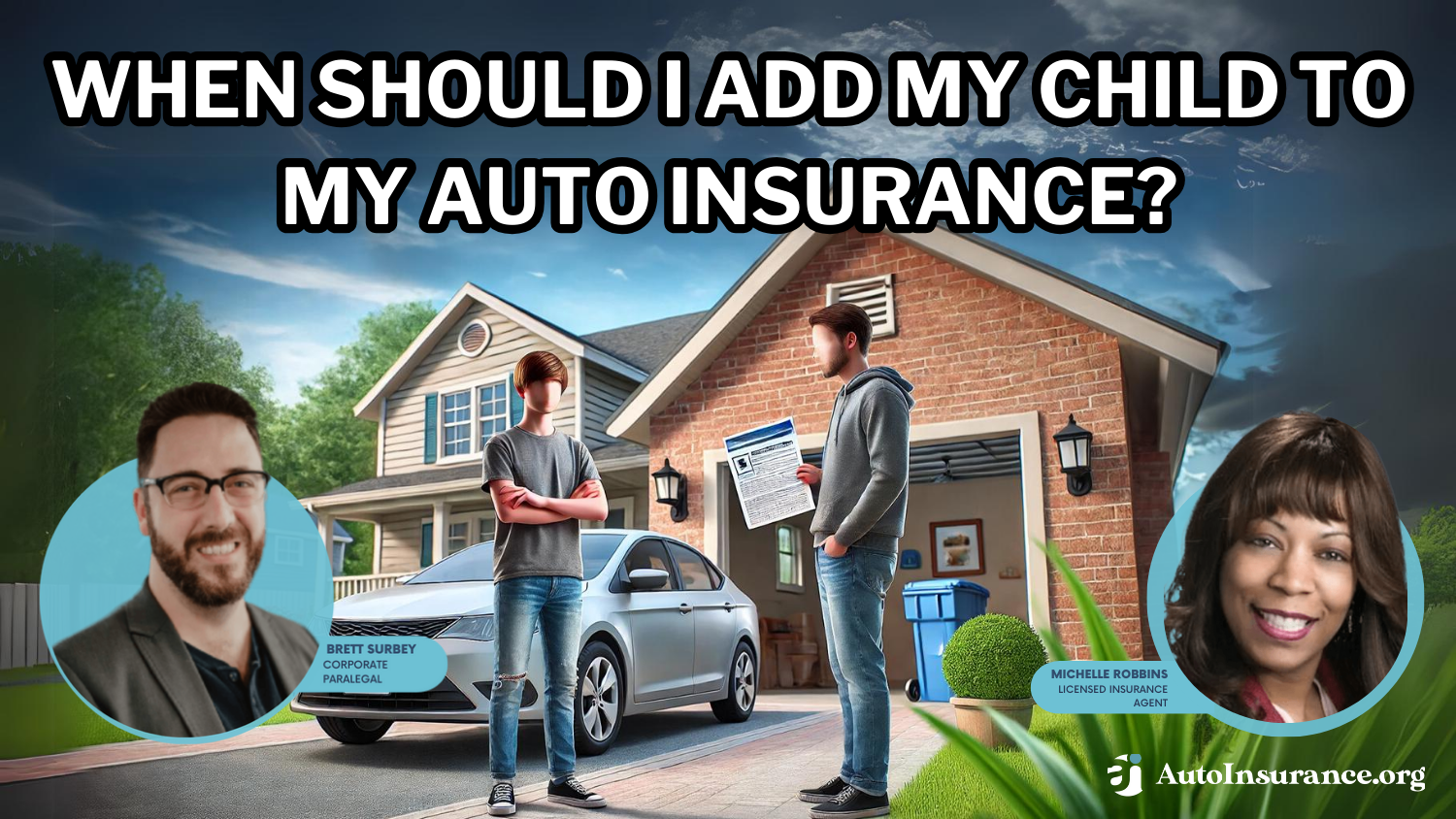
Adding a licensed child to your auto insurance policy is a mandatory step for most families that involves notifying your provider to ensure coverage compliance. This process typically requires providing the child’s driver’s license information, updating your policy’s listed drivers, and adjusting your premium to account for the increased risk associated with inexperienced, newly licensed young drivers.
Understanding the Timing and Necessity
In the United States, insurance regulations generally mandate that all licensed members of a household must be accounted for on an auto insurance policy. When your child obtains their learner's permit, many insurers do not require an immediate update to your premium, though you should notify them. However, the moment your child receives their full driver’s license, the insurance company must be informed.
Insurance companies calculate premiums based on risk. Statistically, teen drivers have a higher incidence of accidents compared to experienced adult drivers. Consequently, insurers view the addition of a newly licensed driver as a significant change in the risk profile of the policy. Failing to notify your insurance company about a licensed child in your household can lead to severe consequences, including the denial of claims if your child is involved in an accident or, in some cases, the cancellation of your entire policy for material misrepresentation.
Steps to Officially Add Your Child
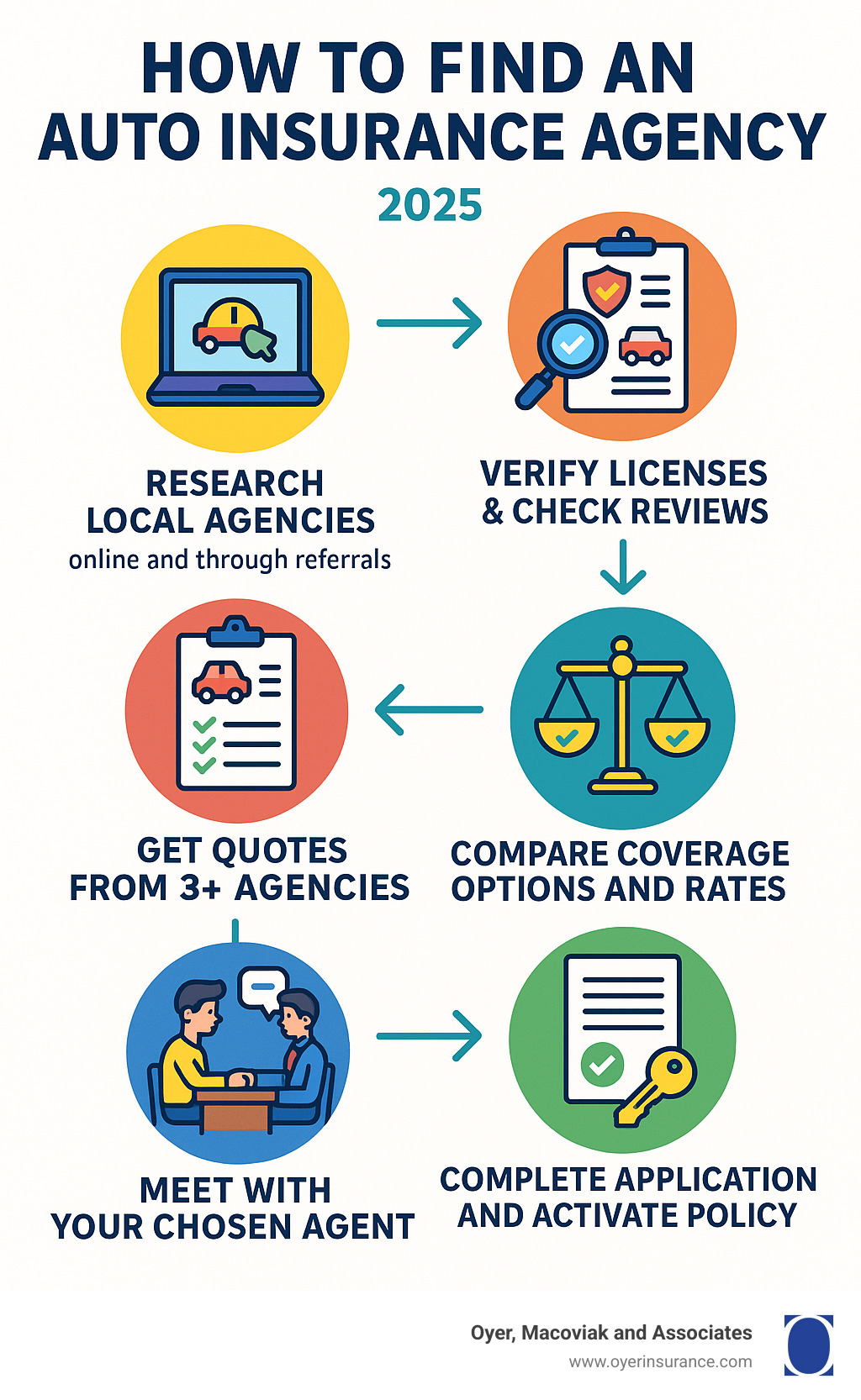
The process of adding a licensed child is generally straightforward, but it requires accuracy to ensure your coverage remains valid. Follow these steps to manage the transition smoothly:
- Gather Necessary Documentation: Before contacting your agent, have your child’s driver’s license number, date of birth, and date of licensure ready. Some insurers may also require the vehicle identification number (VIN) of the specific car your child will primarily drive.
- Contact Your Insurance Provider: Reach out to your insurance agent or use your provider’s digital portal to report the change. Providing the information promptly ensures that your policy accurately reflects the household's current driving status.
- Review Your Policy Coverage: When a new driver is added, consider whether your existing liability limits are sufficient. With a less experienced driver on your policy, the risk of a significant accident may be higher. Speak with your agent about increasing liability coverage to protect your family's assets.
- Finalize the Changes: Once you provide the required details, the company will issue an updated declarations page. Review this document carefully to verify that your child is correctly listed as an authorized driver.
Managing the Financial Impact
The most immediate concern for many parents is the spike in premiums. Adding a teenager to an existing policy is a major life event that often results in a significant increase in annual costs. The exact increase varies based on the insurance company’s underwriting guidelines, your location, the child’s driving record (or lack thereof), and the type of vehicle they will operate.
To mitigate these costs, explore various discounts offered by insurers in 2026. Many companies provide specific programs designed to offset the burden of covering a young driver.
| Discount Type | Requirements | Potential Benefit |
|---|---|---|
| Good Student Discount | Maintaining a "B" average or higher. | 5%–15% off premiums. |
| Driver Training Discount | Completion of a certified defensive driving course. | Varying percentage off based on carrier. |
| Student Away at School | Child attends college 100+ miles away without a car. | Significant reduction in premium. |
| Multi-Vehicle Discount | Adding the child to an existing household policy. | Reduced rate compared to a separate policy. |
The Role of Vehicle Selection
The vehicle a child drives has a direct impact on the cost of adding them to your policy. Insurers analyze the safety ratings, cost of repairs, and theft statistics of the vehicle assigned to the new driver. High-performance vehicles or luxury cars often lead to much higher premiums when a teen driver is involved. If possible, have your child drive the safest, most reliable, and least expensive vehicle in your household to keep premiums manageable.
Frequently Asked Questions
Does a learner's permit count as being licensed? Generally, a learner's permit does not require an immediate, formal update to your insurance policy, but you must notify your insurance company. Most carriers cover permit holders under your existing policy at no extra cost, provided they are supervised by a licensed adult, though this varies by state and company.
Can I exclude my child from my policy to save money? Some states and insurance companies allow you to "exclude" a driver from your policy, meaning they are not covered and are strictly prohibited from driving your vehicles. If you choose this route, ensure your child has their own independent insurance policy if they are going to drive. If they are excluded and drive your car anyway, you will likely have no coverage in the event of an accident.
What happens if I forget to add my child? If your child is involved in an accident and is not listed on your policy, the insurance company may deny the claim. This is considered a breach of your insurance contract. In many cases, the insurer may retroactively add the child to the policy and charge you for the premiums you should have paid since they became licensed.
Does a teen’s driving record affect my rates? Yes. Once your child is licensed and added to your policy, their driving behavior—such as speeding tickets or at-fault accidents—will affect the premium for the entire policy. This is why encouraging safe driving habits is as much a financial necessity as it is a safety concern.
Is it cheaper to get the child their own separate policy? In most cases, it is significantly cheaper to add a child to a parent's policy rather than purchasing a standalone policy for a minor. Young drivers are considered high-risk, and an individual policy for a teen often carries high premiums due to a lack of driving history and potential discounts.
Next Actions for Parents
The most effective way to manage the transition is to be proactive. Contact your insurance agent at least one month before your child obtains their full license. Ask for a quote based on the new driver to prepare your budget for the upcoming renewal. Use this conversation to ask about specific "teen driver programs" offered by your carrier, as many companies in 2026 have implemented telematics-based programs that track driving habits via mobile apps to provide feedback—and sometimes discounts—for safe driving. Always prioritize transparency with your insurance company to ensure that your financial protection remains solid as your family’s driving needs evolve.