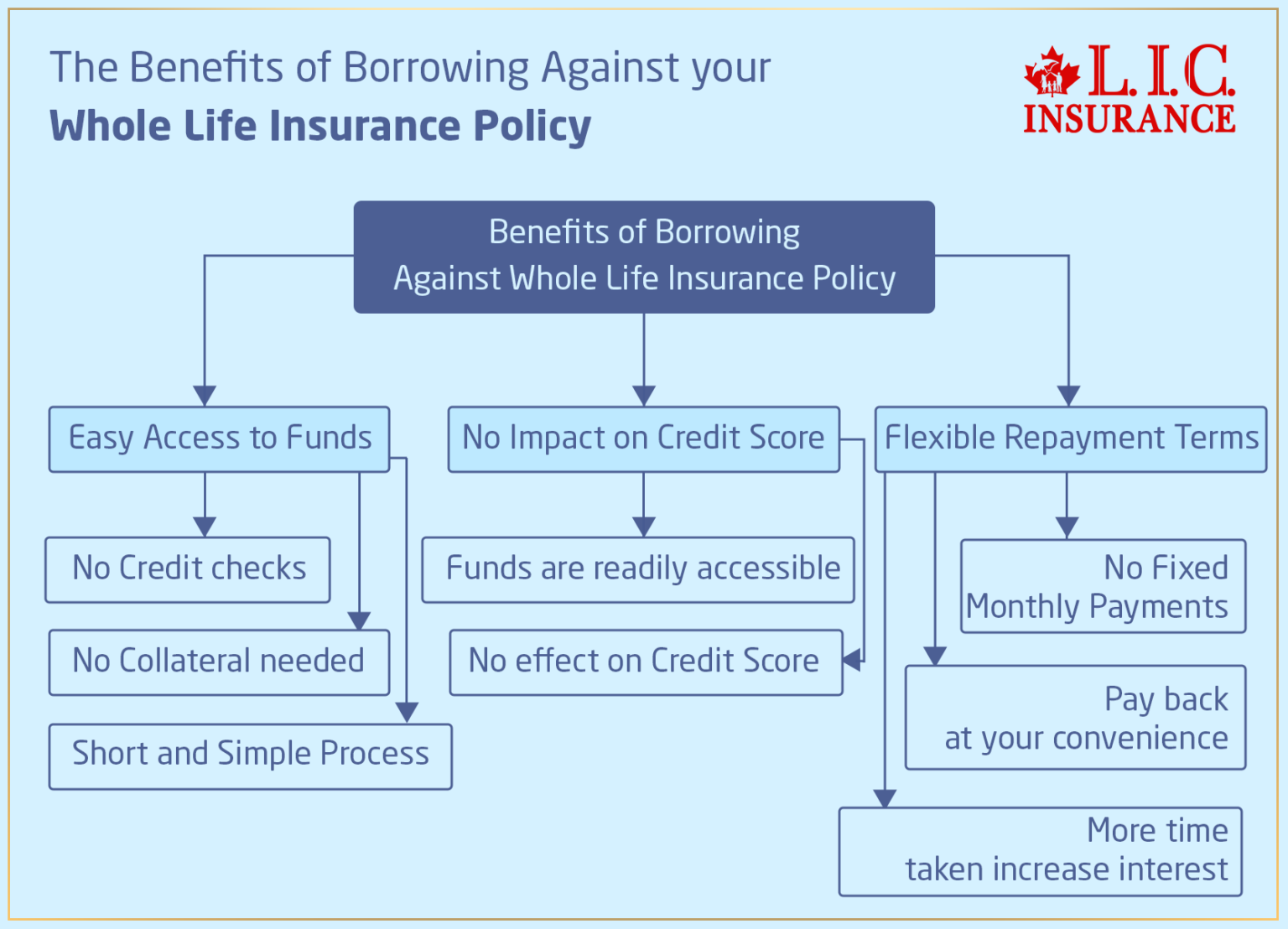
Leveraging a life insurance policy as collateral for a bank loan involves assigning the policy’s cash value or death benefit to a lender to secure financing. This process, often referred to as collateral assignment, allows policyholders to access liquidity without surrendering their coverage, though it introduces specific risks regarding policy management and potential foreclosure on the asset.
The Mechanism of Collateral Assignment
When you discuss "adding a bank loan" to a life insurance policy, you are typically describing a collateral assignment. This is a legal arrangement where the policyholder grants a lender (the bank) a security interest in their life insurance policy. Unlike a policy loan—which is taken directly from the insurance carrier using the policy's cash value as the sole security—a collateral assignment is an external agreement between the borrower and a financial institution.
The core of this arrangement rests on the policy’s cash surrender value. In permanent life insurance products, such as Whole Life or Universal Life, the cash value grows over time. Banks view this accumulated value as a liquid asset. By assigning the policy, you are effectively telling the bank: "If I default on this loan, you have the right to claim the cash value or a portion of the death benefit to satisfy the debt."
It is vital to distinguish between a collateral assignment and an absolute assignment. In a collateral assignment, your rights to the policy are limited; once the loan is repaid, the assignment is released, and full control reverts to you. In an absolute assignment, you transfer ownership of the policy entirely to another party, which is generally not the intent when securing a personal or business bank loan.
Prerequisites for Policy Financing
Not every life insurance policy is eligible for collateral assignment. Banks maintain strict underwriting criteria for the assets they accept as security. To successfully pledge a policy, you must typically satisfy the following requirements:
- Policy Type: Only permanent life insurance policies with an active, accumulating cash value are eligible. Term life insurance, which has no cash value, cannot be pledged as collateral because it provides no asset for the bank to seize in the event of a default.
- Solvency of the Insurer: Banks prefer policies issued by highly-rated insurance carriers. If the insurer is financially unstable, the bank may reject the collateral.
- Sufficient Cash Value: The bank will conduct a "loan-to-value" (LTV) analysis. They rarely lend 100% of the policy's cash value. A typical LTV ratio might range from 70% to 90%, depending on the bank’s internal risk policy and the volatility of the underlying investment components of the policy (particularly in Universal Life).
- Ownership Verification: The policyholder must be the legal owner of the policy. If the policy is owned by a trust or another individual, that entity must agree to the assignment.
The Step-by-Step Procedure for Assignment
Securing a loan against your insurance policy is a formal process that requires coordination between the bank, the insurance carrier, and yourself.
- Negotiation with the Lender: Approach your bank to determine if they accept life insurance as collateral. Many commercial banks are familiar with this process, particularly for business loans or high-net-worth wealth management services.
- Contacting the Insurance Carrier: Request the specific Collateral Assignment Form from your insurance company. Do not use generic forms found online; each carrier has a specific legal document that must be used to record the assignment correctly.
- Formal Execution: Complete the form, which will require signatures from the policyholder, any irrevocable beneficiaries, and the lender.
- Submission and Recording: Submit the signed, notarized document to the insurance company. The insurance carrier will acknowledge the assignment and record it in their files. This formal acknowledgment is the "proof" the bank requires to finalize the loan disbursement.
- Ongoing Maintenance: Keep the policy in force. A common mistake is assuming that because the policy is assigned, the insurance company will notify the bank if you fail to pay your premiums. They generally will not. If the policy lapses, the bank loses its collateral and may demand immediate repayment of the loan.
Comparing Direct Policy Loans vs. Bank Loans
It is common to confuse a bank loan secured by insurance with a loan taken directly from the insurance company. The table below highlights the fundamental differences to assist in your decision-making process.
| Feature | Direct Policy Loan (From Insurer) | Bank Loan (Collateral Assignment) |
|---|---|---|
| Approval | None required (automatic) | Credit check and underwriting |
| Repayment | Flexible (self-determined) | Fixed (scheduled installments) |
| Interest Rates | Set by the insurer (usually fixed) | Market-based (variable or fixed) |
| Risk of Lapse | If unpaid, reduces death benefit | If policy lapses, bank calls the loan |
| Access | Limited to current cash value | Can be higher, based on credit worthiness |
Risks and Financial Considerations
While using a policy as collateral provides access to capital, it introduces significant risks that must be managed.
The Risk of Policy Lapse If you have a loan secured by your policy and you fail to pay your insurance premiums, the policy may lapse. When a policy lapses, the death benefit is lost, and the bank’s collateral vanishes. In this scenario, the bank will accelerate the loan, demanding immediate repayment of the full outstanding balance. This creates a "double jeopardy" situation: you lose your insurance coverage and face a sudden, large debt obligation.
Interest Rate Fluctuations If you opt for a variable-rate bank loan, your cost of borrowing can change based on broader economic conditions in 2026. Unlike a standard policy loan where interest rates are generally contractually capped or stable, a bank loan will expose you to the volatility of the prime rate or other indices.
Tax Implications Generally, taking a loan against a life insurance policy is not a taxable event. However, if the policy is surrendered or lapses while a loan is outstanding, the IRS may treat the cancellation of the debt as taxable income. Consult with a qualified tax professional to understand how your specific policy’s tax basis affects the potential for a "phantom income" tax bill in the event of an unintended policy termination.
Troubleshooting Common Issues
- Irrevocable Beneficiaries: If you have named an irrevocable beneficiary, they have a legal right to the death benefit. You cannot assign the policy as collateral without their written, notarized consent.
- Policy Loans already in place: If you already have an outstanding loan from your insurance company, that loan becomes a "first lien" on the policy. The bank will often refuse to take a subordinate position, meaning you may need to pay off your existing policy loan before the bank will accept the collateral assignment.
- Bank Policy Changes: Banks periodically update their internal lending guidelines. A policy that was acceptable as collateral in 2024 might not meet the 2026 criteria if the insurer’s financial strength rating has been downgraded.
Frequently Asked Questions
Can I use a term life insurance policy to secure a bank loan? No. Term life insurance is a temporary contract that provides coverage for a specific period and does not accumulate cash value. Since there is no underlying asset for the bank to hold, it cannot be used as collateral.
Does the bank take over my insurance policy? No. You remain the owner of the policy. The bank merely holds a security interest. You continue to pay your premiums, manage the investment sub-accounts (if applicable), and maintain the right to change beneficiaries, provided those changes do not impair the bank's security interest.
What happens to the death benefit if I die with an outstanding bank loan? The bank, as the assignee, will be the first party paid from the death benefit. They will collect the outstanding balance of the loan, including any accrued interest. The remaining portion of the death benefit is then paid to your designated beneficiaries.
Is it possible to pledge only a portion of my policy? Yes. You can specify the amount of the collateral assignment on the insurance company’s form. For example, if your policy has a $200,000 cash value but you only need a $50,000 loan, you can limit the assignment to the $50,000 amount.
Will the insurance company notify the bank if I miss a premium payment? No. Insurance companies typically have no obligation to notify your lender regarding your premium payment status. You are responsible for ensuring the policy remains in force to avoid a loan default.
Recommendation
If you are considering using your life insurance as collateral for a bank loan, your first step should be to request an in-force illustration and a collateral assignment form from your insurance carrier. Once you have these documents, bring them to your banker to confirm the current LTV requirements. Before finalizing, verify that your premium payments are automated to prevent any accidental lapse that could trigger a loan default. For those in high tax brackets or complex financial situations, consult with a financial advisor to weigh the opportunity cost of borrowing against your policy versus traditional lending sources.