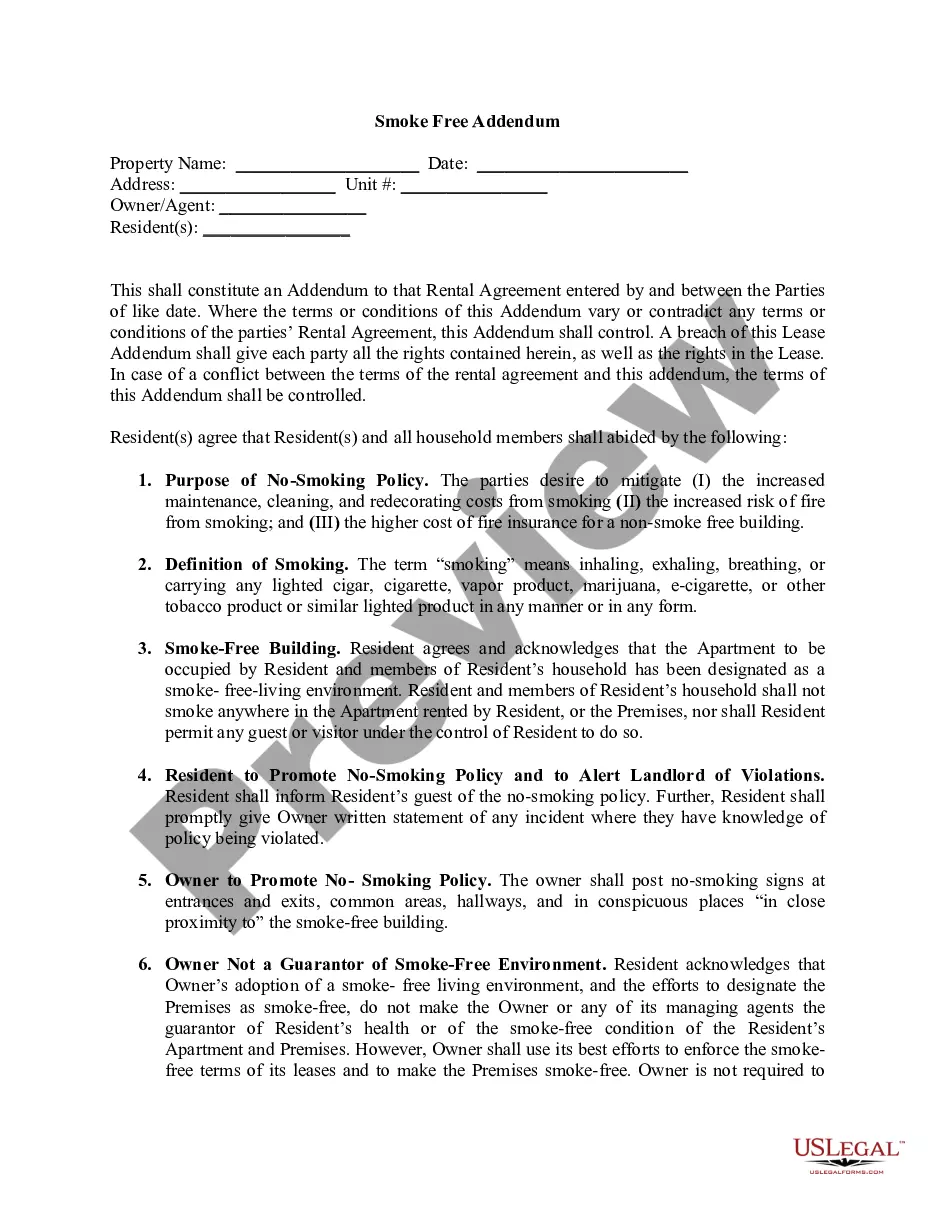
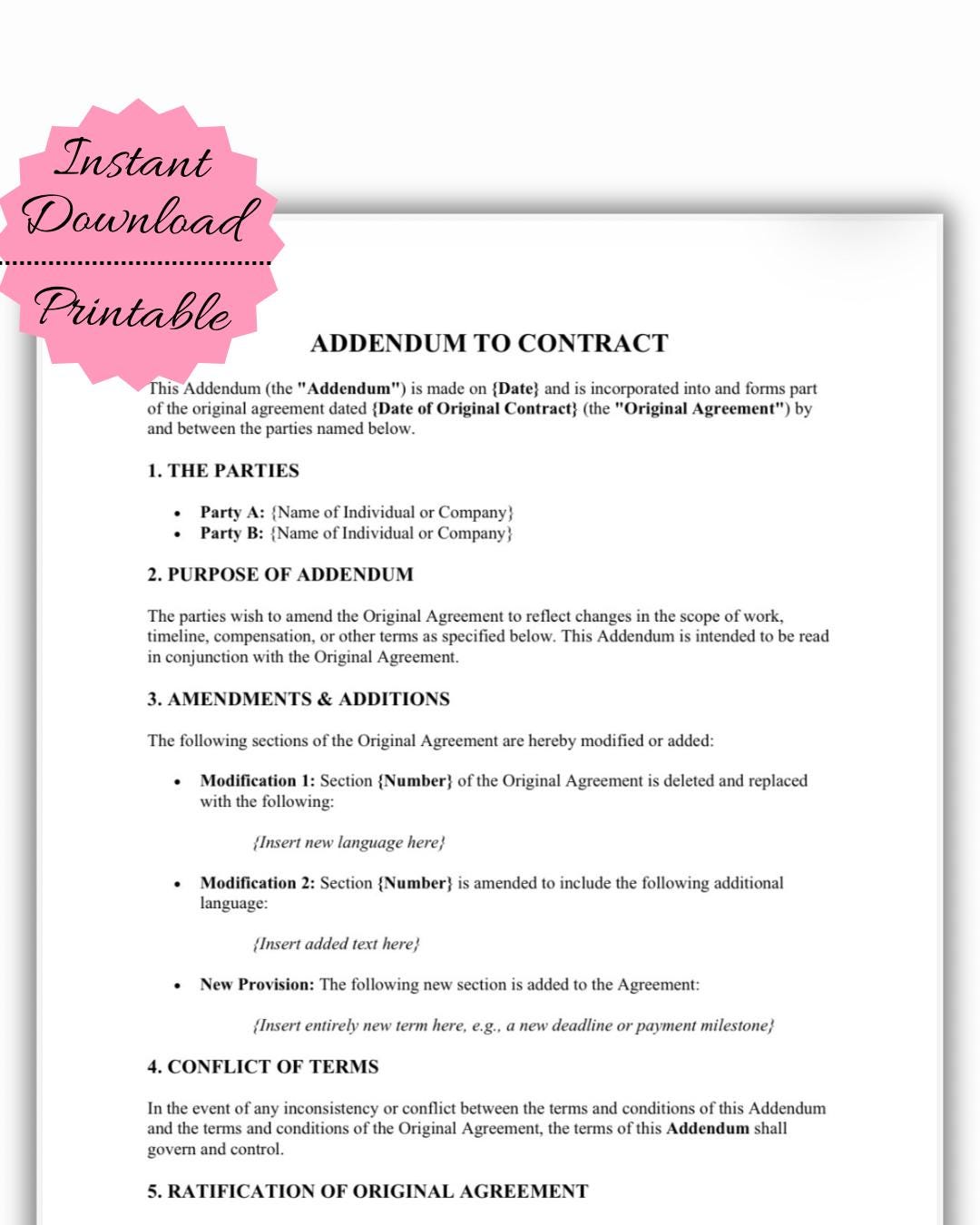
An addendum is a formal, legally binding document attached to an existing contract to modify, clarify, or supplement its original terms without requiring the parties to draft a brand-new agreement. By incorporating additional provisions while keeping the foundational contract intact, an addendum preserves the integrity of the original transaction while addressing new developments or oversights.
The Foundational Role of an Addendum in Contract Law
In the realm of contract law, the primary objective of an addendum is to provide flexibility. When two parties sign a contract—whether it is a residential lease, a commercial service agreement, or a purchase contract—they are bound by the specific terms documented at the time of execution. However, business and personal circumstances are dynamic. An addendum acts as a mechanism to update these terms formally.
Unlike an amendment, which often implies a change to the core language of an existing clause, an addendum is frequently viewed as an "addition" to the original document. It functions as an extension. If the original contract was a structural framework, the addendum is an added feature or a supplementary rule that sits alongside the main agreement. For a contract to remain enforceable, any addendum must be executed with the same level of legal formality as the original agreement. This means that if the original contract required signatures from authorized parties and witnesses, the addendum must mirror these requirements to be considered valid and enforceable in a court of law.
Key Prerequisites for a Valid Addendum
For an addendum to hold legal weight, it must satisfy specific criteria that mirror the requirements of any valid contract. The lack of these elements can lead to disputes or render the supplementary terms void.
- Mutual Consent: Just as the original contract required a "meeting of the minds," the addendum requires the explicit, written consent of all original parties involved. Unilateral changes made by one party without the notification or agreement of the other are typically unenforceable.
- Reference to the Original Agreement: The addendum must clearly state which contract it is modifying. This is usually achieved by citing the title of the original document, the date it was signed, and the specific parties involved. Without this clear reference, the addendum may be dismissed as an ambiguous or unrelated document.
- Consideration: In many jurisdictions, any modification to a contract must be supported by "consideration." This means that if the addendum imposes new obligations on a party, there must be a reciprocal benefit or a change in value, even if it is nominal.
- Capacity and Authority: The individuals signing the addendum must have the legal authority to bind their respective entities. If an employee signs an addendum to a commercial lease without the actual authority to do so, the company may successfully challenge the validity of that document later.
- Written Formality: While oral modifications are sometimes recognized in specific, narrow scenarios, the vast majority of legal contracts include a "merger clause" or "integration clause." This clause explicitly states that the contract can only be modified in writing. Consequently, a written addendum is almost always a strict requirement.
Comparing Addenda, Amendments, and Riders
In professional and legal writing, terms are often used interchangeably, leading to confusion. Understanding the distinctions ensures that the right document is drafted for the right purpose.
| Term | Primary Function | Typical Use Case |
|---|---|---|
| Addendum | To add new, supplemental terms to an existing contract. | Adding an pet policy to a standard apartment lease. |
| Amendment | To change, delete, or rewrite existing terms within the contract. | Changing the payment due date or increasing a fee. |
| Rider | To modify specific coverage or clauses in an insurance policy or contract. | Adding an extra layer of protection to a liability policy. |
| Exhibit | To provide supporting documentation or visual data. | Attaching a map of a property or a technical manual. |
While these distinctions are significant, the court ultimately looks at the intent of the parties rather than just the label on the document. If you label a document an "Addendum" but use it to completely rewrite the core financial terms of a contract, a judge will interpret it based on its content, not its title.
Common Scenarios Requiring an Addendum
The use of an addendum is prevalent across various sectors. In real estate, for example, a property management company may use a standard lease agreement but append an addendum to address site-specific rules, such as pool usage, noise ordinances, or short-term rental restrictions.
In employment law, an addendum might be used to update compensation structures or non-disclosure obligations without requiring the employee to sign a completely new employment contract. In commercial procurement, an addendum is frequently utilized to adjust technical specifications of a delivered product, allowing the manufacturer to adapt to supply chain shortages or improved manufacturing processes without voiding the overarching service level agreement.
The Process of Drafting and Executing an Addendum
Drafting an addendum requires precision. The goal is to avoid any contradictions between the new text and the old text. Follow these steps to ensure legal compliance and clarity:
- Review the Original Agreement: Before writing, analyze the original contract. Look for the "Entire Agreement" clause to see what procedures are required for modifications.
- Identify the Parties and the Reference Document: Clearly identify who is involved and which contract is being modified.
- Specify the Changes: Clearly state the new language. For instance: "Paragraph 4 of the original agreement is hereby supplemented by the following language: [Insert new terms]."
- Maintain Consistency: Ensure the language of the addendum matches the tone and terminology of the original. If the original contract defines "Client," the addendum should use "Client" rather than "Customer."
- Execution: Both parties should sign and date the document. Retain copies of the signed addendum in the same file as the original contract.
Common Mistakes to Avoid
The most frequent error in legal document management is creating an addendum that contradicts the main contract. If the original contract says "Payment is due on the 1st of the month" and your addendum says "Payment is due on the 15th," the addendum will usually take precedence if drafted correctly. However, if the addendum is vague—for example, saying "Payment terms are flexible"—it introduces ambiguity that can lead to costly litigation.
Another common mistake is failing to have the addendum signed by all the necessary parties. If a contract was signed by a guarantor, the guarantor must also sign the addendum if the changes affect their financial obligations. Ignoring this can potentially release the guarantor from their duties under the original contract.
Legal Limitation Notice
The information provided here is for educational purposes only and does not constitute professional legal advice. Contract law varies significantly by jurisdiction and the specific nature of the agreement. For binding legal decisions or the drafting of complex agreements, consult with a licensed attorney in your specific region to ensure compliance with local statutes and regulations.
Frequently Asked Questions
1. Does an addendum require a lawyer to be valid? No, an addendum does not strictly require an attorney to be legally valid. However, for complex commercial or high-value personal contracts, legal review is strongly recommended to ensure the language does not unintentionally create loopholes or invalidate the underlying agreement.
2. What happens if the addendum is not signed? An unsigned addendum is generally not legally enforceable. For a modification to be binding, it must show proof of mutual agreement, which is demonstrated through signatures. Without them, the original contract remains the only legally binding document.
3. Can I use an addendum to completely change the purpose of a contract? Usually, no. If the changes are so fundamental that they change the nature of the agreement, you are likely creating a "novation"—a process where a new contract replaces the old one. In such cases, it is safer to terminate the old contract and draft a new one to avoid legal confusion.
4. How does an addendum affect the original contract? The addendum sits on top of the original contract. Where the two documents conflict, the terms of the addendum generally prevail, provided the addendum was signed later and explicitly references the changes. All terms in the original contract that were not modified remain in full force and effect.
5. Are digital signatures valid for addenda in 2026? Yes, under laws like the Electronic Signatures in Global and National Commerce (ESIGN) Act in the United States and similar regulations globally, electronic signatures are legally equivalent to wet-ink signatures for most contracts and addenda, provided the signing process meets identity verification and integrity standards.
Recommended Next Actions
If you find yourself needing to modify an existing agreement, start by locating the original signed contract. Verify if it contains an "Amendment" or "Modification" clause, which may dictate a specific process for updates. Once you have identified the procedural requirements, draft the addendum to be as specific as possible, referencing the precise sections being changed. Finally, ensure that all parties who signed the original agreement sign the addendum. If the scope of the change involves significant financial risk, seek professional legal review before finalizing the document.