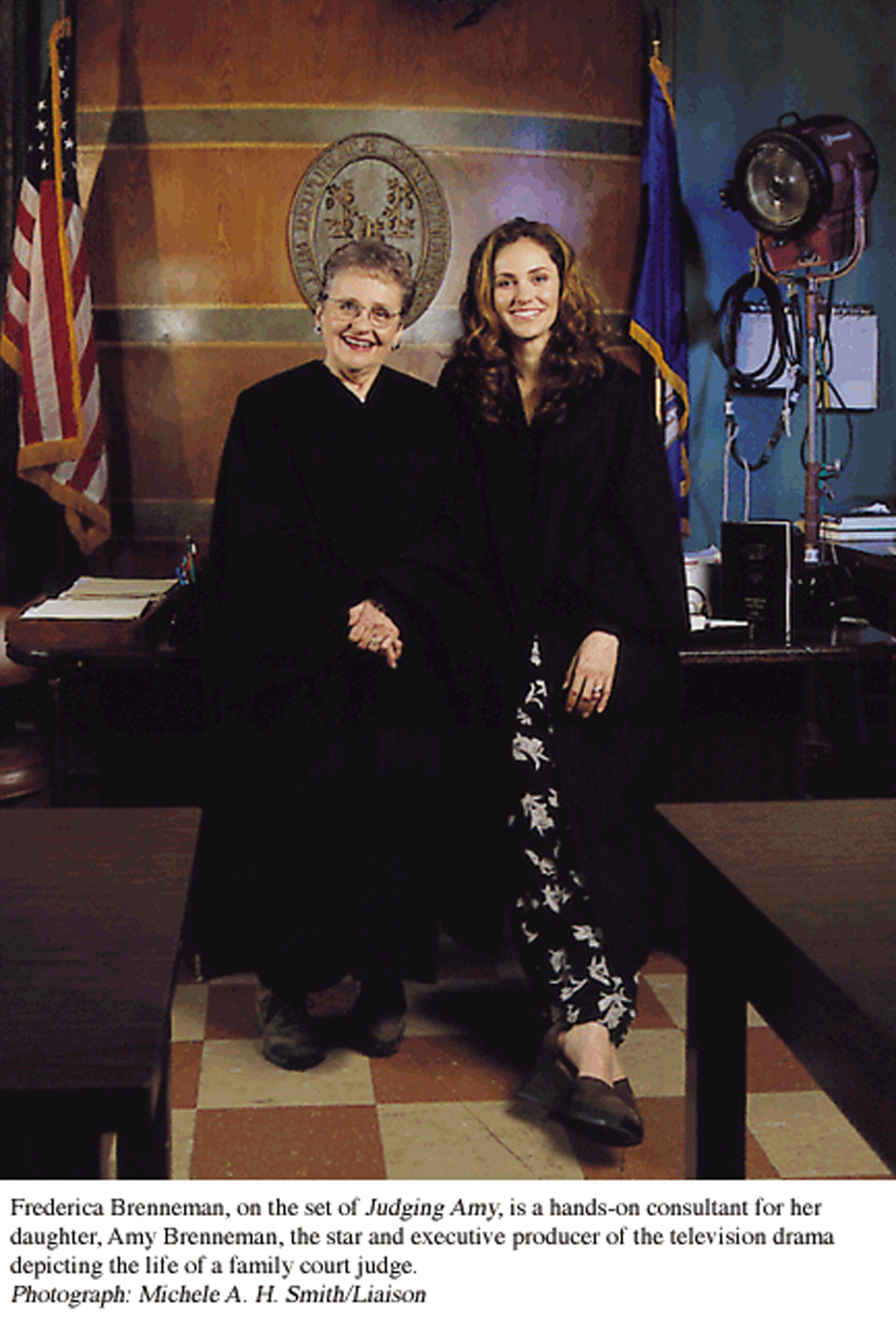
Charlotte Tucker, the daughter of actress Amy Brenneman and director Brad Silberling, has stepped into the spotlight not as a traditional child star, but as a powerful symbol of neurodiversity and inclusion. Born with Phelan-McDermid Syndrome, Charlotte’s life and her family’s public journey have redefined how disability is perceived in Hollywood and beyond, focusing on the transformative power of inclusive education and the creative arts.
The Family Foundation: Amy Brenneman and Brad Silberling
To understand Charlotte Tucker’s place in the public eye, one must first understand the family dynamic into which she was born. Amy Brenneman is a household name, known for her seminal roles in NYPD Blue, Private Practice, and her long-running series Judging Amy. Her husband, Brad Silberling, is an accomplished director whose credits include City of Angels, Casper, and Lemony Snicket's A Series of Unfortunate Events.
When Charlotte was born in 2001, the couple occupied a central space in the entertainment industry. However, the birth of their daughter brought a shift in priorities and a new mission. From the beginning, Brenneman and Silberling decided that their daughter’s disability would not be a source of shame or a secret to be guarded. Instead, it became a central part of their public identity. By 2026, their decades-long commitment to visibility has made them leaders in the advocacy community, using their platforms to discuss the realities of raising a child with significant developmental challenges while maintaining a high-profile career.
Understanding the Diagnosis: Phelan-McDermid Syndrome
The core of Charlotte Tucker’s journey is her diagnosis of Phelan-McDermid Syndrome (PMS), also known as 22q13 deletion syndrome. This is a rare genetic condition caused by the loss of the terminal end of the long arm of chromosome 22 or a mutation in the SHANK3 gene.
Clinical Characteristics of PMS
The symptoms of Phelan-McDermid Syndrome are wide-ranging and vary significantly between individuals. For Charlotte, as for many others with the condition, the primary manifestations include:
- Neonatal Hypotonia: Low muscle tone from birth, which often delays motor milestones like sitting, crawling, and walking.
- Global Developmental Delay: Slower acquisition of cognitive and physical skills.
- Speech Delays: Many individuals with PMS remain non-verbal or have significantly limited functional speech.
- Intellectual Disability: Cognitive challenges that require specialized educational and vocational support.
- Sensory Processing Issues: Over- or under-sensitivity to light, sound, and touch.
By discussing these technical aspects of Charlotte’s health, Amy Brenneman has helped demystify a condition that was once virtually unknown to the general public. Research into the SHANK3 gene has accelerated significantly by 2026, with the Phelan-McDermid Syndrome Foundation leading the way in connecting families and funding genomic studies.
Moving Beyond Privacy to Visibility
For many celebrity families, a disability diagnosis leads to a retreat from the public eye. Amy Brenneman took the opposite approach. She began writing and speaking about "The Big Story"—her term for the unfolding narrative of Charlotte’s life. Through essays, interviews, and social media, she has documented the "mundane and the miraculous" moments of neurodivergent parenting.
The Philosophy of Radical Inclusion
The decision to put Charlotte "in the spotlight" was a deliberate choice for radical inclusion. This philosophy posits that people with disabilities should not just be "tolerated" in the margins of society but should be central participants in all aspects of community life.
Brenneman has frequently shared photos and stories of Charlotte’s milestones, such as attending prom, participating in dance recitals, and graduating from high school. These images serve a dual purpose: they celebrate Charlotte’s individual achievements and provide a roadmap for other parents who may feel isolated by a similar diagnosis. In the spotlight, Charlotte is seen not as a "patient" or a "tragedy," but as a young woman with a full, vibrant life.
The Pillar of Success: The CHIME Institute
A major component of Charlotte’s journey that has been highlighted in the spotlight is her education. Brenneman and Silberling were instrumental in supporting the CHIME Institute, located in California. CHIME is a national leader in the development and implementation of inclusive education.
How Inclusive Education Works
Unlike traditional special education programs that segregate students with disabilities into separate classrooms, the CHIME model places students like Charlotte in general education classrooms alongside their typically developing peers. This approach is supported by decades of research suggesting that:
- Peer Modeling: Students with developmental delays benefit from observing the social and linguistic behaviors of their neurotypical peers.
- Social Integration: It fosters empathy and understanding among neurotypical students, reducing the stigma associated with disability from a young age.
- High Expectations: Teachers in inclusive settings tend to maintain higher academic and social expectations for students with disabilities compared to segregated settings.
Charlotte’s success at CHIME became a proof-of-concept for the Brenneman-Silberling family’s advocacy. It demonstrated that with the right support—such as one-on-one aides and modified curricula—students with significant cognitive challenges can thrive in a mainstream environment.
Creative Expression and the Arts
Despite her verbal limitations, Charlotte has found a powerful voice through the arts. This has been a recurring theme in the public narrative surrounding her. Both Amy and Brad have emphasized that while Charlotte may process information differently, her emotional intelligence and artistic instincts are profound.
Charlotte has been involved in several creative outlets:
- Dance: Dance has provided a way for Charlotte to express her physicality and connect with others without the need for spoken language. Her performances have been shared by her mother as a testament to the joy found in movement.
- Theater: Growing up in a family of storytellers, Charlotte has been a frequent presence on film sets and backstage. She has participated in inclusive theater programs that adapt scripts to accommodate different learning styles.
- Visual Arts: The use of art as a therapeutic and expressive tool has been a constant in her life, helping her navigate the sensory challenges of Phelan-McDermid Syndrome.
Life as a Young Adult in 2026
As of 2026, Charlotte Tucker is 25 years old. The conversation around her has shifted from "inclusive schooling" to the challenges of adult transition. This is a critical period for individuals with developmental disabilities, often referred to as "falling off the cliff," as the legal mandates for school-based services end at age 22.
Navigating Adulthood
The spotlight on Charlotte now focuses on how she navigates her mid-20s. This includes:
- Supported Living: Exploring models where neurodivergent adults can live with varying degrees of independence while receiving the care they need.
- Vocational Engagement: Finding meaningful ways to contribute to the community through work or volunteerism that aligns with her interests and abilities.
- Continued Advocacy: Charlotte herself has become an advocate by her mere presence. In 2026, she often accompanies her mother to events for the Phelan-McDermid Syndrome Foundation, representing the "adult face" of the condition.
Lessons for Other Families
The Brenneman-Silberling family has utilized the spotlight to offer practical guidance for other families. Their transparency has created a sense of community for those who feel the "celebrity life" is worlds away from the reality of doctor appointments and IEP (Individualized Education Program) meetings.
| Advocacy Focus | Key Action/Lesson | Impact on the Community |
|---|---|---|
| Visibility | Refusing to hide the disability in public settings. | Reduces social stigma and isolation for families. |
| Education | Championing the CHIME Institute’s inclusion model. | Provides a blueprint for school districts nationwide. |
| Medical Awareness | Partnering with the Phelan-McDermid Syndrome Foundation. | Increases funding for SHANK3 gene research and clinical trials. |
| Transition Services | Highlighting the need for adult support systems post-age 22. | Calls attention to the "service cliff" in disability policy. |
| Arts Integration | Prioritizing creative outlets over purely clinical therapy. | Emphasizes the personhood and joy of the individual. |
The Impact of "Judging Amy" on Real-Life Advocacy
There is a fascinating parallel between Amy Brenneman’s professional work and her life with Charlotte. In Judging Amy, Brenneman played a family court judge dealing with the complexities of social services and child welfare. Fans of the show often found a deep resonance between the empathy her character displayed on screen and the advocacy she practiced in her personal life.
Brenneman has noted that her experience with Charlotte made her a more nuanced actress. The frustration of navigating insurance companies, the exhaustion of advocacy, and the pure delight of a small breakthrough were all emotions she could draw upon. This authenticity is a major reason why her voice carries so much weight in the neurodiversity movement in 2026.
Frequently Asked Questions
What is the specific diagnosis of Amy Brenneman’s daughter?
Charlotte Tucker was diagnosed with Phelan-McDermid Syndrome (PMS), a rare genetic condition involving the deletion or mutation of the 22q13 section of chromosome 22. This typically results in developmental delays, intellectual disability, and speech challenges.
Does Charlotte Tucker have any siblings?
Yes, Charlotte has a younger brother, Bodhi Russell Silberling, born in 2005. The family has often spoken about the "typical" sibling relationship they share and how Bodhi has grown up as a natural advocate for his sister and the broader disability community.
How has Amy Brenneman contributed to disability advocacy?
Amy Brenneman has contributed through public speaking, writing, and board service. She is a long-time supporter of the CHIME Institute and the Phelan-McDermid Syndrome Foundation. She uses her social media presence to share the "lived experience" of parenting a child with a disability to normalize and humanize the journey.
Is Phelan-McDermid Syndrome hereditary?
In most cases, including Charlotte’s, the chromosomal deletion occurs de novo, meaning it is a spontaneous mutation that happens at the time of conception and is not inherited from the parents. However, genetic counseling is always recommended for families to understand their specific situation.
Where can I find more information about the inclusion model Amy Brenneman supports?
The CHIME Institute is the primary source for the inclusion model the family supports. They provide resources for educators and parents on how to implement "Universal Design for Learning" (UDL) and inclusive classroom strategies.
Practical Recommendation for Readers
If you are a parent, educator, or advocate looking to follow the path of inclusion modeled by the Brenneman-Silberling family, the first step is to prioritize connection over correction. Much of Charlotte’s journey in the spotlight highlights that her quality of life is driven by her social connections and creative outlets, rather than just her clinical progress.
Next Actions:
- Educate yourself on Neurodiversity: Read books like NeuroTribes by Steve Silberman to understand the broader context of the movement Charlotte represents.
- Support Inclusive Organizations: Consider donating to or volunteering with the Phelan-McDermid Syndrome Foundation or local inclusive arts programs.
- Advocate for Local Inclusion: If you are a parent of a neurotypical child, speak up in your school district in favor of inclusive classrooms. Inclusion benefits all children by fostering a more empathetic and diverse learning environment.
- Follow the Journey: Stay updated on Amy Brenneman’s public writings and interviews, as she continues to provide honest, updated insights into the world of adult disability services in 2026.