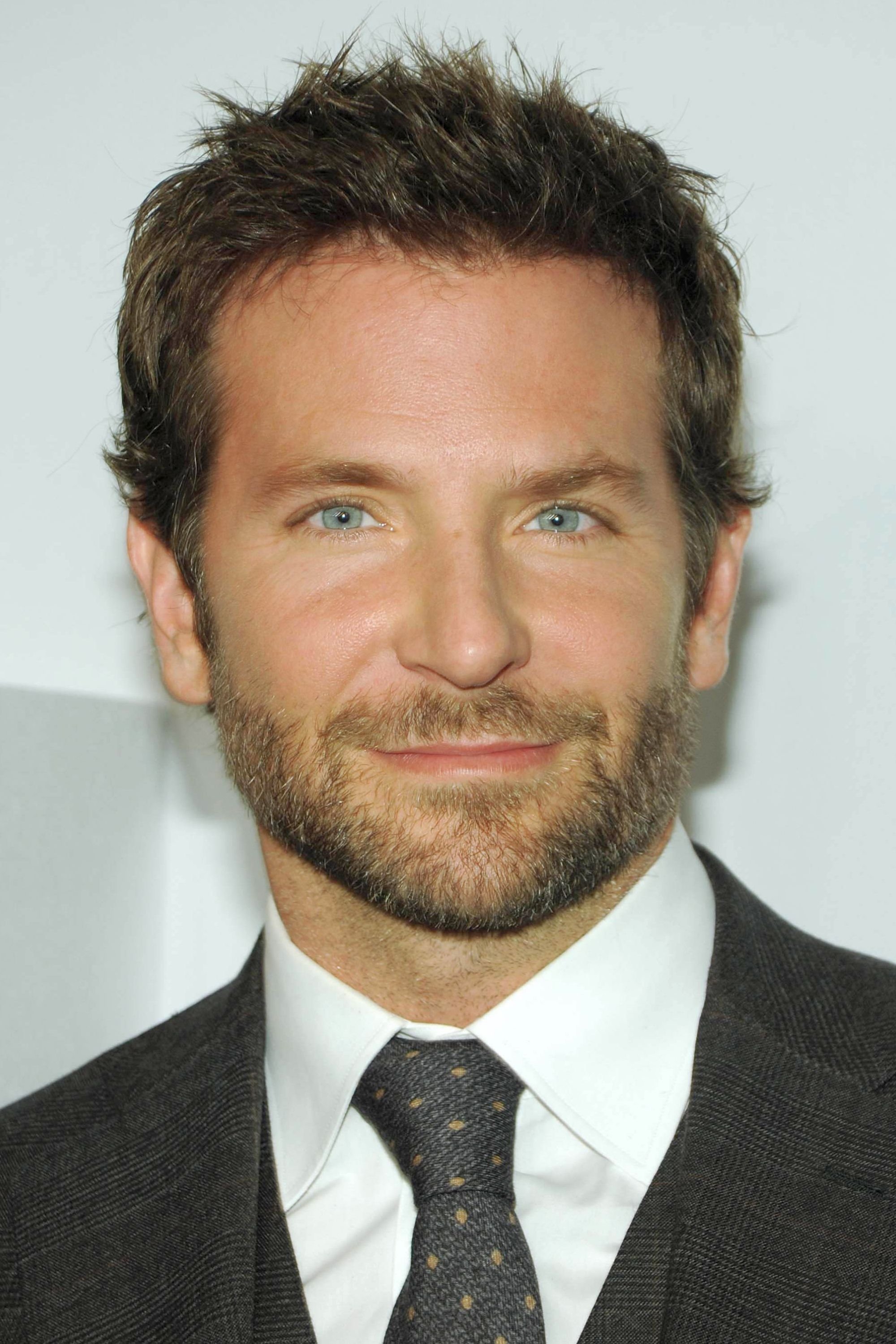
The use of toupees, hair systems, and custom theatrical hairpieces by Hollywood actors remains an open secret in the entertainment industry, bridging the gap between natural aging and the immutable aesthetic demands of the silver screen. Far from simple comical props, modern cinematic hair replacement involves advanced lace-front engineering, medical-grade bonding adhesives, and specialized styling designed to withstand high-definition cameras, complex stunt choreography, and intense studio lighting without detection.
The Evolution of Hollywood Hair Systems: From Theatrical Wigs to Advanced Lace Fronts
The practice of augmenting or replacing thinning hair in cinema dates back to the earliest days of silent film. Early theatrical hairpieces were heavy, constructed on thick canvas or net foundations, and heavily reliant on spirit gum or basic adhesives. These legacy pieces were prone to shifting under hot studio lights and lacked the transparency required for close-up cinematography.
As motion picture technology advanced—transitioning from black-and-white celluloid to color film, and eventually to ultra-high-definition digital sensors—the craftsmanship of Hollywood hairpieces underwent a parallel revolution. Modern hair systems utilize ultra-fine Swiss lace or injected skin bases that mimic the human scalp with remarkable precision. Individual human hairs are hand-tied into the base at exact angles to replicate natural growth patterns, including a convincing hairline complete with natural irregularities and baby hairs.
This technological leap transformed how actors, casting directors, and makeup departments approach hair loss. Instead of relying on awkward comb-overs or restrictive camera angles, performers can utilize custom hair systems that integrate seamlessly with their remaining native hair. The focus shifted from concealment to seamless illusion, allowing actors to maintain a consistent visual continuity across multiple scenes, television seasons, or multi-picture franchises.
Distinguishing Fact from Speculation: Documented Cases and Industry Openness
Discussions surrounding actors with toupees in Hollywood often blur the line between verified industry reporting, reliable biographical accounts, and persistent internet speculation. While fan communities and tabloid publications frequently scrutinize the hairlines of aging leading men, distinguishing between natural aging, surgical hair restoration, and non-surgical hair systems requires examining verified industry practices.
Many legendary stars from the Golden Age of Hollywood, such as Humphrey Bogart, Frank Sinatra, and John Wayne, routinely utilized custom hairpieces to maintain their box-office personas as leading men. In contemporary cinema, the stigma surrounding hair systems has gradually diminished, with several prominent performers and industry insiders speaking openly about the maintenance of cinematic appearance.
| Actor Era | Common Hairpiece Technology | Industry Transparency | Primary Technical Challenge |
|---|---|---|---|
| Golden Age (1930s–1950s) | Canvas bases, heavy lace, spirit gum | Highly confidential, guarded by studios | Studio lighting glare, heat displacement |
| Transitional Era (1960s–1990s) | Monofilament meshes, early synthetic blends | Tabloid speculation, public denial | Visibility in color film, rigid hairlines |
| Modern Era (2000s–Present) | Swiss lace, injected skin, medical bonding | Increasingly normalized, professional maintenance | High-definition camera resolution, sweat endurance |
Understanding this historical progression clarifies why modern audiences rarely spot a poorly fitted piece on major studio releases. Today's productions employ dedicated personal hair department heads whose sole responsibility is the upkeep, application, and blending of custom hair systems during shooting schedules.
The Engineering and Maintenance of Cinematic Hair Systems
A modern Hollywood-grade hair system is a high-maintenance piece of wearable technology designed to withstand the physical rigors of filmmaking. Unlike off-the-shelf consumer hairpieces, professional units are custom-molded to the actor's exact scalp topography, ensuring a flush fit that eliminates lifting at the edges.
Materials and Construction
- Base Materials: Swiss lace offers the most natural-looking hairline transparency, while polyurethane (skin) bases provide superior durability and a realistic scalp appearance under harsh lighting.
- Hair Quality: Ethically sourced, unprocessed European or Indian human hair is utilized to match the actor's exact color, texture, wave pattern, and gray-blending requirements.
- Ventilation: Hand-tied knotting techniques ensure that hair moves freely in response to wind, physical motion, and styling products.
Application Protocols and Stunt Durability
Applying a professional hair system requires specialized medical-grade liquid adhesives or hypoallergenic double-sided tapes. For actors performing strenuous action sequences or working in humid outdoor environments, heavy-duty waterproof bonds prevent displacement. Makeup and hair supervisors utilize specialized solvents for daily removal, scalp cleansing, and reapplication, ensuring skin health over months of continuous filming.
Navigating the Stigma: Hair Loss in the Public Eye
The psychological and professional pressures surrounding hair loss in Hollywood are unique. Because visual presentation directly influences casting opportunities—particularly for romantic leads or dynamic action heroes—maintaining a youthful appearance can be a commercial necessity.
While some performers opt for surgical interventions such as follicular unit extraction (FUE) or follicular unit transplantation (FUT), surgical options have limitations. For actors with advanced pattern baldness, surgical density may be insufficient to meet the demands of high-definition film production, making non-surgical hair systems the preferred, versatile choice. The growing normalization of grooming maintenance in the entertainment industry has reframed hair systems not as a sign of insecurity, but as a professional cosmetic tool comparable to professional makeup, dental veneers, or physical conditioning.
Frequently Asked Questions
Do Hollywood actors wear toupees in every film?
Not all actors wear hairpieces, and many embrace natural thinning or complete baldness as part of their brand. However, hair systems are frequently utilized when script continuity requires an actor to maintain a specific hairstyle across different filming blocks, or when a character requires a distinct look that differs from the actor's current native hair state.
How do modern hairpieces stay secure during action scenes?
Modern systems are attached using medical-grade acrylic or silicone adhesives that bond the lace or skin base directly to the scalp. These bonds are sweat-resistant and engineered to hold firm under high physical exertion, wind machines, and water stunts.
Can high-definition cameras detect a professional Hollywood hair system?
When applied and maintained correctly by professional hair stylists, high-end hair systems are virtually undetectable, even in 4K and 8K cinematic formats. The use of graduated, single-hair knotted Swiss lace creates an illusion of hair growing directly out of the skin.
Are toupees different from medical hair systems?
While both serve the function of hair replacement, medical hair systems are often designed for individuals experiencing hair loss due to medical treatments like chemotherapy or alopecia, whereas cinematic systems are engineered specifically for camera performance, lighting endurance, and rapid styling changes.
Do actors sleep and shower in their hair systems?
While some semi-permanent bonding methods allow for short-term wear spanning several days or weeks—including light swimming and showering—most professional actors remove, clean, and reapply their systems regularly to maintain scalp hygiene and preserve the lifespan of the hairpiece.
Conclusion and Industry Outlook
The use of toupees and advanced hair systems in Hollywood remains an essential craft within cinematic production. Far from deceptive gimmicks, these custom hairpieces represent a sophisticated intersection of cosmetology, engineering, and art direction. As camera resolutions continue to advance, the technology behind cinematic hair replacement will evolve correspondingly, ensuring that performers can maintain their desired on-screen appearance with absolute confidence.