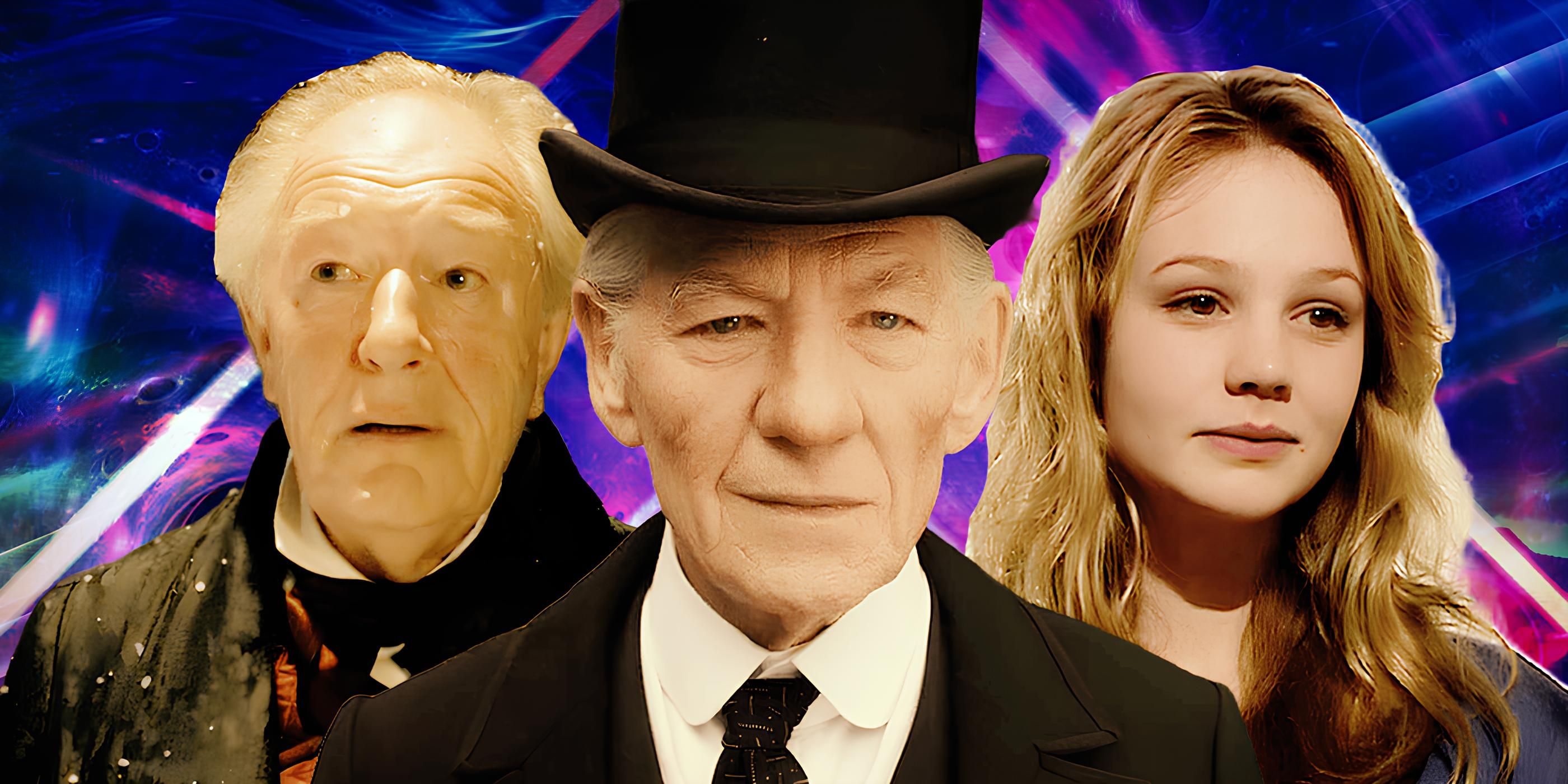
The title role of the Doctor in the long-running British science fiction television series Doctor Who has been portrayed by a diverse lineage of actors since the show's inception in 1963. Due to the character's unique biological ability to regenerate when fatally injured, the series has continuously reinvented itself by casting a succession of different performers, each bringing distinct interpretations, comedic timing, dramatic weight, and cultural resonance to the iconic Time Lord.
The Genesis of Regeneration: Classic Era Doctors (1963–1989)
The classic era of Doctor Who established the foundational lore of the series, introducing the concept that the Doctor is an alien time traveler from the planet Gallifrey who travels through space and time in a sentient ship called the TARDIS. When the original lead actor's health began to fail, the production team devised the mechanism of regeneration, allowing a seamless transition to a new actor playing the same character.
William Hartnell (The First Doctor, 1963–1966)
As the inaugural actor to play the role, William Hartnell established the template for the Doctor. Initially portrayed as a cranky, secretive, and frail-looking elderly man traveling with his granddaughter and her school teachers, the First Doctor gradually evolved into a warmer, deeply heroic figure. Hartnell's tenure grounded the science fiction concepts in character-driven drama, creating the initial mythology of the Daleks and the TARDIS.
Patrick Troughton (The Second Doctor, 1966–1969)
Patrick Troughton revolutionized the series by introducing the concept of regeneration, proving the show could survive a complete change of lead actor. Troughton played the Second Doctor as a "Cosmic Hobo"—eccentric, disheveled, and seemingly bumbling, yet possessing a sharp intellect and underlying steel that outwitted his enemies. His era expanded the show's universe by introducing the Time Lords and the Sonic Screwdriver.
Jon Pertwee (The Third Doctor, 1970–1974)
With the series transitioning to color and widescreen broadcasting, Jon Pertwee brought a physical, action-oriented dynamism to the role. Exiled to Earth and working with the military organization UNIT, the Third Doctor was a suave, scientific dandy who drove vintage cars, practiced Venusian aikido, and engaged in direct conflicts with the Master and various alien invasions.
Tom Baker (The Fourth Doctor, 1974–1981)
Tom Baker remains one of the most recognizable and longest-serving actors to play the role. With his bohemian attire, trademark multi-colored scarf, and bag of jelly babies, Baker infused the Fourth Doctor with a mercurial blend of alien detachment, whimsical humor, and profound gravity. His tenure achieved unprecedented viewing figures and defined the aesthetic of classic Doctor Who for generations of fans.
Peter Davison (The Fifth Doctor, 1982–1984)
Stepping into the role at a remarkably young age, Peter Davison portrayed the Fifth Doctor as a sensitive, vulnerable, and understated figure. Wearing an Edwardian cricketer's outfit, this iteration relied on diplomacy and teamwork rather than commanding authority, dealing with complex moral dilemmas and the tragic loss of companions.
Colin Baker (The Sixth Doctor, 1984–1986)
Colin Baker played the Sixth Doctor as a volatile, arrogant, and theatrical eccentric clad in a notoriously garish, multi-colored patchwork coat. Although his television tenure faced production hurdles and temporary hiatuses, the characterization underwent significant depth-exploration in subsequent audio dramas and literature.
Sylvester McCoy (The Seventh Doctor, 1987–1989)
Sylvester McCoy initially portrayed the Seventh Doctor with slapstick comedy and spoon-playing quirks before steering the series into a much darker, manipulative mystery. Beneath his cheerful exterior, this Doctor orchestrated cosmic events, hinting at hidden depths and ancient origins just as the original classic series drew to a close.
Wilderness Years, Television Movies, and the Modern Revival (1996–2017)
Following the cancellation of the regular series in 1989, Doctor Who survived through novels, audio productions, and a landmark 1996 television film before returning to weekly television in 2005 under the guidance of showrunner Russell T Davies.
Paul McGann (The Eighth Doctor, 1996)
Paul McGann starred as the Eighth Doctor in a transatlantic co-production television movie intended to relaunch the franchise. Despite the series not being immediately picked up for a full run, McGann's romantic, Edwardian-styled hero became a fan favorite through an extensive run of audio adventures by Big Finish Productions and a special 2013 mini-episode.
Christopher Eccleston (The Ninth Doctor, 2005)
Christopher Eccleston spearheaded the triumphant 2005 revival of Doctor Who, bringing a modern, gritty intensity to the character. Playing a leather-jacket-clad survivor of the devastating Time War, Eccleston balanced brooding trauma with northern charm and infectious enthusiasm, successfully introducing the franchise to a new global audience.
David Tennant (The Tenth Doctor, 2005–2010)
David Tennant cemented the modern popularity of the series with his energetic, charismatic, and emotionally charged portrayal of the Tenth Doctor. Sporting a pinstriped suit and Converse sneakers, Tennant balanced joyful exuberance with devastating heartbreak, culminating in memorable specials that bridged the classic and modern eras. He later returned for the 60th-anniversary specials in 2023 as the Fourteenth Doctor.
Matt Smith (The Eleventh Doctor, 2010–2013)
Cast at the age of 26, Matt Smith became the youngest actor to lead the series. He played the Eleventh Doctor with an old soul trapped in a youthful body, utilizing a tweed jacket, bow tie, and childlike wonder to mask an ancient, fierce protector. His era coincided with the global 50th-anniversary celebrations in 2013.
Peter Capaldi (The Twelfth Doctor, 2014–2017)
Peter Capaldi brought a mature, rock-and-roll aesthetic to the role, portraying the Twelfth Doctor as an older, initially abrasive figure struggling to understand his own identity and morality. His tenure emphasized philosophical introspection, mentorship, and extraordinary dramatic performances.
Contemporary Era and New Horizons (2018–Present)
As the series evolved into the late 2010s and 2020s, casting decisions continued to push creative boundaries, welcoming new demographics and innovative storytelling structures under returning showrunners.
Jodie Whittaker (The Thirteenth Doctor, 2018–2022)
Jodie Whittaker made history as the first woman to be cast as the primary lead in the television series. Playing the Thirteenth Doctor with a vibrant, rainbow-striped coat and boundless empathetic energy, Whittaker's iteration emphasized pacifism, teamwork, and historical exploration.
Ncuti Gatwa (The Fifteenth Doctor, 2023–Present)
Ncuti Gatwa took over the helm following the 2023 anniversary specials, starring as the Fifteenth Doctor. His era, produced in partnership with Disney Branded Television, emphasizes high-energy theatricality, emotional openness, dynamic musical sequences, and expansive cosmic adventures across time and space.
| Actor | Tenure Years | Era | Defining Visual Style |
|---|---|---|---|
| William Hartnell | 1963–1966 | Classic | Edwardian frock coat and scarf |
| Patrick Troughton | 1966–1969 | Classic | Baggy trousers, bow tie, and recorder |
| Jon Pertwee | 1970–1974 | Classic | Velvet smoking jacket, cape, and frilled shirt |
| Tom Baker | 1974–1981 | Classic | Long multi-colored scarf and wide-brimmed hat |
| Peter Davison | 1982–1984 | Classic | Edwardian cricketer outfit with celery stalk |
| Colin Baker | 1984–1986 | Classic | Multi-colored patchwork coat |
| Sylvester McCoy | 1987–1989 | Classic | Anorak, question-mark sweater, and umbrella |
| Paul McGann | 1996 | Wilderness | Velvet Victorian frock coat |
| Christopher Eccleston | 2005 | Modern | Black leather jacket and dark trousers |
| David Tennant | 2005–2010, 2023 | Modern | Pinstriped suit and Converse sneakers |
| Matt Smith | 2010–2013 | Modern | Tweed jacket, bow tie, and fez |
| Peter Capaldi | 2014–2017 | Modern | Velvet coat, hoodie, and Doc Martens |
| Jodie Whittaker | 2018–2022 | Modern | Rainbow-striped coat and cropped trousers |
| Ncuti Gatwa | 2023–Present | Contemporary | 1970s-inspired patterned shirts and tailored suits |
Frequently Asked Questions
Who was the very first actor to play Doctor Who?
William Hartnell was the first actor to play the Doctor, beginning his tenure when the series premiered on BBC television in November 1963. Although the show is titled Doctor Who, the character is traditionally referred to simply as "the Doctor," with Hartnell establishing the foundational traits of the eccentric time traveler.
How many actors have officially played the Doctor?
Fifteen main actors have played the numbered incarnations of the Doctor in the television series, from William Hartnell to Ncuti Gatwa. This count does not include special one-off guest actors who played alternative iterations, such as John Hurt as the War Doctor, or various actors who voiced or cameoed as the character in special anniversary broadcasts.
Why do the actors change so frequently?
The frequent change of lead actors is built directly into the science fiction premise of the show through the biological process of regeneration. When a Time Lord's body is fatally injured or wears out of old age, they undergo a cellular transformation that heals their body, changes their physical appearance, and slightly alters their personality, allowing the television series to continually refresh its creative direction.
Did any actors return to play the Doctor after leaving the show?
Several actors have returned to reprise their roles in anniversary specials and multi-Doctor stories. Notable returns include Patrick Troughton, Jon Pertwee, and Tom Baker coming back for classic anniversary specials like The Three Doctors (1973) and The Five Doctors (1983). In the modern era, David Tennant returned for the 50th anniversary in 2013 and again as the Fourteenth Doctor in 2023, while various other former leads have participated in audio dramas.
Who is the longest-serving Doctor?
Tom Baker holds the record for the longest continuous run on television as the Fourth Doctor, playing the role for seven consecutive years from 1974 to 1981. His tenure spanned 172 episodes across seven seasons, making him the definitive face of the classic television era for millions of viewers worldwide.
Next Actions for Fans
For enthusiasts looking to explore the rich history of the actors who played Doctor Who, the best starting point is to sample key introductory stories from different eras. Viewers can watch classic serials via dedicated streaming services like BritBox or physical media releases, while modern episodes are widely accessible on platforms such as BBC iPlayer in the UK and international streaming partners globally. Researching specific audio dramas by Big Finish Productions can also uncover expanded adventures featuring actors from the classic and wilderness eras.