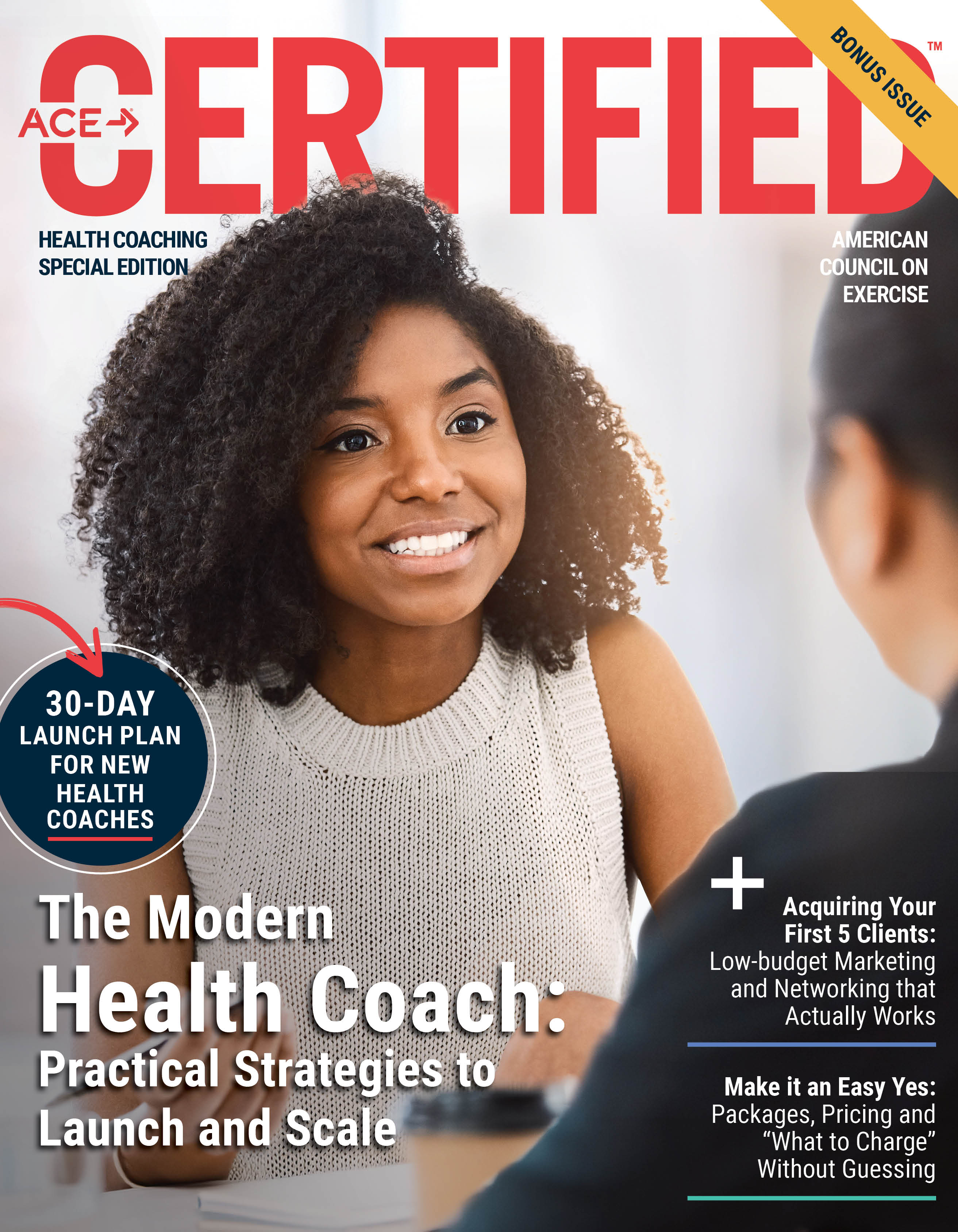
The ACE Nutrition Coach certification is a specialized credential offered by the American Council on Exercise (ACE) designed to equip health and fitness professionals with the evidence-based knowledge required to provide nutritional guidance, behavior change support, and actionable wellness strategies. It serves as a bridge for trainers and health coaches looking to integrate dietary coaching within their scope of practice, focusing on sustainable habit formation rather than restrictive medical nutrition therapy.
Understanding the Role of an ACE Nutrition Coach
In the evolving landscape of 2026, the distinction between a licensed dietitian and a nutrition coach is clearer than ever. An ACE Nutrition Coach operates within a specific professional framework. Their primary goal is to empower clients to make healthier food choices through behavioral psychology and habit-based coaching. Unlike Registered Dietitians (RDs), who are clinically trained to provide medical nutrition therapy for disease states, ACE-certified professionals focus on the "how" and "why" of eating behavior.
The ACE curriculum emphasizes the "Client-Centered" approach. This means the coach does not act as a prescriptive authority dictating specific meal plans or macros unless they possess additional clinical licensure. Instead, they act as an accountability partner and educational resource, helping clients navigate the complexities of modern food environments, identify emotional triggers, and establish consistent, long-term dietary patterns.
Prerequisites and Eligibility Requirements
Before pursuing the ACE Nutrition Coach program, it is essential to understand the eligibility criteria. ACE maintains an inclusive policy regarding entry-level requirements, making the certification accessible to a wide variety of wellness professionals.
- Educational Foundation: Candidates must be at least 18 years of age.
- Identification: A valid government-issued photo ID is required for examination registration.
- CPR/AED Certification: While not strictly required for enrollment in the study program, you must hold a current adult CPR/AED certification from a recognized provider to sit for the final examination. This reflects the reality that nutrition coaching often overlaps with fitness environments where safety protocols are paramount.
- Professional Background: While there are no hard requirements regarding prior degrees in nutrition or exercise science, the certification is designed to complement existing roles in personal training, group fitness, or health coaching.
The ACE Nutrition Coach Curriculum
The study materials are structured to provide a comprehensive understanding of human metabolism, behavioral change models, and practical application. The curriculum is divided into several core pillars:
1. Fundamentals of Human Nutrition
This section covers macronutrients (proteins, carbohydrates, and fats) and micronutrients (vitamins and minerals). The goal is to demystify complex biochemical processes so that coaches can explain the physiological impact of food choices in simple, client-friendly terms.
2. Behavioral Change Psychology
Perhaps the most distinctive element of the ACE approach is its focus on the "why." Coaches learn to utilize motivational interviewing techniques, which are evidence-based methods for resolving client ambivalence. This is critical for helping clients move from the "pre-contemplation" stage of change to the "action" and "maintenance" stages.
3. Ethical and Legal Boundaries
A significant portion of the coursework is dedicated to the legal scope of practice. Coaches are taught how to recognize the red flags that indicate a client needs to be referred to a doctor or a Registered Dietitian. This training protects both the professional and the client.
Comparison: ACE Nutrition Coach vs. Other Credentials
Choosing the right certification can be difficult. The following table provides a high-level comparison between the ACE Nutrition Coach and other common industry paths.
| Feature | ACE Nutrition Coach | Registered Dietitian (RD) | Certified Personal Trainer |
|---|---|---|---|
| Primary Focus | Habit & Behavior Change | Medical Nutrition Therapy | Exercise & Physical Performance |
| Prerequisites | 18+, CPR/AED | Bachelor's/Master's Degree | 18+, CPR/AED |
| Scope | General Healthy Populations | Clinical/Disease Populations | Exercise Prescription |
| Duration | 3–6 Months (Self-Paced) | 4–6 Years + Internship | 2–4 Months |
| Accreditation | NCCA | CDR/Commission on Dietetic Reg | NCCA |
Preparing for the Examination
The ACE Nutrition Coach exam is psychometrically validated, meaning it is designed to accurately measure professional competency. As of 2026, the examination consists of multiple-choice questions that test not only factual knowledge but the ability to apply that knowledge in real-world scenarios.
Study Strategies
Effective preparation involves more than memorizing definitions. Because the exam includes situational questions, you must be able to synthesize information. ACE provides a digital study platform that includes:
- Interactive Modules: These allow for self-paced learning with built-in knowledge checks.
- Practice Exams: Use these to simulate the testing environment. Pay close attention to the rationale provided for both correct and incorrect answers; this is where the most significant learning occurs.
- Application-Based Scenarios: Spend time practicing how you would handle specific "mock clients." For example, how would you respond if a client asks for a specific weight-loss pill recommendation? Knowing the answer—referring them to a medical professional—is as important as knowing the benefits of protein intake.
Navigating the Legal Scope of Practice
One of the most important aspects of being an ACE Nutrition Coach is the "Scope of Practice" document. In the United States and many other jurisdictions, the law strictly regulates who can provide "medical nutrition therapy."
An ACE-certified coach is prohibited from diagnosing eating disorders, prescribing diets to treat medical conditions (such as kidney disease or diabetes), or selling proprietary supplements. Operating outside of these boundaries can result in legal liability and the loss of certification. Always remember: the coach is a guide, not a clinician. If a client’s needs exceed the scope of general healthy living, your professional responsibility is to provide a referral to a licensed professional.
Career Opportunities and Integration
Once certified, many professionals find that the ACE Nutrition Coach credential allows them to expand their business in several ways:
- Integrated Wellness Packages: Trainers can move from selling just "sessions" to selling "packages" that include both personalized training and nutritional habit coaching.
- Corporate Wellness: Many organizations are looking for professionals who can provide guidance on energy, focus, and stress management through nutrition, rather than just fitness.
- Specialized Niche Coaching: You may choose to focus on specific demographics, such as busy professionals needing time-efficient healthy eating strategies, or active older adults looking to maintain muscle mass through adequate protein consumption.
Common Challenges and How to Overcome Them
New coaches often face the "information trap." You may be tempted to share every piece of nutritional science you learned during your certification. However, clients are usually overwhelmed by too much information.
The Solution: Adopt a "one small change" philosophy. Rather than providing a 50-page nutrition plan, identify one barrier—perhaps the client drinks too much soda—and focus on that one change for two weeks. This leads to higher rates of client retention and genuine, lasting behavior change.
Frequently Asked Questions
1. Is the ACE Nutrition Coach certification NCCA-accredited? Yes, the American Council on Exercise certification programs are accredited by the National Commission for Certifying Agencies (NCCA), which is the gold standard for professional certification programs in the health and fitness industry.
2. Can I call myself a nutritionist after getting this certification? Terminology varies by state and country. Always check your local jurisdiction's laws. In many places, the title "nutritionist" is not legally protected, but you must still be careful not to hold yourself out as a "Registered Dietitian" or a medical professional.
3. Does this certification expire? Yes, like most professional certifications, it requires renewal. You must maintain current CPR/AED certification and complete Continuing Education Credits (CECs) to stay active.
4. How long does it take to study for the ACE Nutrition Coach exam? On average, candidates spend between 80 to 100 hours of study time. Depending on your background, this typically translates to 3 to 6 months of part-time study.
5. What happens if I fail the exam? If you do not pass, ACE allows you to retake the exam for a fee. It is recommended that you review your score report to see which domains were your weakest before scheduling a retake.
Your Next Steps
To begin your journey toward becoming an ACE Nutrition Coach, visit the official ACE website to review the current enrollment packages. Evaluate your own schedule to set a firm examination date—this creates the necessary accountability. Once enrolled, focus on building your confidence in behavioral change communication, as this is the primary skill set that will distinguish you from the thousands of others offering generic "diet tips."