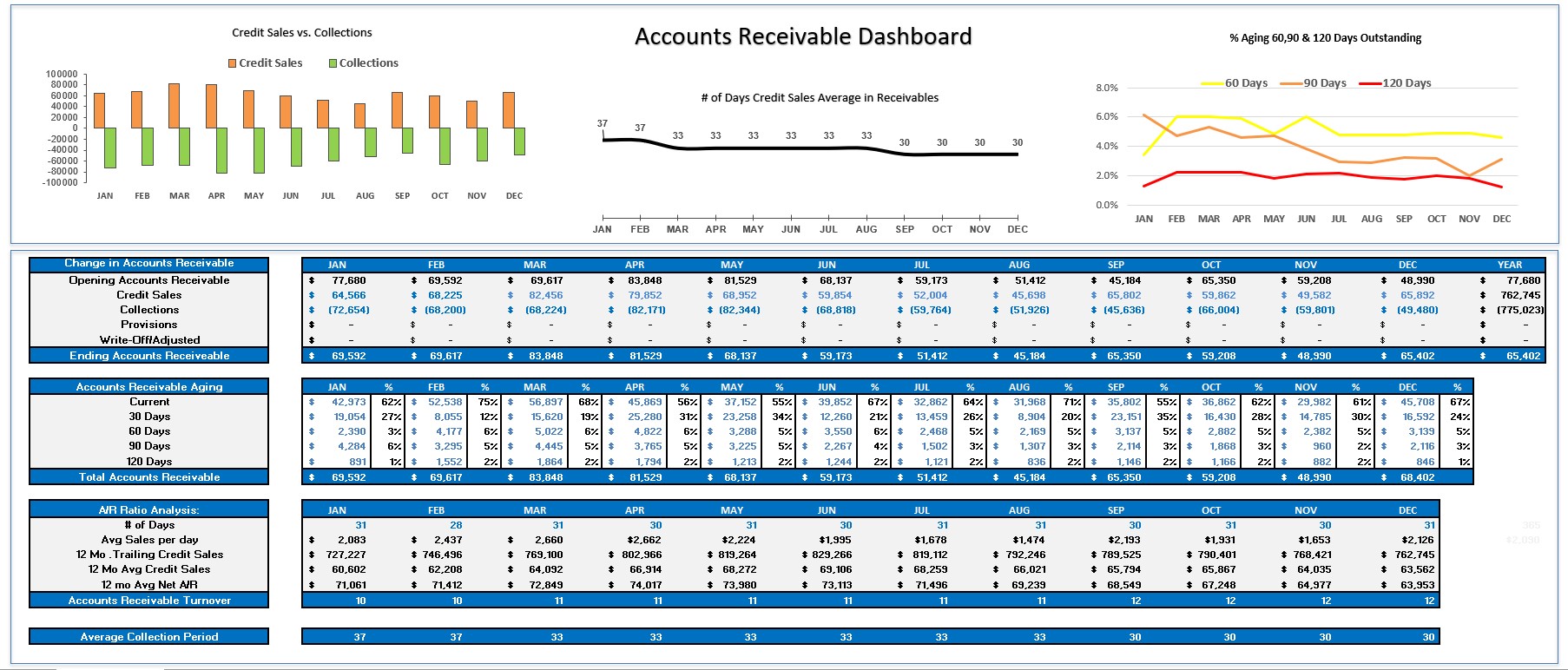
An Accounts Receivable Manager typically earns a base salary ranging from $75,000 to $115,000 annually in the United States as of 2026, though total compensation varies significantly based on organizational size, geographic location, industry sector, and the complexity of the credit and collections portfolio. This role requires a balance of financial oversight, strategic debt management, and team leadership to ensure company liquidity.
Defining the Role of an Accounts Receivable Manager
The Accounts Receivable (AR) Manager acts as a vital bridge between a company’s sales efforts and its actual cash inflow. While entry-level clerks focus on the day-to-day posting of payments, the manager oversees the entire lifecycle of the order-to-cash process. In a 2026 business environment where cash flow optimization is critical, the AR Manager’s primary responsibility is to minimize Days Sales Outstanding (DSO) while maintaining positive relationships with clients.
Core responsibilities include:
- Credit Risk Management: Evaluating the creditworthiness of new and existing clients to prevent bad debt write-offs.
- Collections Strategy: Designing systematic workflows for dunning cycles, disputes, and escalations.
- Strategic Reporting: Providing executive leadership with accurate aging reports, cash forecasting, and reconciliation summaries.
- Team Leadership: Mentoring staff, overseeing performance metrics, and implementing automated accounting software to streamline billing.
Compensation Drivers: Why Salaries Vary
When reviewing salary data, it is important to distinguish between national averages and localized reality. Compensation packages are rarely static and are determined by a combination of internal and external factors.
1. Industry Complexity
Industries with high-volume, low-margin transactions (such as retail or e-commerce) often demand high-speed automation expertise, whereas industries like B2B manufacturing or construction require deep knowledge of complex contract terms, lien waivers, and milestone-based billing. The latter often commands a higher salary due to the technical nature of the credit disputes involved.
2. Geographic Variance
Regional salary data reflects the cost of living and the concentration of corporate headquarters. Major financial hubs, including New York, San Francisco, and Chicago, consistently report figures at the higher end of the spectrum. Conversely, remote-first companies may offer salaries adjusted by a national median, which may be lower than in high-cost-of-living urban centers but provides a broader reach for hiring.
3. Company Size and Revenue Volume
An AR Manager at a small business may handle the collections process personally, whereas a manager at a Fortune 500 company acts as a department head overseeing multiple supervisors. Larger organizations often integrate complex ERP systems (such as SAP, Oracle NetSuite, or Microsoft Dynamics) and manage massive international portfolios, necessitating a salary that reflects both technical proficiency and high-level project management skills.
Compensation Benchmarking Table
The following table provides a general baseline for total cash compensation (base salary plus potential bonuses) based on experience levels. These figures reflect market trends for 2026 and should be viewed as estimates rather than fixed rates.
| Experience Level | Typical Salary Range (USD) | Primary Focus |
|---|---|---|
| Entry (2-4 years) | $65,000 – $80,000 | Operational oversight and daily workflow management. |
| Mid-Level (5-8 years) | $80,000 – $105,000 | Process improvement, cross-departmental strategy. |
| Senior/Lead (9+ years) | $105,000 – $135,000+ | Strategic credit policy, risk mitigation, global AR. |
Note: These figures do not include variable compensation such as profit-sharing, performance bonuses, or equity packages, which can add 5% to 15% to total annual earnings.
Prerequisites and Career Progression
The transition from an Accounts Receivable Specialist or Coordinator to an AR Manager requires more than just tenure. Hiring managers in 2026 prioritize candidates who can demonstrate mastery over modern financial technology.
- Educational Background: A Bachelor’s degree in Accounting, Finance, or Business Administration remains the industry standard. For positions in large-scale corporations, a CPA (Certified Public Accountant) or a CMA (Certified Management Accountant) designation can significantly increase salary bargaining power.
- Technical Proficiency: Beyond general accounting principles, familiarity with automated credit management platforms is essential. Expertise in implementing or optimizing automated dunning software, credit scoring models, and ERP system integrations is highly valued.
- Soft Skills: Because the role sits between customer service and firm financial enforcement, the ability to negotiate payment plans while preserving the client relationship is a high-value skill. Managers must be adept at internal diplomacy, explaining cash flow gaps to executive stakeholders without shifting blame to sales teams.
Operational Challenges Impacting Compensation
The salary of an AR Manager is often correlated with the difficulty of the collections environment. A manager who successfully reduces the company’s bad debt ratio by a significant percentage in a difficult economic climate is often positioned for higher bonuses and retention incentives.
- Dispute Resolution: In complex B2B environments, disputes regarding goods or services often delay payment. The AR Manager’s ability to resolve these disputes quickly—rather than simply "collecting"—is a primary driver of performance-based compensation.
- Compliance and Regulation: For companies operating globally, the AR Manager must navigate different international tax laws and financial regulations (such as SOX compliance in the U.S.). Ensuring that the AR department adheres to these strict standards reduces company liability and validates a higher salary bracket.
Common Mistakes in Salary Negotiation
When entering salary negotiations for an AR Manager position, candidates often focus exclusively on previous earnings rather than the value they bring to the organization’s bottom line.
- Ignoring the "Bottom Line" Impact: Instead of stating a salary expectation based on a previous job, frame the request around the ability to reduce DSO. A manager who can reduce DSO by 10 days can save the company millions in working capital costs; articulating this value proposition is a powerful negotiating tool.
- Overlooking Total Benefits: Always factor in non-monetary compensation. In 2026, flexible remote work policies, tuition reimbursement for certifications (like the Credit Business Associate or Certified Credit Executive), and robust healthcare packages are standard components of the total reward system.
- Failing to Research Internal Parity: Researching the compensation structure of the company’s other department heads can provide a reality check on whether the role is viewed as a cost center or a strategic business partner.
Frequently Asked Questions
How does certification affect an Accounts Receivable Manager’s salary? Certification, such as the CCE (Certified Credit Executive) offered by the National Association of Credit Management (NACM), provides formal recognition of expertise. Employers often view these certifications as evidence of a candidate's commitment to industry best practices, which can translate into a 5-10% salary premium compared to non-certified peers.
Is it common for AR Managers to receive performance bonuses? Yes. Because the AR Manager directly influences cash flow, many companies structure bonuses based on key performance indicators (KPIs) such as the reduction of average DSO, the decrease in the percentage of accounts over 90 days past due, and the overall accuracy of cash application.
How does remote work impact salary for this role? Remote work has expanded the talent pool, meaning managers in lower-cost areas may compete with candidates in high-cost hubs. While some companies apply geographic pay differentials, many now offer a national market rate regardless of location, provided the manager can perform all digital oversight tasks effectively.
What is the difference between an AR Manager and a Credit Manager? While the roles overlap, an AR Manager is typically more focused on the operational execution of receiving payments and managing disputes. A Credit Manager focuses more on the front-end risk assessment and the initial approval of credit terms. In many mid-sized firms, these roles are combined, which often justifies a salary at the higher end of the pay scale.
Should I expect my salary to increase annually? Annual merit increases are standard, typically ranging from 3% to 5% based on inflation and individual performance. However, significant salary jumps for this role usually occur when moving between organizations or moving from a management role into a Director-level position within a finance department.
Recommendations for Success
To maximize your earning potential as an Accounts Receivable Manager, focus on becoming a "technological asset." The industry is shifting away from manual entry toward fully automated, AI-driven reconciliation. If you can demonstrate that you have led the migration of a department to a modern, automated ERP system, you move from being an operational supervisor to a strategic project manager.
Next steps for career development include:
- Audit your current metrics: Document your impact on DSO and cash flow over the last 12 months.
- Evaluate your toolkit: Identify which industry-standard ERPs are most in demand for your sector and seek professional development training in those specific systems.
- Negotiate strategically: When discussing compensation, present your findings on company liquidity improvements as your primary case for salary adjustment.