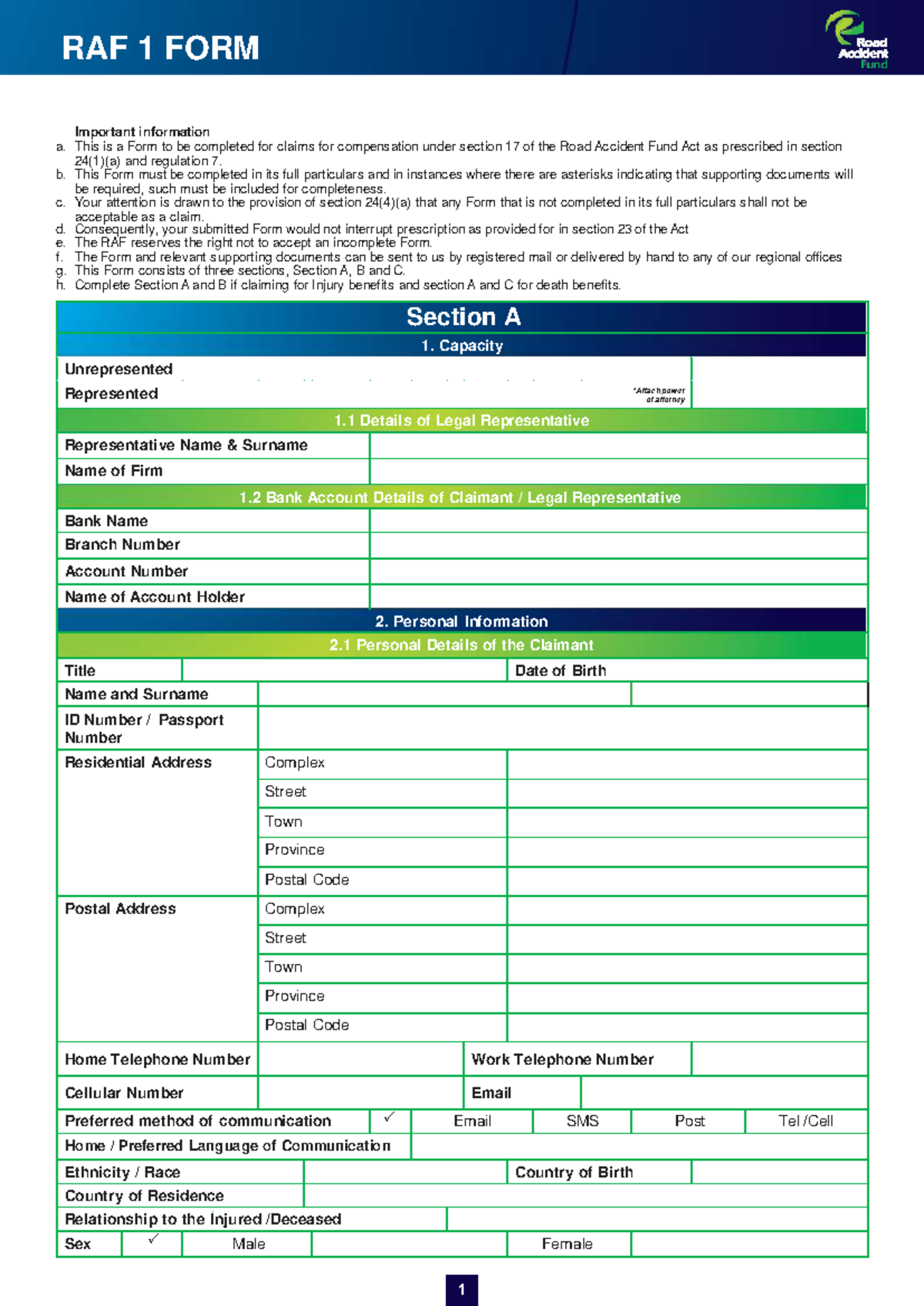
The Accident Fund workers compensation audit form is a mandatory document used to reconcile the estimated payroll reported at the start of a policy period with the actual payroll expenditures incurred. This process ensures that business owners pay an accurate premium based on real-world exposure rather than initial projections.
The Purpose of the Workers Compensation Premium Audit
In the insurance industry, specifically within workers' compensation, policies are unique because they are "auditable." When you first purchase a policy through Accident Fund, your premium is calculated based on an estimate of what you expect to pay your employees over the coming year. Because business conditions change—staffing levels fluctuate, overtime increases, or new departments are formed—the initial estimate is rarely 100% accurate.
The premium audit, conducted at the end of the policy term, serves as the final accounting. For policyholders in 2026, this process is increasingly digital, yet the core requirement remains the same: verifying that the risk classification and payroll totals match the actual work performed. Accident Fund uses the audit form to determine if you owe an additional premium or if you are entitled to a refund for overpayment.
Failure to complete the audit form is not merely an administrative oversight; it can result in significant financial penalties. Most policies include an "Audit Non-Compliance Charge," which can be as high as two times the estimated annual premium. Furthermore, non-compliance can lead to the cancellation of current coverage or the inability to renew policies in the future.
Types of Accident Fund Audits
Accident Fund typically employs three primary methods for conducting an audit. The type assigned to your business depends on the size of your premium, the complexity of your operations, and the governing state regulations.
1. Voluntary or Self-Audit
For many small to mid-sized businesses, Accident Fund issues a "Voluntary Audit" form. This is a self-reporting document where the policyholder provides payroll data, officer information, and subcontractor details. In 2026, most of these are completed through the Accident Fund online portal, though paper forms are still utilized in specific jurisdictions.
2. Virtual or Remote Audit
A virtual audit involves an Accident Fund auditor reviewing your digital records via a secure link or a scheduled video conference. You will be asked to upload tax documents, payroll journals, and general ledgers to a secure cloud environment. This has become the standard for businesses with moderate complexity that do not require a physical site visit.
3. Physical or On-Site Audit
For large enterprises or high-risk industries (such as construction or heavy manufacturing), an auditor may visit your place of business. They will physically examine your books and records and may request a brief tour of the facilities to verify that employee job descriptions match the National Council on Compensation Insurance (NCCI) classification codes assigned to the policy.
Essential Documentation for the Audit Form
To complete the Accident Fund audit form accurately, you must gather specific financial records. The audit typically covers the exact dates of your policy period, which may not align perfectly with the calendar year or your fiscal year.
| Document Type | Purpose in Audit | Key Details to Verify |
|---|---|---|
| Payroll Journals | Primary source of wage data | Gross pay, overtime, and bonuses by employee. |
| 941 Tax Forms | Verification of total wages | Used to cross-reference payroll journals with federal filings. |
| State Unemployment Reports | Regional wage verification | Confirms wages reported to state authorities. |
| 1099 and 1096 Forms | Tracking non-employee labor | Identifies payments to independent contractors. |
| Certificates of Insurance (COI) | Subcontractor exclusion | Proves subcontractors had their own coverage. |
| General Ledger | Identifying hidden labor costs | Used to find labor costs hidden in "materials" or "repairs." |
Step-by-Step Guide to Filling Out the Audit Form
Completing the form requires a methodical approach to ensure that you are not overpaying. The form is generally divided into sections covering ownership, employee payroll, and subcontractor payments.
Section 1: Officer and Ownership Information
Accident Fund requires a listing of all officers, partners, or members of the LLC. In many states, officers have the option to include or exclude themselves from coverage. The audit form will ask for the names, titles, and total earnings of these individuals. Even if an officer is excluded from coverage, their information must be reported to verify their status and ensure they are not performing duties that would necessitate a different classification code.
Section 2: Payroll by Classification Code
This is the most critical part of the form. You must break down your total gross payroll by the classification codes listed on your policy.
- Gross Payroll: Include all wages, bonuses, commissions, and holiday pay.
- Overtime: Most states allow you to "summarize" overtime. You are typically only charged for the "straight-time" portion of overtime. For example, if an employee earns $20/hour and is paid $30/hour for overtime, you may be able to exclude the extra $10/hour from the audit total, provided your records clearly separate the two.
- Severance and Tips: Depending on state rules, certain items like severance pay or employee tips may be excludable. Ensure you check the specific Accident Fund guidelines for the current 2026 period.
Section 3: Subcontractor and Independent Labor
If you hired outside contractors to perform work, Accident Fund will assume they are your employees unless you prove otherwise. For every subcontractor used during the policy period, you must provide a Certificate of Insurance (COI) that was valid at the time the work was performed. If you cannot provide a COI, the auditor will add the labor portion of that subcontractor's invoice to your payroll, which will increase your premium.
Common Mistakes and How to Avoid Them
Errors on the workers' compensation audit form almost always result in higher premiums for the policyholder. Being proactive can prevent these costly mistakes.
Misclassification of Employees
The "Standard Exception" classifications, such as Clerical Office Employees (Code 8810) and Outside Sales (Code 8742), carry much lower rates than operational codes. A common mistake is placing a manager who does 100% office work into a high-risk "shop" code. However, be cautious: if a clerical worker occasionally operates machinery or performs deliveries, they must usually be classified under the higher-rated operational code.
Failing to Separate Overtime
If your payroll records do not clearly distinguish between straight-time pay and the overtime premium (the "half" in "time-and-a-half"), the auditor is required by NCCI rules to charge you the full amount. This can result in a 5% to 10% inflation of your audited payroll totals. Ensure your 2026 payroll software is configured to export these as separate line items.
Missing Certificates of Insurance
The single largest cause of "Audit Shock"—a massive, unexpected bill after an audit—is the lack of subcontractor COIs. You should make it a company policy never to issue a check to a subcontractor until a valid COI is on file. Collecting these at the end of the year during the audit process is often impossible if the subcontractor has gone out of business or changed insurers.
The Role of the 2026 Regulatory Environment
In 2026, workers' compensation audits are influenced by increasingly stringent data privacy laws and the integration of Artificial Intelligence (AI) in payroll auditing. Accident Fund has updated its online submission portal to allow for direct API connections with major payroll providers. This allows for a "continuous audit" model for some businesses, where payroll data is synced monthly, potentially eliminating the need for a massive year-end audit form.
Additionally, state-specific changes in 2026 regarding "gig economy" workers and independent contractor definitions (such as updates to the ABC test in various jurisdictions) mean that the distinction between an employee and a contractor is more scrutinized than ever. The Accident Fund audit form now includes more detailed questions regarding the degree of control the policyholder exerts over 1099 workers.
Troubleshooting and Disputing Audit Results
Once you submit your audit form and Accident Fund processes it, you will receive an Audit Summary or an Audit Billing Statement. If the results show a significant increase in premium that you believe is incorrect, you have the right to dispute it.
- Request the Auditor's Worksheets: You cannot effectively dispute a bill without seeing the math. Request the detailed worksheets to see how the auditor distributed payroll across class codes.
- Identify Specific Errors: Do not simply say the bill is "too high." Point out specific errors, such as an employee being in the wrong code or a subcontractor who was counted despite you providing a COI.
- Submit a Formal Dispute: Accident Fund typically requires disputes to be submitted in writing within 30 days of receiving the audit results. While an audit is in "dispute status," the company will often suspend collection efforts on the disputed portion of the premium, though you must still pay the undisputed amount.
Frequently Asked Questions
What happens if I miss the deadline for the Accident Fund audit form?
If the form is not returned within the timeframe specified (usually 30 to 60 days after policy expiration), Accident Fund will issue an "Estimated Audit." This estimate is often significantly higher than your actual payroll and includes a non-compliance penalty. This bill is legally binding until the audit is completed.
Are fringe benefits included in the audit payroll totals?
Generally, yes. Most "wages" include items like 401(k) contributions made by the employee, bonuses, and the value of housing or meals provided as part of the pay package. However, employer-paid portions of health insurance and certain group life insurance premiums are typically excluded.
Can I change my class codes during the audit?
The audit is a look-back at the previous year. While the auditor can correct a code that was clearly wrong, they generally follow the classifications listed on the policy. If your business operations changed significantly during the year, you should have notified your agent at that time. The audit is the final opportunity to ensure the classifications match the actual work performed.
Does the audit form cover 1099 independent contractors?
Yes. The form specifically asks for payments made to subcontractors and independent contractors. Unless you provide proof of their own workers' compensation insurance, Accident Fund is required by state law to treat them as your employees for premium calculation purposes because you would be liable for their injuries under most state "statutory employer" laws.
How long should I keep my audit records?
You should retain all documentation used to complete your Accident Fund audit form for at least three to five years. State insurance departments or the NCCI may perform "test audits" to verify the accuracy of the insurance company's findings, and you will need your records to support your original submission.
Practical Recommendation
To ensure a seamless experience with your Accident Fund workers compensation audit, transition your record-keeping to a "digital-first" approach. In 2026, the most successful audits are those where the policyholder maintains a dedicated folder for Certificates of Insurance and utilizes payroll software that can generate "Workers Comp Reports" specific to the policy dates. Before submitting your form, perform a "mini-audit" yourself: total your 941s and ensure they match the gross payroll you are reporting. This simple reconciliation step catches 90% of the errors that lead to audit disputes and unexpected premiums.