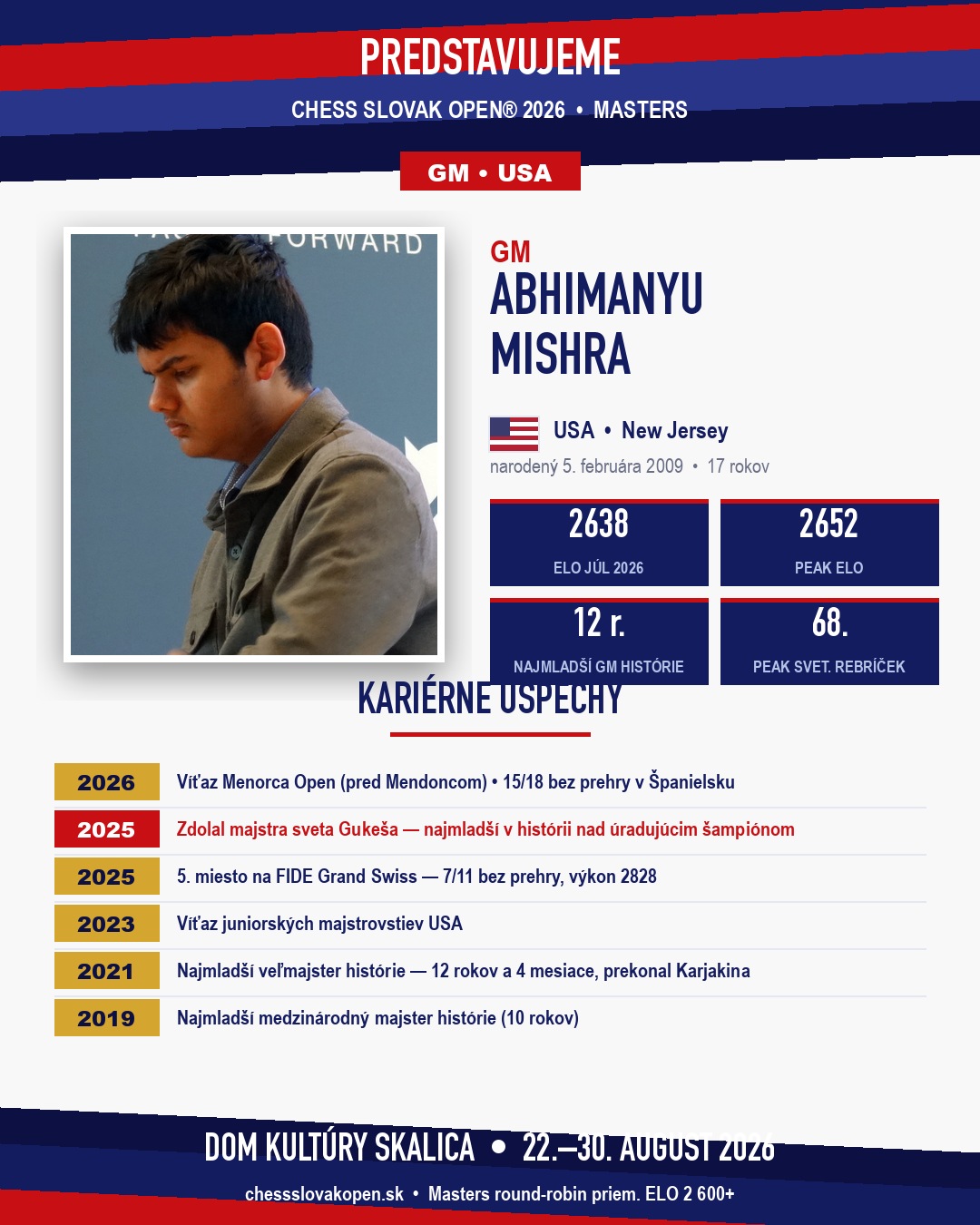
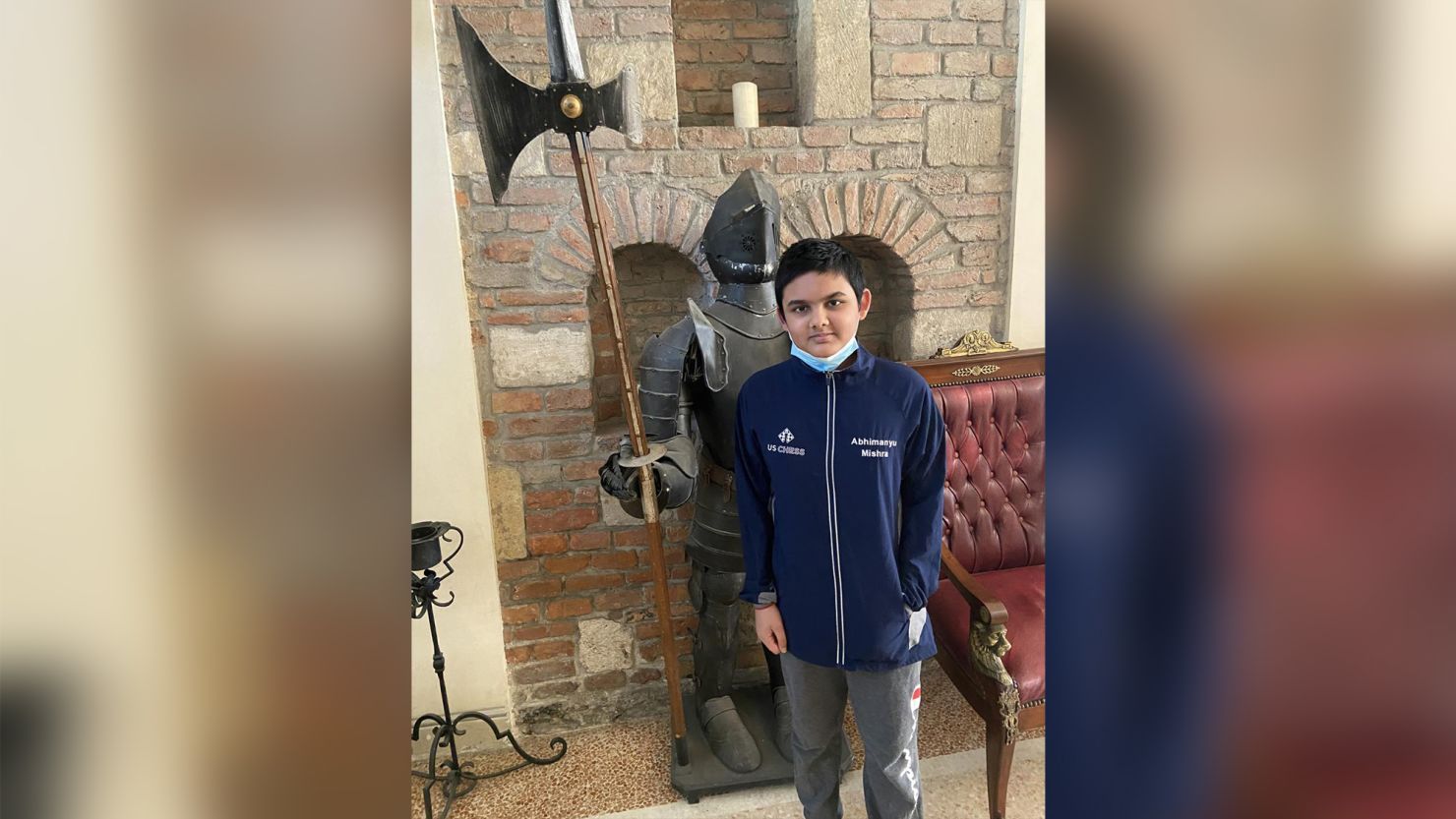
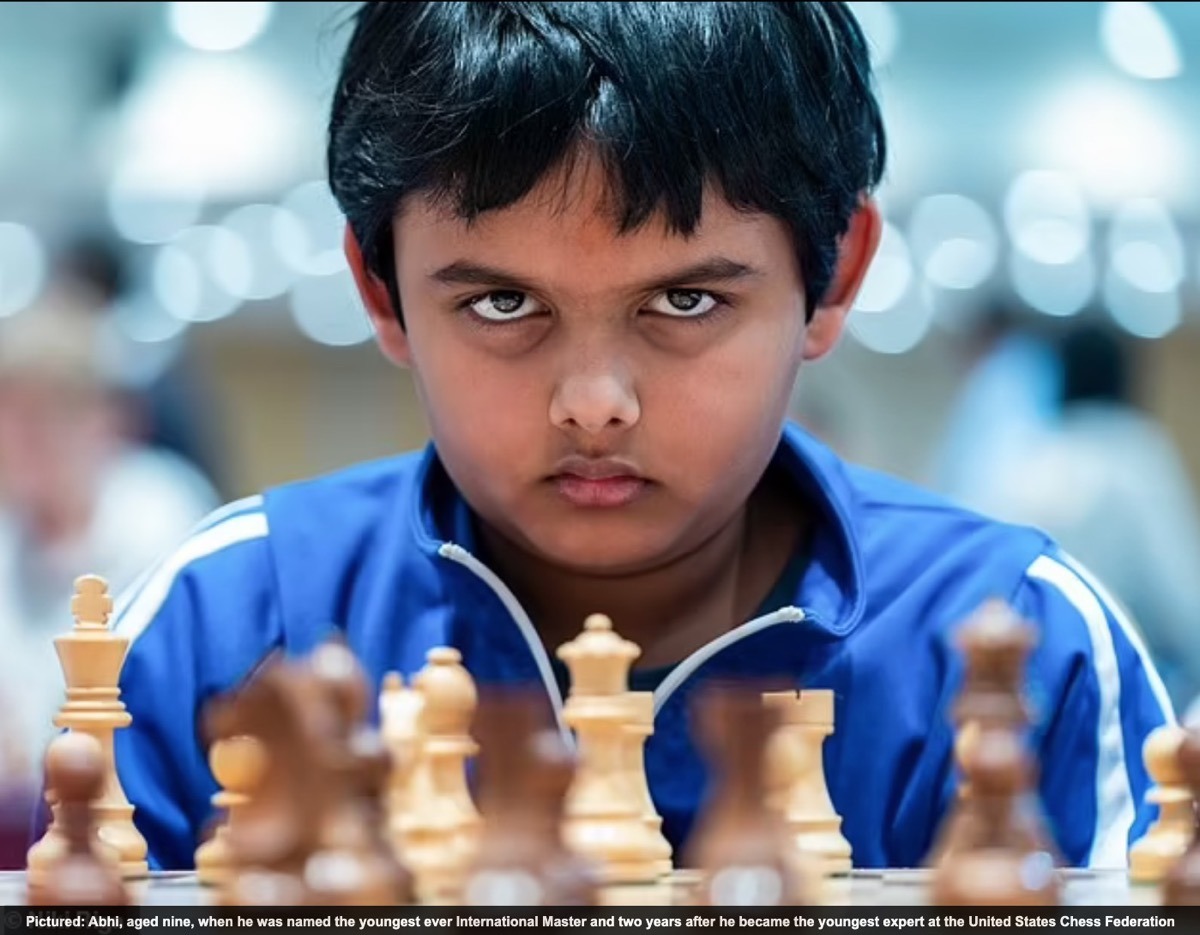
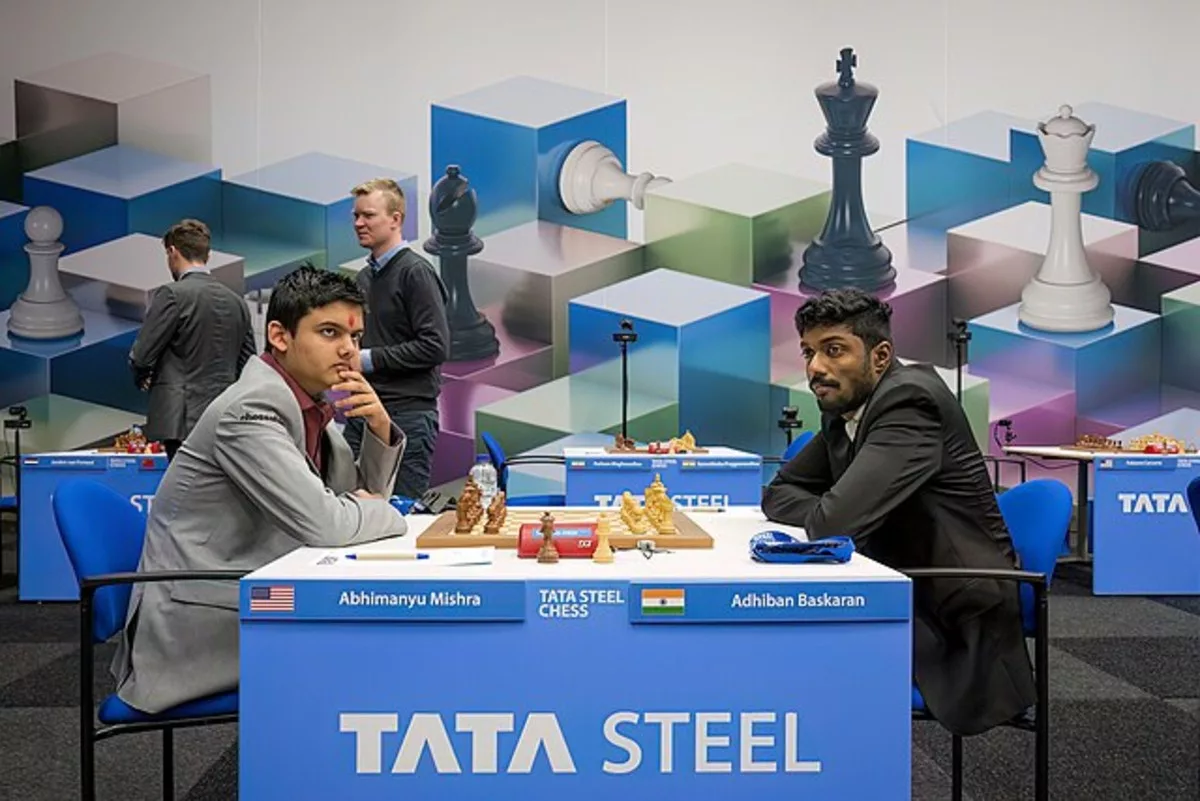
Abhimanyu Mishra is 17 years old, having been born on February 5, 2009. He achieved global renown in the chess world by breaking the long-standing record for the youngest grandmaster in chess history at the age of 12 years, 4 months, and 25 days, surpassing the milestone previously held by Sergey Karjakin.
Introduction to Abhimanyu Mishra and His Historic Record
The world of competitive chess has long been fascinated by prodigies—young talents who master complex calculations, strategic positioning, and psychological resilience at an age when most children are just learning basic arithmetic. Among these luminaries, Abhimanyu Mishra stands out for achieving one of the sport's most coveted and rigorously guarded milestones. By earning the title of International Grandmaster (GM) from the International Chess Federation (FIDE), Mishra etched his name into sports history.
Understanding Abhimanyu Mishra's age at the time of his grandmaster title requires looking closely at the strict criteria set by FIDE, the grueling tournament schedule he maintained during a global pandemic, and the psychological fortitude required to compete against seasoned professionals. This article explores his biographical background, the mechanics of breaking the grandmaster record, his subsequent career developments, and what his journey reveals about the modern landscape of elite youth chess.
Early Life and Introduction to Chess
Abhimanyu Mishra was born in New Jersey, United States, to parents who immigrated from India. His father, Hemant Mishra, introduced him to the game when Abhimanyu was just two and a half years old. What began as a casual pastime involving basic piece movements quickly revealed an extraordinary cognitive affinity for the game.
By the time he was a toddler, Abhimanyu was spending hours solving chess puzzles, memorizing openings, and playing matches against adults. Recognizing their son's exceptional aptitude, his family supported his intensive training regimen. Hemant Mishra played a pivotal role, managing his son’s education, travel, and tournament entries, often making substantial financial and personal sacrifices to ensure the young prodigy could compete in high-level norm tournaments across the United States and Europe.
The Development of a Prodigy
- Ages 3–5: Rapid mastery of tactical patterns, endgame basics, and board vision.
- Ages 5–7: Transition into competitive scholastic tournaments, dominating local and regional age-group brackets.
- Age 7: Earned the title of United States Chess Federation (USCF) Expert, becoming one of the youngest players to reach that rating milestone.
- Age 9: Achieved the title of FIDE Master (FM), breaking records for youth proficiency.
Breaking the Youngest Grandmaster Record
To understand the magnitude of Abhimanyu Mishra's achievement, one must examine the specific requirements mandated by FIDE for the Grandmaster title. A player must cross a standard FIDE rating of 2500 and successfully secure three "norms" (performances at a grandmaster level in tournaments meeting strict international criteria, including the presence of titled opponents from various federations).
For years, the record for the youngest grandmaster belonged to Sergey Karjakin of Ukraine, who achieved the title in 2002 at the age of 12 years and 7 months. As time passed, a succession of prodigies—including future world championship contenders like Magnus Carlsen and Praggnanandhaa Rameshbabu—came close, but Karjakin’s record remained intact for nearly two decades.
The Budapest Push
In early 2021, facing travel restrictions and a lack of norm opportunities in the United States due to the COVID-19 pandemic, Mishra and his family traveled to Budapest, Hungary. Budapest became a hub for round-robin tournaments specifically organized to help young players secure norms.
Playing an intense, relentless sequence of games against experienced grandmasters and international masters, Mishra chased his third and final GM norm. The pressure was immense, compounded by a ticking clock against Karjakin's record. On June 30, 2021, at the Vezerkepzo GM tournament in Budapest, Mishra defeated Indian Grandmaster Leon Mendonca in the final round to secure his third norm, officially clearing all requirements.
| Milestone | Date Achieved | Age | Significance |
|---|---|---|---|
| USCF Expert | 2016 | 7 years, 4 months | Demonstrated elite domestic potential |
| FIDE Master (FM) | November 2018 | 9 years, 2 months | Established international competitive standing |
| International Master (IM) | November 2019 | 10 years, 9 months | Youngest IM in history at the time |
| Grandmaster (GM) | June 30, 2021 | 12 years, 4 months, 25 days | Youngest Grandmaster in chess history |
Post-Record Career and Ongoing Evolution
Achieving the grandmaster title at age 12 is an extraordinary milestone, but in professional chess, it is often viewed as the opening chapter of a much larger career. For Mishra, the transition from record-chaser to elite professional competitor involved adapting to higher-tier events, refining his opening repertoire, and building physical and mental stamina for grueling classical matches.
In the years following his record-breaking summer in Budapest, Mishra has continued to compete in top-tier international tournaments, facing many of the world's best players. His rating has continued to climb well past the 2500 threshold, solidifying his status as a permanent fixture in elite competitive circles.
Key Aspects of His Professional Development
- Opening Preparation: Expanding deep theoretical knowledge in complex lines to counter elite grandmasters.
- Physical Endurance: Incorporating physical fitness, cardiovascular training, and nutrition to maintain focus during six-hour classical games.
- Psychological Resilience: Managing the high expectations and media scrutiny that accompany holding a historic world record.
The Broader Context of Modern Chess Prodigies
Abhimanyu Mishra's record sits within a broader evolutionary trend in competitive chess. The game has changed dramatically over the past two decades, largely due to the democratization of advanced technology.
Today's young players benefit from powerful chess engines like Stockfish, massive cloud databases containing millions of master games, and online training platforms that allow children to play against international opponents from their living rooms. This technological access has compressed the learning curve. While historical greats like Bobby Fischer and Garry Kasparov had to pore over physical books and magazine articles, modern prodigies like Mishra digest vast quantities of opening theory and tactical motifs at unprecedented speeds.
However, technology alone does not explain Mishra's success. The psychological demands of sitting across from a seasoned grandmaster, managing time pressure on the clock, and maintaining emotional stability after a loss require rare innate talent and disciplined psychological preparation.
Frequently Asked Questions
When was Abhimanyu Mishra born?
Abhimanyu Mishra was born on February 5, 2009. His birthdate is a matter of official public record verified by both the United States Chess Federation and FIDE.
How old was Abhimanyu Mishra when he became a Grandmaster?
He was 12 years, 4 months, and 25 days old when he secured his third and final grandmaster norm in Budapest, Hungary, on June 30, 2021.
Whose record did Abhimanyu Mishra break?
He broke the record previously held by Sergey Karjakin, who had held the title of the youngest grandmaster in history since 2002 at the age of 12 years and 7 months.
Does Abhimanyu Mishra still hold the youngest grandmaster record?
Yes, Mishra remains the youngest player in history to have achieved the FIDE Grandmaster title, maintaining the record as of 2026.
Where is Abhimanyu Mishra from?
He was born and raised in New Jersey, United States, and represents the United States chess federation in international competitions.
Conclusion and Next Steps for Followers of the Sport
Abhimanyu Mishra's journey from a toddler moving wooden pieces to a historic international grandmaster illustrates the combination of raw talent, familial dedication, and modern training tools. While his age at the time of his record-breaking achievement will forever be etched in chess history books, his ongoing career in professional tournaments will determine his long-term legacy among the game's all-time greats. For those tracking his progress, following FIDE circuit events, continental championships, and major open tournaments offers the best window into his continued ascent in the chess world.