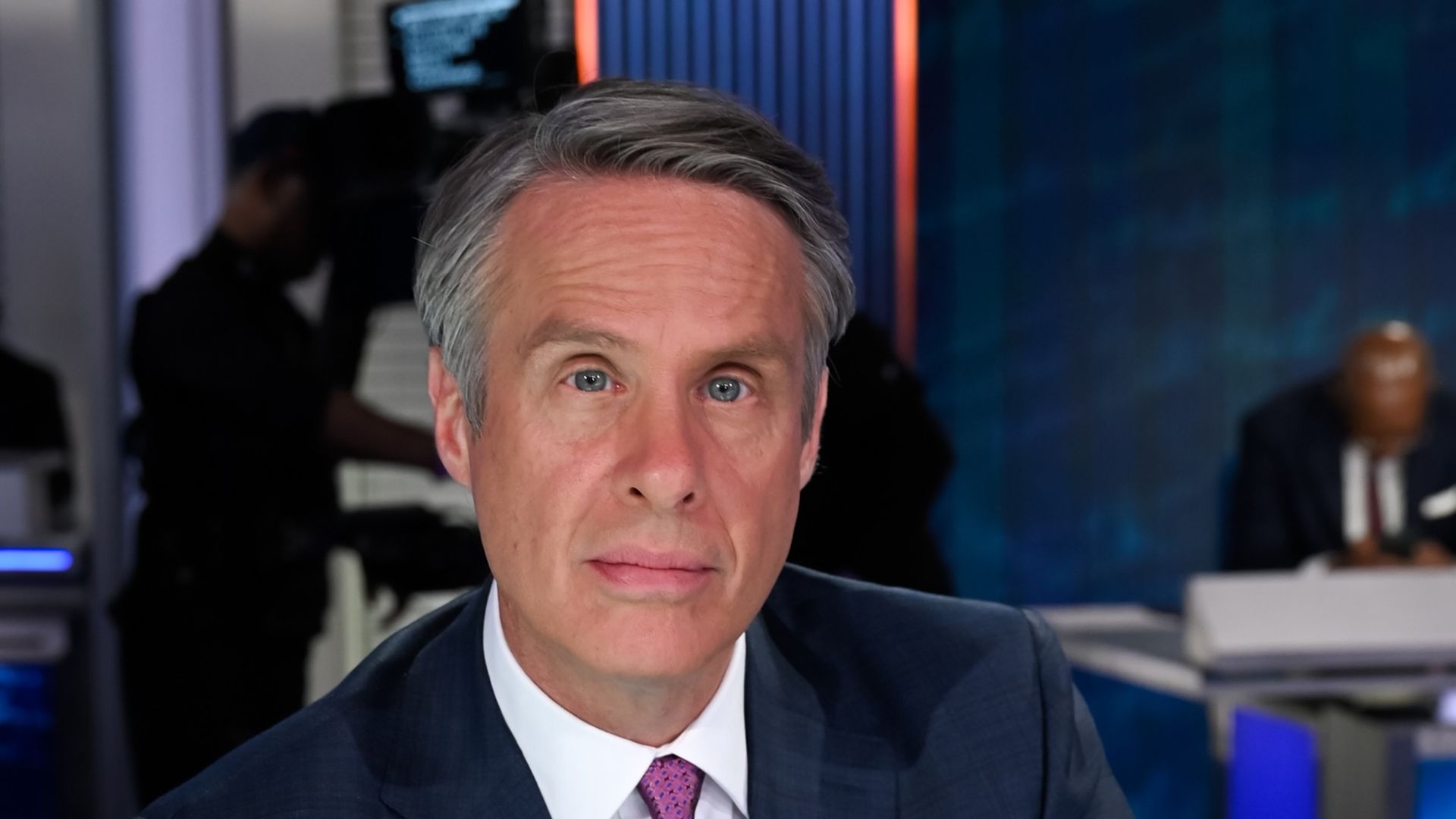
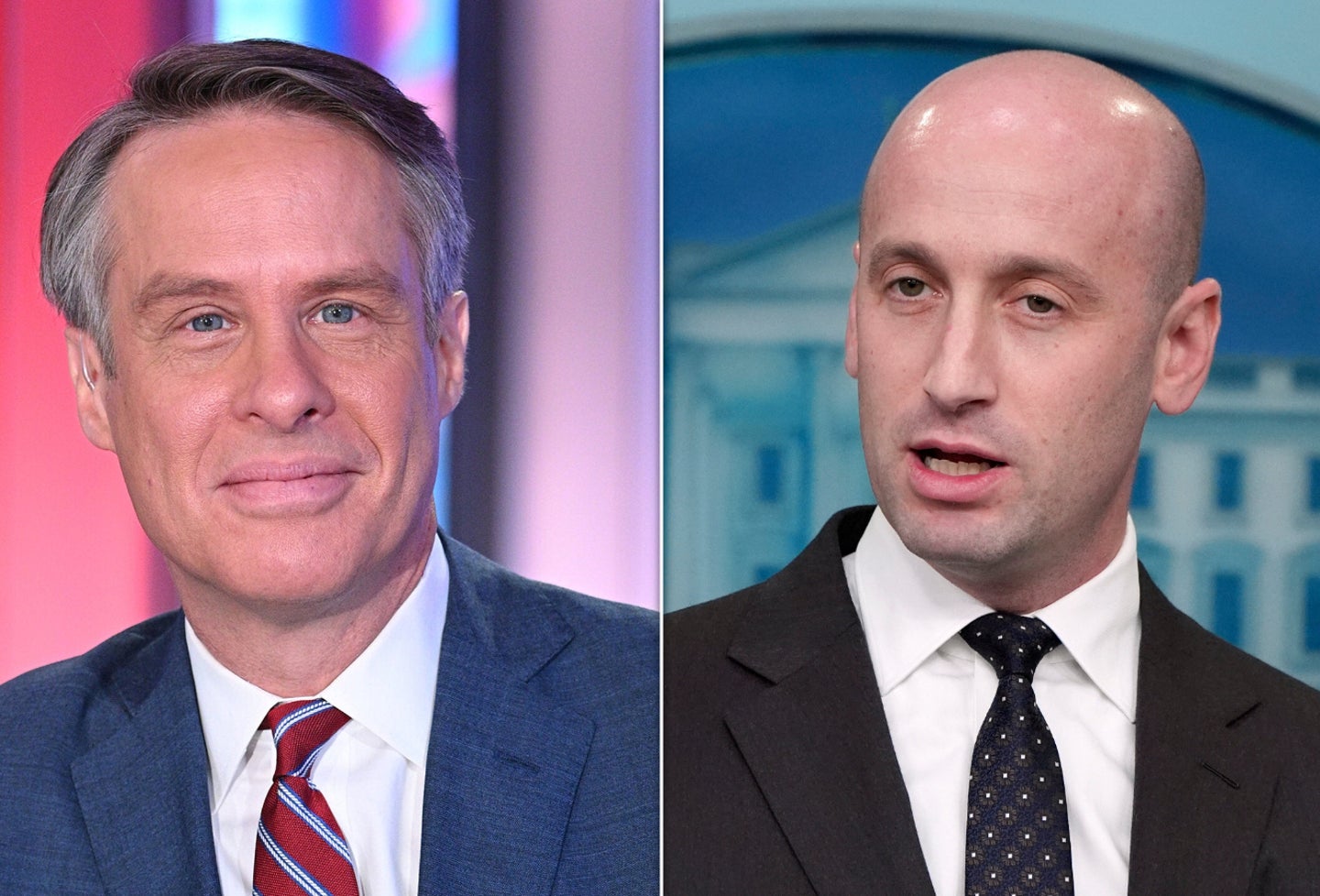
The suspension of veteran correspondent Terry Moran by ABC News represents a significant moment in the evolution of modern broadcast journalism, highlighting the growing friction between personal expression and corporate editorial mandates. This development serves as a catalyst for broader discussions regarding the boundaries of professional conduct, the enforcement of neutrality policies in the digital age, and how major networks manage internal conflicts when a journalist’s public profile intersects with their institutional role.
The Context of the Suspension
Terry Moran, a fixture at ABC News since 1997, has long been recognized for his contributions to programs such as Nightline and World News Tonight. His professional trajectory has covered high-profile assignments, including serving as the network’s chief White House correspondent and as a foreign correspondent based in London. However, like many modern journalists who maintain active presences on social media platforms, Moran has faced the complex challenge of balancing the expectation of objective reporting with the increasingly blurred lines of contemporary digital commentary.
When an organization like ABC News takes disciplinary action against a senior figure such as Moran, it is rarely an isolated incident based on a single action. Rather, it is typically the result of an accumulation of events that test the organization’s stated editorial guidelines. In the modern newsroom, these guidelines are often structured to protect the network's reputation for impartiality, ensuring that viewers perceive the news as a product of rigorous fact-checking rather than personal ideology. The suspension of such a high-profile journalist signals to the industry that internal standards are subject to rigorous application, regardless of an employee’s tenure or status.
The Evolution of Newsroom Standards
To understand the implications of this suspension, one must examine how news standards have shifted over the last decade. Historically, broadcast journalists were expected to be "the voice from nowhere"—a detached, neutral observer whose personal views were effectively scrubbed from their public persona. This was facilitated by the gatekeeper model of legacy media, where the network newsroom functioned as the ultimate arbiter of truth.
The rise of the social media landscape disrupted this dynamic. Today, journalists are encouraged to build "personal brands" to increase their visibility and engagement. This creates a dual role: the journalist serves as an objective reporter for the network while simultaneously acting as a public-facing influencer on platforms like X (formerly Twitter) or Threads. The conflict arises when a reporter's personal digital interactions are interpreted as institutional positions.
Networks have responded by drafting increasingly granular social media policies. These policies often dictate not just what a reporter can say about political events, but how they interact with contentious topics, public figures, and cultural debates. For a network like ABC, maintaining a reputation for non-partisanship is a commercial and ethical imperative. When a reporter’s output—either on-air or online—appears to violate these policies, the network faces an existential pressure to act, as failing to do so could be seen as an endorsement of the reporter’s specific viewpoint.
Balancing Professionalism and Personal Expression
The dilemma facing veteran reporters is profound. On one hand, they are professionals trained to analyze complex situations with neutrality. On the other hand, the human urge to engage in public discourse is natural, and in the current climate, many feel that silence on certain issues is a form of complicity.
The suspension of Terry Moran highlights several key areas where professional journalists must tread carefully:
- The "Institutional Voice" vs. "Personal Opinion": Audiences often struggle to distinguish between a reporter’s personal commentary and the network's editorial position. Even when a post is marked as "opinions are my own," the public often associates the journalist with their employer.
- The Persistence of Content: Unlike a live radio segment that dissipates into the ether, social media posts are persistent. They can be screen-captured, archived, and resurfaced years later, creating potential liability for both the journalist and the network.
- The Penalty of Ambiguity: Networks tend to favor clarity. If a reporter’s social media activity is ambiguous, it is often viewed as a risk. Suspensions are frequently used not just as a punishment, but as a "cooling-off" period to minimize reputational damage during a news cycle.
Comparative Analysis of Media Industry Standards
While the specifics of the ABC News disciplinary action are unique to the circumstances involving Terry Moran, it is helpful to look at how other major networks handle similar challenges. The following table outlines typical approaches taken by major news organizations regarding social media and personnel conduct.
| Network | Social Media Policy Approach | Common Enforcement Actions |
|---|---|---|
| ABC News | Strict adherence to non-partisan, balanced commentary. | Formal reprimands, suspensions, editorial guidance. |
| CNN | Focus on "brand integrity" and reporter credibility. | Disciplinary meetings, public apologies, project reassignment. |
| MSNBC | Differentiated approach for commentators vs. reporters. | Review of on-air segments, tightening of editorial oversight. |
| Fox News | Editorial alignment with network brand/perspective. | Internal review, adjustment of airtime, management intervention. |
As shown, the enforcement mechanism is largely consistent across the industry: it begins with private coaching and escalates to suspension when internal warnings go unheeded or when the behavior creates a significant public relations challenge.
What This Means for the Future of Journalism
The suspension of a veteran correspondent acts as a bellwether for the future of newsroom management. We are likely to see several shifts in the coming years:
Increased Pre-Publication Review: Journalists may find that their personal social media posts are subject to the same rigorous editorial review process that their televised scripts undergo. This removes the "immediacy" that makes social media valuable but provides a necessary safety net for the organization.
The Rise of Niche Platforms: Some journalists may migrate toward newsletters or independent subscription platforms (like Substack or similar services) where they have more creative control. However, these platforms rarely offer the reach or resources of a major network, forcing journalists to choose between the safety and prestige of legacy media and the autonomy of independent publishing.
Stricter Contractual Language: Contracts for high-profile talent will likely include increasingly specific clauses regarding "conduct detrimental to the network." This will make it easier for organizations to take disciplinary action without the need for lengthy internal disputes.
Addressing Common Questions
How does a suspension affect a journalist's career trajectory? A suspension is a significant hurdle. In the short term, it removes the journalist from the air and signals to the industry that there is an internal issue. Long-term impacts depend on the nature of the infraction and the journalist's ability to demonstrate a return to the expected professional standards.
Are social media policies legally binding for journalists? In most jurisdictions, journalists are "at-will" employees. This means employers have broad latitude to set conduct standards, including social media usage. If those standards are included in an employment contract, violating them can be grounds for suspension or termination.
Do viewers actually care about reporter neutrality? Public sentiment is divided. While some viewers demand absolute neutrality, a growing segment of the audience prefers authenticity and expects reporters to be transparent about their worldview. Networks are caught in the middle of these competing demands.
What is the role of an ombudsman in these cases? Many networks have eliminated or reduced the role of an internal ombudsman. Without this independent mediator, disputes between reporters and management are often handled purely through human resources and legal channels, which lack transparency.
Practical Steps for Media Professionals
For those working in the news industry or aspiring to a career in broadcast, the situation surrounding Terry Moran serves as a cautionary tale. To navigate this landscape safely, professionals should consider the following:
- Separate Accounts: Maintain a clear distinction between professional social media accounts and private life. Even then, assume everything you post is public.
- Consult Editorial Standards: Regularly review your organization's social media policy. If you are unsure whether a post is appropriate, it is better to seek clarification from an editor before hitting publish.
- Understand the Audience: Know that your work on-air will be contextualized by your work online. If you are reporting on a sensitive or controversial topic, your past social media activity will be scrutinized by critics looking for bias.
- Prioritize Verification: Ensure that any commentary you provide is backed by rigorous evidence. Even in personal posts, accuracy remains the most vital currency for a journalist.
The suspension of Terry Moran is not merely about one man or one incident; it is a manifestation of a deeper transition in the industry. As news organizations navigate the complexities of the digital age, they will continue to refine the line between individual expression and institutional mandate. For the audience, this serves as a reminder to look at news through the lens of institutional rigor, recognizing that the standards that define the quality of reporting are constantly being challenged and redefined.