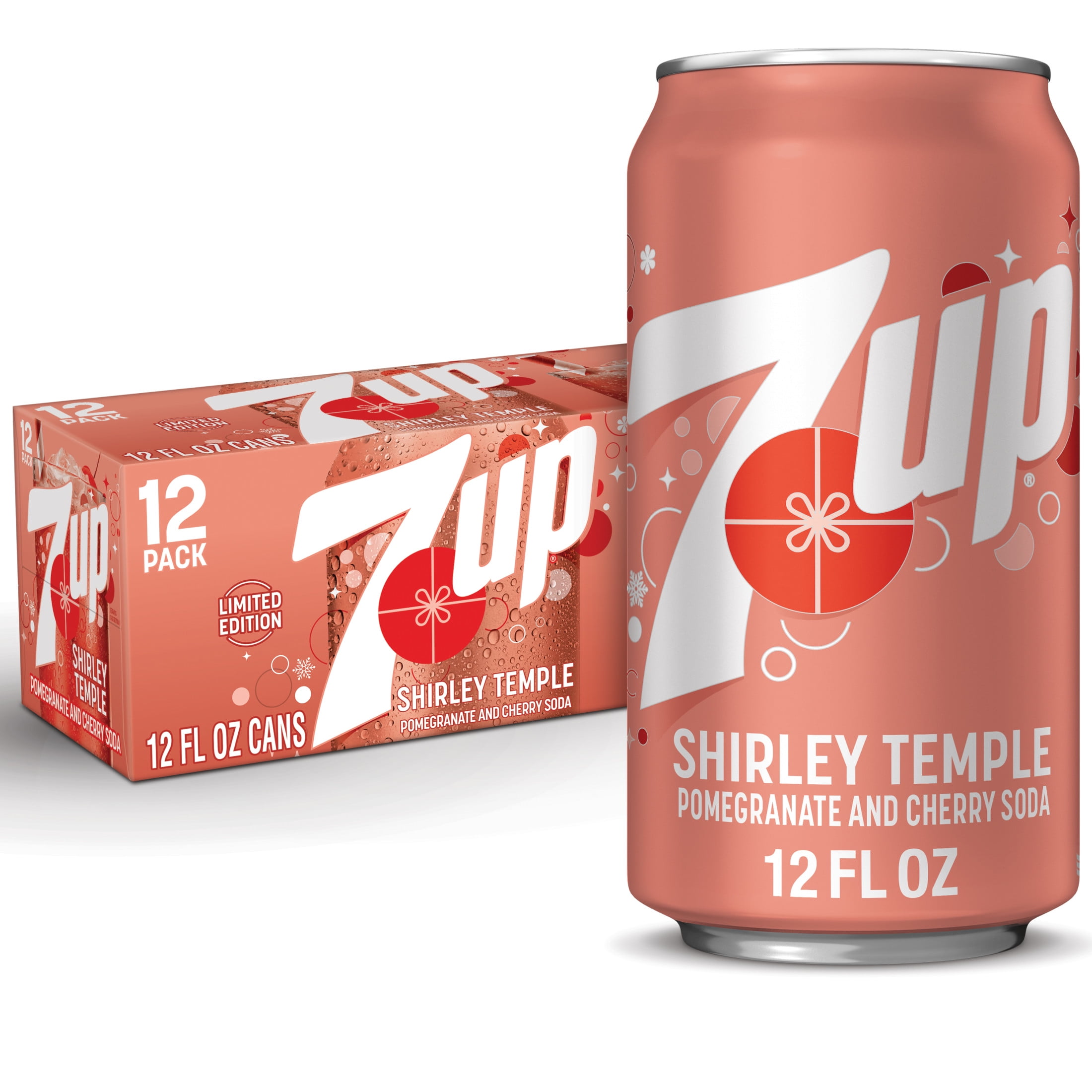
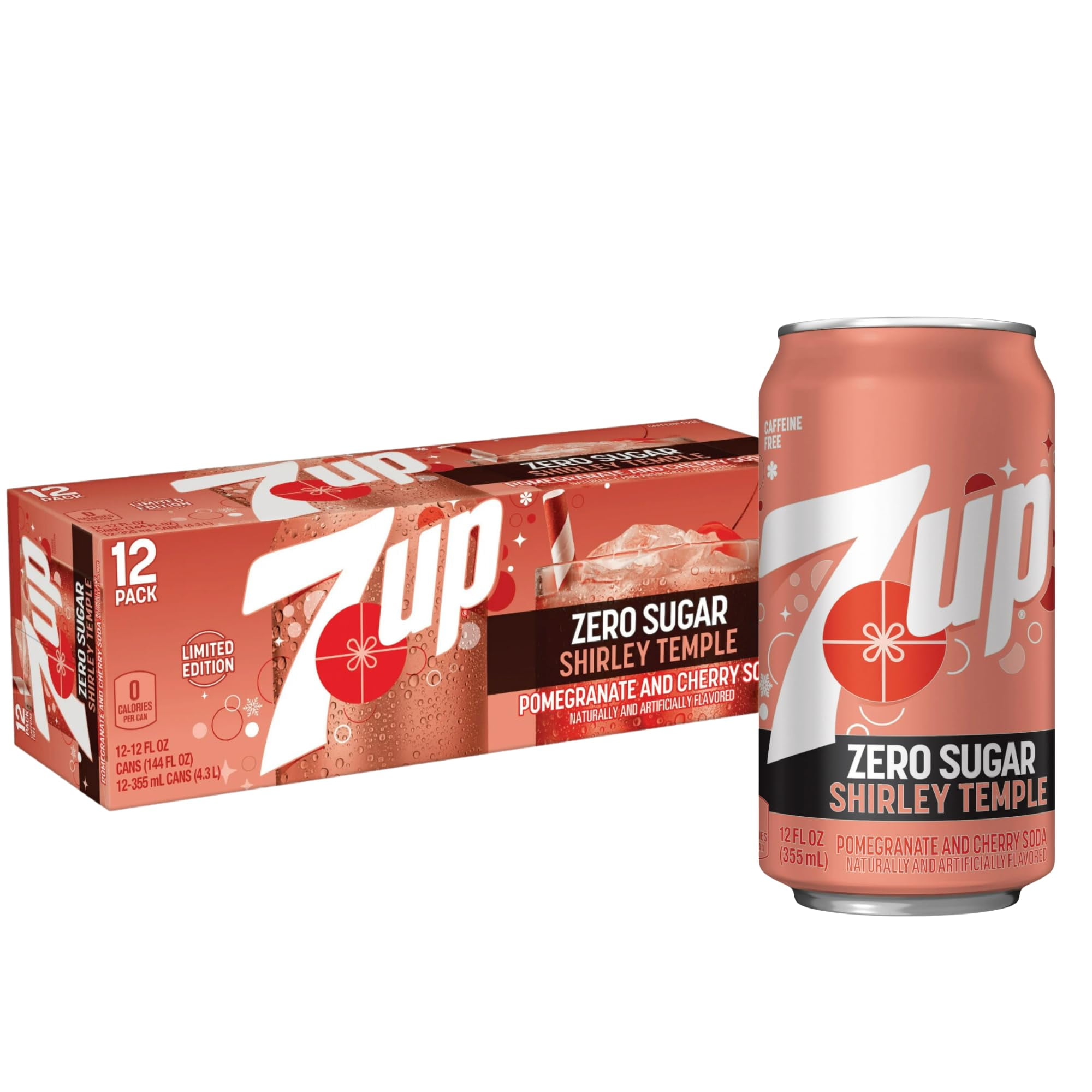
7UP Shirley Temple cans are a ready-to-drink, non-alcoholic soda that replicates the classic mocktail’s flavor profile using a blend of lemon-lime, pomegranate, and cherry notes. Available in both Regular and Zero Sugar varieties, these cans provide a convenient, pre-mixed version of the traditional bar staple without requiring separate grenadine.
The Origins and Evolution of the Shirley Temple Drink
To understand the significance of 7UP Shirley Temple cans, one must first look at the history of the beverage that inspired them. Named after the legendary child actress Shirley Temple in the 1930s, the drink was originally created by bartenders who wanted to serve a sophisticated-looking, non-alcoholic cocktail to a child dining with adults. The traditional recipe has always relied on a lemon-lime soda (like 7UP or Sprite) or ginger ale, mixed with a heavy splash of grenadine and garnished with a maraschino cherry.
For decades, the Shirley Temple remained a "behind-the-bar" creation. If you wanted one, you had to order it at a restaurant or mix it yourself at home. However, as the beverage market shifted toward convenience and the "sober curious" movement gained momentum in the 2020s, Keurig Dr Pepper—the parent company of 7UP—identified an opportunity. By 2024, the company officially announced the launch of 7UP Shirley Temple in 12-ounce cans and 2-liter bottles.
In the current landscape of 2026, this product has transitioned from a buzzy limited-time offering to a seasonal favorite that consumers look for during the holiday and celebratory months. The canned format specifically solved the problem of "syrup separation" and inconsistent mixing that often occurs when making the drink at home manually.
Decoding the Flavor Profile: Pomegranate vs. Cherry
A common misconception among casual soda drinkers is that a Shirley Temple is simply "cherry-flavored 7UP." This is technically incorrect, and the formulation of the 7UP Shirley Temple cans reflects this nuance.
Traditional grenadine is actually made from pomegranate juice and sugar, not cherries. While the garnish is a cherry, the liquid's tart, deep sweetness comes from the pomegranate. The 7UP Shirley Temple cans successfully capture this dual-layer flavor profile:
- The Base: The crisp, clean lemon-lime carbonation that 7UP is known for provides the necessary acidity to balance the sugar.
- The Pomegranate Note: This provides a slightly floral, tart undertone that distinguishes the drink from standard cherry sodas.
- The Cherry Finish: A sweet, candy-like cherry note rounds out the sip, mimicking the flavor bleed from a maraschino cherry sitting at the bottom of a glass.
By balancing these three elements, the canned version avoids the cloying sweetness that sometimes plagues DIY versions where too much grenadine is added. The carbonation level is also precisely tuned to ensure the "bite" of the soda isn't lost under the fruit flavors.
Product Variants: Regular and Zero Sugar
Recognizing the diverse dietary needs of modern consumers, 7UP released the Shirley Temple flavor in two distinct formulations. Both are caffeine-free, making them suitable for all ages and late-night consumption.
The Regular Version
The regular 7UP Shirley Temple is the "indulgent" choice. It uses high fructose corn syrup as its primary sweetener, which contributes to a fuller mouthfeel (often referred to as "body"). This version most closely mimics the syrupy consistency of a hand-mixed mocktail found in a high-end diner or lounge.
The Zero Sugar Version
The Zero Sugar variant was a critical move for the brand, especially as the demand for diet-friendly mocktails skyrocketed leading into 2026. This version utilizes a blend of aspartame and acesulfame potassium (Ace-K) to achieve sweetness without the caloric load. Surprisingly, many reviewers have noted that the Zero Sugar version maintains the pomegranate tartness better than the regular version, as there is less sugar to mask the acidity.
Nutritional Specifications and Ingredients
When evaluating 7UP Shirley Temple cans, it is important to look at what is—and isn't—inside the aluminum. Unlike many "craft" sodas, this is a mass-market product designed for consistent flavor across the country.
| Feature | 7UP Shirley Temple (Regular) | 7UP Shirley Temple (Zero Sugar) |
|---|---|---|
| Serving Size | 12 fl oz (1 can) | 12 fl oz (1 can) |
| Calories | 150 kcal | 0 kcal |
| Total Fat | 0g | 0g |
| Sodium | 45mg | 60mg |
| Total Carbohydrates | 39g | 0g |
| Total Sugars | 38g | 0g |
| Caffeine | 0mg | 0mg |
| Primary Sweetener | High Fructose Corn Syrup | Aspartame / Ace-K |
Key Ingredients: Both versions contain filtered carbonated water, citric acid, potassium citrate, natural flavors, and Red 40. The Red 40 is essential for achieving that iconic "Shirley Temple Pink" glow that consumers expect.
Availability, Packaging, and Retail Strategy
The rollout of 7UP Shirley Temple cans has primarily focused on the North American market. In 2026, while availability may fluctuate based on regional bottling contracts, the product is typically found in the following formats:
- 12-Pack Cans: The most popular format for home stocking and parties. The box art usually features a vibrant red and pink gradient with the classic 7UP "Spot" character or updated retro-modern typography.
- 7.5 oz Mini Cans: These have become increasingly popular for portion control and as "mixers" for adult gatherings.
- 2-Liter Bottles: Primarily targeted at family gatherings and holiday dinners.
Retailers like Walmart, Target, Kroger, and various regional grocery chains are the primary hubs for these cans. During the initial launch phases, "limited edition" branding was used to drive urgency, but its recurring status suggests it has earned a permanent or semi-permanent spot in the Keurig Dr Pepper portfolio.
How to Serve 7UP Shirley Temple Cans for the Best Experience
While you can certainly drink the soda straight from the can, the "true" Shirley Temple experience is sensory. To elevate the canned product, follow these professional serving suggestions:
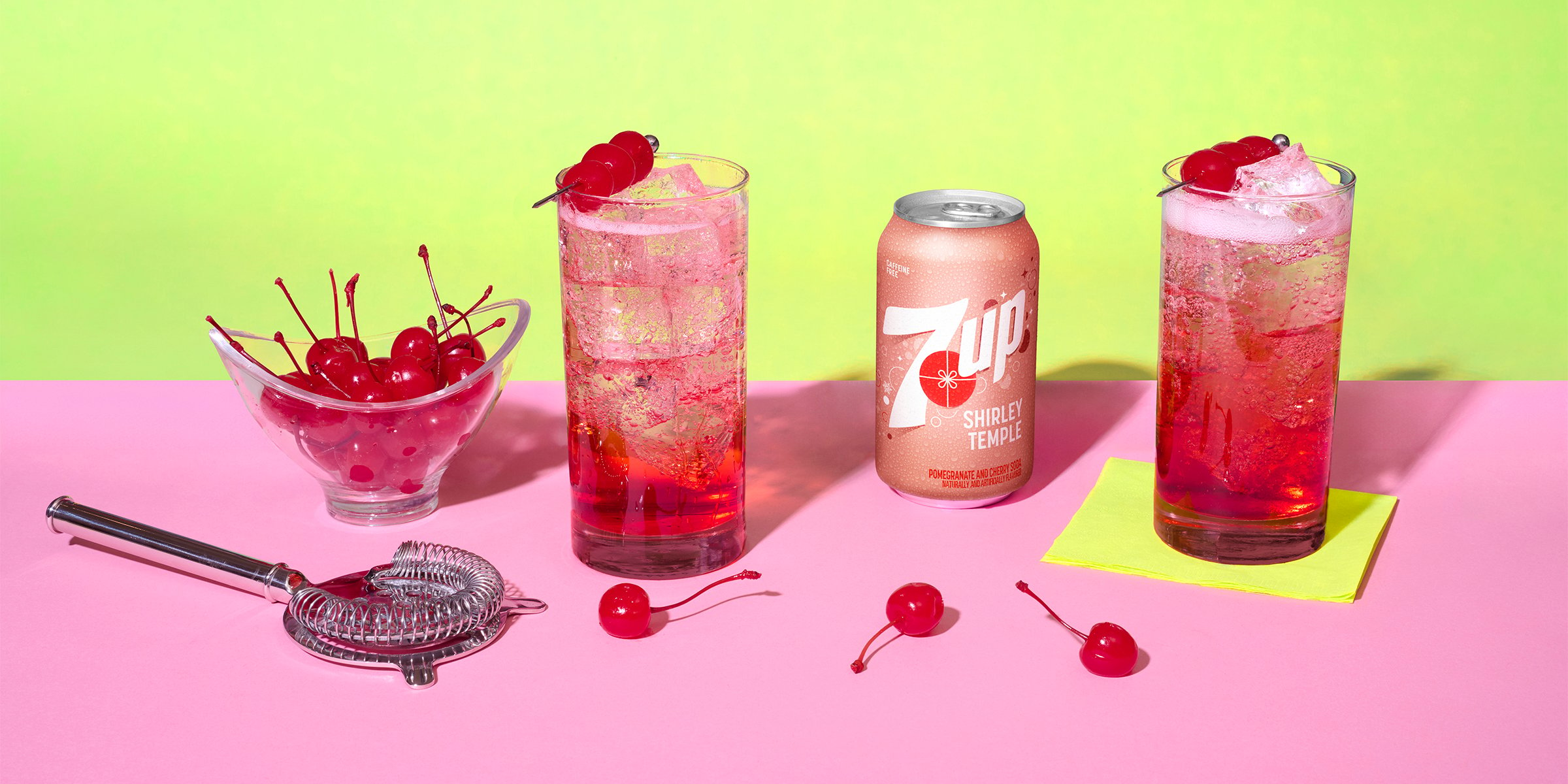
- The Glassware: Use a highball glass or a Collins glass. The height of the glass allows the carbonation to carry the aroma of the pomegranate to the nose.
- The Ice: Use "nugget" ice (often called "Sonic ice") if possible. This type of ice has a high surface area that chills the soda rapidly without diluting it too quickly.
- The Garnish (Crucial): Even though the flavor is in the can, the visual of a maraschino cherry is non-negotiable. Drop one or two cherries into the bottom of the glass before pouring. For an extra touch, add a thin slice of lime to the rim to highlight the citrus base.
- The Temperature: This soda is best served extremely cold, around 34°F to 38°F. If the soda is too warm, the sweetness of the cherry flavor can become overpowering.
Comparison: 7UP Shirley Temple vs. Cherry 7UP
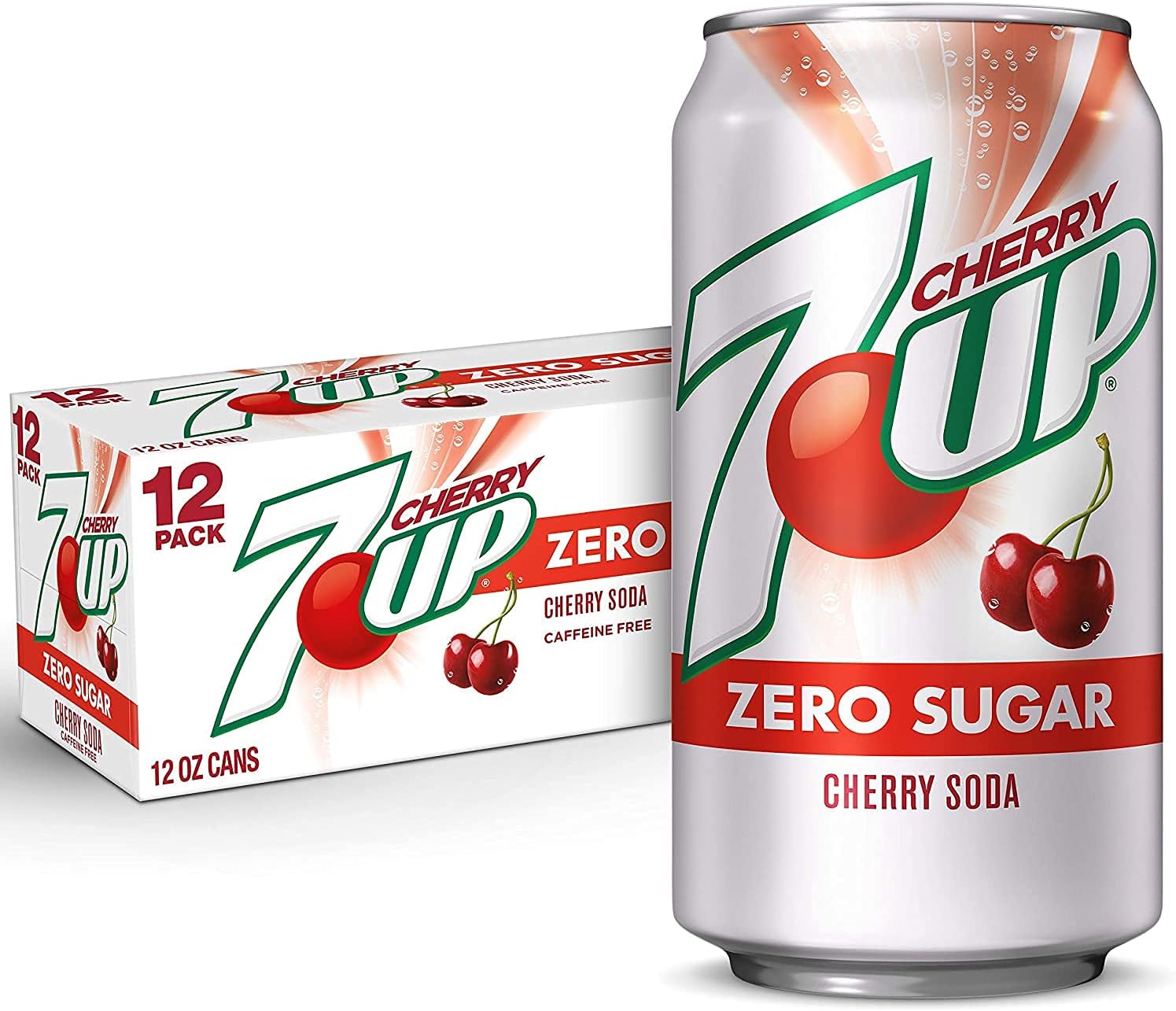
Consumers often ask if they can simply buy Cherry 7UP if the Shirley Temple cans are out of stock. While they are in the same flavor family, they are distinct products.
Cherry 7UP is a linear flavor. It is lemon-lime soda with a singular, sweet cherry additive. It is bright, simple, and very "soda-forward."
7UP Shirley Temple is a layered flavor. It intentionally incorporates the pomegranate/grenadine profile. It tastes more like a "confection" or a mixed drink than a standard fruit soda. The Shirley Temple version is also typically a darker shade of red/pink compared to the lighter, more translucent hue of Cherry 7UP.
The Role of 7UP Shirley Temple in the "Dirty Shirley" Trend
While the Shirley Temple is a mocktail by definition, the canned version has become a staple for the "Dirty Shirley" trend. A Dirty Shirley is simply a Shirley Temple with the addition of vodka.
Before the existence of these cans, making a Dirty Shirley at a house party required buying soda, grenadine, and vodka separately. The 7UP Shirley Temple cans have streamlined this process. By using the can as a pre-mixed base, hosts only need to add 1.5 ounces of vodka to a glass of the soda to create a consistent, professional-tasting cocktail. This utility has helped sustain the product's popularity well into 2026.
Common Mistakes When Buying and Storing
To ensure you are getting the best quality, keep these factors in mind:
- Check the "Best By" Date: Because 7UP is a citrus-based soda, the flavor can become "flat" or slightly metallic if the can sits past its expiration date, especially the Zero Sugar version which uses artificial sweeteners that break down over time.
- Storage Conditions: Avoid storing cans in a garage or car where temperatures fluctuate. Extreme heat can compromise the carbonation seals and alter the delicate pomegranate flavor notes.
- Mixing Varieties: Be careful when grabbing boxes in the aisle. The Regular and Zero Sugar packaging are very similar, often differentiated only by a white banner or a slight color shift on the 7UP logo.
Frequently Asked Questions
Does 7UP Shirley Temple contain real fruit juice?
No. 7UP Shirley Temple cans are flavored using natural flavors and chemical flavorings designed to replicate the taste of lemon, lime, pomegranate, and cherry. There is no significant fruit juice content in the beverage.
Is the 7UP Shirley Temple flavor permanent?
While it started as a limited-edition launch in late 2024, its strong sales performance led to it becoming a recurring seasonal item. In many regions in 2026, it is available year-round due to high demand in the mocktail and mixer categories.
Can I use 7UP Shirley Temple cans for baking?
Yes. Many bakers use lemon-lime sodas in "soda cakes" or "7UP cakes." Using the Shirley Temple version will impart a light pink hue to the cake batter and a subtle cherry-pomegranate undertone to the finished dessert.
Is 7UP Shirley Temple safe for children?
Yes, it is a non-alcoholic, caffeine-free soda. However, parents should be aware of the sugar content in the Regular version (38g per can) and the use of artificial sweeteners in the Zero Sugar version.
Why is the soda pink?
The pink color is achieved through the use of Red 40, a common food dye. This is done to maintain the visual identity of the traditional Shirley Temple mocktail, which is known for its vibrant red-to-pink gradient.
How does the price compare to regular 7UP?
Typically, 7UP Shirley Temple cans are priced the same as standard 7UP 12-packs. However, because it is sometimes treated as a specialty or seasonal item, it may be excluded from "4 for $12" style bulk discounts at certain retailers.
Final Recommendation
For those seeking a nostalgic, refreshing, and convenient beverage, 7UP Shirley Temple cans are an excellent choice. They successfully bridge the gap between a standard soft drink and a sophisticated mocktail. If you are hosting an event, the Zero Sugar version is highly recommended as a crowd-pleaser that accommodates dietary restrictions without sacrificing the core flavor profile. To get the most out of the drink, always serve it over plenty of ice with a real maraschino cherry to complete the experience.