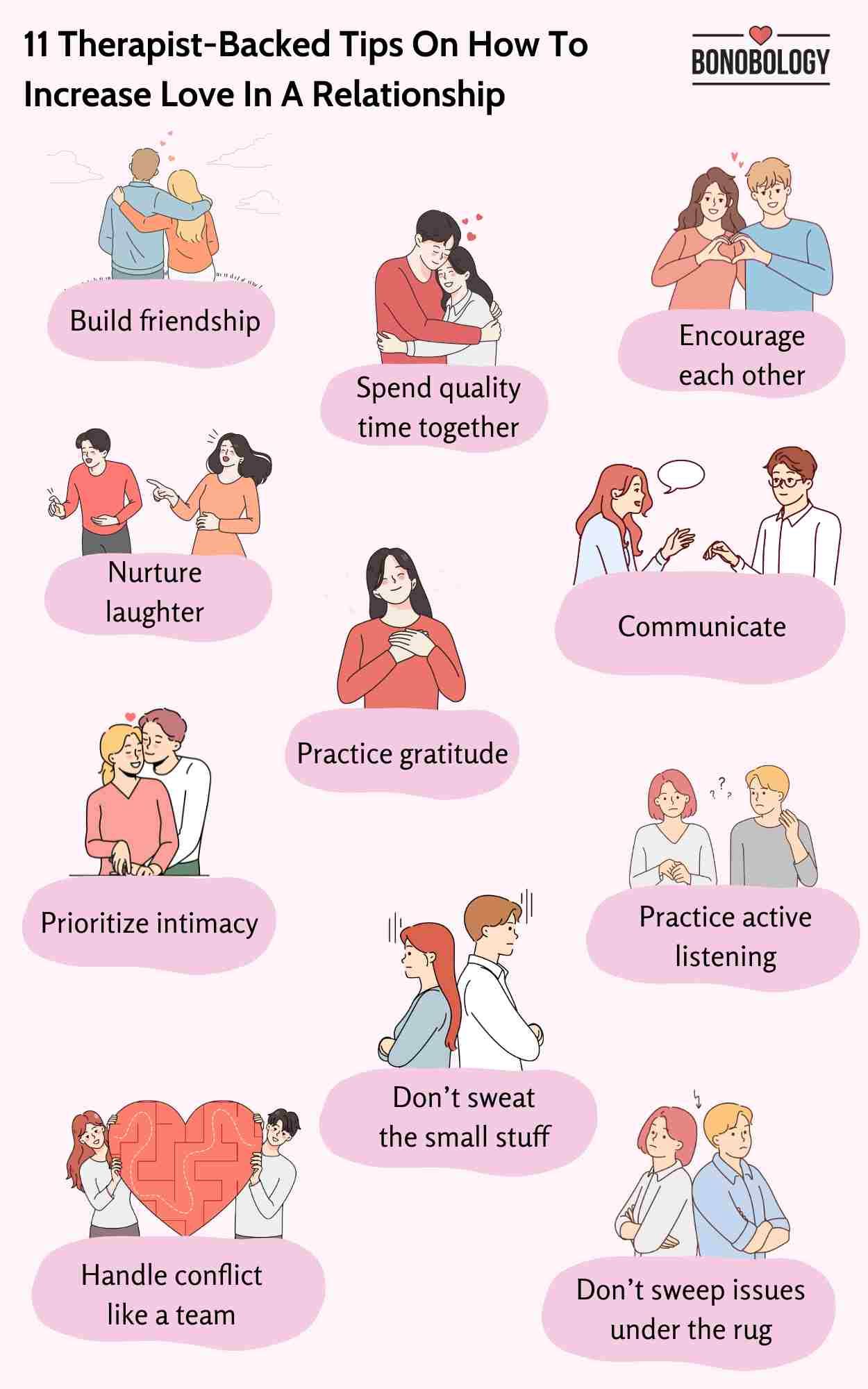
Achieving happy relationship success requires a consistent blend of intentional communication, emotional intelligence, and mutual respect. By prioritizing active listening, maintaining individual autonomy, and fostering a culture of appreciation, couples can build a resilient foundation that withstands the complexities of modern life while deepening their emotional and physical intimacy.
Building a long-term, fulfilling partnership is not a matter of luck; it is a skill-based endeavor. In 2026, as social dynamics continue to evolve alongside technological integration, the fundamental human need for secure attachment remains constant. However, the methods we use to maintain those bonds must be more deliberate than ever. Research in behavioral psychology and interpersonal neurobiology suggests that the happiest couples are not those who never fight, but those who have mastered the art of repair and connection.
The following seven tips provide a comprehensive roadmap for navigating the intricacies of modern partnership, offering actionable strategies grounded in psychological research and practical relationship coaching.
1. Master the Art of Vulnerable Communication
Communication is frequently cited as the most critical factor in relationship health, yet many couples struggle to move beyond surface-level logistics. To achieve true relationship success, partners must transition from "transactional communication" to "vulnerable communication."
Transactional communication involves the "who, what, and when" of daily life—who is picking up the groceries or when the utility bill is due. While necessary, it does not build intimacy. Vulnerable communication, on the other hand, involves sharing fears, desires, and internal experiences. It requires a high degree of psychological safety, where both individuals feel they can speak their truth without fear of ridicule or immediate rejection.
The Practice of Active Listening
Active listening is a prerequisite for vulnerability. It involves more than just hearing words; it requires understanding the emotional subtext. In 2026, with the prevalence of digital distractions, the simple act of putting away a smartphone to give a partner undivided attention has become a powerful radical act of love. When a partner speaks, practice the "reflective listening" technique: summarize what you heard them say and ask, "Did I get that right?" before offering your own perspective or a solution.
Avoiding the Four Horsemen
Drs. John and Julie Gottman identified four communication patterns that predict relationship failure: criticism, contempt, defensiveness, and stonewalling. To ensure success, couples must replace these with constructive behaviors. For instance, instead of criticizing a partner’s character ("You are so selfish"), use a "softened startup" that focuses on your feelings and a specific need ("I feel overwhelmed when the kitchen is messy; could you help me clear the counter tonight?").
2. Cultivate and Update Your "Love Maps"
A "Love Map" is a psychological term for the part of your brain where you store all the relevant information about your partner's life. This includes their current stressors, their favorite movies, their childhood traumas, and their evolving dreams for the future.
The Importance of Continuous Discovery
In the early stages of a relationship, we are naturally curious. We ask endless questions and listen intently. However, as years pass, many couples fall into the "assumption trap," believing they already know everything there is to know about their partner. Humans are dynamic; our tastes, goals, and fears change over time.
To maintain a happy relationship in 2026, you must treat your partner as an ongoing mystery. This means regularly "updating" your Love Map. Ask open-ended questions that go beyond daily routines:
- "What is one thing you’re currently worried about at work?"
- "If you could change one thing about our social life this year, what would it be?"
- "What is a dream you’ve been hesitant to share lately?"
By staying updated on your partner's internal world, you build a foundation of friendship that serves as a buffer during times of high stress or external conflict.
3. Prioritize Emotional Responsiveness and "Bids" for Connection
Success in a relationship is often built in the small, seemingly insignificant moments. Relationship researcher John Gottman refers to these moments as "bids." A bid is any attempt from one partner to get the other’s attention, affirmation, affection, or any other positive connection.
Turning Toward vs. Turning Away
Bids can be subtle (a sigh, a comment about a news headline) or overt (a request for a hug). Couples who report the highest levels of satisfaction "turn toward" their partner’s bids approximately 86% of the time. This means acknowledging the bid, even if briefly. "Turning away" (ignoring the bid) or "turning against" (responding with hostility) erodes trust over time.
In the context of 2026, where "phubbing" (phone snubbing) is a major contributor to relationship dissatisfaction, being mindful of bids is essential. When your partner points something out, even if you are busy, a simple "Oh, that’s interesting" or a quick smile signals that they are valued. These micro-interactions accumulate like a savings account; when a major conflict arises, you have a "reservoir of goodwill" to draw upon.
4. Foster Individual Autonomy and Personal Growth
One of the most common mistakes in long-term relationships is the move toward total enmeshment. While closeness is the goal, losing one's individual identity can lead to resentment, boredom, and a loss of attraction. Happy relationship success requires a balance between "we" and "I."
The Paradox of Intimacy
Psychotherapist Esther Perel often discusses the "paradox of intimacy": for passion and desire to exist, there must be a sense of "otherness" or space between partners. If you are exactly the same person with the same hobbies, friends, and thoughts, there is no room for curiosity.
Supporting your partner’s individual growth—whether that means pursuing a new career path, a hobby, or separate friendships—actually strengthens the bond. It allows each person to bring new energy and perspectives back into the relationship. In 2026, the rise of remote work and hybrid living has made physical space more scarce; therefore, creating "emotional space" through individual pursuits is more vital than ever.
| Aspect of Autonomy | Healthy Expression | Unhealthy Expression (Enmeshment/Distance) |
|---|---|---|
| Friendships | Maintaining separate social circles alongside shared friends. | Abandoning old friends or excluding the partner entirely. |
| Hobbies | Pursuing personal interests that bring individual joy. | Doing everything together out of obligation or guilt. |
| Decision Making | Consulting the partner on major life choices but owning personal tasks. | Seeking permission for minor tasks or making huge changes in secret. |
| Physical Space | Respecting the need for "alone time" without taking it personally. | Interpreting a need for space as a sign of rejection or abandonment. |
5. Develop a Proactive Conflict Management Strategy
It is a myth that happy couples do not fight. In fact, conflict is an inevitable—and even healthy—part of intimacy. It signals that two distinct individuals are attempting to merge their lives. The difference between successful and unsuccessful couples lies in how they handle the friction.
Perpetual Problems vs. Solvable Problems
Research shows that 69% of relationship conflicts are "perpetual problems"—issues rooted in fundamental differences in personality or lifestyle preferences that will never truly go away. Successful couples learn to manage these problems rather than trying to "solve" them once and for all. They use humor, affection, and compromise to navigate the stalemate.
The 5:1 Ratio
During a conflict, the ratio of positive to negative interactions is a key predictor of stability. Stable, happy relationships maintain a ratio of at least 5 positive interactions (such as a touch, a joke, or an admission of "I see your point") for every 1 negative interaction. If your conflict becomes purely negative, it’s time to take a "physiological time-out."
A time-out is not an act of avoidance; it is a biological necessity. When the heart rate exceeds 100 beats per minute, the "fight or flight" system takes over, making rational problem-solving impossible. Agreeing to pause a conversation for 20 minutes to calm down—and then returning to the topic—is a hallmark of a mature, successful partnership.
6. Create Shared Meaning and Rituals of Connection
Beyond friendship and conflict management, the most resilient relationships are those that have a sense of "shared meaning." This involves a mutual understanding of what the relationship is for and where it is going.
Rituals of Connection
Rituals are structured ways of connecting that you can count on. They provide a sense of security and continuity. In a fast-paced 2026 environment, these rituals act as anchors. Examples include:
- Daily Transition Rituals: A six-second kiss when leaving for work or returning home, which is long enough to trigger the release of oxytocin.
- Weekly "State of the Union": A 30-minute meeting to discuss what went well in the relationship that week and what needs improvement.
- Annual Goal Setting: Discussing individual and joint goals for the upcoming year, ensuring both partners feel supported in their aspirations.
Shared Values and Legacy
Creating shared meaning also involves aligning on core values. Are you building a family? A business? A life of adventure? When both partners feel they are part of a "team" working toward a larger purpose, daily annoyances become much easier to tolerate.
7. Practice Radical Gratitude and Appreciation
The human brain has a natural "negativity bias," meaning we are more likely to notice what our partner is doing wrong than what they are doing right. Over time, this can lead to a "culture of criticism." Happy relationship success requires a conscious effort to flip this script toward a "culture of appreciation."
The "I See You" Effect
Appreciation is more than just saying "thank you." It is about noticing the small things that your partner does for the benefit of the household or the relationship. Expressing gratitude for a partner's character traits ("I really appreciate how patient you were with the kids today") is often more impactful than thanking them for a task.
Neurobiologically, receiving appreciation triggers the reward centers of the brain, encouraging the partner to repeat the positive behavior. Furthermore, the person expressing the gratitude benefits as well, as it trains their brain to look for the positive aspects of the relationship. In 2026, where social media often encourages us to compare our "behind the scenes" with everyone else’s "highlight reel," focusing on gratitude for your specific partner is a vital protection against dissatisfaction.
Frequently Asked Questions
How can we maintain intimacy if we both work long hours? Intimacy is often built in "micro-moments" rather than grand gestures. If work hours are long, focus on "ritualized connection." This could be a 10-minute morning coffee together without phones, or a dedicated "no-work-talk" window before bed. The quality of the time spent matters more than the quantity. High-functioning couples in 2026 use shared digital calendars not just for work, but to block out "protected time" for the relationship.
Is it normal to have the same argument over and over again? Yes. As noted by the Gottman Institute, the majority of relationship conflicts are perpetual. These usually stem from differences in personality or core values (e.g., one person is a saver, the other is a spender). Success isn't about ending the argument, but about learning to discuss it with humor and mutual respect so it doesn't become a source of resentment.
How do we handle the influence of social media on our relationship? Social media can create unrealistic expectations and provide "easy" exits during tough times. The best approach is to establish clear boundaries together. This might include "phone-free zones" (like the bedroom or dinner table) and an agreement on what is appropriate to share about the relationship online. Transparency and mutual agreement on these digital boundaries are essential for trust in 2026.
What should I do if my partner is not interested in "relationship work"? You cannot force a partner to change, but you can change the dynamic by changing your own behavior. Often, when one partner begins practicing active listening or expressing more gratitude, the other partner naturally responds in kind. However, if there is a persistent refusal to engage or address toxic patterns, seeking professional guidance from a licensed therapist (such as those registered with the American Association for Marriage and Family Therapy) is a recommended next step.
Does a "happy" relationship mean we are happy all the time? No. A successful relationship is not characterized by a constant state of euphoria. Rather, it is characterized by "resilience"—the ability to navigate periods of sadness, boredom, or stress together. A healthy relationship provides a safe base from which to experience the ups and downs of life.
Final Recommendation for Success
To begin implementing these tips, start with one small change this week: the "Six-Second Kiss" or a daily expression of gratitude. Happy relationship success is not the result of a single monumental event, but the cumulative effect of small, positive choices made every day. If you find yourselves stuck in a cycle of conflict that you cannot break on your own, do not wait for a crisis to seek help. Early intervention through couples coaching or therapy is one of the most effective ways to ensure your partnership remains thriving and vibrant throughout 2026 and beyond.