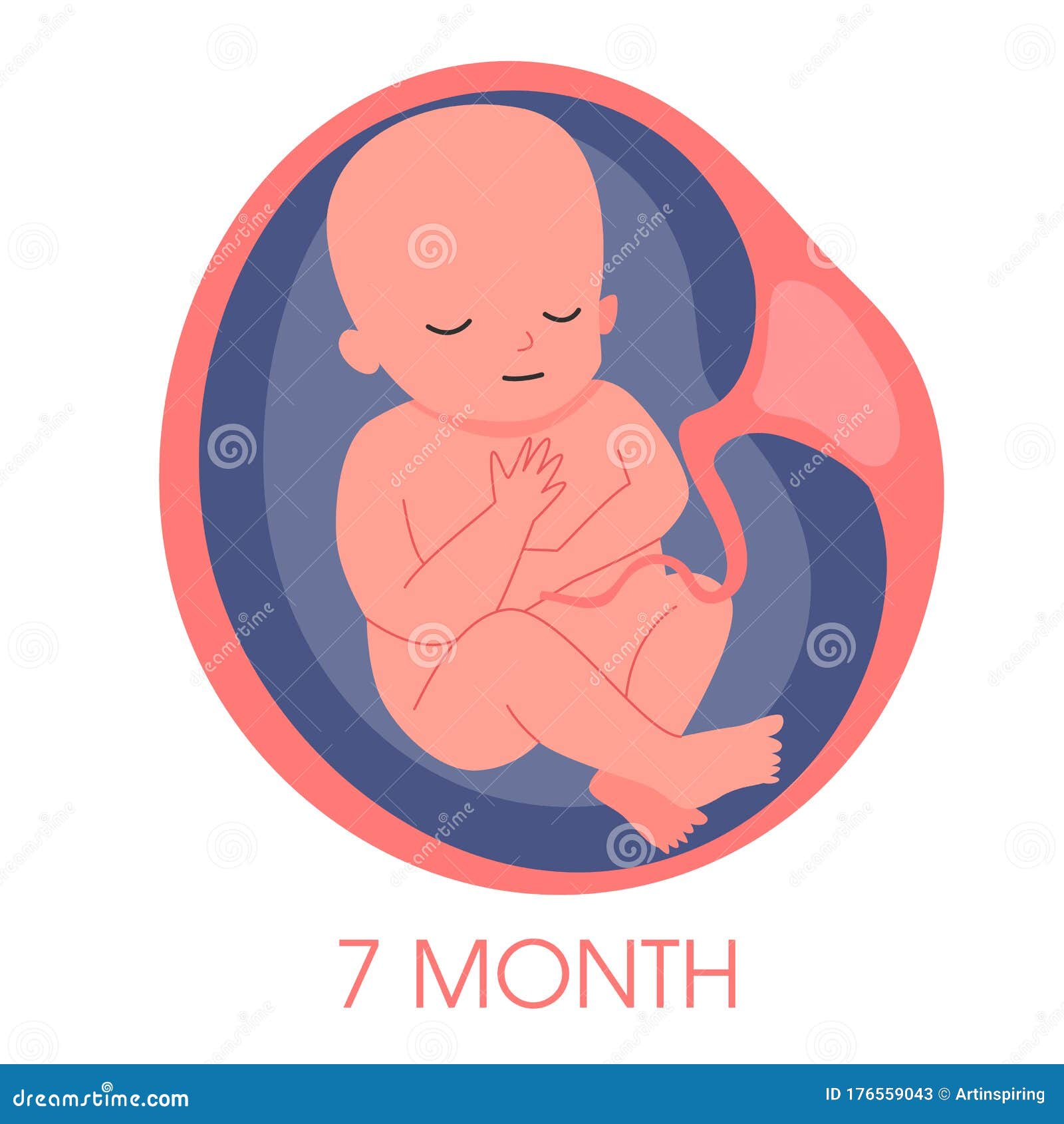
Spotting or light vaginal bleeding during the third trimester, specifically at seven months pregnant (around 28 weeks), is a symptom that requires immediate medical evaluation to ensure the health and safety of both the parent and the fetus. While some causes of late-pregnancy bleeding are minor and non-threatening, others indicate serious complications that demand urgent intervention by an obstetrician or emergency medical services.
The Critical Nature of Third-Trimester Bleeding
Reaching the seven-month mark signifies the official entry into the third trimester of pregnancy. At this stage, any vaginal bleeding or spotting should never be ignored or assumed to be normal without professional verification. Unlike implantation bleeding or mild spotting in the first trimester, bleeding at 28 weeks or later can originate from changes in the cervix, the placenta, or the integrity of the amniotic sac.
When a pregnant individual notices spotting, the immediate priority is identifying the exact source and volume of the blood. Even light spotting can occasionally serve as an early warning sign for significant obstetric conditions. Consequently, healthcare providers routinely advise patients to contact their labor and delivery triage unit or obstetrician immediately upon noticing any vaginal blood loss during the third trimester.
Disclaimer: The following information is for educational purposes and does not replace professional medical advice, diagnosis, or treatment. Always consult a qualified healthcare provider regarding pregnancy-related concerns.
Common and Potential Causes of Spotting at 7 Months
To understand what spotting means at seven months pregnant, healthcare professionals evaluate several primary physiological and pathological sources. These causes range from routine, benign cervical changes to life-threatening placental emergencies.
Benign Cervical Changes
During pregnancy, the cervix undergoes substantial vascularization—an increase in blood supply—to support the developing fetus. The tissue becomes exceptionally sensitive and fragile.
- Cervical Irritation: Normal physical activities, such as a pelvic exam performed by a clinician or sexual intercourse, can easily rupture tiny capillaries on the surface of the cervix. This mechanical irritation often results in light spotting or pinkish-brown discharge that typically resolves on its own within a short period.
- Cervical Polyps: Benign growths on the cervix are common during pregnancy due to elevated hormone levels. These polyps are fragile and prone to bleeding when bumped or irritated.
Placental Complications
Placental issues represent the most critical category of third-trimester bleeding because they can rapidly compromise maternal and fetal well-being.
- Placenta Previa: This condition occurs when the placenta implants low in the uterus, partially or completely covering the cervical opening. As the lower uterine segment stretches and thins during the third trimester, the placental attachment can disrupt, causing painless, bright red bleeding.
- Placental Abruption: In this medical emergency, the placenta prematurely separates from the inner wall of the uterine lining before delivery. It frequently presents with dark red vaginal bleeding accompanied by severe abdominal pain, uterine tenderness, or persistent uterine contractions.
- Vasa Previa: A rare but dangerous condition where fetal blood vessels run across or near the internal opening of the cervix unprotected by placental tissue or the umbilical cord. If these vessels tear, it can lead to rapid fetal blood loss.
Labor-Related Bleeding
As the body prepares for childbirth, albeit early in the case of preterm labor, certain changes occur within the reproductive tract.
- Bloody Show: The expulsion of the mucus plug, which often contains streaks of blood, indicates that the cervix is softening, effacing, and dilating. While a bloody show can happen right before full-term labor, spotting at seven months can occasionally signal preterm labor or premature cervical dilation.
- Preterm Labor: Uterine contractions accompanied by spotting, pelvic pressure, or lower back pain at 28 weeks can signify the onset of labor before the fetus has reached full term.
Evaluating Bleeding Characteristics
Medical providers rely heavily on the specific characteristics of the bleeding to narrow down potential causes. When assessing spotting at seven months, individuals should note several key factors to report to their medical team.
| Characteristic | Benign / Non-Urgent Indicators | High-Risk / Urgent Indicators |
|---|---|---|
| Color | Brown, pink, or light red mixed with mucus | Bright red, dark red, or heavy flow |
| Volume | Streaks on tissue, minor spotting on a liner | Requires a pantyliner, pad, or continuous flow |
| Associated Pain | None, or mild, fleeting pressure | Severe abdominal pain, cramping, or rigid uterus |
| Fetal Movement | Consistent and normal fetal movement pattern | Decreased or absent fetal movement |
Color and Consistency
- Bright Red Blood: Typically indicates fresh bleeding originating directly from the placenta or active cervical sources. This color demands immediate evaluation.
- Brown or Pink Discharge: Often represents older blood that has taken longer to exit the reproductive tract, frequently associated with minor cervical irritation or a recent internal exam.
- Mucus-Mixed Blood: Can indicate cervical effacement, the passage of the mucus plug, or localized inflammation.
Necessary Steps and Action Plan
When spotting occurs at seven months pregnant, following a structured, safe protocol ensures prompt medical assessment and minimizes risks.
- Cease Strenuous Activity: Immediately stop physical exercise, heavy lifting, or sexual intercourse.
- Use a Clean Pad: Wear a sanitary pad to track the volume and color of the bleeding accurately. Avoid inserting anything into the vagina, including tampons, as this can introduce bacteria or worsen bleeding if placenta previa is present.
- Contact Your Healthcare Provider: Call your obstetrician, midwife, or designated pregnancy triage line right away. Describe the exact color, amount, and duration of the spotting, along with any accompanying symptoms.
- Monitor Fetal Activity: Pay close attention to fetal movements. Perform a kick count if instructed by your medical team. A decrease in fetal movement combined with spotting is an emergency.
- Proceed to Labor and Delivery: If instructed by your provider, or if you experience heavy bleeding, severe pain, dizziness, or signs of labor, go directly to the nearest hospital's emergency department or labor and delivery unit.
Diagnostic Procedures in a Clinical Setting
Upon arrival at a medical facility for third-trimester spotting, clinicians perform specific evaluations to determine the exact cause and ensure fetal safety.
- Fetal Monitoring: An electronic fetal monitor tracks the fetal heart rate and checks for uterine contractions to ensure the baby is tolerating the event well.
- Ultrasound Examination: A transabdominal or transvaginal ultrasound allows the physician to visualize the exact location of the placenta, check for placental abruption, and assess amniotic fluid levels. Transvaginal ultrasound is safe even when bleeding is present, provided placenta previa has not been ruled out via speculum exam restrictions.
- Physical Speculum Exam: Depending on ultrasound findings confirming the placenta is not covering the cervix, a gentle speculum exam may be performed to inspect the cervix for polyps, tears, or active bleeding sources. Digital (finger) cervical exams are typically avoided until placenta previa is definitively ruled out.
- Laboratory Testing: Blood tests, including a complete blood count (CBC), coagulation profile, and blood typing (to check Rh status), help determine if anti-D immune globulin (RhoGAM) is required for Rh-negative individuals.
Frequently Asked Questions
Is any amount of spotting normal at 7 months pregnant?
No amount of vaginal bleeding or spotting in the third trimester should be categorized as definitively "normal" without clinical evaluation. While harmless causes like cervical irritation exist, every instance of spotting at seven months warrants a call to your healthcare provider to rule out serious complications.
Can sex cause spotting during the third trimester?
Yes. The cervix is extremely vascular and sensitive at seven months pregnant. Sexual intercourse or deep pelvic exams can cause superficial capillaries on the cervix to rupture, resulting in light pink or brown spotting that usually subsides quickly. However, a doctor must still confirm the cause.
What is the difference between placenta previa and placental abruption?
Placenta previa occurs when the placenta implants over or near the cervical opening, often causing painless, bright red bleeding. Placental abruption happens when the placenta detaches from the uterine wall prematurely, typically causing painful bleeding, uterine tenderness, and potential fetal distress. Both require emergency medical care.
When should I go straight to the emergency room instead of calling my doctor?
Go directly to the nearest hospital emergency room or labor and delivery unit if you experience heavy vaginal bleeding soaking through a pad, severe or sharp abdominal pain, regular rhythmic contractions, dizziness, fainting, or a noticeable decrease in fetal movement.
Will spotting at 7 months always lead to preterm delivery?
Not necessarily. If the spotting is caused by minor cervical irritation, a benign polyp, or a mild, self-limiting issue, the pregnancy can safely continue under close medical observation. Treatment and outcomes depend entirely on the underlying diagnosis established by your clinical team.
Conclusion and Next Actions
Experiencing spotting at seven months pregnant is a critical signal that requires an immediate, measured response. By recognizing the potential gravity of third-trimester bleeding, avoiding internal manipulation, and contacting a medical professional without delay, you ensure the fastest path to an accurate diagnosis and appropriate care. Prioritize contacting your obstetrician or heading to a specialized labor and delivery unit immediately to safeguard your health and your baby's well-being.