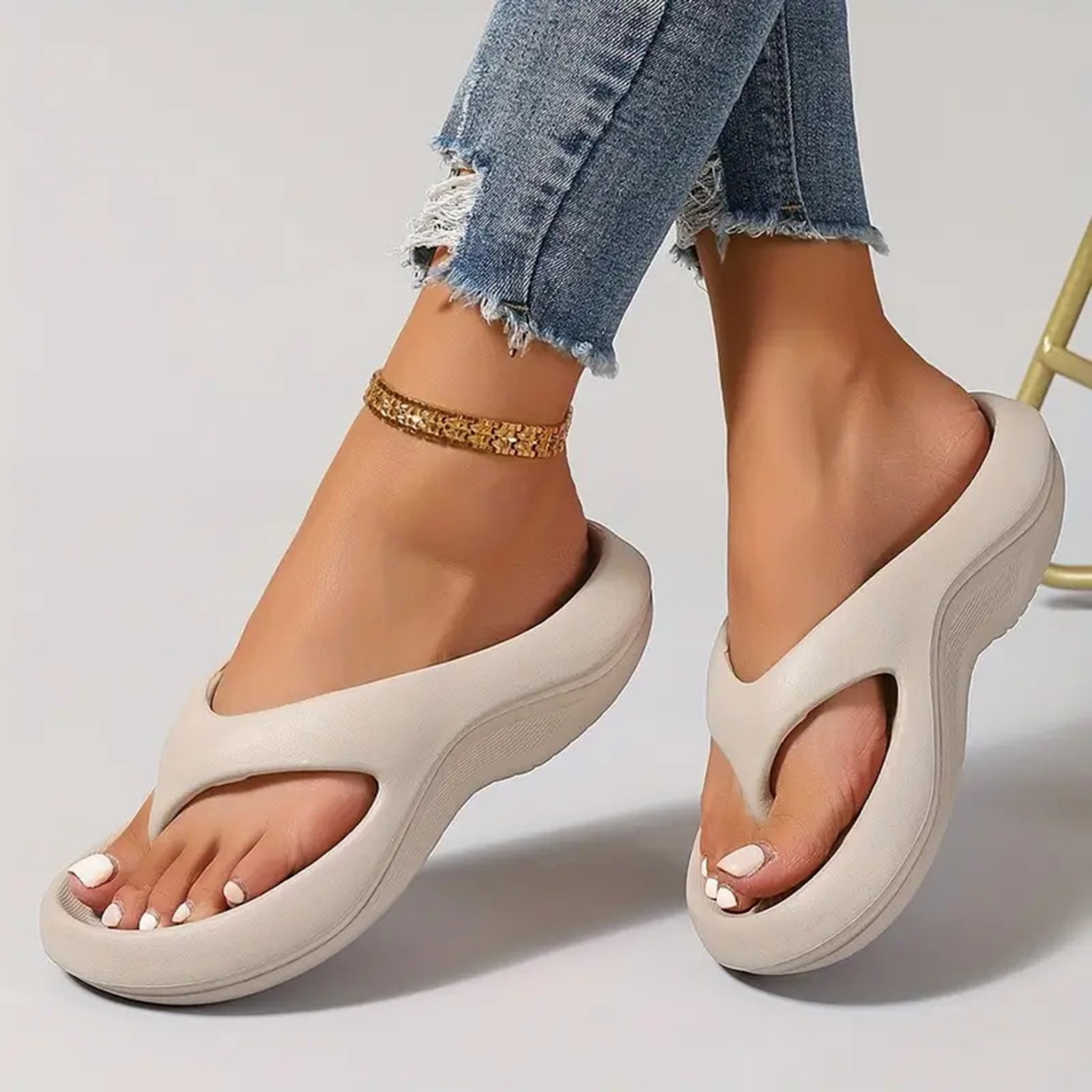
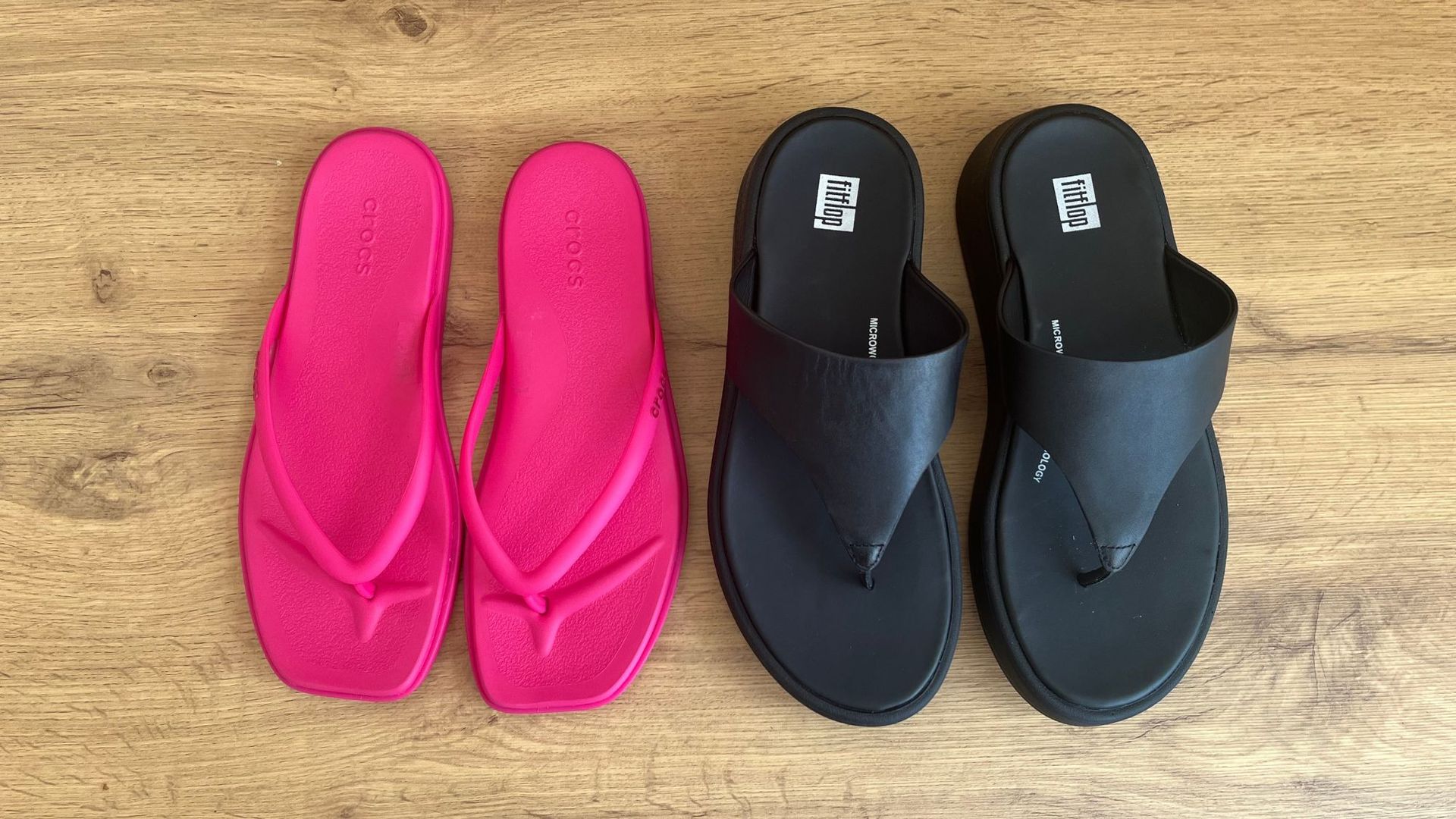
Traditional flat flip flops offer virtually zero structural support, which can quickly lead to foot fatigue, arch strain, and heel pain like plantar fasciitis. Choosing the right pair of arch support flip flops bridges the gap between casual summer convenience and essential podiatric health by providing targeted biomechanical alignment.
Understanding the Need for Arch Support in Footwear
When summer arrives, the temptation to slip into casual sandals is hard to resist. However, conventional flat flip flops lack structural integrity, forcing the foot's intrinsic muscles to overcompensate with every step. Without a contoured footbed or a deep heel cup, the plantar fascia—the thick band of tissue running across the bottom of your foot—absorbs excessive shock and tension. Over time, this repetitive strain can manifest as sharp heel pain, arch cramping, and general lower-limb fatigue that radiates up into the calves and lower back.
Podiatrists and orthopedic specialists frequently caution against wearing unsupportive footwear for extended periods. When the arch collapses inward with each stride (overpronation), it alters the body's natural kinetic chain, throwing the ankles, knees, and hips out of alignment. Arch support flip flops are engineered to counteract these issues. By incorporating anatomically molded footbeds, deep heel cups, and firm yet flexible midsoles, these specialized sandals distribute body weight more evenly across the entire plantar surface. This design stabilizes the foot, reduces excessive pronation, and cushions against impact forces on hard pavement or boardwalks.
Transitioning to supportive sandals requires understanding that not all arch profiles are created equal. Individuals with low arches or flat feet typically require firmer, motion-control stability, while those with high arches need substantial midfoot elevation to prevent the arch from sagging. Recognizing your foot type is the first step toward selecting a model that provides genuine therapeutic relief rather than just a marketing claim.
Key Evaluation Criteria for Supportive Sandals
Evaluating arch support flip flops requires looking beyond aesthetic appeal to examine the underlying materials, construction, and biomechanical features. A truly supportive sandal must balance structural rigidity with walking comfort. The following core criteria dictate how well a pair of flip flops will perform under daily wear conditions:
- Arch Contour and Height: The footbed must feature a pronounced, three-dimensional rise that matches the natural curve of the midfoot. It should not flatten out under body weight.
- Midsole Density and Cushioning: High-grade EVA (Ethylene-Vinyl Acetate) foam or polyurethane provides durable shock absorption. Dual-density midsoles offer a firmer base near the arch with a softer top layer for immediate step-in comfort.
- Heel Stabilization: A deep heel cup cradles the heel pad, keeping the foot properly aligned and preventing lateral sliding within the footbed.
- Outsole Traction and Durability: Rubber outsoles with strategic tread patterns prevent slipping on wet surfaces, while durable rubber compounds resist premature wear on abrasive terrain.
- Strap Material and Construction: Soft fabric, neoprene linings, or high-grade full-grain leather prevent friction blisters between the toes and across the instep, ensuring secure retention without chafing.
Detailed Comparison of the Top 7 Arch Support Flip Flops
The market features numerous options designed to alleviate foot pain during warm-weather months. To help you identify the ideal model for your specific biomechanical needs, lifestyle, and budget, the following comparison breaks down seven leading contenders known for their podiatrist-approved construction and reliable performance.
1. Orthofeet Kita Orthopedic Flip Flops
Orthofeet is widely recognized for its clinical approach to footwear, and the Kita model brings advanced therapeutic technology into a casual sandal silhouette. Designed specifically for individuals dealing with chronic foot conditions such as plantar fasciitis, arthritis, and diabetic neuropathy, these flip flops feature an anatomical orthotic insole with adjustable arch boosters.
The standout feature of the Kita is its customizable support system. Users can insert or remove small booster pads underneath the insole to fine-tune the height of the arch support. The lightweight ergonomic sole absorbs impact effectively, while the soft, padded strap reduces friction across the top of the foot.
- Best For: Severe plantar fasciitis and customizable arch height.
- Pros: Adjustable arch support boosters included; highly cushioned stride; diabetic-friendly seamless interior.
- Cons: Bulkier profile than traditional minimalist flip flops; higher price point.
2. Vionic Tide II Toe Post Sandal
Vionic has established a dominant presence in the supportive footwear space, largely thanks to its proprietary Vio-Motion technology developed by podiatrists. The Tide II is a flagship model that seamlessly blends traditional beach-ready aesthetics with biomechanical engineering.
At the core of the Tide II is a rigid, podiatrist-designed footbed that promotes proper alignment from the ground up. The deep heel cup stabilizes the rearfoot, while the firm, supportive arch gently pushes up against flat or neutral arches. Crafted with a durable rubber outsole and available in numerous leather and fabric upper options, it transitions effortlessly from casual errands to coastal walks.
- Best For: Everyday casual wear and reliable overpronation control.
- Pros: APMA (American Podiatric Medical Association) Accepted; excellent arch rigidity; diverse upper material choices.
- Cons: Break-in period can take a few days as the rigid arch molds to your foot.
3. Oofos OOriginal Thong Sandal
While most supportive sandals rely on firm foams or hard plastic inserts to prop up the arch, Oofos takes an entirely different approach focused on active recovery and maximum shock absorption. Constructed from a proprietary foam compound called OOfoam, the OOriginal absorbs 37% more impact than traditional footwear foam.
The footbed features a heavily contoured arch and a cradling heel, but the magic lies in how the soft, flexible foam yields to the foot while still providing structural guidance. These sandals are frequently utilized by runners, athletes, and individuals standing on hard floors for hours, as they reduce stress on the knees, ankles, and lower back.
- Best For: Post-workout recovery and maximum shock absorption.
- Pros: Exceptionally lightweight; machine washable; drastically reduces impact shock.
- Cons: Softer foam compresses faster over years of heavy use; styling is chunky and utilitarian.
4. Spenco Yumi Plus Sandal
Spenco is a legendary name in foot care, renowned for its Total Support footbed technology. The Yumi Plus sandal incorporates this medical-grade orthotic support into a stylish, water-resistant package suitable for poolside lounging or active walking.
The Yumi Plus features a deep heel cupping system, advanced forefoot cushioning, and a metatarsal dome that relieves pressure on the ball of the foot. The compression-molded EVA footbed is antimicrobial to resist odor buildup, and the synthetic upper straps feature a soft, moisture-wicking lining that prevents rubbing.
- Best For: Metatarsal relief and water-friendly versatility.
- Pros: Metatarsal dome alleviates forefoot pain; antimicrobial footbed treatment; highly durable construction.
- Cons: The toe post can feel slightly stiff initially.
5. OluKai Ho'opio Leather Sandal
For those who prioritize premium aesthetics, rich leather textures, and long-lasting durability without sacrificing foot health, the OluKai Ho'opio is an exceptional choice. OluKai designs its footwear around the ocean lifestyle, ensuring that structural support does not compromise flexibility or elegance.
The Ho'opio features a anatomical polyurethane footbed with a micro-texture for traction and a carefully engineered chassis that supports the natural arch contour. The water-resistant synthetic or full-grain leather straps are paired with a soft nylon toe post. While slightly less rigid in the arch than a dedicated medical orthotic, it offers superior support compared to standard lifestyle sandals.
- Best For: Premium leather styling and travel versatility.
- Pros: High-end materials; water-resistant leather options; sleek, low-profile silhouette.
- Cons: Arch support is moderate rather than aggressive, making it less ideal for severe overpronation.
6. KuBUD Arch Support Orthotic Flip Flops
Targeting budget-conscious consumers who still require legitimate anatomical support, KuBUD offers a supportive thong sandal featuring a high-rebound EVA midsole and a pronounced orthotic arch. These sandals are engineered to distribute pressure away from the heel and midfoot.
The deep heel cup helps keep the foot secure and centered, minimizing lateral shifting. The upper straps are lined with soft fabric to prevent blistering, making them a popular choice for vacations involving extensive walking on boardwalks or resort grounds.
- Best For: Value-focused shoppers needing immediate structural relief.
- Pros: Affordable price point; effective deep heel cup; lightweight design.
- Cons: Durability of the outsole tread is lower than premium legacy brands.
7. Telic Recovery Flip Flops
Similar to Oofos, Telic focuses heavily on recovery and pressure relief, utilizing a specialized compound called Novalon. This material is heat-activated, meaning it molds precisely to the unique contours of your foot's arch and heel shape as your body temperature warms the sandal.
The rocker-bottom sole design promotes an even stride and propels the foot forward naturally, reducing the energy required to walk. Telic flip flops are featherlight, float in water, and provide consistent orthopedic support that cushions every step against harsh impact.
- Best For: Heat-molding custom fit and joint stress reduction.
- Pros: Heat-activated custom contouring; rocker bottom aids natural walking motion; featherlight weight.
- Cons: Extremely casual appearance; material can degrade if left exposed to intense direct sunlight for prolonged periods.
| Product Name | Primary Focus | Arch Profile | Distinctive Feature | Best Suited For |
|---|---|---|---|---|
| Orthofeet Kita | Customization & Therapy | Firm / Adjustable | Removable arch boosters | Chronic plantar fasciitis |
| Vionic Tide II | Podiatric Alignment | High & Rigid | Vio-Motion technology | Everyday stability & overpronation |
| Oofos OOriginal | Shock Absorption | Contoured / Moderate | OOfoam technology | Post-workout recovery |
| Spenco Yumi Plus | Metatarsal & Arch Support | Firm | Metatarsal dome | Forefoot and arch pain |
| OluKai Ho'opio | Premium Lifestyle | Moderate | Water-resistant leather | Travel and casual elegance |
| KuBUD Orthotic | Budget Support | Pronounced | High-rebound EVA | Affordable daily wear |
| Telic Recovery | Heat-Molding Comfort | Adaptive | Novalon heat-activated material | Joint stress reduction |
Factors to Consider Before Purchasing
Selecting the right arch support flip flop goes beyond reading specification sheets. To ensure long-term satisfaction and genuine foot comfort, you must evaluate how your personal biomechanics intersect with environmental and lifestyle factors.
Assessing Your Foot Arch Type
Your foot architecture dictates the level of structural rigidity you require.
- Flat Feet / Low Arches: Look for firm, structured arch support that resists collapsing inward. Brands like Vionic and Spenco excel here because their hard-molded footbeds prevent excessive overpronation.
- High Arches (Pes Cavus): High arches require substantial midfoot elevation to fill the gap beneath the foot, alongside robust heel cushioning to absorb shock since high arches naturally lack flexible shock absorption. Orthofeet and Spenco work exceptionally well for this profile.
- Neutral Arches: If your foot maintains a moderate, natural curve, you have greater flexibility. Recovery sandals like Oofos and Telic, or lifestyle sandals like OluKai, will provide ample comfort without feeling overly rigid.
Usage Environment: Water vs. Dry Land
Consider where you plan to wear your sandals most frequently. If your summer involves beach trips, boat decks, or poolside lounging, prioritize water-friendly synthetic materials, moisture-resistant EVA foam, and rubber outsoles with high wet-traction ratings. Conversely, if your sandals will serve primarily as house shoes or walking shoes for running errands in dry weather, premium leather uppers and softer recovery foams will offer superior tactile comfort and aesthetic versatility.
Common Mistakes to Avoid When Buying Supportive Sandals
Many buyers make avoidable errors that result in wasted money and continued foot discomfort. Being aware of these pitfalls ensures a successful purchase:
- Confusing Softness with Support: A squishy, ultra-soft flat flip flop feels comfortable for the first five minutes, but it offers zero structural support. True arch support requires a firm, contoured foundation that resists flattening under weight.
- Ignoring the Break-In Period: Podiatric sandals with rigid arch inserts often require a 3-to-7-day break-in period. Wearing them for an entire day straight out of the box can cause mild foot soreness as your muscles adapt to proper alignment.
- Neglecting Sizing Nuances: Because supportive sandals feature contoured heel cups and specific arch placement zones, sizing matters immensely. If your heel slips backward over the cup or your arch rests on top of the arch crest instead of in the center, the sandal cannot perform its biomechanical function. Always check manufacturer sizing charts regarding half-sizes.
Frequently Asked Questions
Can arch support flip flops cure plantar fasciitis?
While supportive flip flops cannot unilaterally "cure" chronic medical conditions, they serve as a critical tool in managing and alleviating plantar fasciitis symptoms. By reducing excessive strain on the plantar fascia tissue and preventing foot collapse, they allow the inflammation to subside, especially when combined with stretching and professional medical guidance.
How long do arch support flip flops typically last?
Depending on frequency of use and the density of the midsole materials, most quality supportive sandals last between one to two years of regular summer wear. Recovery foams like OOfoam may compress and lose their maximum shock-absorption capacity slightly faster under heavy daily use than rigid polyurethane or EVA orthopedic footbeds.
Are podiatrist-recommended sandals okay to wear all day?
While supportive sandals are vastly superior to flat flip flops, podiatrists generally advise against wearing any open-heel sandal as an exclusive all-day footwear solution for heavy walking. For extended walking or standing shifts, structured athletic shoes with custom orthotics remain the gold standard, reserving supportive sandals for warm weather, casual outings, and recovery periods.
Can I wash my arch support sandals in a washing machine?
It depends entirely on the materials used. Foam recovery sandals like Oofos and Telic are typically machine-washable on a gentle cycle with cold water. However, sandals featuring genuine leather straps, cork, or glued orthopedic inserts should never be submerged in water or machine-washed; instead, clean them by hand using a damp cloth and mild soap.
Final Recommendation for Pain-Free Walking
Choosing the right arch support flip flop transforms summer footwear from a source of foot fatigue into an asset for podiatric health. If you suffer from chronic overpronation or severe plantar fasciitis, prioritize structured, podiatrist-approved stability models like the Vionic Tide II or the customizable Orthofeet Kita. If your primary goal is easing joint impact after intense physical activity or long standing shifts, look toward shock-absorbing recovery models like the Oofos OOriginal or Telic Recovery Flip Flops. Evaluate your arch type, match the materials to your environment, and give your feet the structured support they deserve.