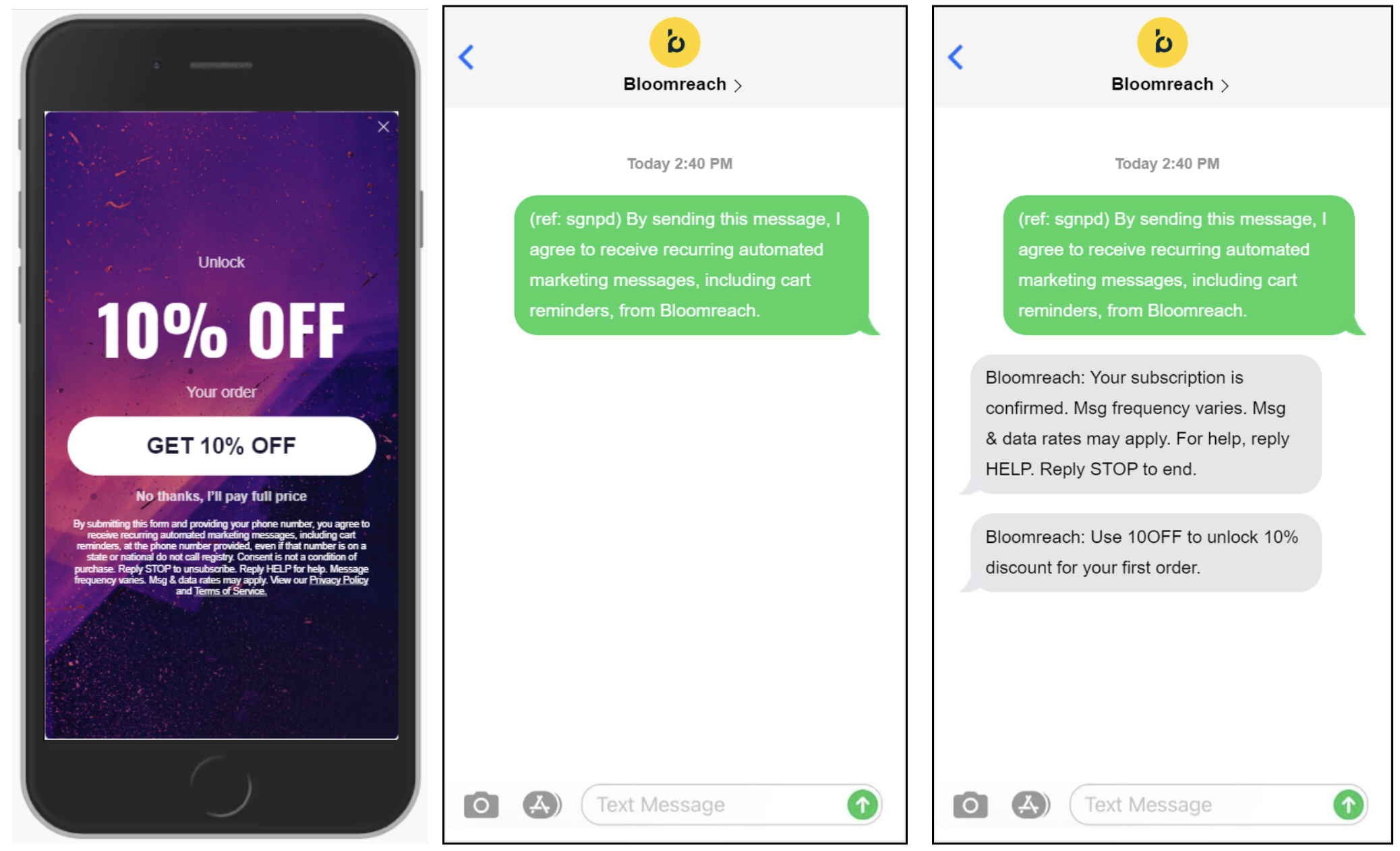
Mastering SMS opt-in strategies requires understanding how to balance regulatory compliance, user experience, and clear value propositions. Effective mobile messaging starts long before a customer receives their first text; it begins with a transparent, frictionless signup process that respects consumer privacy while clearly communicating the exact benefits of joining your messaging list.
SMS marketing remains one of the most direct and engaging channels for connecting with audiences, boasting open rates that consistently outperform traditional email marketing. However, because mobile numbers are deeply personal, users are increasingly cautious about sharing them. Regulatory frameworks like the Telephone Consumer Protection Act (TCPA) in the United States and global standards like GDPR require strict adherence to consent collection guidelines. To build a robust, compliant, and responsive subscriber base, businesses must deploy creative, context-aware opt-in mechanisms that encourage users to subscribe willingly.
Understanding SMS Opt-In Compliance and Best Practices
Before deploying specific opt-in campaigns, organizations must understand the legal and technical boundaries of mobile messaging. Consent is not a singular concept; it requires explicit, verifiable permission from the subscriber. Building a sustainable mobile marketing strategy relies heavily on adhering to these foundational rules.
The Role of Express Written Consent
Under current compliance standards, brands cannot simply buy phone number lists or assume consent because a user made a purchase. Express written consent is mandatory for marketing messages. This means the consumer must take a clear, affirmative action—such as checking an unselected box, texting a keyword to a short code, or filling out a form—acknowledging that they agree to receive recurring automated marketing texts from the specific brand.
Essential Disclosures at the Point of Capture
Every opt-in mechanism must clearly display specific disclosures to the user before they submit their phone number. Omitting these details can lead to compliance violations, hefty fines, and carrier filtering. Essential elements include:
- Program name or brand identity.
- Description of the types of messages to expect.
- Frequency of messages (e.g., "approx. 4 msgs/month").
- A clear statement that message and data rates may apply.
- Easily accessible links to Terms of Service and Privacy Policy.
- Instructions on how to opt out (e.g., "Reply STOP to cancel").
Example 1: The Keyword-to-Shortcode (Text-to-Join) Opt-In
The text-to-join method is one of the most versatile and frictionless opt-in examples because it bridges offline environments with digital messaging. By prompting users to text a specific keyword to a short code or toll-free number, brands can capture leads instantly from physical or digital spaces.
| Element | Specification |
|---|---|
| Call to Action (CTA) | "Text JOIN50 to 555-01" |
| Target Audience | In-store shoppers, event attendees |
| Primary Benefit | Instant discount code delivery |
| Compliance Mechanism | Auto-reply confirming consent |
How It Works in Practice
Imagine a retail storefront featuring a sign at the checkout counter or on a promotional display that reads: "Text STYLE to 1-800-555-SHOP to unlock 20% off your current purchase." The customer pulls out their mobile phone, opens their messaging app, types the keyword STYLE, and sends it to the designated number.
Why It Is Effective
This method minimizes friction by eliminating the need to type out an email address or fill out a cumbersome web form on a mobile device. The response is instantaneous. Within seconds, an automated responder replies with the discount code, a double opt-in confirmation request, and required compliance language. This immediate gratification dramatically increases conversion rates in high-intent environments like physical retail outlets, live events, or podcasts.
Example 2: The E-Commerce Checkout Opt-In Checkbox
Integrating SMS consent directly into the digital checkout funnel is a primary driver of subscriber growth for e-commerce brands. Because customers are already inputting their personal details to complete a transaction, adding a messaging consent option feels natural rather than intrusive.
Implementation Best Practices
During the final steps of a digital checkout—typically on the payment or shipping review screen—the platform presents a distinct checkbox alongside the phone number field.
- The Checkbox Rule: The checkbox must never be pre-selected by default. True consent requires the user to manually click or tap the box.
- Inline Disclosure: Directly beneath or beside the checkbox, clear text states: "Sign me up for SMS alerts about order updates, flash sales, and exclusive discounts. Message frequency varies. Msg & data rates apply. Reply STOP to cancel."
Balancing Abandoned Cart Recovery and Marketing
Brands often segment this opt-in into two distinct tiers: transactional updates (which are inherently consented to during purchase) and promotional marketing. By capturing marketing consent at checkout, brands instantly build profiles for high-value customers, enabling them to send automated abandoned cart reminders or post-purchase review requests via SMS.
Example 3: The Pop-Up Form on Website Entry or Exit
Digital pop-ups remain a dominant lead-generation tool when executed with restraint and clear value exchange. Instead of collecting only email addresses, modern web pop-ups increasingly capture both email and mobile numbers.
Designing a Dual-Capture Form
An effective website pop-up appears after a user spends a designated amount of time on a page or triggers an exit-intent behavior. The design should feature a compelling headline, such as "Get $10 Off Your First Order."
The form fields include:
- Email Address field.
- Mobile Phone Number field (with a clear country code selector if operating internationally).
- A submit button labeled clearly (e.g., "Claim My Discount").
- Fine print below the button detailing the SMS terms and conditions.
Avoiding User Fatigue
While pop-ups are effective, aggressive deployment can frustrate visitors and increase bounce rates. Brands should utilize cookie tracking to ensure that visitors who close the pop-up or successfully subscribe are not repeatedly badgered by the same overlay during subsequent browsing sessions.
Example 4: The Social Media and Link-in-Bio Campaign
Social media platforms like Instagram, TikTok, and YouTube limit direct hyperlink placement, making mobile optimization crucial for creators, influencers, and direct-to-consumer brands. Utilizing a dedicated landing page accessed via a link-in-bio tool allows brands to channel social traffic directly into an SMS database.
Leveraging Interactive Content
Brands can post a short-form video or image detailing a giveaway, a product drop, or educational content. The caption directs followers to click the link in the bio to participate via SMS.
When the user clicks the link, they land on a mobile-optimized squeeze page powered by an SMS collection tool. The page features a clean form field pre-formatted for mobile browsers, allowing users to tap their saved contact info or quickly type their phone number.
Seamless Micro-Conversion Paths
The fewer steps required between viewing social content and completing the opt-in, the higher the conversion rate. Link-in-bio SMS opt-ins work exceptionally well because mobile users are already on their devices, meaning the transition from social app to web form requires minimal cognitive effort.
Example 5: The Post-Purchase or Loyalty Program Invitation
Sometimes the best time to ask for SMS opt-in is after a customer has already experienced your brand's value. Post-purchase interactions and loyalty program signups convert satisfied customers into long-term subscribers.
Receipt and Order Confirmation Follow-Ups
After a customer completes an online or in-store transaction using an email address, the automated receipt email can include a prominent call to action: "Want real-time shipping updates and VIP rewards? Text REWARDS to 555-01 to join our mobile club."
Loyalty Integration
Physical and digital loyalty programs provide a structured environment for consent. When members sign up for a rewards program at a restaurant or specialty store, the digital terminal or paper sign-up sheet includes a clear acknowledgment that loyalty notifications—such as point balances, birthday rewards, and exclusive offers—will be delivered via text message. Because the consumer receives immediate, tangible value through loyalty perks, opt-in rates for these programs are exceptionally high.
Comparing SMS Opt-In Strategies
Choosing the right combination of opt-in methods depends on your business model, customer touchpoints, and primary acquisition channels. The table below outlines a comparative analysis of the five strategies discussed.
| Strategy | Primary Channel | Implementation Complexity | Conversion Intent | Best For |
|---|---|---|---|---|
| Text-to-Join | Offline / Omnichannel | Low | High (Instant Action) | Retail, events, restaurants |
| Checkout Checkbox | E-Commerce Web | Medium | Very High (Purchasers) | Online retailers |
| Website Pop-Up | Digital Web | Medium | Medium (Browsers) | Content sites, SaaS, retail |
| Social Media Link | Social Platforms | Low to Medium | High (Engaged Fans) | Creators, D2C brands |
| Loyalty / Post-Purchase | Email / In-Store | Medium | Very High (Customers) | Service brands, hospitality |
Common Mistakes to Avoid in SMS Lead Generation
Even with attractive opt-in examples, poorly executed campaigns can fail due to avoidable strategic errors. Avoiding these pitfalls ensures sustainable list growth and protects brand reputation.
Neglecting Double Opt-In Verification
Failing to implement a double opt-in—where the system sends a confirmation text asking the user to reply "Y" or "YES" to confirm—can result in spam complaints, wrong numbers entered maliciously by third parties, and severe carrier penalties. Double opt-in verifies that the phone number is active, belongs to the user, and that consent is indisputable.
Burying Terms and Conditions
Hiding legal disclosures behind tiny links or failing to display them entirely near the opt-in point violates telecommunications regulations and carrier guidelines. Transparency builds trust and prevents costly legal disputes.
Over-Promising and Under-Delivering
If an opt-in incentive promises a 20% discount or exclusive weekly updates, the subsequent messaging must deliver on that promise immediately. Failing to provide the promised value leads to high opt-out (STOP) rates shortly after subscription.
Frequently Asked Questions About SMS Opt-Ins
What is the difference between single opt-in and double opt-in?
Single opt-in occurs when a user submits their phone number through a form or keyword, and they are immediately subscribed to the list. Double opt-in introduces a mandatory second step where the brand sends an automated text asking the user to confirm their subscription by replying with a specific keyword. Double opt-in is strongly recommended for legal compliance and list hygiene.
Can I buy phone number lists for SMS marketing?
No. Purchasing phone number lists violates carrier policies, anti-spam regulations, and laws such as the TCPA. Messages sent to non-consenting numbers can result in severe financial penalties and cause your messaging provider to block your account.
What happens if a subscriber texts "STOP"?
When a user replies with "STOP," your SMS platform must automatically and immediately unsubscribe them from the messaging list. The system should send a final confirmation message confirming the opt-out, and no further marketing messages should be sent to that number unless they explicitly opt in again.
How often should I message my SMS subscribers?
Message frequency depends on your industry and the expectations set during the opt-in process. Generally, standard marketing programs send between two to four messages per month. Exceeding this frequency without explicit audience tolerance often triggers spikes in opt-out rates.
Are SMS opt-in requirements different for B2B versus B2C?
While the fundamental requirement for consent applies to both business-to-business (B2B) and business-to-consumer (B2C) messaging, B2C communications are typically subject to stricter regulatory enforcement under consumer protection laws like the TCPA. Regardless of the audience, always secure clear, documented consent before sending automated commercial texts.
Next Actions for Implementation
To build an effective mobile messaging program, audit your current customer touchpoints today. Identify where your audience interacts with your brand most frequently—whether at a physical register, on your website, or via social media—and select one primary opt-in method to deploy first. Ensure your legal disclosures are reviewed by compliance professionals, implement a double opt-in workflow to protect list quality, and track your conversion rates closely to refine your mobile messaging strategy over time.