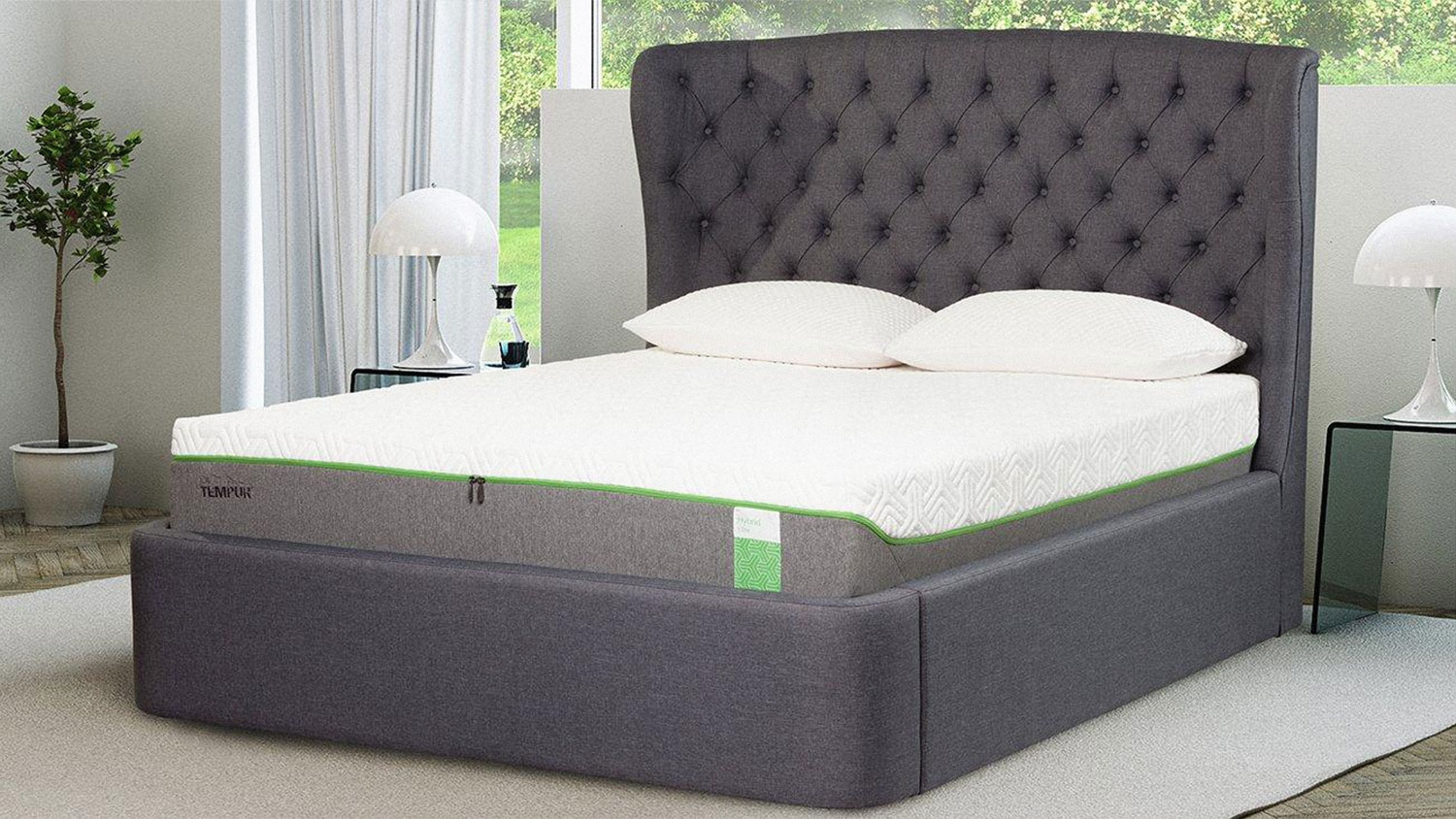
Side sleepers require mattresses that provide targeted pressure relief at the shoulders and hips while maintaining proper spinal alignment, making material composition, contouring ability, and support core construction critical factors in determining overall comfort and sleep quality.
Understanding the Unique Needs of Side Sleepers
Side sleeping is one of the most common sleep positions, yet it presents distinct biomechanical challenges. When a person sleeps on their side, the body's entire weight is concentrated on two primary contact points: the shoulder and the hip. If a mattress is too firm, these heavy zones cannot sink in adequately. This creates excessive surface pressure, cutting off blood circulation, causing numbness, and forcing the spine out of its neutral, horizontal alignment. Conversely, if a mattress is too soft, the hips and shoulders sink too deeply while the lighter waist area lacks support, causing the spine to sag like a hammock.
To prevent chronic back, shoulder, and hip pain, side sleepers need a balanced sleep surface. This surface must feature a plush, contouring comfort layer to cushion sharp skeletal joints, coupled with a supportive transition and core layer to keep the spine straight. The ideal mattress for a side sleeper typically falls in the medium-soft to medium-firm range (roughly 4 to 7 out of 10 on the firmness scale), depending on body weight and personal preference. Lightweight sleepers often require a softer surface to achieve adequate pressure relief, while heavier individuals need denser, thicker support cores to prevent bottoming out.
Evaluating mattress types through the lens of side sleeping requires looking beyond marketing terms. Performance depends heavily on how different materials interact with human anatomy under sustained pressure. The following sections examine the five primary mattress types on the market, analyzing their construction, pros, cons, and suitability for side sleepers.
1. Memory Foam Mattresses
Memory foam, also known as viscoelastic polyurethane foam, is widely considered the gold standard for pressure relief, making it a top contender for side sleepers. Originally developed by NASA in the 1960s to cushion astronauts during takeoff, memory foam softens in response to body heat and pressure. This unique property allows it to mold precisely to the curves of the body, creating a custom-hugging sensation that distributes weight evenly across the entire contact surface.
For side sleepers, the primary advantage of memory foam is its ability to absorb and dissipate impact. When a shoulder presses down into a high-quality memory foam mattress, the material yields locally without pushing back aggressively. This cradling effect eliminates pressure points on the shoulder girdle and greater trochanter (hip bone), allowing the spine to remain straight. Furthermore, memory foam excels at motion isolation, meaning a restless partner's movements will not disturb a side sleeper.
However, traditional memory foam has notable drawbacks. It tends to trap body heat, which can lead to uncomfortable night sweats unless infused with cooling gels, copper, or graphite, or designed with an open-cell structure. Additionally, low-density memory foam can sag prematurely, leading to a lack of support over time. Heavier side sleepers may also experience "bottoming out," where they compress the comfort layers completely and feel the rigid foundation underneath.
- Pros: Exceptional pressure relief, superior motion isolation, contours closely to body curves, quiet during movement.
- Cons: Can retain heat, potential off-gassing odors upon unboxing, lack of edge support in all-foam builds, can make changing positions difficult.
- Best For: Side sleepers experiencing shoulder or hip pain, couples sensitive to motion transfer, and lightweight to average-weight individuals.
2. Hybrid Mattresses
Hybrid mattresses combine a pocketed coil support core with comfort layers made of memory foam, latex, or polyfoam. This design bridges the gap between the responsive, breathable nature of traditional innersprings and the contouring pressure relief of foam beds. For side sleepers, hybrids often represent the most versatile and well-rounded option available.
The pocketed coil base provides robust, targeted support. Because each coil is individually wrapped in fabric, they compress independently. This allows the coils beneath the hips to bear weight while the coils beneath the shoulders compress more easily to accommodate side-sleeping contours. Above the coils, the foam or latex comfort layers cushion the body, ensuring that pressure points are properly relieved. Furthermore, the open space within the coil layer promotes superior airflow, keeping the mattress significantly cooler than all-foam alternatives.
The primary disadvantage of hybrids is their weight and price point. Because they feature complex multi-layer construction, hybrids are often heavy, difficult to rotate, and more expensive than basic foam or innerspring models. Additionally, lower-quality hybrids may use thin comfort layers that break down quickly, exposing the sleeper to the firmer coils underneath.
- Pros: Excellent balance of contouring and support, enhanced airflow and temperature regulation, strong edge support, easier to move around on than pure memory foam.
- Cons: Higher average price tag, heavy and difficult to maneuver, potential for squeaking over time if coil quality is low.
- Best For: Side sleepers of all weight categories who want pressure relief without feeling "stuck," hot sleepers, and combination sleepers who shift positions.
3. Latex Mattresses
Latex mattresses are constructed using either natural sap harvested from rubber trees (Hevea brasiliensis) or synthetic rubber compounds. Natural latex is processed using either the Dunlop method (resulting in a denser, heavier foam) or the Talalay method (yielding a lighter, more buoyant feel). Latex is renowned for its durability, natural cooling properties, and unique responsive bounce.
When evaluated for side sleepers, latex offers a distinct feel compared to memory foam. While memory foam melts around the body, latex pushes back gently, providing a floating sensation. This responsiveness makes it exceptionally easy for side sleepers to change positions during the night without feeling restricted. High-quality natural latex is also inherently breathable, antimicrobial, and resistant to dust mites, making it an excellent choice for allergy sufferers.
The challenge with latex for side sleepers lies in finding the correct firmness level. Because latex is naturally springy and resilient, firm latex mattresses can cause pressure buildup at the shoulders and hips. Side sleepers should look for medium or soft latex formulations, or hybrid latex models that incorporate thicker comfort layers to ensure adequate sinkage. Additionally, authentic 100% natural latex mattresses are among the most expensive options on the market.
- Pros: Exceptional durability and lifespan (often 10+ years), natural cooling properties, responsive bounce that aids movement, eco-friendly options available.
- Cons: High initial cost, heavy weight, may lack the deep "hug" that some side sleepers prefer, limited availability of ultra-plush variants.
- Best For: Eco-conscious consumers, hot sleepers, and side sleepers who prefer a bouncy, responsive surface rather than a sinking feel.
4. Innerspring Mattresses
Innerspring mattresses represent the traditional bed design, featuring an interconnected steel coil support system topped by a relatively thin layer of padding or quilting. While modern innersprings have evolved to include pocketed coils in some variants, traditional continuous or Bonnell coil systems remain common in budget-friendly models.
For side sleepers, traditional innersprings are generally the least recommended option. Because the coils are often wired together in a continuous grid, the mattress lacks localized contouring. When a side sleeper lies down, the entire surface tends to depress uniformly rather than allowing the shoulders and hips to sink independently. This results in high pressure points at the joints and inadequate support under the waist, frequently leading to spinal misalignment and soreness.
However, high-end modern innersprings with plush pillow tops or European tops can offer acceptable performance for lightweight side sleepers who prefer a traditional bouncy feel. They also provide unmatched edge support and airflow. Nonetheless, for most side sleepers, an innerspring without a thick foam or latex comfort layer will not provide the necessary pressure relief.
- Pros: Traditional bounce, excellent edge support, maximum breathability, generally lower price point for basic models.
- Cons: Poor pressure relief for side sleepers, lack of motion isolation, potential for sagging and coil wear over time.
- Best For: Budget-conscious shoppers, individuals who prioritize strong edge support, and lightweight side sleepers using a thick mattress topper.
5. Airbeds
Airbeds utilize adjustable air chambers as their core support system, paired with foam or fiberfill comfort layers on top. Unlike simple inflatable camping mattresses, high-end residential airbeds feature internal pumps, remote controls, or smartphone apps that allow users to alter the air pressure—and thereby the firmness—on demand.
Airbeds offer a unique advantage for side sleepers, particularly those who experience fluctuating pain levels or share a bed with a partner who has different firmness preferences. Because dual-chamber airbeds can be adjusted independently on each side, a side sleeper can set their half of the mattress to a plush, pressure-relieving firmness while their partner maintains a firmer surface.
The primary drawback of airbeds is mechanical complexity. Because they rely on electronic pumps, valves, and seams, there are multiple points of potential failure over time. Furthermore, basic airbeds can feel unstable or hammock-like if not paired with high-quality comfort layers. They are also among the most expensive mattress types available, and the mechanical pumps can produce a noticeable hum when adjusting settings.
- Pros: Fully customizable firmness, adjustable on each side for couples, excellent adaptability for changing physical needs over time.
- Cons: High cost, potential for mechanical failure or air leaks, requires electricity, basic models lack sufficient comfort layers for side sleeping.
- Best For: Couples with mismatched firmness preferences, individuals with chronic pain conditions requiring adjustable support, and tech-oriented shoppers.
Comparative Matrix of Mattress Types for Side Sleepers
| Mattress Type | Pressure Relief | Spinal Alignment | Temperature Regulation | Durability | Average Price Range |
|---|---|---|---|---|---|
| Memory Foam | Excellent | Good to Excellent | Fair to Good | Good | $800 - $2,000 |
| Hybrid | Very Good | Excellent | Excellent | Very Good | $1,000 - $3,000 |
| Latex | Good | Very Good | Excellent | Outstanding | $1,200 - $3,500 |
| Innerspring | Poor to Fair | Poor | Excellent | Fair | $500 - $1,500 |
| Airbed | Variable (Good) | Variable (Good) | Good | Fair to Good | $1,500 - $4,500+ |
Key Factors to Consider When Choosing
Selecting the right mattress type is only the first step. To ensure optimal comfort for side sleeping, buyers must evaluate several critical performance metrics before purchasing:
- Firmness and Body Weight: Lightweight sleepers (under 130 lbs) require softer surfaces (medium-soft) because they do not exert enough force to compress firm materials. Average-weight sleepers (130–230 lbs) typically thrive on medium to medium-firm options. Heavyweight sleepers (over 230 lbs) need thicker, denser support cores (such as thick hybrids or high-density latex) to prevent sinking through to the base.
- Pressure Relief vs. Support: A good side-sleeping mattress balances these two forces. Pressure relief prevents joint compression, while support maintains the natural S-curve of the spine.
- Motion Isolation: Crucial for co-sleepers. All-foam and latex models absorb movement best, while traditional innersprings transfer motion across the bed.
- Edge Support: Important for sleepers who utilize the entire surface of the bed or sit on the edge to put on shoes. Hybrids and innersprings generally offer superior edge support compared to all-foam beds.
Frequently Asked Questions
What firmness level is best for side sleepers?
Most side sleepers require a medium-soft to medium-firm mattress, typically rated between 4 and 7 on a 10-point firmness scale. This range allows the heavier shoulder and hip areas to sink in just enough to relieve pressure while keeping the waist supported to maintain a straight spinal alignment.
Is memory foam better than latex for side sleepers?
Memory foam generally offers superior deep contouring and pressure relief, making it ideal for relieving sharp pain in the shoulders and hips. Latex, on the other hand, provides a more responsive, bouncy feel that facilitates easier movement and better temperature regulation, though it may feel slightly firmer under pressure.
Do side sleepers need a softer mattress than back sleepers?
Yes. Back sleepers require a firmer surface to prevent their lumbar spine from sagging, whereas side sleepers need a softer surface to cushion the protruding shoulder and hip joints. A mattress that feels comfortable for a back sleeper will often cause shoulder numbness and hip soreness for a side sleeper.
How do I know if my mattress is causing my shoulder pain?
If you wake up with numbness, tingling, or a sharp ache in the shoulder you sleep on, and the sensation fades after getting out of bed, your mattress is likely too firm. This lack of give forces your shoulder joint to bear your body weight against a rigid surface, restricting blood flow and irritating the joint capsule.
Can a mattress topper fix a mattress that is too firm for side sleeping?
Yes, adding a 2- to 3-inch high-density memory foam or latex mattress topper is an effective, budget-friendly way to soften a firm mattress and add the necessary pressure-relieving layer for side sleeping. However, a topper cannot fix a mattress that is sagging or lacks core structural support.
How often should side sleepers replace their mattress?
Side sleepers typically need to replace their mattress every 6 to 8 years, depending on material quality. Because side sleeping concentrates weight on specific points, comfort layers develop body impressions and lose their elasticity faster than they would under back or stomach sleepers.
Conclusion and Next Actions
Choosing the right mattress as a side sleeper requires balancing deep pressure relief with robust spinal support. Memory foam and hybrid mattresses generally offer the most reliable performance for cushioning shoulders and hips, while latex and airbeds provide excellent durability and adjustability for specific preferences. Before making a purchase, assess your personal body weight, sleeping temperature tendencies, and budget. Whenever possible, utilize sleep trials to test a mattress for at least 30 to 60 nights to ensure your spine and joints are fully supported.