Revenue accounts represent the lifeblood of any business, tracking the inflow of economic benefits and financial gains generated from selling goods, delivering services, or utilizing company assets. In double-entry bookkeeping, recording these transactions accurately is essential for measuring operational performance, maintaining compliance with accounting standards like GAAP or IFRS, and generating reliable financial statements. Without a clear classification of these streams, management and investors cannot properly evaluate profitability or trace where incoming capital originates.
Below is a detailed breakdown of what revenue accounts are, why proper categorization matters, and a comprehensive look at five primary examples of revenue accounts that businesses encounter across various industries.
What Is a Revenue Account?
A revenue account is a general ledger account used to sort and store the monetary value of sales, fees, interest, and other income earned by an organization during a specific accounting period. Under the accrual basis of accounting, revenue is recognized when it is earned—meaning when the goods are transferred or the services are performed—regardless of when the cash changes hands.
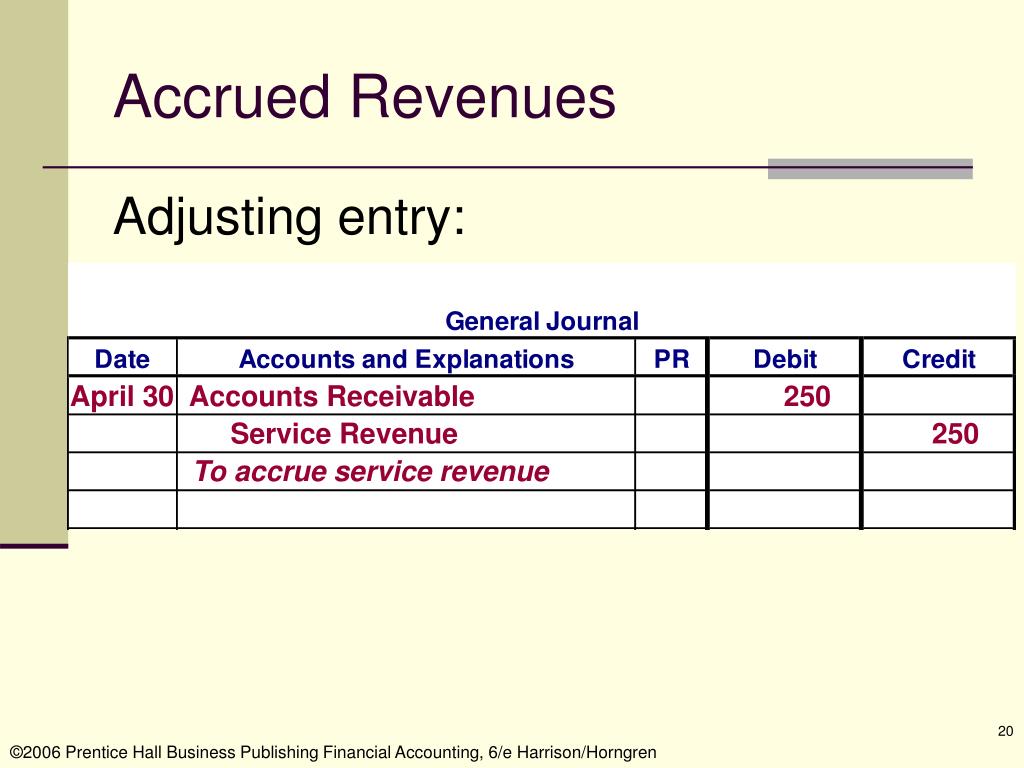
Revenue accounts carry normal credit balances. When a sale occurs, the transaction is credited to the appropriate revenue account and debited to an asset account (such as Cash or Accounts Receivable). At the end of the accounting cycle, these nominal accounts are closed out, and their net balances are transferred to retained earnings on the balance sheet via the income statement.
Proper management of these accounts ensures adherence to the matching principle, allowing businesses to align their revenues directly with the expenses incurred to generate them. Misclassifying income sources can distort gross margins, mislead stakeholders, and trigger compliance audits.
1. Sales Revenue (Product Revenue)
Sales revenue, frequently referred to as product revenue, is the total amount of money a company receives from selling physical goods or merchandise. This is the most common form of income for retail stores, wholesale distributors, e-commerce brands, and manufacturing enterprises.
Operational Mechanics and Recognition
Sales revenue is recorded at the point of sale or upon delivery, depending on the shipping terms (such as FOB shipping point or FOB destination). When a customer purchases a product, the total invoice amount is credited to the Sales Revenue account.
Common Variations and Adjustments
In practice, gross sales revenue must be adjusted for contra-revenue accounts to reflect net sales accurately. These adjustments include:
- Sales Returns: Merchandise sent back by customers due to defects, wrong sizes, or dissatisfaction.
- Sales Allowances: Price reductions granted to customers to keep damaged or imperfect goods rather than returning them.
- Sales Discounts: Early-payment incentives offered to credit customers (e.g., "2/10, net 30").
Tracking these components separately helps management analyze product quality issues and customer payment behaviors over time.
2. Service Revenue (Service Income)
Service revenue comprises the income earned by businesses that provide intangible expertise, labor, or professional skills rather than physical items. Examples include consulting firms, legal practices, marketing agencies, accounting firms, and repair shops.
Operational Mechanics and Recognition
Because services are intangible, revenue recognition often depends on the completion of milestones, hourly billing, or the passage of time. Under ASC 606 and IFRS 15 standards, companies often recognize service revenue over time as the client simultaneously receives and consumes the benefits of the service.
Billing Structures
- Hourly Rates: Common in legal and consulting environments, where time tracked is billed periodically.
- Project-Based Fees: Fixed fees structured around deliverables or project milestones.
- Retainers: Upfront payments securing ongoing availability or regular monthly service allocations.
Proper tracking of service revenue requires robust time-tracking software and clear contractual terms to avoid disputes over incomplete deliverables.
3. Subscription Revenue (Recurring Revenue)
Subscription revenue represents regular, recurring payments made by customers for continuous access to a product, service, or digital platform. This model is dominant in Software-as-a-Service (SaaS) companies, streaming services, digital publishers, and membership-based organizations.
Deferred Revenue and Deferred Income
A unique characteristic of subscription revenue is the presence of deferred revenue (or unearned revenue) on the balance sheet. When a customer pays an annual subscription upfront, the company has not yet earned that money because the service must be delivered over the coming 12 months.
- Initial Cash Receipt: Debited to Cash; credited to Unearned Revenue (a liability account).
- Monthly Recognition: As each month passes, a portion is debited from Unearned Revenue and credited to Subscription Revenue.
Why Investors Value Subscription Models
Subscription revenue accounts provide predictability and visibility into future cash flows. Key performance indicators (KPIs) like Monthly Recurring Revenue (MRR) and Annual Recurring Revenue (ARR) rely directly on the accurate maintenance and categorization of these accounts.
4. Interest Revenue (Investment Income)
Interest revenue is the financial return earned by an organization from lending money, holding interest-bearing bank accounts, investing in bonds, or extending credit terms to customers. While often non-operating income for standard commercial businesses, it is a primary revenue stream for financial institutions like banks and credit unions.
Sources of Interest Revenue
- Bank Accounts: Interest earned on commercial savings accounts, money market funds, or certificates of deposit (CDs).
- Notes Receivable: Interest charged to customers or partner entities on promissory notes.
- Marketable Securities: Yields generated from holding corporate or government bonds.
Reporting and Classification
On a multi-step income statement, interest revenue is typically separated from primary operating revenues. It is listed under "Other Revenue and Gains" or "Non-Operating Revenue." This separation ensures that analysts and investors can easily distinguish core business profitability from secondary financial activities.
5. Rental Revenue (Leasing Income)
Rental revenue is generated by leasing or renting physical assets owned by a company to third parties. This includes commercial real estate, residential properties, heavy machinery, vehicles, and equipment storage units.
Lease Classifications
Accounting for rental revenue depends heavily on the structure of the lease agreement:
- Operating Leases: The lessor retains ownership risks and rewards of the asset. Rental payments are recognized as rental revenue evenly over the lease term.
- Finance (Capital) Leases: The lease transfers substantially all risks and rewards of ownership to the lessee. The transaction is treated essentially as a sale financed by the lessor, shifting accounting treatment from simple rental income to interest income and principal reduction.
Associated Operational Costs
Unlike passive investment income, rental revenue accounts are frequently paired with specific operating expense accounts—such as property maintenance, insurance, depreciation, and property management fees—to determine the net operating income of the leased assets.
Comparison of Major Revenue Accounts
The following table summarizes the key characteristics, primary industries, and recognition patterns of the five revenue accounts discussed above.
| Revenue Account | Primary Industry Examples | Recognition Trigger | Balance Sheet Linkage |
|---|---|---|---|
| Sales Revenue | Retail, E-commerce, Manufacturing | Point of sale or delivery | Accounts Receivable / Inventory |
| Service Revenue | Consulting, Legal, Agencies | Milestone completion or time elapsed | Unearned Service Fees / A/R |
| Subscription Revenue | SaaS, Media, Memberships | Time elapsed (pro-rata monthly) | Deferred (Unearned) Revenue |
| Interest Revenue | Banking, Investments, General | Passage of time (accrued daily/monthly) | Notes Receivable / Cash |
| Rental Revenue | Real Estate, Equipment Leasing | Passage of time (lease agreement terms) | Prepaid Rent / Lease Receivables |
Frequently Asked Questions
What is the difference between revenue and cash?
Revenue measures the economic value of goods or services earned during a period, regardless of when payment is collected. Cash is the actual physical currency or bank funds currently held by the business. Under the accrual accounting method, a company can record revenue before receiving cash (creating an accounts receivable balance) or receive cash before earning revenue (creating an unearned revenue liability).
Are revenue accounts debited or credited to increase?
Revenue accounts have normal credit balances. To increase a revenue account, you credit it. To decrease it—such as recording a customer return or closing the account at year-end—you debit it.
How do contra-revenue accounts affect total revenue?
Contra-revenue accounts, such as Sales Returns and Allowances or Sales Discounts, carry normal debit balances. They are subtracted from gross revenue on the income statement to calculate net revenue. This separation provides management with critical visibility into discounting behavior and product return rates.
Why is recognizing revenue correctly important for compliance?
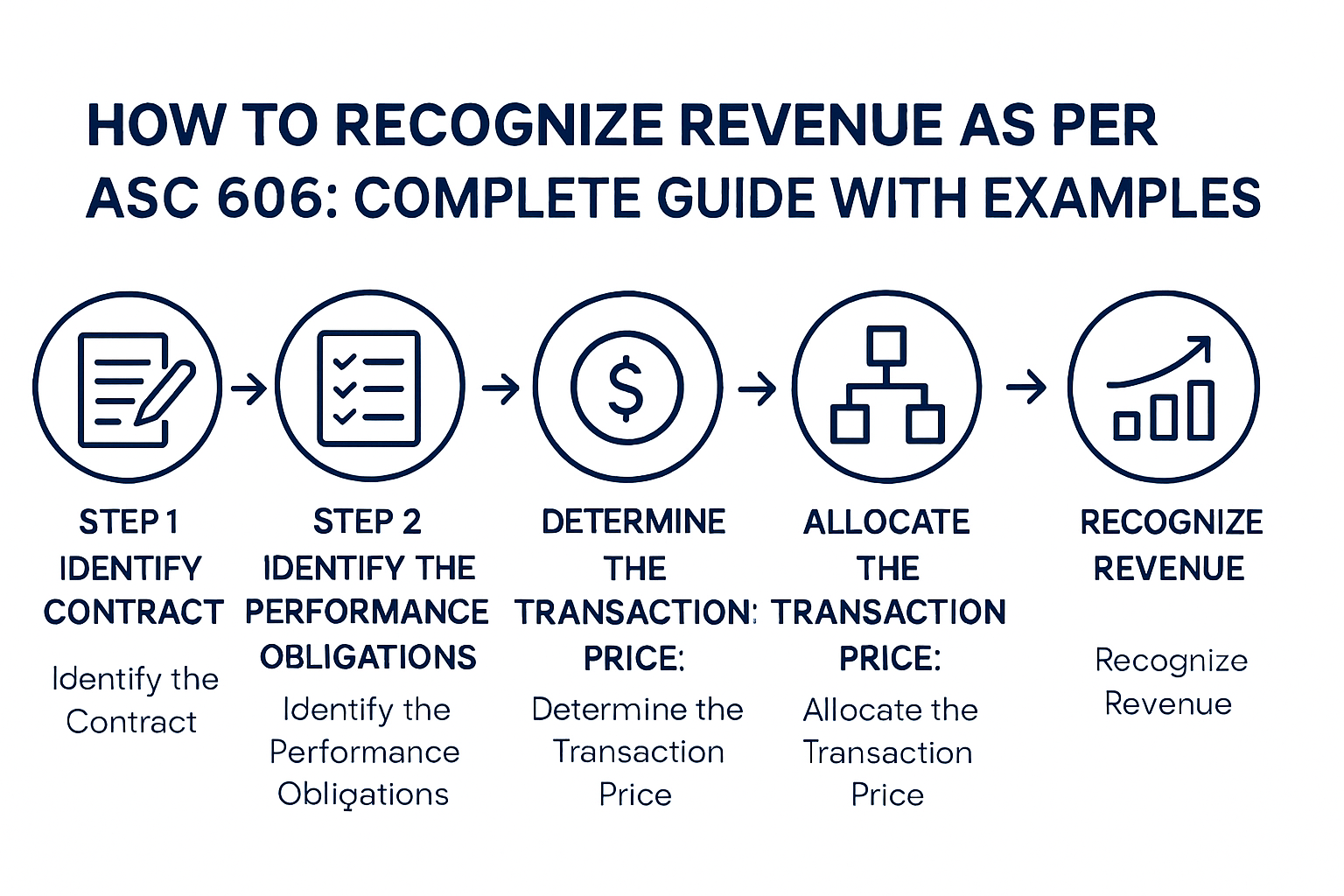
Proper revenue recognition is governed by strict standards, such as ASC 606 in the United States and IFRS 15 internationally. Following these guidelines prevents businesses from prematurely inflating their earnings, ensures transparent financial reporting for stakeholders, and maintains legal compliance during audits or tax filings.
Next Steps for Financial Management
To ensure your organization’s financial records remain accurate and audit-ready, start by auditing your current chart of accounts. Verify that each revenue stream—whether product sales, subscriptions, or professional services—is routed to a distinct, dedicated general ledger account rather than lumped into a generic catch-all category. Consult with a certified public accountant (CPA) or financial advisor to ensure your recognition methods align with current regulatory frameworks like ASC 606 or IFRS 15, safeguarding your business against reporting errors and misstatements.