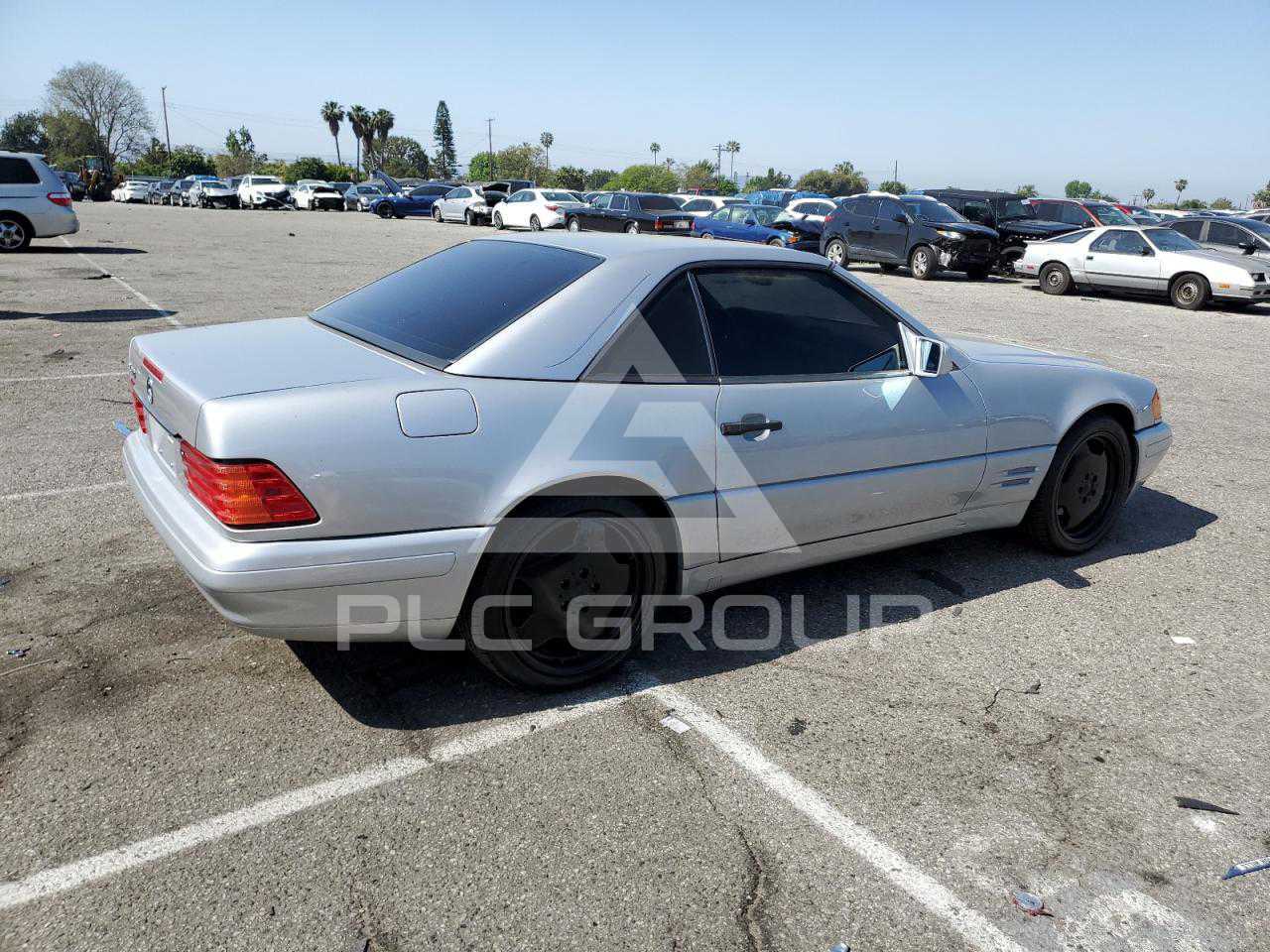
The 1998 Mercedes-Benz 500 SL features a naturally aspirated 5.0-liter V8 engine delivering 302 horsepower, pairing luxurious grand touring capabilities with high-performance roadster engineering from the late 1990s.
Introduction to the R129 Generation and the 500 SL
When automotive enthusiasts discuss the pinnacle of late-20th-century German engineering, the conversation frequently turns to the R129 generation of the Mercedes-Benz SL-Class. Produced from 1989 through 2002, this chassis represented a massive technological and aesthetic leap over its predecessor, the R107. By the time the model year 1998 arrived, Mercedes-Benz had refined the platform, introducing significant updates that included engine architecture changes, electronic enhancements, and subtle exterior revisions. At the center of the enthusiast appeal for this era is the 500 SL variant, a grand tourer that balanced effortless cruising with authoritative acceleration derived from its substantial eight-cylinder powerplant.
Understanding the significance of 302 horsepower in a 1998 Mercedes 500 SL requires looking past raw numbers. In an era when electronic driver aids were transitioning from motorsport novelties to standard safety equipment, the R129 provided a stable, reassuring platform capable of handling high-speed autobahn commutes just as comfortably as winding coastal roads. This comprehensive examination explores the mechanical makeup, performance characteristics, engineering heritage, and ownership considerations of this iconic roadster.
The Heart of the Machine: The M113 V8 Engine
The defining characteristic of the 1998 Mercedes 500 SL is its engine. For the 1999 model year, Mercedes introduced the M113 V8 engine across many of its passenger cars, but the 1998 model year stands as the final full production year for the legendary M119 V8 in certain markets, or represents the transition phase depending on exact build dates. Specifically, the 500 SL utilizes a 5.0-liter displacement featuring dual overhead camshafts per bank and four valves per cylinder in its classic configuration, generating the headline-grabbing 302 horsepower at 5,600 rpm and 339 lb-ft of torque at 3,900 rpm.
This engine family earned a reputation for bulletproof durability, provided it receives proper maintenance. Unlike its high-revving modern counterparts, the M119 and early V8 architectures prioritize low-end grunt and mid-range pulling power. Torque comes on early, allowing the heavy roadster to launch from a standstill with effortless authority. The cylinder walls feature advanced coating technologies for reduced friction, while aluminum alloy construction keeps weight down compared to the cast-iron blocks of earlier decades.
Engineering Evolution of the 5.0-Liter Powerplant
The evolution of Mercedes-Benz V8 engines during the 1990s focused heavily on emissions compliance, fuel efficiency, and smooth power delivery. The version of the 5.0-liter engine found in the 1998 500 SL incorporated sophisticated electronic fuel injection and ignition management systems. These systems continuously monitor engine load, atmospheric pressure, and coolant temperature to adjust ignition timing and fuel delivery dynamically.
Furthermore, the valvetrain design utilizes hydraulic lifters, eliminating the need for manual valve clearance adjustments. This engineering choice not only reduced routine maintenance costs for original owners but also ensured that the engine maintained its whisper-quiet idle and refined acoustic signature over hundreds of thousands of miles.
Transmission and Drivetrain Integration
An engine with 302 horsepower requires a robust transmission to harness its output effectively. The 1998 Mercedes 500 SL is equipped with a 5-speed electronic automatic transmission (specifically the 722.6 gearbox in later 1998 builds, which replaced the earlier hydraulic 722.3/722.4 units). This transmission represented a major technological milestone for Mercedes-Benz, offering adaptive shift logic that learned the driver's habits over time.
| Specification | Detail |
|---|---|
| Engine Type | 5.0-Liter V8 (M119/M113 transition era) |
| Horsepower | 302 hp @ 5,600 rpm |
| Torque | 339 lb-ft @ 3,900 rpm |
| Transmission | 5-Speed Electronic Automatic |
| Curb Weight | Approx. 4,123 lbs (1,870 kg) |
| 0-60 mph Time | Approx. 6.1 to 6.3 seconds |
| Top Speed | 155 mph (Electronically Limited) |
The integration between the 5.0-liter V8 and the 5-speed automatic ensures that power is delivered smoothly without abrupt shift shock, aligning with the grand touring ethos of the vehicle. Downshifts are executed cleanly when passing power is demanded on the highway, and the tall fifth gear allows for relaxed, low-rpm cruising at elevated legal speeds.
Performance Metrics and Driving Dynamics
With 302 horsepower moving a vehicle with a curb weight exceeding 4,000 pounds, the 1998 Mercedes 500 SL is not a lightweight track weapon, but it is an exceptionally rapid cruiser. Official period testing indicated a 0 to 60 mph acceleration time of approximately 6.1 to 6.3 seconds, with a top speed electronically governed at 155 mph.
However, numbers on a spec sheet fail to capture the subjective driving experience. The chassis feels remarkably solid, largely due to the rigorous safety engineering overseen by Mercedes-Benz during the development of the R129. Engineers incorporated an automatic pop-up roll bar that deploys in fractions of a second if the vehicle detects an impending rollover, reinforcing the structural integrity of the passenger cabin.
Suspension and Ride Quality
The suspension setup utilizes independent double wishbones at the front and a multi-link arrangement at the rear. Many models of this era were equipped with an adaptive damping system or optional hydraulic self-leveling suspension, allowing the driver to select between firmer handling characteristics and a plush, compliant ride. On the highway, the 500 SL tracks straight and true, absorbing road imperfections with a solid thud rather than unsettling vibrations. When cornering aggressively, body roll is present but well-controlled, reminding the driver that this is a heavy, high-performance cruiser designed to cover vast distances in absolute comfort.
Interior Luxury and Technological Features of 1998
Entering the cabin of a 1998 Mercedes 500 SL reveals a masterclass in 1990s luxury craftsmanship. Genuine burr walnut wood trim accents the center console and door panels, complementing supple Nappa leather seats that feature extensive power adjustments, heating, and memory functions.
By 1998, the interior layout had matured significantly compared to the 1990 launch models. The steering wheel design, instrument cluster typography, and climate control interfaces received subtle modernizations. Key amenities typical of this trim level include:
- Automatic climate control with dust and pollen filters
- Power-adjustable steering column with memory
- Premium Bose acoustic sound system
- Comprehensive trip computer and diagnostic displays
- Fully automatic electro-hydraulic soft top with a matching removable hardtop
The inclusion of both a fabric soft top and a heavy-duty aluminum hardtop transformed the roadster into a genuine four-season vehicle. Installing the hardtop effectively turned the convertible into a silent, rigid coupe for winter driving, demonstrating the engineering versatility that justified the car's substantial original sticker price.
Maintenance Considerations and Common Issues
Owning a high-performance luxury vehicle from 1998 requires an understanding of potential mechanical and electrical complexities. While the 302-horsepower V8 engine is fundamentally durable, age-related wear affects rubber components, wiring harnesses, and hydraulic actuators throughout the vehicle.
Wiring Harnesses and Biodegradable Insulation
Vehicles produced by Mercedes-Benz during the early-to-mid 1990s occasionally faced issues with engine compartment wiring harnesses utilizing biodegradable insulation. While the worst of this issue largely impacted cars built between 1993 and 1995, prospective owners of 1998 models should still inspect engine bay wiring for brittle or cracking insulation to prevent electrical shorts.
Hydraulic Soft Top Cylinders
The electro-hydraulic mechanism responsible for operating the fabric convertible top relies on a series of hydraulic cylinders. Over time, the internal rubber seals in these cylinders degrade, leading to fluid leaks around the windshield header and interior headliner. Rebuilding or replacing these cylinders is a common maintenance task for R129 owners as the vehicles age.
Suspension Bushings and Mounts
Rubber suspension bushings, engine mounts, and transmission mounts inevitably dry out and crack over decades of service. Replacing these components restores the factory-fresh ride quality and eliminates clunks or vibrations during acceleration and braking.
Frequently Asked Questions
What engine is in the 1998 Mercedes 500 SL?
The 1998 Mercedes 500 SL features a 5.0-liter V8 engine producing 302 horsepower and 339 lb-ft of torque. This powerplant is celebrated for its mechanical robustness, smooth power delivery, and effortless cruising capabilities on the highway.
How fast is the 1998 Mercedes 500 SL?
The car accelerates from 0 to 60 mph in approximately 6.1 to 6.3 seconds, with an electronically limited top speed of 155 mph. Its performance is optimized for high-speed stability and mid-range acceleration rather than aggressive track driving.
Is the R129 generation Mercedes SL considered a good classic car investment?
Well-maintained examples of the R129 generation, particularly the 500 SL and later 600 SL models, have stabilized in value and are increasingly recognized as desirable modern classics. Clean service histories and original paint significantly influence market valuation.
What is the difference between the 500 SL and the 300 SL or SL 320?
The primary difference lies in the engine configuration. While the 300 SL and SL 320 models utilized inline-six engines with lower power outputs, the 500 SL stepped up to a potent V8 engine that delivered significantly more horsepower and torque for a more effortless grand touring experience.
How heavy is a 1998 Mercedes 500 SL?
The curb weight of the 1998 Mercedes 500 SL is approximately 4,123 pounds. This substantial weight is attributed to its heavy-duty safety chassis, complex hydraulic systems, thick sound insulation, and robust V8 engine block.
Conclusion and Ownership Recommendation
The 1998 Mercedes 500 SL stands as a compelling bridge between old-world mechanical over-engineering and modern automotive convenience. With its 302-horsepower V8 engine, timeless silhouette, and vault-like build quality, it offers an appealing entry point into classic Mercedes-Benz ownership. Prospective buyers should prioritize vehicles with comprehensive service documentation, verifying that hydraulic top cylinders and suspension components have been inspected or serviced. When properly maintained, the 500 SL rewards its driver with an unmatched blend of open-air freedom and executive-class touring comfort.