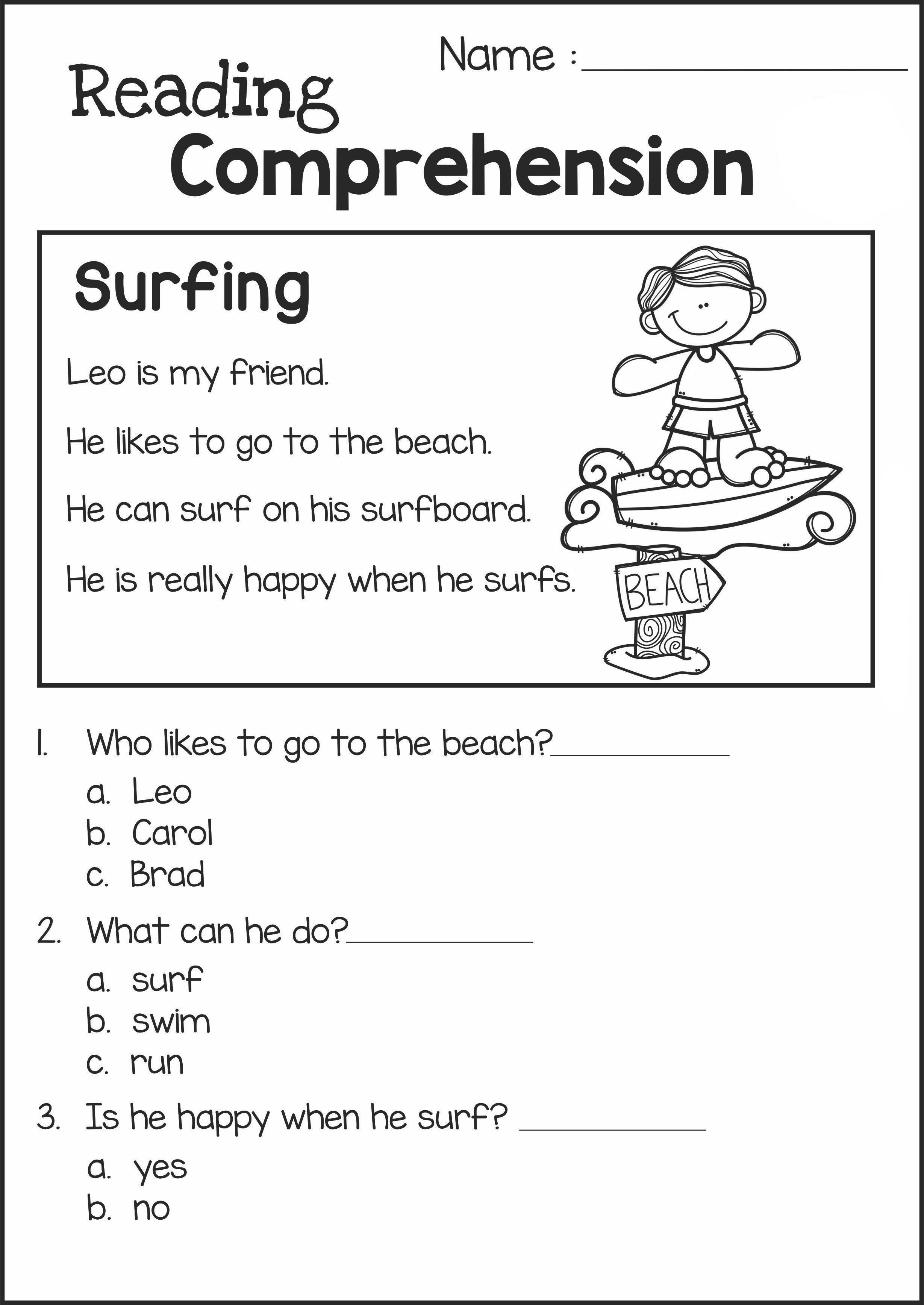
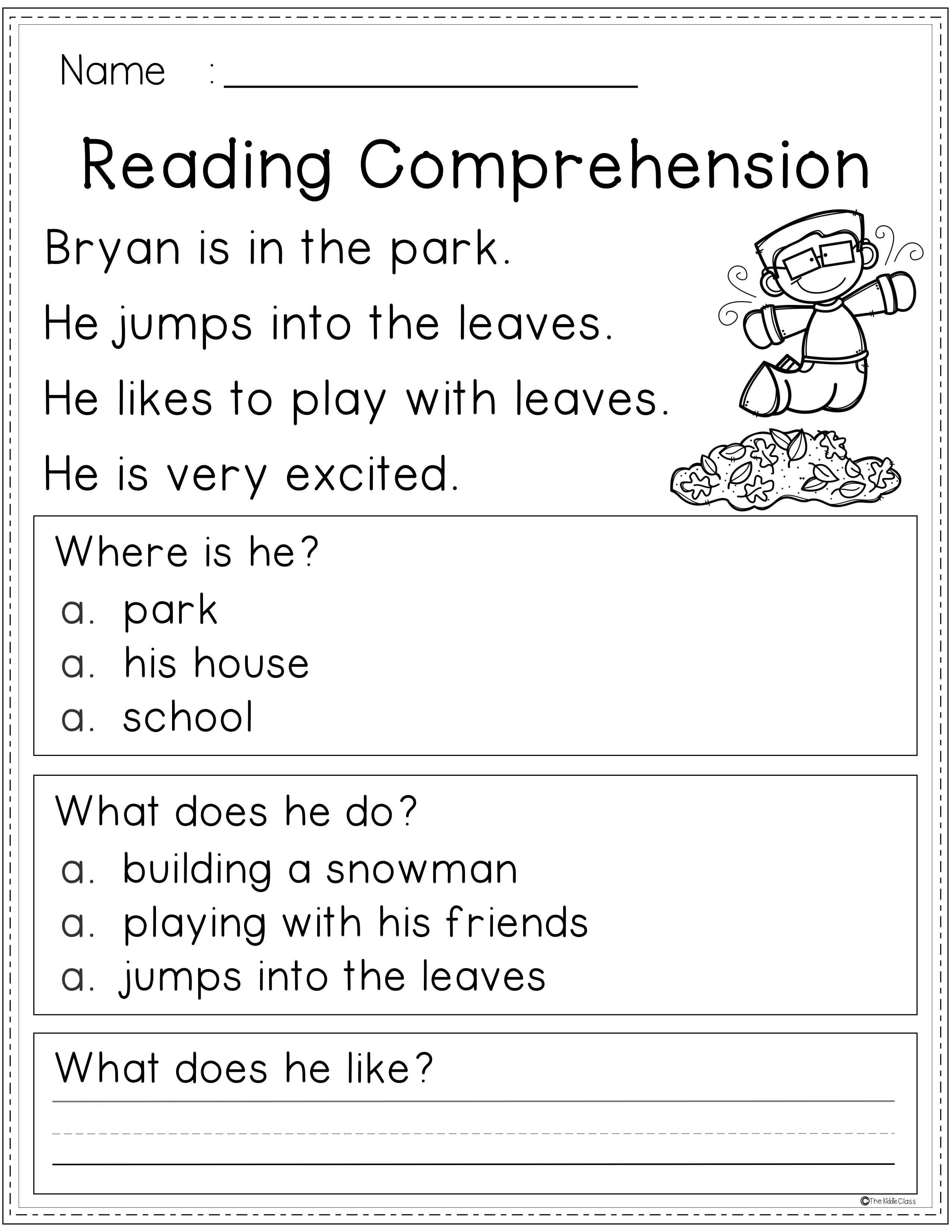
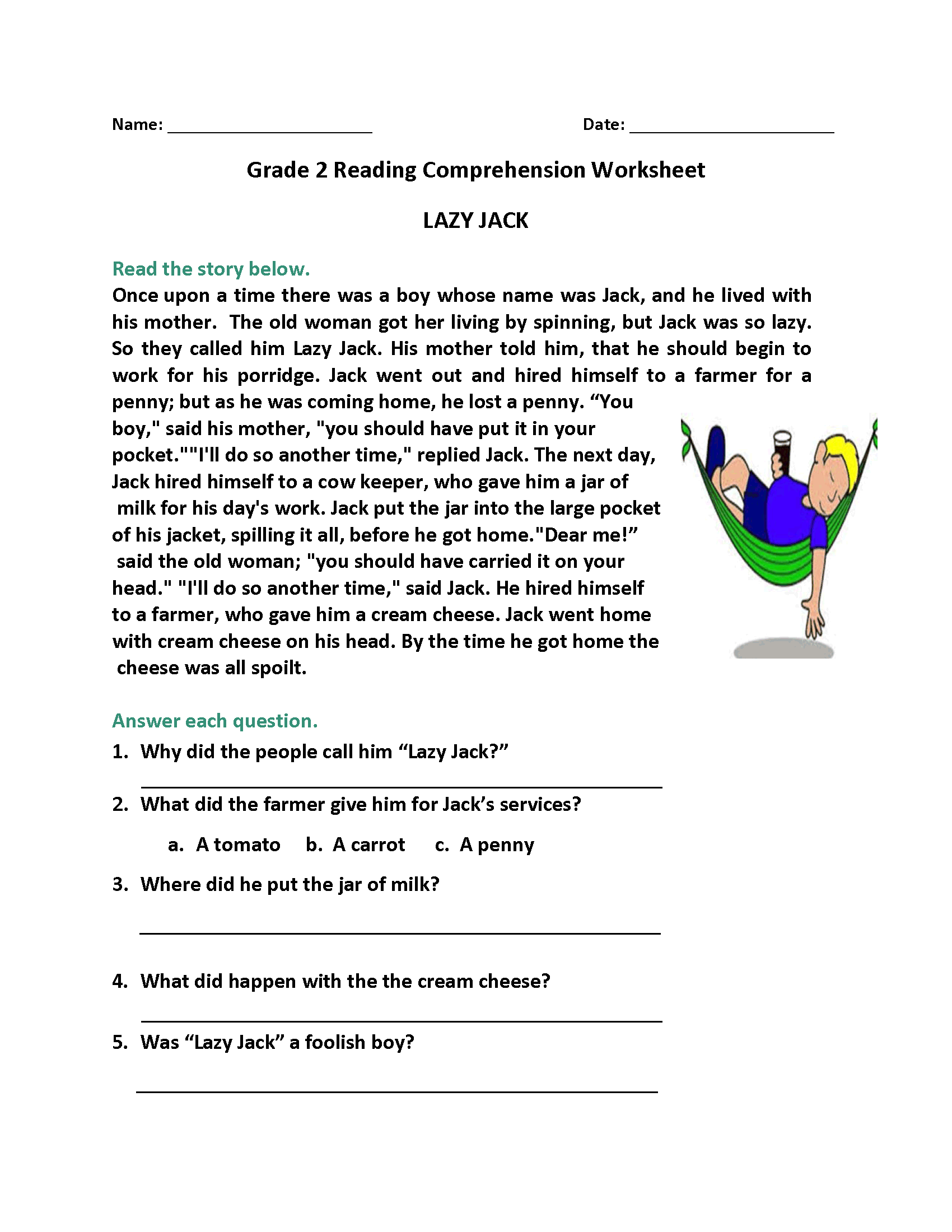
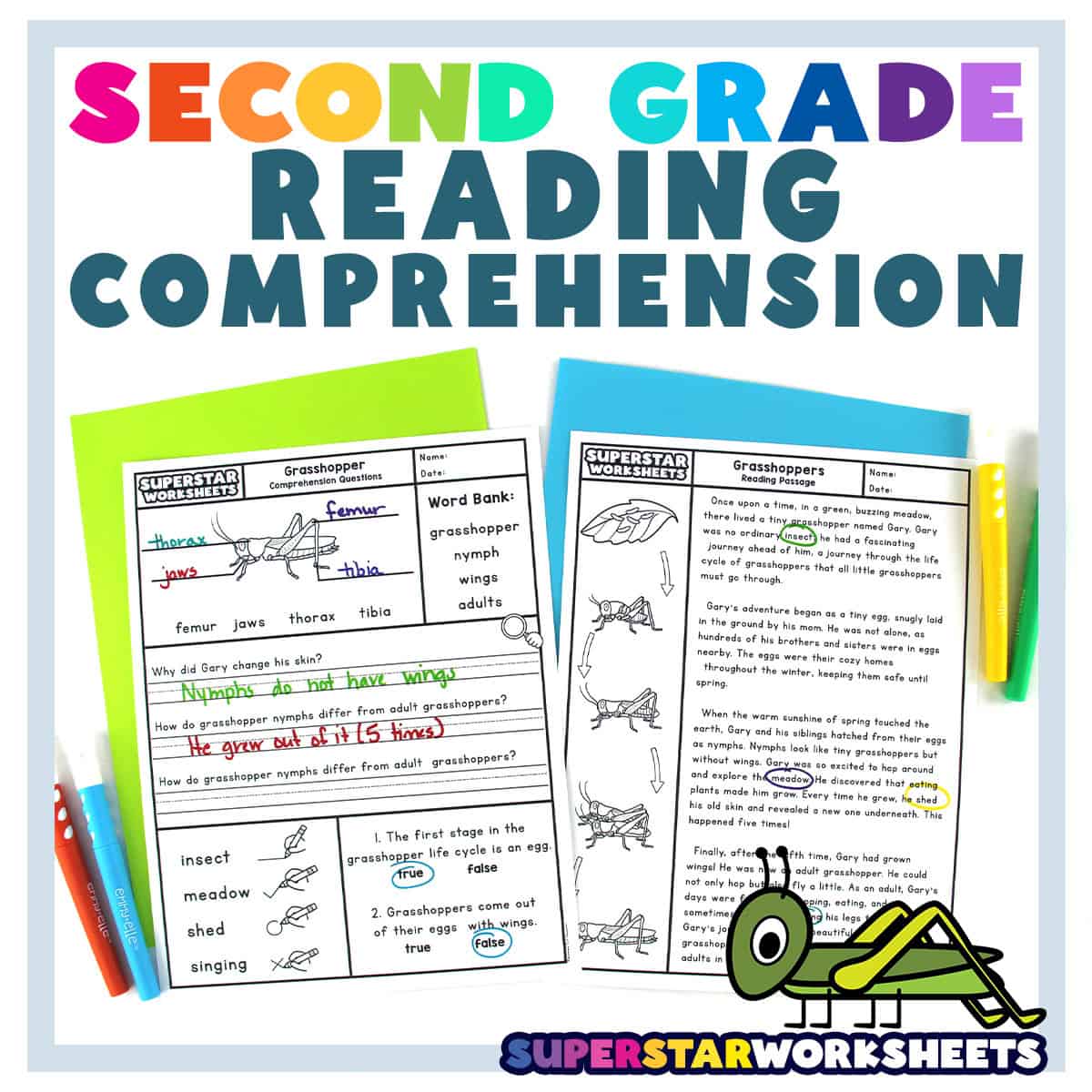
2nd grade reading comprehension worksheets are essential instructional tools designed to help seven- and eight-year-old students transition from basic decoding to meaningful text analysis. These resources focus on core literacy skills such as identifying the main idea, sequencing narrative events, understanding character motivations, and using context clues to build a robust academic vocabulary.
The Vital Role of Reading Comprehension in Second Grade
In the 2026 educational landscape, the second-grade year remains the definitive bridge between "learning to read" and "reading to learn." While first grade focuses heavily on phonics and word recognition, the second-grade curriculum demands that students begin to extract deeper meaning from what they read. Reading comprehension worksheets serve as a structured framework for this transition, providing the necessary scaffolding for students to engage with increasingly complex texts.
The shift at this level involves moving beyond literal comprehension—where a student can simply point to an answer in the text—toward inferential comprehension. Inferential thinking requires students to use "clues" from the author combined with their own background knowledge to draw conclusions. Worksheets specifically designed for this age group help isolate these cognitive tasks, allowing students to practice specific skills like predicting outcomes or identifying cause-and-effect relationships without becoming overwhelmed by lengthy chapters.
Furthermore, these worksheets are vital for identifying reading gaps early. In 2026, data-driven instruction is the standard in most classrooms. By analyzing a student's performance on a targeted comprehension worksheet, educators can determine if a child is struggling with decoding (the mechanics of reading), fluency (the speed and expression of reading), or the actual mental processing of the information.
Core Literacy Skills Addressed in 2nd Grade Worksheets
Effective 2nd-grade reading comprehension worksheets are not merely sets of questions; they are carefully calibrated exercises that target specific domains of literacy. To be effective, these resources must align with contemporary standards, such as the Common Core State Standards (CCSS) or equivalent state-level benchmarks, focusing on both literature and informational texts.
Identifying the Main Idea and Supporting Details
At the heart of comprehension is the ability to determine what a text is "mostly about." Worksheets often present a short passage followed by a graphic organizer or multiple-choice questions that ask the student to distinguish the primary topic from interesting but secondary details. This skill is foundational for later years when students must summarize lengthy textbooks or research papers.
Sequencing and Narrative Structure
For fictional stories, understanding the chronological order of events is crucial. Worksheets typically use "First, Next, Then, Last" prompts to help students visualize the arc of a story. This builds logical thinking and helps students recognize the relationship between a character's actions and the resulting consequences. In non-fiction, sequencing might involve following the steps in a process or the timeline of a historical event.
Character Analysis and Development
Second graders begin to look at characters as more than just figures in a story; they start to understand traits, feelings, and motivations. Quality worksheets will ask students to cite evidence from the text—such as something a character said or did—to justify an adjective used to describe that character. For example, if a character shares their lunch, the student must identify that action as evidence that the character is "kind" or "generous."
Context Clues and Vocabulary Acquisition
Expanding a student's "lexicon" is a primary goal of 2nd-grade instruction. Rather than just memorizing definitions, students use worksheets to practice "reading around" an unfamiliar word. By looking at the sentences before and after a difficult term, students learn to make educated guesses about its meaning. This skill is essential for maintaining reading flow and independence.
Types of Reading Comprehension Worksheets Available in 2026
The variety of worksheets available today caters to different learning styles and instructional goals. Whether a teacher is looking for a quick morning warm-up or a deep-dive assessment, the format of the worksheet matters significantly.
| Worksheet Type | Primary Focus | Best Use Case |
|---|---|---|
| Fiction Passages | Narrative flow, characters, and themes. | Developing empathy and creative prediction skills. |
| Informational Texts | Facts, diagrams, and non-fiction features. | Building background knowledge in science and social studies. |
| Cloze Exercises | Context clues and sentence structure. | Assessing "fill-in-the-blank" vocabulary logic and grammar. |
| Paired Passages | Comparing and contrasting two different texts. | Encouraging higher-order thinking and synthesis of ideas. |
| Graphic Organizers | Visualizing relationships between ideas. | Helping visual learners organize thoughts before writing. |
| Poetry Comprehension | Rhythm, rhyme, and figurative language. | Introducing abstract concepts and emotional resonance. |
The Rise of Informational Text Worksheets
In 2026, there is an increased emphasis on informational (non-fiction) texts. These worksheets often include text features such as bolded words, captions, maps, and diagrams. Students are taught not just to read the paragraphs but to "read the page," extracting information from all available visual cues. This prepares them for the digital literacy requirements of the modern world, where information is rarely presented as a simple linear narrative.
Interactive and Digital Worksheets
While traditional paper-and-pencil worksheets remain popular for developing fine motor skills and reducing screen fatigue, digital worksheets have evolved. Modern digital platforms offer "drag-and-drop" sequencing, audio-assisted reading for struggling students, and instant feedback loops. These tools allow for immediate intervention, as teachers can see in real-time which students are struggling with a particular passage.
How to Evaluate the Quality of a 2nd Grade Worksheet
Not all worksheets are created equal. Parents and educators should look for specific quality markers to ensure the material is both age-appropriate and educationally sound.
- Lexile Level and Readability: A 2nd-grade worksheet should typically fall within the 420L to 650L Lexile range. If the text is too simple, the student isn't challenged; if it's too difficult, they will experience "frustration-level" reading, which hinders comprehension.
- Question Depth: Look for a mix of "Right There" questions (literal) and "Think and Search" questions (inferential). A high-quality worksheet will also include at least one open-ended question that requires the student to write a sentence or two, explaining their reasoning.
- Engagement Factor: The subject matter should be relevant to a seven-year-old's interests. Topics like animals, space, friendship, and "how-it-works" scenarios are generally more effective at maintaining attention than abstract or outdated themes.
- Visual Clarity: The layout should not be cluttered. For 2nd graders, font size should be legible (at least 12-14 point), and there should be enough white space for students to write their answers without feeling cramped.
Best Practices for Using Worksheets in the Classroom and at Home
To maximize the effectiveness of reading comprehension worksheets, they should be used as part of a broader "gradual release of responsibility" model. Simply handing a child a worksheet and walking away is rarely effective for developing deep skills.
The Scaffolding Approach
- Modeled Practice (I Do): The teacher or parent reads the passage aloud and "thinks out loud" about how to find the answer. For instance, "I see the question asks why the bear was hungry. I'm going to look back at the second paragraph to find a clue."
- Guided Practice (We Do): The adult and child work through the worksheet together. They discuss the questions and debate which answer is best based on the text evidence.
- Independent Practice (You Do): Once the student understands the strategy (e.g., underlining key details), they complete a similar worksheet on their own to demonstrate mastery.
Encouraging "Active Reading"
Teach students to interact with the worksheet. This might include circling unfamiliar words, underlining the sentence that contains the answer to a question, or drawing a small picture in the margin to represent a mental image they formed while reading. These physical actions keep the brain engaged and prevent "passive reading," where a child's eyes move across the words without the information being processed.
Addressing Common Challenges
If a student is consistently struggling with comprehension worksheets, it is important to troubleshoot the root cause.
- Fluency Issues: If a child spends all their mental energy sounding out words, they have no "brain space" left for comprehension. In this case, read the passage to them and see if they can answer the questions orally. If they can, the problem is decoding, not comprehension.
- Lack of Background Knowledge: Sometimes a child fails a worksheet because they don't understand the context (e.g., a story about snow when the child has only lived in a tropical climate). Pre-teaching key concepts before the worksheet can solve this.
Integrating Worksheets into a 2026 Literacy Routine
In 2026, the most successful literacy programs are those that blend traditional methods with modern insights. Reading comprehension worksheets should be viewed as one tool in a larger toolbox that includes independent reading of "just-right" books, teacher-led read-alouds, and verbal discussions about stories.
For parents, using one or two worksheets a week can be an excellent way to monitor school progress. It provides a tangible look at what the child is expected to know and allows for low-stakes practice in a comfortable environment. For teachers, worksheets provide the "paper trail" of data necessary for parent-teacher conferences and individualized education plans.
Frequently Asked Questions
What is the average reading level for a 2nd grader in 2026?
By the middle of 2nd grade, most students are expected to be reading at a Lexile level of approximately 450L to 550L. However, "average" is a range. In a typical classroom, you will find students reading anywhere from a late 1st-grade level to a 4th-grade level. The goal of worksheets is to meet the student where they are and provide incremental challenges.
Should I let my child look back at the text to answer questions?
Yes, absolutely. In fact, you should encourage it. Reading comprehension is not a memory test; it is an analytical task. Teaching a child to go back and find "text evidence" is one of the most important skills in 2nd grade. It builds the habit of verifying information rather than guessing.
How long should a 2nd-grade reading passage be?
For a single worksheet, a passage of 150 to 300 words is usually ideal. This is long enough to develop a plot or present several facts, but short enough that the student can finish the entire task—reading and answering questions—in 15 to 20 minutes.
My child can read the words perfectly but can't answer the questions. Why?
This is a common phenomenon known as "hyperlexia" or simply a gap in comprehension strategies. The child is likely "word calling"—turning symbols into sounds without attaching meaning. To help, stop the child after every few sentences and ask, "What just happened?" or "What are you picturing in your head?"
Are multiple-choice or short-answer questions better for 2nd grade?
A mix is best. Multiple-choice questions help students practice "process of elimination" and identifying the best answer. Short-answer questions are critical for developing writing skills and ensuring the student can articulate their thoughts independently without being prompted by a list of choices.
Final Recommendation for Educators and Parents
When selecting 2nd-grade reading comprehension worksheets, prioritize variety and evidence-based design. Ensure that students are exposed to a 50/50 split of fiction and informational texts to build a well-rounded set of skills. Use these worksheets not as a "set-and-forget" activity, but as a conversation starter. Asking a child, "How do you know that's the answer?" is often more valuable than the checkmark on the page itself. By focusing on the process of finding meaning, you set the foundation for a lifetime of critical thinking and a genuine love for reading.