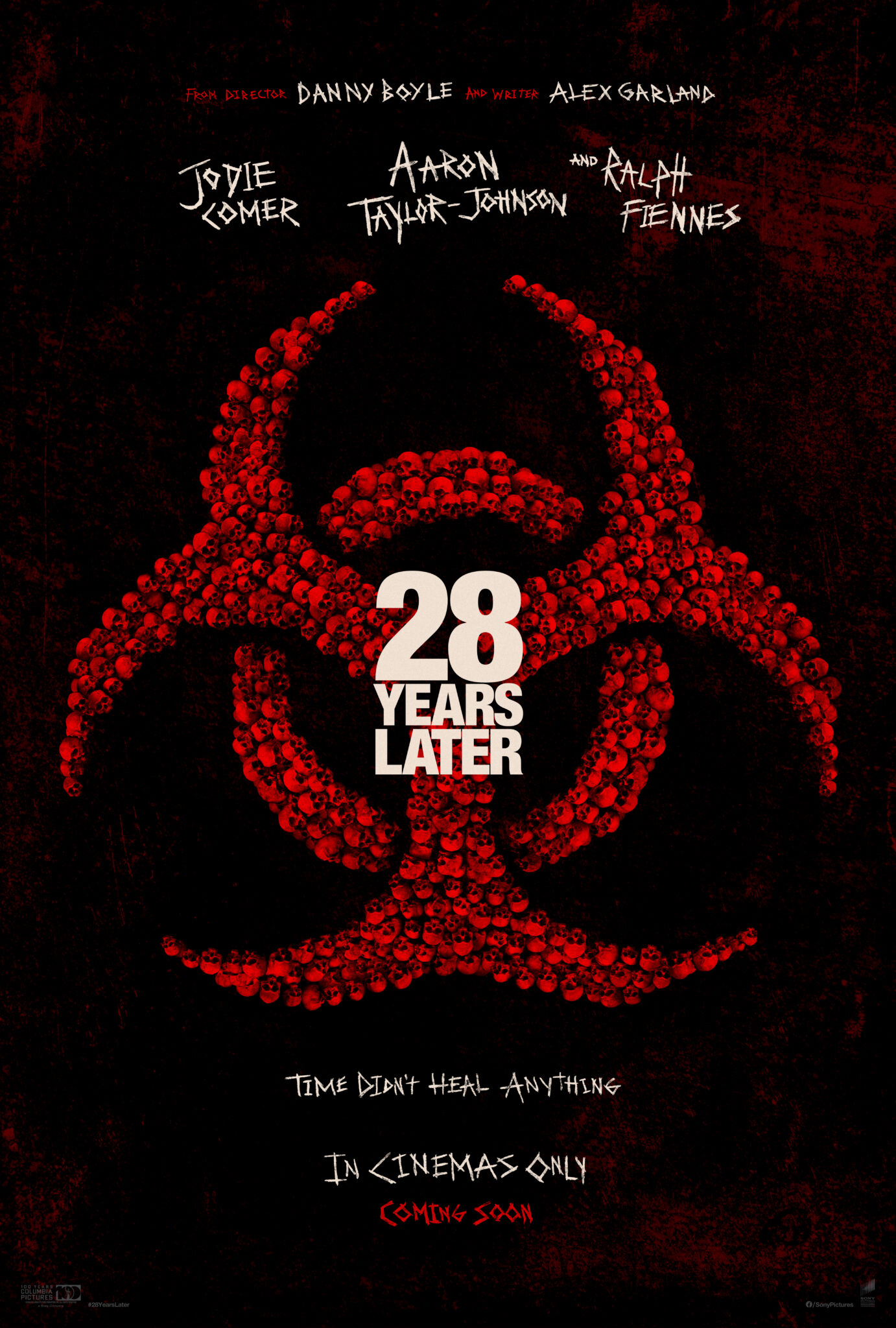
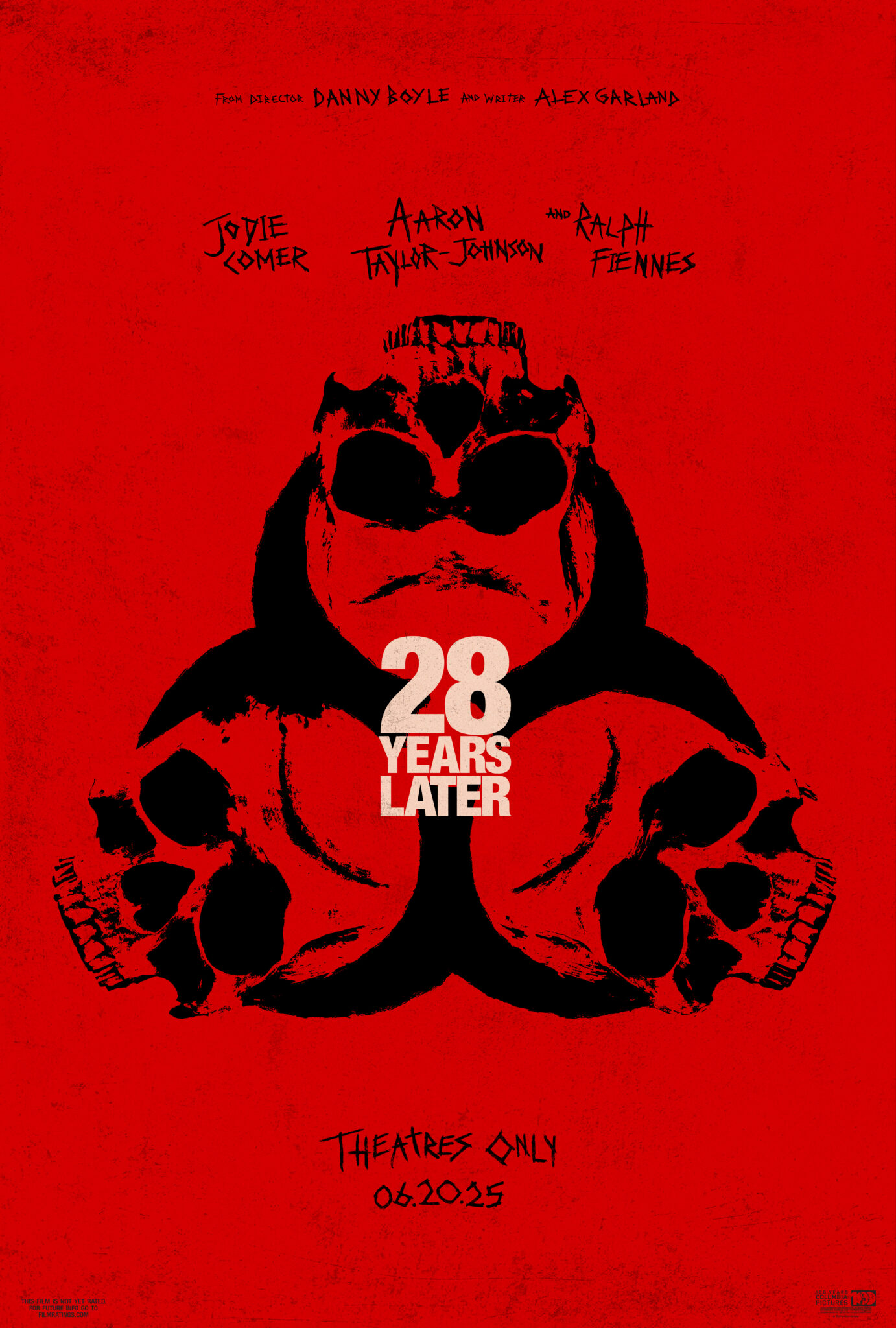
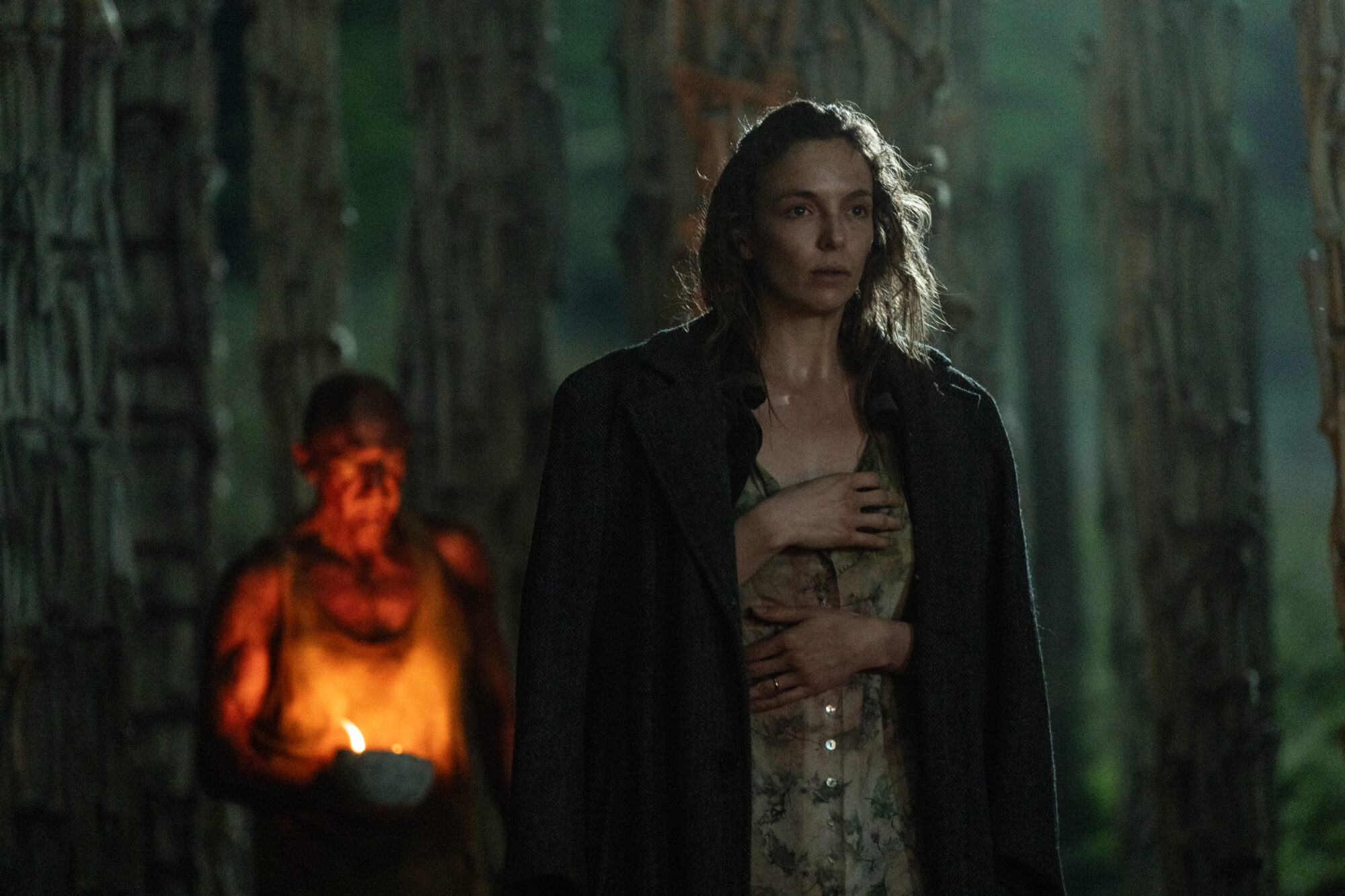
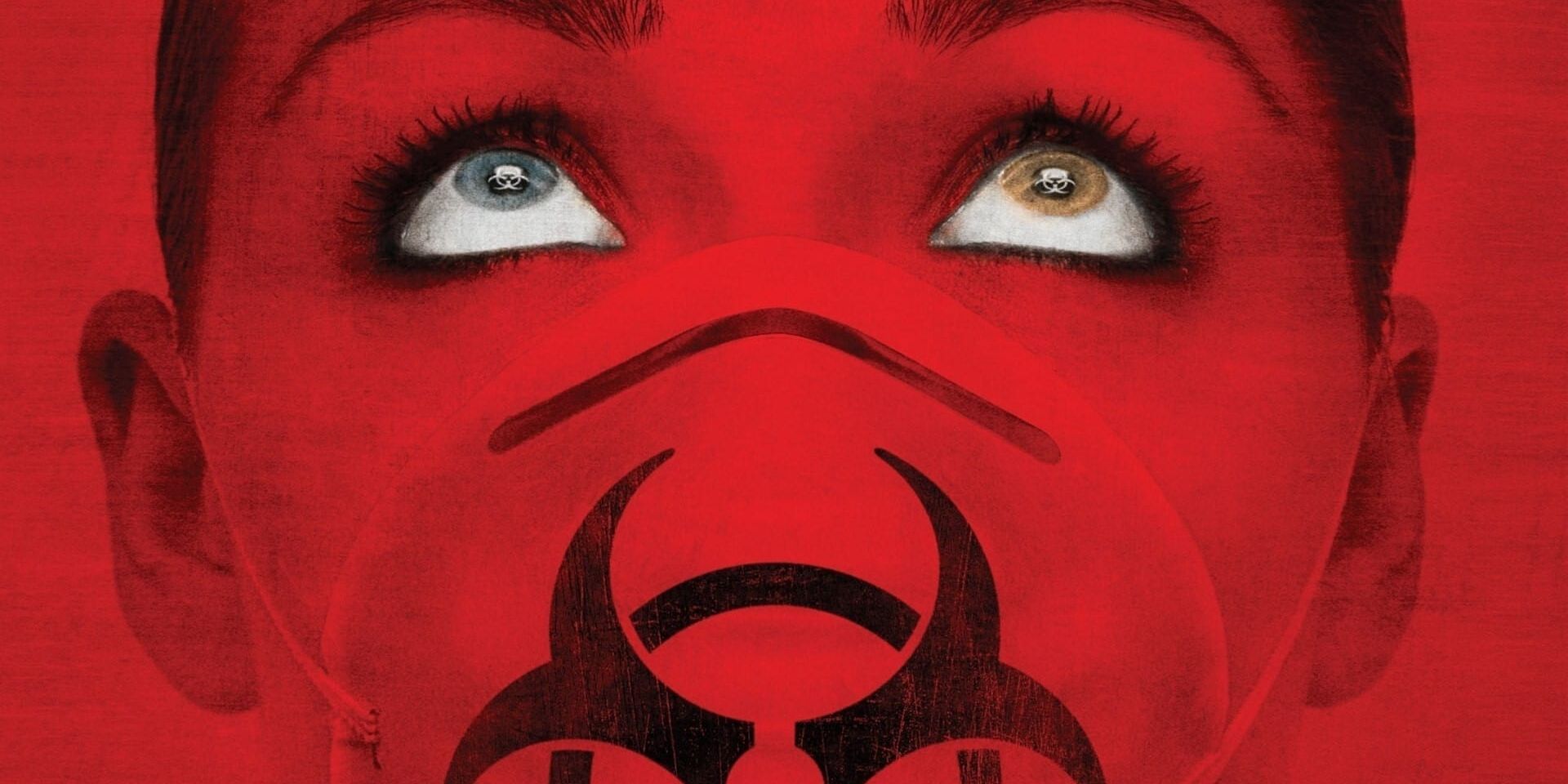
The teaser trailer for 28 Years Later debuted in late 2024, marking the official return of director Danny Boyle and writer Alex Garland to the seminal horror franchise. The footage confirmed a June 20, 2025, theatrical release, showcasing Cillian Murphy’s return as Jim alongside a new ensemble cast including Jodie Comer and Aaron Taylor-Johnson.
The Cultural Weight of the 28 Years Later Teaser
As we look back from 2026, the release of the 28 Years Later teaser trailer stands as a pivotal moment in the revival of British horror. For nearly two decades, the franchise remained dormant following 2007’s 28 Weeks Later. While that sequel was well-received, it lacked the specific DNA provided by the original duo of Boyle and Garland. The teaser trailer served as a formal declaration that the "Rage Virus" universe was being reclaimed by its architects.
The trailer did more than just announce a film; it reignited a conversation about the "fast zombie" subgenre that the original 2002 film helped pioneer. By the time the teaser dropped, the horror landscape had shifted toward "elevated horror" and psychological thrillers. The teaser for 28 Years Later promised a return to visceral, kinetic energy, combined with the high-concept storytelling for which Garland has since become famous through works like Ex Machina and Civil War.
The anticipation surrounding the teaser was fueled by years of "will-they-won't-they" rumors. When Sony Pictures finally released the footage, it broke viewership records for the studio’s horror division, proving that the 28-year gap (both in the narrative and nearly in real-world time since the original's conception) had only increased the audience's appetite for this specific brand of societal collapse.
Analyzing the Teaser’s Visual Language and Technical Innovation
One of the most discussed aspects of the 28 Years Later teaser trailer was its unique visual texture. Danny Boyle and cinematographer Anthony Dod Mantle (who won an Oscar for Slumdog Millionaire) chose to push the boundaries of digital filmmaking once again.
The Return of Anthony Dod Mantle and Digital Grain
In 2002, 28 Days Later was famously shot on the Canon XL-1, a standard-definition digital camera, to give the film a raw, news-footage quality. The teaser for the 2025 film revealed a spiritual successor to that aesthetic. While the resolution is significantly higher, the trailer showcased a deliberate use of digital "noise" and high-shutter-speed photography to mimic the frantic, panicked feeling of the first film.
The teaser’s color palette leaned heavily into desaturated greens and industrial greys, contrasting with the stark, terrifying crimson of the "Rage" infected eyes. This visual continuity helped bridge the 23-year real-world gap between the first and third films, making the world feel lived-in and decayed rather than shiny and over-produced.
Innovations in Mobile Cinematography
Perhaps the most technical "Easter egg" revealed during the production and teased in the trailer's framing was the use of specialized mobile technology. Reports confirmed that significant portions of the film were shot using the iPhone 15 Pro Max, equipped with specialized lenses and cages.
The teaser trailer showcased several low-angle, high-mobility shots that would have been difficult to achieve with traditional IMAX rigs. This choice wasn't just a gimmick; it reflected the "guerrilla filmmaking" spirit of the original. In the trailer, this manifests as a series of claustrophobic sequences through overgrown British hedgerows and abandoned urban corridors, providing a sense of immediacy that traditional cameras often struggle to capture in the horror genre.
Narrative Breadcrumbs: What the Trailer Revealed About the World
The teaser was carefully edited to provide atmosphere rather than a beat-by-beat plot summary. However, several key narrative elements were confirmed through specific shots and dialogue snippets.
The Survival of Jim and the Return of Cillian Murphy
The most significant moment in the teaser was the reveal of Cillian Murphy. Having become an Academy Award winner in the years since he first played Jim, Murphy’s involvement was the trailer's "stinger." We see a much older, more weathered Jim. The teaser implies that Jim has not only survived the initial outbreak and the subsequent waves but has become a foundational figure in the "new" Britain.
His dialogue in the trailer—"It never left; it just waited"—suggests a more philosophical and perhaps cynical view of the virus. This indicates that 28 Years Later is moving away from the "survival of the week" trope and toward a study of how humanity adapts to a permanent state of biological threat.
New Protagonists: Jodie Comer and Aaron Taylor-Johnson
The teaser introduced Jodie Comer and Aaron Taylor-Johnson as the new faces of the franchise. Comer’s character is seen leading a small group through the ruins of a Northern English city, suggesting she plays a protector or a scout. Her presence brings a level of dramatic gravity to the film, as the trailer focuses on her expressive reactions to the horrors she encounters.
Aaron Taylor-Johnson appears in several high-action beats, including a frantic run through a forest that mirrors the iconic opening of the original film. The trailer suggests a multi-generational approach to the story, where those who remember the world before the Rage Virus (Jim) must interact with those who have grown up entirely within the "infected" era (Comer and Taylor-Johnson’s characters).
Sonic Atmosphere: The Evolution of "In the House, In a Heartbeat"
No analysis of the 28 Years Later teaser would be complete without mentioning the music. John Murphy’s iconic track, "In the House, In a Heartbeat," is arguably the most famous piece of music in modern horror.
The teaser trailer utilized a deconstructed version of this theme. It began with a single, distorted piano note, slowly building with industrial percussion and dissonant strings. This evolution of the score signaled that while the film honors its roots, it is not a mere nostalgia trip. The music in the trailer served to build an unbearable sense of dread, peaking with a sudden silence before the final reveal of the release date.
Comparison of the Trilogy’s Launch Campaigns
To understand the impact of the 28 Years Later teaser, it is helpful to compare how the marketing for this film differed from its predecessors.
| Feature | 28 Days Later (2002) | 28 Weeks Later (2007) | 28 Years Later (2025) |
|---|---|---|---|
| Primary Marketing Hook | The "Fast Zombie" novelty | The collapse of "Safe Zones" | The return of the original creators |
| Visual Style | Gritty SD Digital (MiniDV) | Polished 35mm Film | High-End Digital/Mobile Hybrid |
| Key Reveal | Abandoned London | The return of the virus in a city | Cillian Murphy's return as Jim |
| Tone | Desolate/Existential | Action-Oriented/Panic | Epic/Legacy Horror |
| Main Setting | London/Southern England | London (District 1) | Northern England/Rural UK |
Production Challenges and the Northumberland Setting
The teaser featured sweeping shots of the Northumberland landscape, including the iconic Holy Island (Lindisfarne). This choice of location was a major talking point for fans. Unlike the previous films, which focused heavily on the urban decay of London, 28 Years Later appears to take place in the rugged, isolated north.
The trailer highlights the contrast between the natural beauty of the English countryside and the unnatural violence of the infected. One particularly striking shot shows a line of Infected running across a misty moor, emphasizing the scale of the threat. The production faced significant challenges with the British weather during the 2024 shoot, but the teaser proves that these atmospheric conditions added a layer of "British Folk Horror" to the existing "Zombie Apocalypse" framework.
Reception and the Road to the 2025 Box Office Success
When the teaser trailer first hit the internet, the reaction was overwhelmingly positive. Industry analysts noted that the "Garland-Boyle Reunion" was the primary driver of high engagement scores. Social media sentiment analysis during the trailer's launch week showed that 85% of the conversation focused on the technical look of the film and the emotional impact of seeing Jim return.
This teaser was the first step in what became a massive box-office run in the summer of 2025. It successfully positioned the movie not just as a "horror sequel," but as a major cinematic event. By 2026, the trailer is often cited in film schools as a masterclass in "Legacy Sequel" marketing—giving the audience enough of the familiar (the music, the infected's scream, Cillian Murphy) while promising something entirely new in terms of scope and technology.
FAQ
Is Cillian Murphy the main character in 28 Years Later?
While Cillian Murphy returns as Jim, the teaser trailer and subsequent film materials suggest he serves as a "legacy lead" rather than the sole protagonist. He provides the connective tissue to the original 2002 film, but much of the narrative heavy lifting is shared with the characters played by Jodie Comer and Aaron Taylor-Johnson. Jim’s role is more about the wisdom—and trauma—of surviving for nearly three decades in a broken world.
Does the teaser trailer show a new type of zombie?
The teaser focuses on the "Rage Virus" infected, who remain fast and hyper-violent. However, subtle hints in the footage—such as the way the infected seem to move in more coordinated patterns—led to widespread speculation (later confirmed in the 2025 release) that the virus has evolved. The trailer emphasizes that 28 years of mutation have made the "Infected" more efficient and perhaps more patient than they were in the early days.
Why did it take so long to get a trailer for a third film?
The delay was primarily due to complex rights issues between the original creators and the studio. For years, Danny Boyle and Alex Garland were busy with other projects, but they always maintained that they had a "great idea" for a third part. It wasn't until Sony Pictures secured the rights for a new trilogy in early 2024 that production finally moved forward, leading to the teaser's eventual release in late 2024.
Is 28 Years Later shot on an iPhone?
Yes, parts of the film and several shots seen in the teaser trailer were captured using the iPhone 15 Pro Max. This was done to achieve a specific aesthetic that mirrors the raw, digital feel of the original 28 Days Later. However, it was used in conjunction with professional lenses and other high-end digital cinema cameras like the Sony FX3 to ensure the film maintained a "big-screen" quality while pushing technical boundaries.
Will there be a sequel to 28 Years Later?
Yes. The teaser trailer was the first step in a planned trilogy. Following the success of the 2025 release, production on the second installment (rumored to be titled 28 Years Later: Part II) began shortly after. The teaser for the first film was designed to set the stage for a much larger, overarching narrative that explores the global state of the world 28 years after the initial outbreak.
Practical Recommendation for Viewers
If you are revisiting the 28 Years Later teaser trailer or the film itself in 2026, it is highly recommended to watch the footage on a screen capable of high dynamic range (HDR). The specific cinematography choices made by Anthony Dod Mantle—particularly the high-contrast lighting and the intentional digital grain—are best appreciated in 4K resolution.
For those interested in the filmmaking process, comparing the teaser for 28 Years Later with the original trailer for 28 Days Later (2002) provides a fascinating look at how digital cinema has evolved from a "low-budget alternative" to a "high-end artistic choice." Ensure you use official sources like the Sony Pictures YouTube channel or high-quality Blu-ray supplements to avoid the compression artifacts that can muddy the intentional "look" of the film.