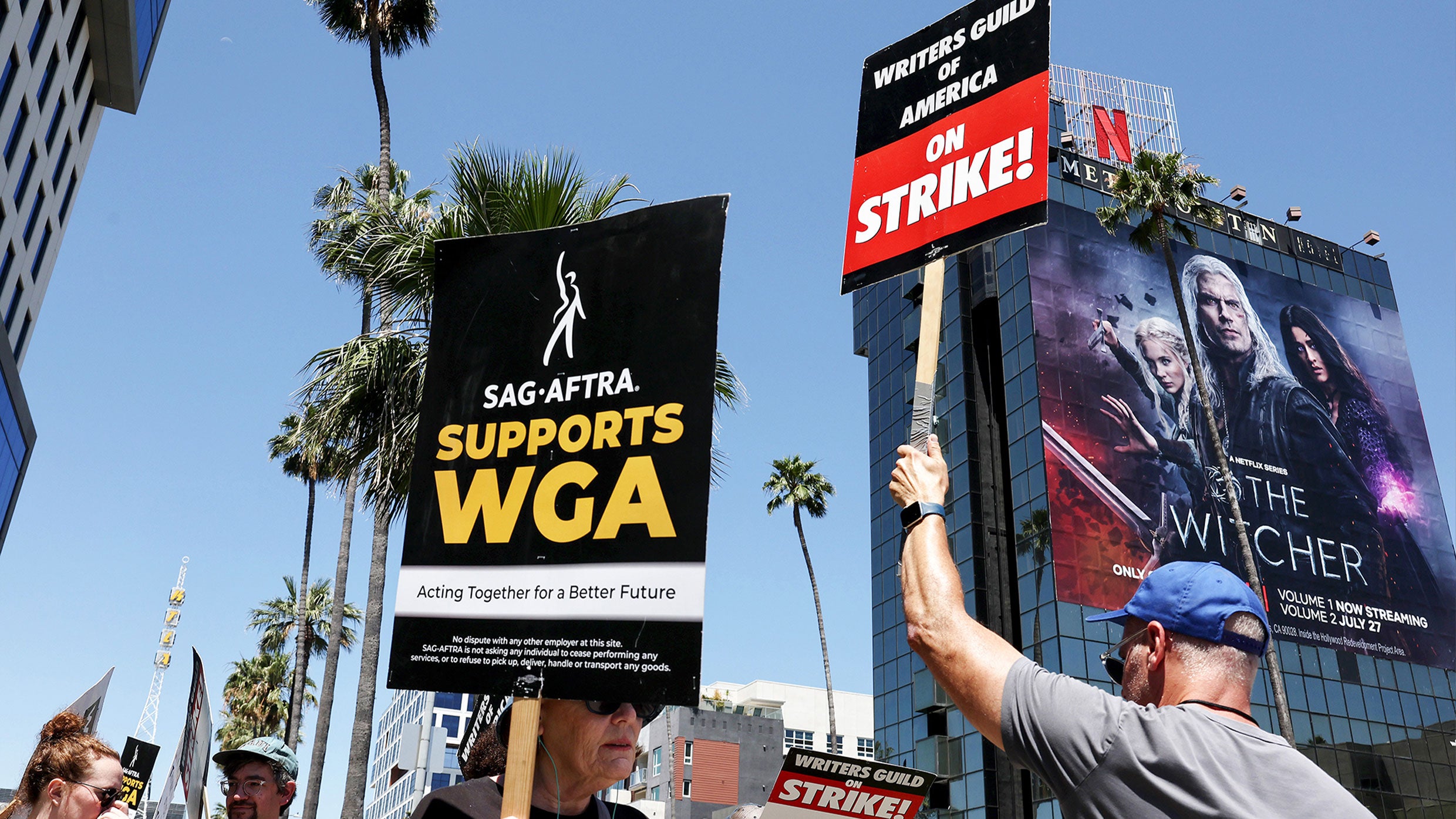
The 2026 SAG-AFTRA contract negotiations represent a critical juncture for the entertainment industry as the three-year TV/Theatrical Codified Basic Agreement, established after the historic 2023 strike, nears its expiration on June 30, 2026. These talks focus on evolving artificial intelligence protections, streaming residual transparency, and wage adjustments intended to keep pace with shifts in the global media landscape.
The transition from the hard-fought gains of 2023 to the current 2026 bargaining cycle marks a period of significant structural change in Hollywood. As the Screen Actors Guild-American Federation of Television and Radio Artists (SAG-AFTRA) prepares to meet with the Alliance of Motion Picture and Television Producers (AMPTP), the stakes are defined by the rapid advancement of generative technology and the continued consolidation of streaming platforms. This negotiation is not merely a routine renewal but a foundational effort to redefine the value of human performance in an increasingly automated environment.
The 2026 Bargaining Landscape and Expiration Deadlines
The primary contracts governing the vast majority of scripted film and television production—the Codified Basic Agreement and the Television Agreement—are scheduled to expire at midnight on June 30, 2026. This deadline creates a natural "pressure cooker" environment for both labor and management. Historically, negotiations begin several months prior, typically in the spring, following a period of internal preparation by the union known as the Wages and Working Conditions (W&W) process.
During the W&W phase, SAG-AFTRA members from various locals (Los Angeles, New York, and regional branches) meet to discuss their specific grievances and priorities. This grassroots feedback forms the basis of the "pattern of demands" that the union’s National Board approves before heading to the bargaining table. In 2026, the focus has shifted from the broad existential fears of 2023 to specific, granular enforcement of AI clauses and the refinement of success-based compensation models.
The AMPTP, representing major studios like Disney, Warner Bros. Discovery, Netflix, and Amazon, enters these talks during a period of intense cost-cutting and "rationalization" of streaming expenses. Having faced the financial impact of the 118-day strike in 2023, the industry is wary of further work stoppages, yet the fundamental disagreements regarding digital rights and data transparency remain potent.
Primary Points of Contention in the 2026 Talks
The 2026 negotiations are dominated by three "pillars": Artificial Intelligence regulation, the evolution of streaming residuals, and traditional economic protections such as the General Wage Increase (GWA).
1. Artificial Intelligence and Digital Replicas
In the 2023 contract, SAG-AFTRA secured language regarding "Employment-Based Digital Replicas" and "Independently Created Digital Replicas." However, the technology has advanced faster than the legal frameworks. In 2026, the union is pushing for:
- Granular Consent: Moving beyond "clear and conspicuous" consent to ensure that performers have the right to veto specific uses of their likeness that were not envisioned at the time of filming.
- Compensation for Training Data: A major sticking point is whether studios should pay performers if their past performances are used to "train" proprietary AI models that generate entirely new, synthetic characters.
- Defining "Human" Performers: Strengthening the requirement that a "performer" under the contract must be a human being, thereby preventing studios from replacing background actors or secondary roles entirely with "FABA" (Frequently Applied Biometric Assets).
2. The Evolution of Streaming Residuals
The 2023 deal introduced a success-based bonus for streaming content that reaches a certain viewership threshold (0.2% of the platform’s total domestic subscribers within the first 90 days). In 2026, the union's goal is to:
- Lower the Threshold: Argue that the 0.2% bar is too high for niche but critically acclaimed content.
- Increase Transparency: Demand more comprehensive data sharing from streamers. While the 2023 deal granted the union access to viewership data, the 2026 talks aim to make that data more accessible to individual performers so they can verify their own earnings.
- Ad-Tier Revenue Sharing: As platforms like Netflix and Disney+ shift toward ad-supported tiers, the union is seeking a specific formula to ensure performers share in the massive influx of advertising revenue.
3. General Wage Increases (GWA) and Inflation
The 2023 contract provided a 7% increase in the first year, followed by 4% and 3.5%. In 2026, the union is looking at the cumulative effect of inflation over the past three years. The "Schedule F" earners—those who earn above a certain threshold per episode or film—often see their rates stagnate. The 2026 demands include significant bumps to these ceilings to ensure that "middle-class" actors are not priced out of the industry by rising living costs in production hubs like Los Angeles and New York.
Comparative Overview: 2023 Wins vs. 2026 Demands
The following table outlines how the priorities have evolved from the previous contract cycle to the current 2026 negotiations.
| Issue Category | 2023 Contract Outcome | 2026 Negotiation Focus |
|---|---|---|
| Artificial Intelligence | Established definitions for digital replicas; required consent and payment. | Closing "synthetic character" loopholes; compensation for AI model training. |
| Streaming Residuals | Success-based bonus (75% of 100% of the fixed residual). | Expansion of bonus eligibility; inclusion of ad-tier revenue metrics. |
| Wage Increases | 7% / 4% / 3.5% (Total 14.5% compounded). | Proposals for 5% annually or inflation-linked adjustments. |
| Self-Tape Auditions | Limited pages (8) and technical requirements; 2-day turnaround. | Stricter enforcement; penalties for "virtual cattle calls" and software costs. |
| H&P Contributions | Increased contribution caps to the Health & Pension plans. | Securing long-term solvency amid lower production volume (the "contraction"). |
| Data Transparency | Quarterly data sharing with the union (confidential). | Per-member data access and public-facing viewership audits. |
The Role of the AMPTP and Studio Economic Pressures
The Alliance of Motion Picture and Television Producers (AMPTP) enters the 2026 talks with a focus on "sustainability." Since the 2023 strikes, the "Peak TV" era has officially ended, with the number of scripted series in production dropping significantly. The studios argue that the increased labor costs from the 2023 deal, combined with the high interest rates of the mid-2020s, have made the current business model precarious.
Studios are expected to push for:
- Flexible Distribution Windows: The ability to move content between streaming and linear TV without triggering "double" residual payments.
- Consolidation of Locals: Simplifying the payroll process for regional productions.
- AI Integration: Studios view AI as a necessary tool for post-production and localization (dubbing), and they will fight for the right to use these tools to lower "below-the-line" costs.
The tension between the union’s "human-centric" approach and the studios’ "efficiency-centric" approach is the primary driver of friction in the 2026 talks. The outcome of these negotiations will determine whether the industry enters a period of labor peace or faces another round of disruptive work stoppages.
Practical Steps for SAG-AFTRA Members during 2026
For the approximately 160,000 members of SAG-AFTRA, the 2026 contract talks require active participation and financial preparation. The memory of the 2023 strike remains fresh, and union leadership has emphasized that a "strike authorization vote" is always a potential tool in the bargaining arsenal.
- Update Member Profiles: Members are urged to ensure their contact information is current on the SAG-AFTRA portal to receive strike authorization ballots and negotiation updates.
- Attend W&W Meetings: Participation in Wages and Working Conditions meetings is the only way for rank-and-file members to influence the initial proposal package.
- Financial Resilience: Due to the possibility of a "de facto" strike (where production slows down in anticipation of a work stoppage), members are advised to bolster their personal savings in the first half of 2026.
- Review the "No-Strike" Clause: Members must remember that until the current contract expires on June 30, 2026, they are contractually obligated to work. Crossing a picket line before the expiration (unless an "Interim Agreement" is in place) is a violation of union rules.
The Influence of Other Guilds: WGA and DGA
The 2026 labor cycle is particularly complex because the Writers Guild of America (WGA) and the Directors Guild of America (DGA) also have contracts expiring in 2026. The WGA contract expires in May 2026, just one month before SAG-AFTRA. This "alignment of expirations" mirrors the conditions of 2023, raising the possibility of coordinated labor actions.
If the WGA and SAG-AFTRA both reach an impasse with the AMPTP simultaneously, the industry could face a total shutdown. However, many analysts believe that the 2023 strike provided a "template" for 2026, and both sides may be more inclined to reach a deal quickly to avoid the devastating economic losses seen previously. The DGA, which traditionally settles earlier and sets the "pattern" for the other guilds, will be a key indicator of the studios' willingness to compromise on AI and residuals.
Frequently Asked Questions
Is another strike likely in 2026?
While a strike is never the desired outcome, it remains a possibility if the AMPTP refuses to address the union's core concerns regarding AI and streaming ad-tier revenue. The "alignment" of the WGA and SAG-AFTRA contract expirations in the spring/summer of 2026 increases the leverage of the unions but also the potential for a broad industry halt.
How do the 2026 talks affect voice actors and video game performers?
The TV/Theatrical contract is separate from the Interactive Media Agreement (which covers video games). However, the language negotiated in the 2026 TV/Theatrical talks often serves as a "pattern" for other contracts. Voice actors are particularly concerned about AI voice cloning, and the 2026 theatrical deal will likely set the standard for how "digital voice replicas" are handled across all SAG-AFTRA jurisdictions.
Will the 2026 contract address "Self-Tape" grievances?
Yes. Although the 2023 contract established the first-ever regulations for self-taped auditions, members have reported various loopholes, such as "requesting" high-quality lighting or excessive page counts under the guise of "optional" suggestions. The 2026 talks will likely seek to codify stricter penalties for casting offices that violate these rules.
What is the "Success-Based Bonus" threshold for 2026?
Under the 2023 agreement, the threshold was 0.2% of a platform’s domestic subscribers. For 2026, the union is expected to propose lowering this threshold to 0.1% or 0.15% to capture a wider range of moderately successful programs that contribute to a platform's value but don't reach "blockbuster" status.
How does the 2026 contract handle foreign residuals?
With the global expansion of platforms like Netflix and Disney+, foreign viewership has become more valuable than domestic in many cases. The 2026 negotiations will aim to increase the "foreign residual" plateaus, which have historically lagged behind the domestic formulas established decades ago.
Conclusion and Next Actions
The 2026 SAG-AFTRA contract talks are a defining moment for the future of creative labor. As the deadline of June 30, 2026, approaches, the focus will remain on the intersection of human creativity and technological automation. For performers, the goal is to ensure that the "middle-class actor" remains a viable career path in the age of streaming and AI.
Next Actions for Industry Professionals:
- Producers: Audit upcoming production schedules for the summer of 2026. Consider "front-loading" production to complete principal photography before the June 30 expiration.
- Performers: Engage with local union chapters during the W&W process in early 2026 to ensure your specific concerns (e.g., background, stunts, voiceover) are represented in the final demands.
- Investors: Monitor the trades (Variety, The Hollywood Reporter) starting in March 2026 for reports on the progress of "pre-negotiation" talks between the union and the AMPTP.