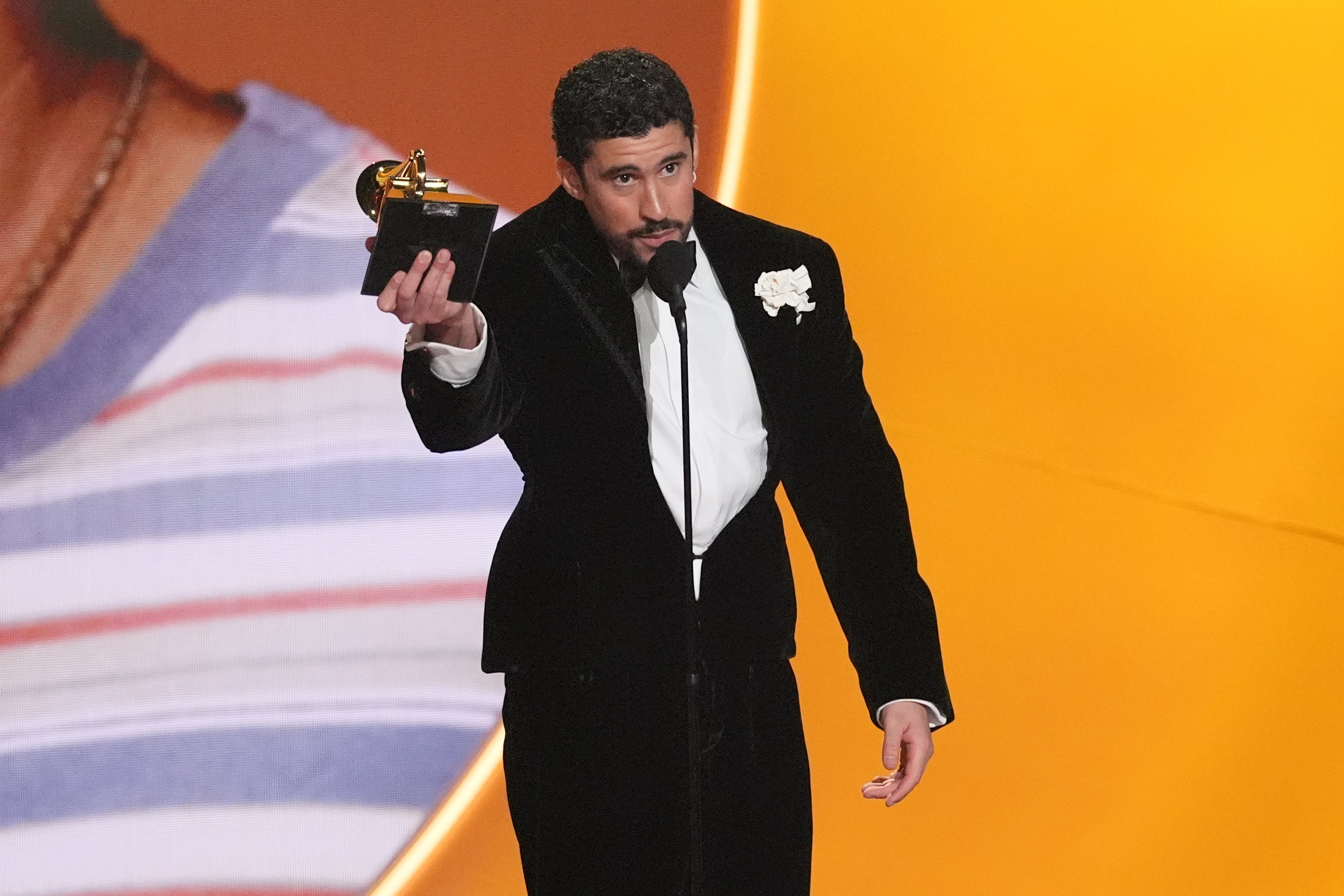
A Grammy acceptance speech in 2026 is governed by the Recording Academy’s strict time constraints, structural guidelines, and professional expectations for winners. Recipients are typically allotted 45 to 60 seconds to address the audience, requiring a blend of concise gratitude, personal reflection, and acknowledgment of collaborators while navigating the logistical realities of a live, globally broadcast production.
The Grammy Awards, overseen by the Recording Academy, represent the highest honor in the music industry. As the 2026 ceremony unfolds, the focus on acceptance speeches centers on balancing raw emotional expression with the rigid timing requirements necessary to maintain a broadcast schedule. Whether you are an emerging artist or an established industry veteran, understanding the "how-to" of these moments is essential for ensuring your message resonates without being truncated by the production team.
Understanding the Production Constraints
The primary challenge of a Grammy acceptance speech is the brevity imposed by live television. With dozens of awards presented throughout the night—many of which occur during the pre-telecast ceremony or between major segments of the main telecast—the Recording Academy mandates a strict "play-off" policy.
In 2026, the standard allotment for an acceptance speech remains firmly capped. While specific durations can fluctuate based on the specific category—with higher-profile categories often receiving slightly more leeway—winners are generally expected to deliver their remarks in under one minute. The "play-off" music serves as a tangible, audible signal that time has expired. This serves two functions: it keeps the ceremony moving for a global viewership and ensures that every winner is afforded a moment on stage, even if the total broadcast time is finite.
Pre-Ceremony Preparation: Drafting Your Message
Preparation is the difference between a coherent, memorable moment and a frantic, disjointed stream of consciousness. Winners who prepare ahead of time are significantly more likely to deliver an impactful speech that avoids common pitfalls.
When drafting your remarks, focus on the "Three Pillars of Acceptance":
- Gratitude: Acknowledge the Recording Academy and the voting members who recognized your work.
- Recognition: Thank the individuals directly responsible for the project’s success, including producers, engineers, managers, and labels. Grouping these individuals under a collective "thank you" is often more effective than reading a long, exhaustive list.
- Significance: Use the remaining seconds to speak to the theme of the project, your creative evolution, or the community you represent.
Avoid the "laundry list" approach. Reading a list of names from a piece of paper often disconnects the audience from the artist. Instead, memorize the primary names and allow the emotional tone of your victory to dictate the delivery.
On-Stage Logistics and Etiquette
Navigating the transition from your seat to the stage is a logistical process in itself. In 2026, the venue operations team enforces specific routes for winners to ensure that the broadcast cut is seamless. Once your name is announced, maintain a steady pace toward the stage. Do not sprint, but acknowledge the need for efficiency.
Upon reaching the microphone, adjust it to your height immediately. This small action prevents "mic-fumbling," which wastes precious seconds and ruins the audio quality of your opening statement. The Recording Academy’s technical team is expert at managing levels, but if the microphone is improperly positioned, your voice may drop out or lose clarity.
Key On-Stage Guidelines:
- Acknowledge the Presenter: A brief "Thank you" to the individual who handed you the award is polite and standard practice.
- The "Play-Off" Strategy: If the music begins and you are not finished, do not attempt to speak over the music. This creates an unpleasant audio experience for the viewer. Instead, acknowledge the music with a smile or a brief nod, finish your final sentence, and exit gracefully.
- Body Language: Maintain eye contact with the audience and cameras. Avoid looking down at your notes for more than a few seconds at a time.
Comparison of Acceptance Speech Factors
| Factor | Television Broadcast | Premiere (Pre-Telecast) Ceremony |
|---|---|---|
| Time Constraint | Strictly enforced (usually < 60s) | Slightly more flexible |
| Audience Focus | Global, multi-million viewer base | Industry professionals and peers |
| Tone Expectation | Polished, professional, concise | Often more personal, raw, and informal |
| Technical Setup | Highly choreographed, complex | Streamlined, lower profile |
Common Mistakes to Avoid
The most frequent error in Grammy acceptance speeches is over-inclusion. Many winners feel compelled to thank every person they have ever worked with, leading to a frantic, hurried delivery. This is counterproductive. The audience will remember your presence and the emotional weight of your win, not the list of people you thanked.
Another common mistake is excessive apology or nervousness. While it is natural to be overwhelmed, viewers appreciate confidence. If you make a mistake, simply continue. The "perfection" of the speech is less important than the sincerity of your presence. Finally, avoid using the platform for prolonged off-topic tangents that do not relate to the music or the award; while creative freedom is high, remember that the audience is tuned in primarily for the celebration of musical excellence.
Technical Support and Accessibility
The Recording Academy provides support for winners to ensure their needs are met during the ceremony. If you have specific accessibility requirements—such as a need for an interpreter or assistance navigating the stage—these should be communicated to the event production team during the rehearsals scheduled in the days leading up to the ceremony.
In 2026, the integration of real-time captioning and digital teleprompting is handled with high precision. While you are not expected to read a speech from a teleprompter, the production team often provides a "time-remaining" indicator visible to the winner on the stage monitor. Keep an eye on this if you are prone to losing track of time during high-stress situations.
Frequently Asked Questions
1. How long do I actually have to speak? Most winners are given 45 to 60 seconds. The "play-off" music usually starts around the 45-second mark to encourage a prompt wrap-up.
2. Can I bring a written list of people to thank? Yes, but it is recommended to keep it as a mental note or a small, discreet card. Pulling out a long smartphone note or multiple sheets of paper is distracting for the broadcast.
3. What happens if I get cut off by the music? If the music starts, the best strategy is to conclude with a final thank you or a singular, powerful concluding thought. Do not try to shout over the house music.
4. Are rehearsals mandatory? While you cannot rehearse your specific acceptance speech (as you don't know you have won until the moment), winners are often guided through stage positioning and microphone protocols during the day-of orientation.
5. How should I prepare for the "walk-up"? Prepare your thank-yous in your head before your category is announced. If you win, take a moment to collect yourself, thank the person who presented the award, and head to the mic with purpose.
Strategic Advice for Winners
The most successful speeches in the history of the Grammys have been those that connect the award to the work itself. When you stand on that stage in 2026, remember that your win is a reflection of the collective effort of your team and the impact your music has had on the listeners.
Focus on one or two specific points you want to land. Perhaps it is a dedication to a mentor, a comment on the state of the industry, or a sincere thank you to your family. By limiting your scope, you increase the likelihood that your words will be remembered long after the ceremony ends. Keep your message, your gratitude, and your delivery clear, and you will navigate the 2026 Grammy acceptance experience with professionalism and poise.