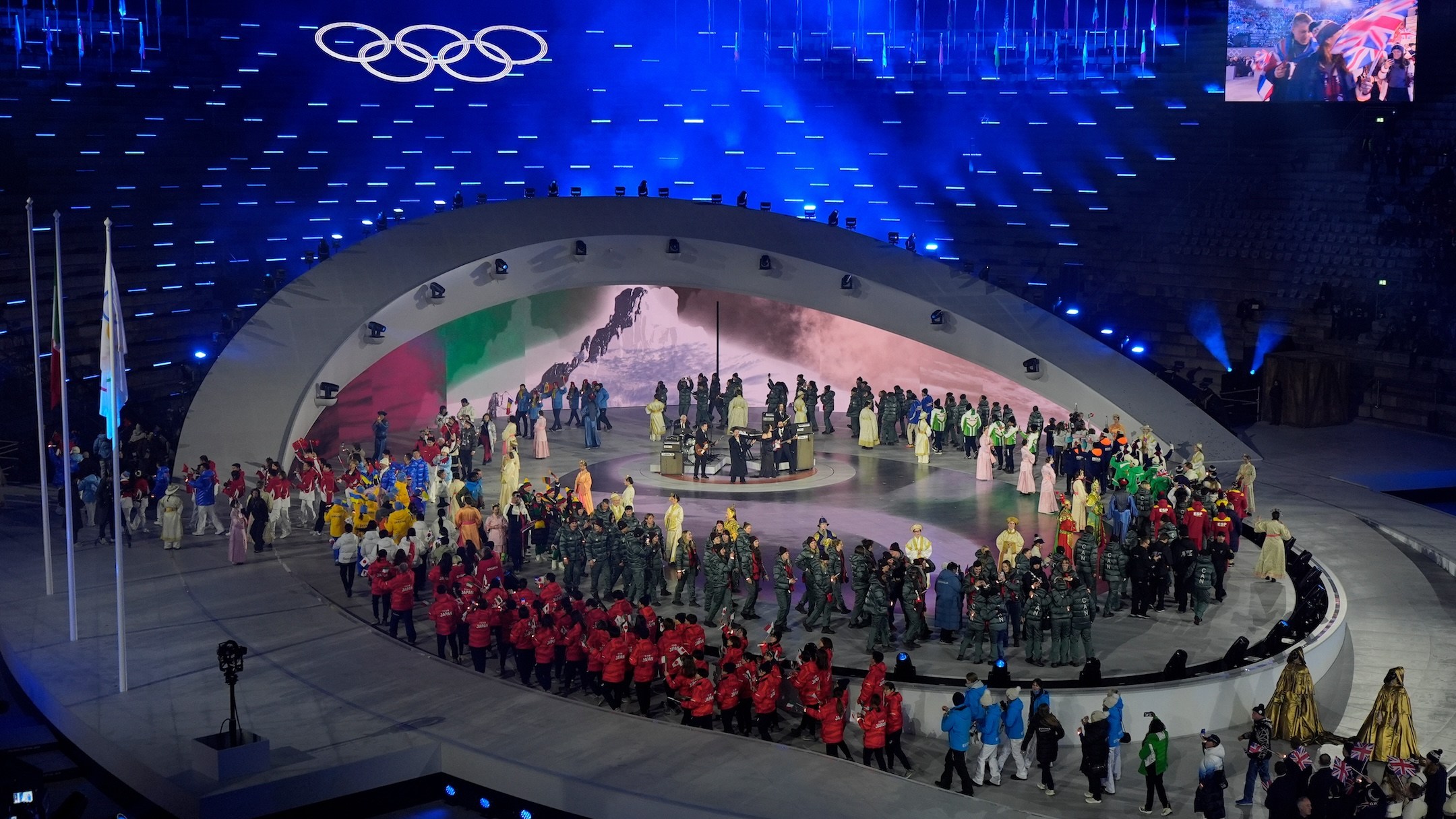
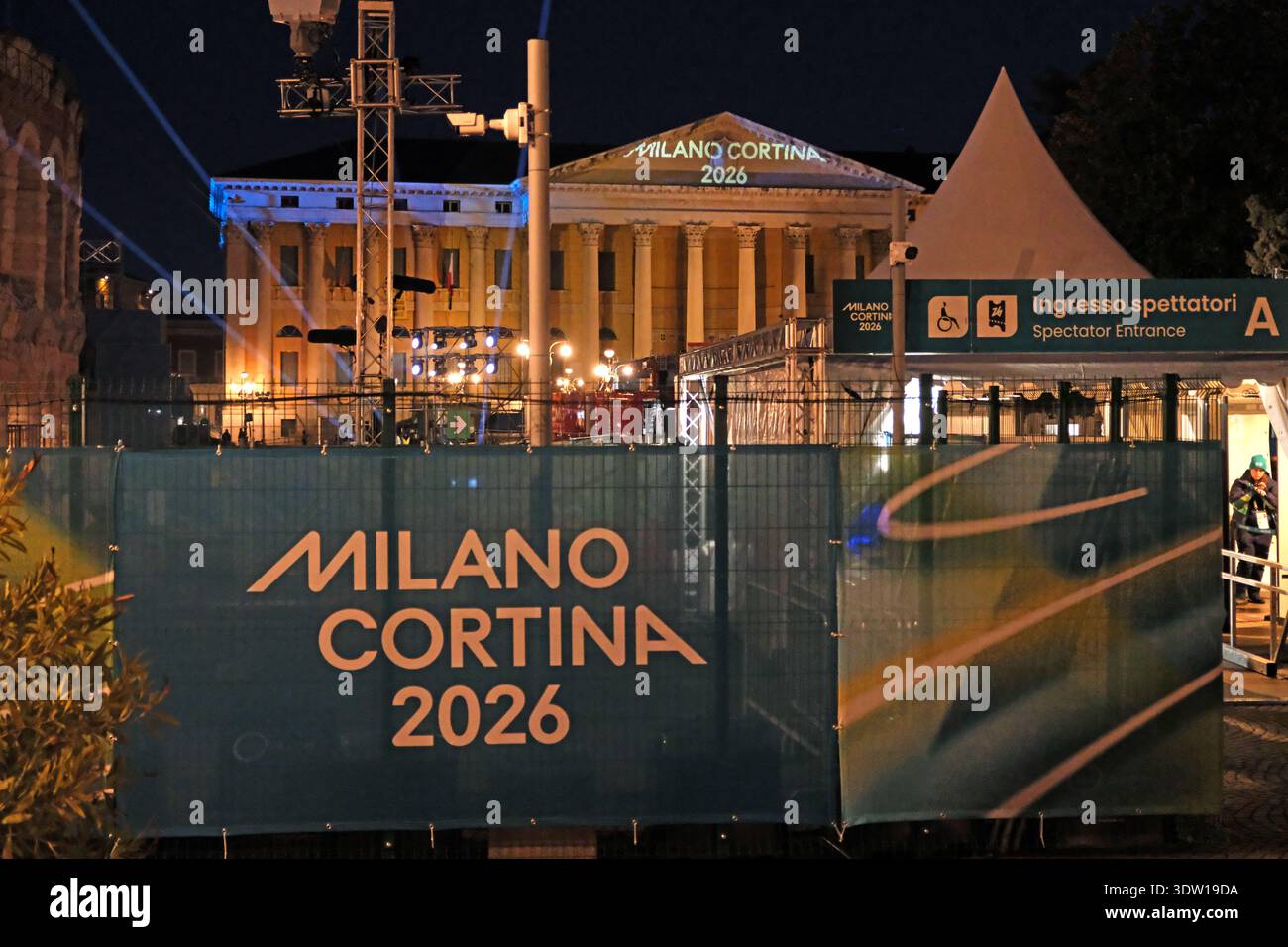
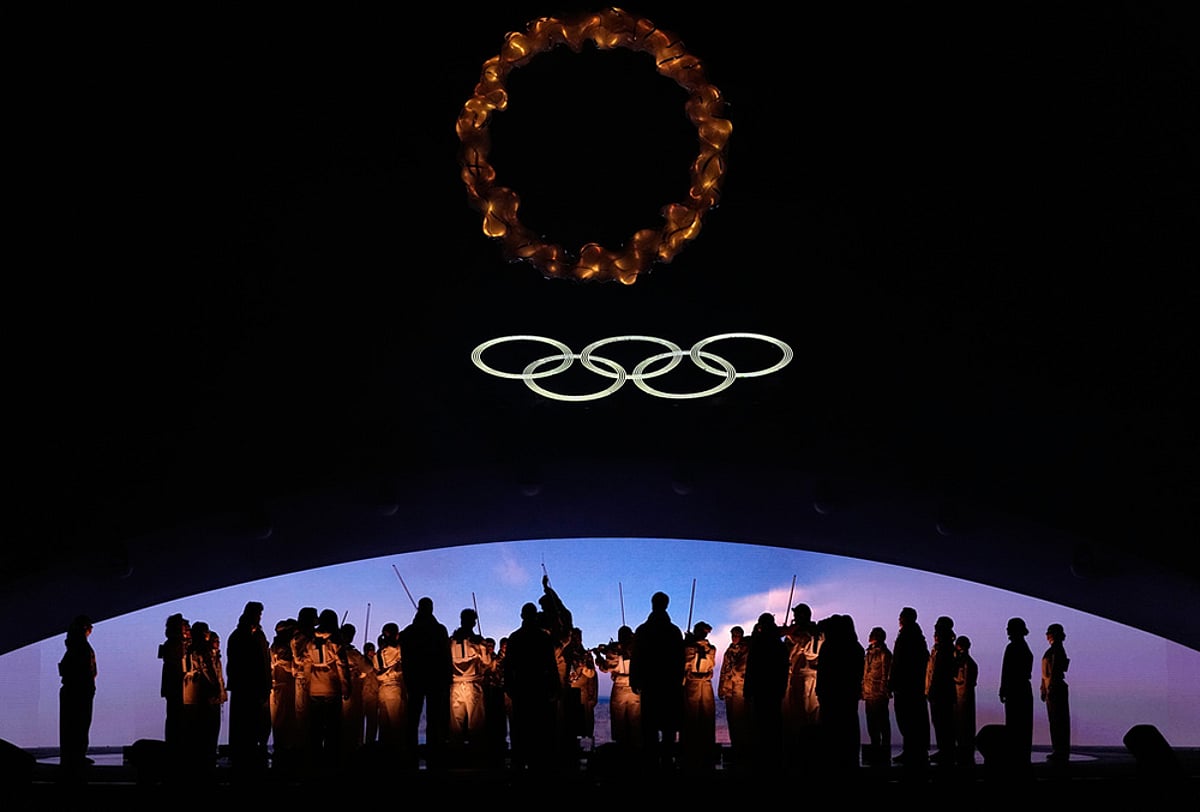
The 2026 Milano Cortina Winter Olympics Closing Ceremony is scheduled to take place on February 22, 2026, at the Verona Arena (Arena di Verona) in Italy. The event marks the official conclusion of the XXV Olympic Winter Games, featuring the final cultural performances, the extinguishing of the Olympic flame, and the ceremonial handover of the Olympic flag to the hosts of the 2030 Winter Games.
The Significance of the Closing Ceremony Venue
The choice of the Arena di Verona as the site for the 2026 Closing Ceremony is a departure from the traditional use of a primary Olympic Stadium. This choice reflects the unique multi-city structure of the Milano Cortina Games, which distributes events across Northern Italy. The Arena di Verona, a historic Roman amphitheater, provides a dramatic, centuries-old backdrop that emphasizes Italian heritage and cultural legacy.
For spectators and participants, this choice presents specific logistical considerations. Unlike a purpose-built Olympic stadium designed for high-capacity, standardized seating, the Arena di Verona is an open-air facility that has functioned for millennia. Attendees must prepare for a venue that integrates modern event production with ancient stone architecture, requiring specific awareness of sightlines, climate-appropriate attire, and movement within a historic city center.
Establishing the 2026 Ceremony Timeline
The timeline for the closing events is carefully orchestrated to balance tradition with the requirements of international broadcasting. While specific minute-by-minute schedules are managed by the International Olympic Committee (IOC) and the Milano Cortina 2026 Organizing Committee, the structure follows a standard protocol established over decades of Olympic history.
- The Parade of Athletes: Unlike the Opening Ceremony, where athletes march by nation, the Closing Ceremony sees athletes enter the stadium together, often in a more relaxed and communal fashion. This transition serves as a visual metaphor for global unity following the competitive phases of the games.
- Medal Ceremonies: Traditionally, the final medal ceremony—most often for the men's marathon in Summer Games or a final signature event in Winter Games—is conducted during the proceedings.
- The Handover Ceremony: The Mayor of the host city, in this case, Milano or Cortina, returns the Olympic flag to the President of the IOC, who then presents it to the mayors of the cities hosting the 2030 Winter Games (the French Alps region).
- Cultural Presentations: The host city and the successor city provide artistic segments. These performances aim to encapsulate the spirit of the games and provide a glimpse into the cultural identity of the next hosts.
- Extinguishing the Flame: The climax of the ceremony involves the lowering of the Olympic flag and the extinguishing of the cauldron, signaling the formal end of the XXV Olympic Winter Games.
Logistical Prerequisites for Attendees
For those attending in person, the timeline is influenced by the operational realities of Verona. As a city with narrow, historic streets, pedestrian flow management is a priority for the organizing committee. Attendees should note that the ceremony typically commences in the evening, aligning with prime-time broadcast slots in major global markets.
- Credential Verification: All attendees must possess valid tickets matched with official identification. Security protocols at the Arena di Verona will be rigorous; visitors should expect multiple checkpoints and restricted entry times to ensure a smooth flow into the stadium seating areas.
- Weather and Environmental Considerations: February in Northern Italy can be exceptionally cold. Because the Arena di Verona is an open-air amphitheater, audiences are exposed to the elements. Unlike indoor arenas, temperature control is not possible, and attendees must prepare for potential precipitation and sub-zero wind chills.
- Accessibility: Due to the historic nature of the venue, mobility requirements are strictly managed. The organizing committee provides specific instructions regarding accessibility services, which must be requested well in advance during the ticket purchasing process.
Comparing Olympic Ceremonies: Venue and Scope
The following table outlines the differences between traditional stadium-based ceremonies and the 2026 approach in Verona.
| Feature | Standard Olympic Stadium | Arena di Verona (2026) |
|---|---|---|
| Seating Capacity | 50,000 – 80,000+ | Limited historical capacity |
| Atmosphere | Modern, expansive, high-tech | Intimate, historical, iconic |
| Infrastructure | Modern HVAC and amenities | Preserved ancient architecture |
| Logistical Access | Dedicated transit hubs | Central city transit and walking |
| Broadcast Focus | Massive light shows, wide shots | Vertical depth, dramatic shadows |
Operational Responsibilities and Safety
The Milano Cortina 2026 Organizing Committee, in coordination with the Italian Ministry of the Interior, oversees the safety timeline. This includes the implementation of "No-Fly Zones" over the Arena area and strict vehicular access controls in the surrounding city center. For international visitors, understanding these restrictions is vital for effective transit planning. The committee typically publishes a "Spectator Guide" approximately six months prior to the games; consulting this document is the most reliable way to avoid last-minute transit failures.
The Role of Technology in the 2026 Timeline
While the setting is ancient, the production timeline relies on highly advanced technical synchronization. The use of projection mapping on the stone surfaces of the Arena di Verona represents a sophisticated blend of heritage and digital art. The sequence of light cues must be timed precisely to the second to accommodate the live global broadcast, which requires deep integration between the local production crew and international media partners.
Failures in timing, such as delays in the arrival of delegates or technical glitches in the extinguishing of the flame, are rare due to extensive rehearsals. These rehearsals often take place in the days preceding the closing, which may lead to temporary closures of the surrounding city areas. Residents and visitors should track local municipal notices for temporary traffic disruptions.
Common Misconceptions Regarding the Ceremony
A frequent error among travelers is the assumption that the Closing Ceremony occurs immediately following the last sporting event. In reality, there is often a gap of several hours or even a full day after the final medal events. The ceremony is a standalone production that requires significant lead time for set reconfiguration and security sweeps of the venue. Do not attempt to travel from a different Olympic venue (such as Cortina d'Ampezzo) on the same day as the ceremony without allowing significant buffer time for transit.
Frequently Asked Questions
1. Is the Closing Ceremony held in Milan or Cortina? The Closing Ceremony is neither in Milan nor Cortina; it is held in the Arena di Verona. The venue was selected to represent the broader Italian contribution to the games rather than focusing solely on the two naming cities.
2. Can I purchase tickets specifically for the Closing Ceremony? Yes, tickets for the Closing Ceremony are sold through the official Milano Cortina 2026 ticketing portal. Due to the limited seating capacity of the Arena di Verona compared to a standard Olympic stadium, these tickets are in high demand and are typically released in phases.
3. What happens if the weather is severe during the ceremony? The ceremony is designed to proceed in various weather conditions. However, in the event of extreme, life-threatening weather, the committee may modify the timeline or restrict certain pyrotechnic elements. Attendees should monitor official app notifications provided by the organizers for real-time updates.
4. How early should I arrive at the Arena di Verona? The recommended arrival time is at least three hours before the official start of the ceremony. This ensures sufficient time for security screening and the navigation of historic, potentially crowded pedestrian pathways leading to the venue gates.
5. Is the Closing Ceremony a public event? The ceremony is a ticketed event. While it is broadcast globally, entry to the arena is strictly restricted to those with valid accreditation or purchased tickets. There are no "free" areas within the venue for general public viewing.
Final Recommendations for Attendees
If you are planning to attend the 2026 Closing Ceremony, prioritize booking your accommodation in Verona well in advance. As a historic city, the hotel inventory is finite and prices surge during high-demand events. Second, verify the transportation links between your accommodation and the Arena. If you are staying outside the city center, prioritize rail connections, as road traffic will be heavily restricted. Always keep your physical ticket and a digital backup on your mobile device, as connectivity can become unstable in high-density crowd areas. By adhering to the official schedule and preparing for the unique conditions of the Arena di Verona, you can ensure a seamless experience at the finale of the Winter Games.