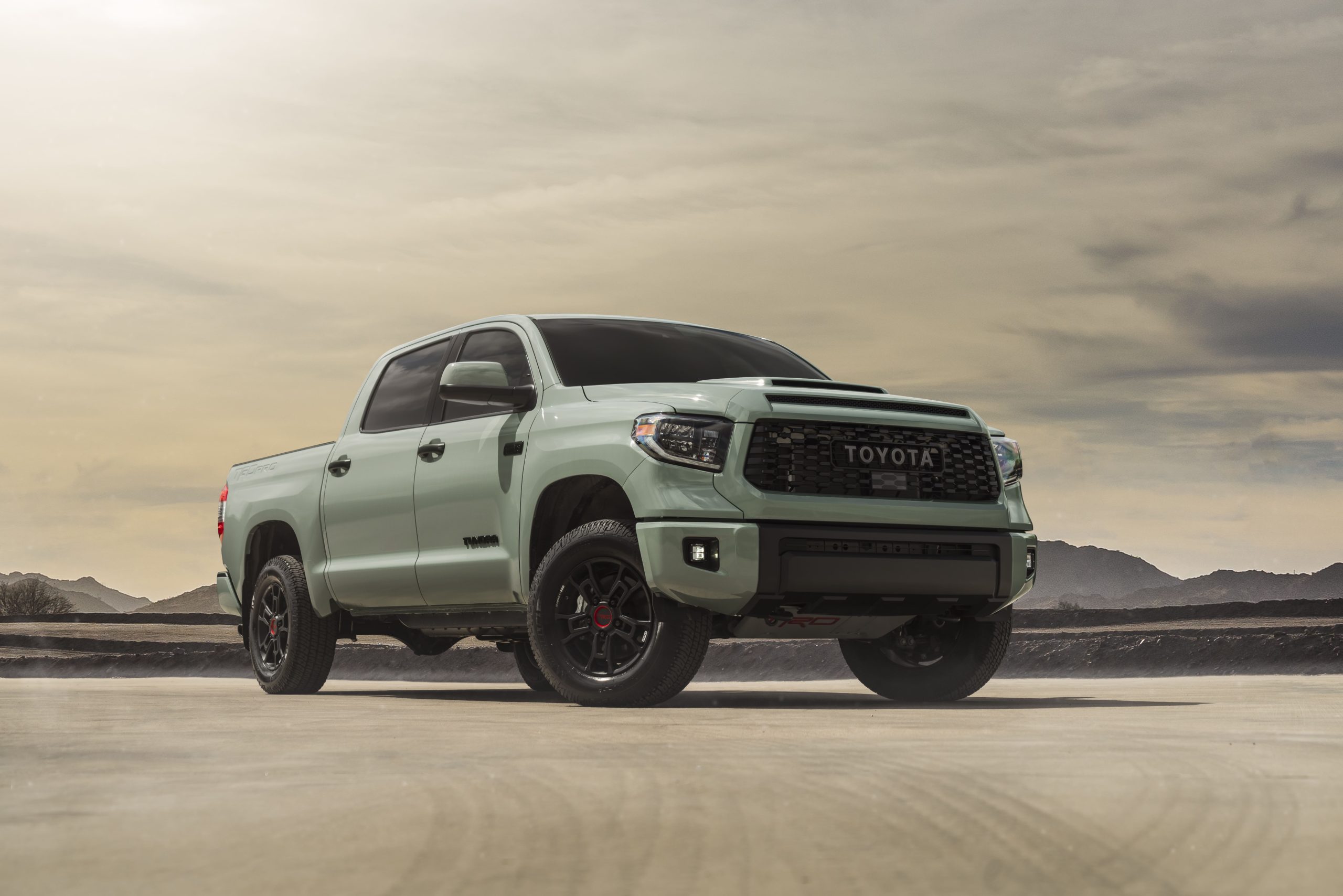
The 2020 Toyota Tundra payload capacity ranges from 1,430 to 1,730 pounds, varying by cab style, bed length, drivetrain configuration, and trim level. Determining the exact rating for a specific vehicle requires checking the tire and loading information placard located on the driver-side door jamb.
Understanding the Fundamentals of Automotive Payload Capacity
Payload capacity represents the maximum total weight a truck can safely carry. This figure includes the combined weight of the driver, passengers, all cargo loaded into the cab, accessories added after purchase, and the tongue weight of any attached trailer. Understanding this metric is essential for anyone using a full-size pickup truck for work, recreation, or towing. Exceeding a vehicle's payload limit can strain the suspension, compromise braking performance, accelerate wear on the tires and drivetrain, and create serious handling hazards on public roadways.
When evaluating a truck like the 2020 Toyota Tundra, buyers often confuse payload capacity with towing capacity. While towing capacity measures the maximum weight of a trailer the vehicle can pull, payload capacity focuses strictly on the weight pressed down into and onto the truck itself. The relationship between these two figures is inversely proportional to a degree; adding heavy passengers and cargo to the cab and bed reduces the remaining capacity available for trailer tongue weight before reaching the Gross Vehicle Weight Rating (GVWR).
The 2020 model year of the Toyota Tundra featured a standard 5.7-liter i-FORCE V8 engine across all trims, replacing the older 4.6-liter V8. This standardization streamlined performance metrics across the lineup, though structural differences among cabs and beds still created variance in payload ratings. Reviewing the precise specifications for each configuration helps buyers select a model that aligns with their functional requirements without risking safety or mechanical failure.
Key Factors Influencing 2020 Toyota Tundra Payload Ratings
Multiple physical and mechanical variables dictate how much weight a 2020 Toyota Tundra can legally and safely carry. Recognizing these factors explains why two trucks of the same model year can have drastically different capabilities on paper.
Cab Configurations and Curb Weight
The 2020 Tundra was offered in two primary cab styles: the Double Cab and the larger CrewMax. Because the CrewMax features a larger passenger cabin with more rear legroom and extensive structural reinforcement, its base curb weight is higher than that of a Double Cab. Since payload capacity is calculated by subtracting the vehicle’s curb weight (the weight of the truck with empty fluids and full fuel) from its GVWR, a heavier cab reduces the remaining weight available for cargo and passengers. Consequently, Double Cab models generally offer higher payload capacities than CrewMax models when paired with equivalent drivetrains and bed lengths.
Bed Length Options
Toyota offered the 2020 Tundra with three bed lengths depending on the cab configuration: a short bed (approximately 5.5 feet, exclusive to CrewMax), a standard bed (approximately 6.5 feet, available on Double Cab), and a long bed (approximately 8.1 feet, also available on Double Cab). Longer beds add steel surface area and structural support, which marginally increases curb weight. However, the distribution of that weight and the specific GVWR assigned to long-bed configurations can alter the final payload calculation.
Drivetrain: Rear-Wheel Drive versus Four-Wheel Drive
The choice between Rear-Wheel Drive (2WD) and Four-Wheel Drive (4WD) significantly impacts payload capacity. The mechanical components associated with a 4WD system—including the transfer case, front differential, drive shafts, and additional actuators—add several hundred pounds of dead weight to the truck's chassis. Because the Gross Vehicle Weight Rating does not always scale upward at the exact rate of the added 4WD hardware, 4WD models almost universally yield lower maximum payload capacities than their 2WD counterparts within the same trim family.
Trim Levels and Factory Options
Trim levels ranging from the utilitarian SR and SR5 to the comfort-focused Limited, Platinum, 1794 Edition, and off-road-oriented TRD Pro introduce varying levels of standard and optional equipment. Luxury features, larger wheels, premium sound systems, sunroofs, and specialized off-road suspension components (such as the heavy-duty FOX shocks on the TRD Pro) add weight. Every pound of factory-installed equipment reduces the remaining payload capacity. Therefore, a base SR Double Cab 2WD typically boasts the highest possible payload rating for the model year, while a heavily optioned TRD Pro CrewMax sits at the lower end of the spectrum.
Breakdown of Payload Capacities by Configuration
To provide a clear picture of how these variables manifest in the real world, the table below outlines representative payload capacities across various 2020 Toyota Tundra configurations. These figures reflect maximum ratings under ideal, factory-spec conditions.
| Cab Style | Bed Length | Drivetrain | Max Payload Capacity (lbs) | GVWR (lbs) |
|---|---|---|---|---|
| Double Cab | Standard (6.5 ft) | 2WD | 1,730 | 7,100 |
| Double Cab | Standard (6.5 ft) | 4WD | 1,660 | 7,200 |
| Double Cab | Long (8.1 ft) | 2WD | 1,730 | 7,200 |
| Double Cab | Long (8.1 ft) | 4WD | 1,620 | 7,200 |
| CrewMax | Short (5.5 ft) | 2WD | 1,600 | 7,200 |
| CrewMax | Short (5.5 ft) | 4WD | 1,510 | 7,200 |
| CrewMax (TRD Pro) | Short (5.5 ft) | 4WD | 1,430 | 7,200 |
Note: The figures listed above represent maximum factory ratings for standard production models. Individual vehicle door jamb stickers should always be consulted for absolute accuracy.
How to Verify Your Specific Truck's Payload Capacity
Relying on generic brochures or online general estimates can lead to overloading, as factory packages alter individual vehicle metrics. Verifying the exact payload capacity of a specific 2020 Toyota Tundra involves a straightforward process utilizing manufacturer documentation on the vehicle itself.
- Locate the Tire and Loading Information Placard: Open the driver-side front door and look at the B-pillar (the vertical post where the door latches). A yellow and white federal certification label will be affixed to the metal or trim.
- Identify the Statement: Look for the specific sentence that reads: "The combined weight of occupants and cargo should never exceed XXX kg or XXX lbs."
- Understand the Number: This exact figure is the maximum payload capacity tailored to that specific vehicle as it left the factory assembly line, factoring in all installed options, packages, and accessories.
- Account for Aftermarket Additions: The placard number assumes a completely stock vehicle. If aftermarket accessories such as heavy steel replacement bumpers, winches, bed liners, camper shells, or toolboxes have been installed, their weight must be subtracted from the placard figure to determine the true remaining capacity.
Practical Implications of Overloading a Tundra
Exceeding the payload capacity of a 2020 Toyota Tundra introduces mechanical, safety, and legal risks. While modern full-size trucks are engineered with safety margins, operating consistently beyond the specified limits degrades vehicle components rapidly.
Mechanical and Structural Wear
When weight exceeds engineering parameters, the rear leaf springs flatten or invert, leading to sagging and a severe loss of suspension travel. This puts excessive strain on the axle shafts, wheel bearings, and differential. Over time, the chassis frame experiences accelerated fatigue, and the braking system must work harder to stop a heavier-than-intended mass, resulting in premature brake pad and rotor wear.
Handling and Safety Hazards
An overloaded truck alters front-to-rear weight distribution. Excessive weight in the rear can lighten the front tires, reducing steering responsiveness, diminishing traction on slippery roads, and throwing off the alignment of the headlights, which can blind oncoming traffic. Furthermore, emergency braking distances increase significantly, and the risk of catastrophic tire blowout rises due to sustained over-inflation pressure and heat buildup under heavy loads.
Legal and Insurance Considerations
Operating a vehicle that exceeds its Gross Vehicle Weight Rating on public highways can carry legal consequences. Law enforcement officers or commercial vehicle enforcement scales can ticket drivers for overweight vehicles. More critically, in the event of an accident caused or worsened by an overloaded truck, insurance investigators may review vehicle weights. If negligence through overloading is established, claim coverage could be contested or denied, leaving the driver exposed to substantial financial liability.
Frequently Asked Questions
Can I upgrade the suspension on my 2020 Toyota Tundra to increase its payload capacity?
No. Installing aftermarket helper springs, air bags, add-a-leaf kits, or heavy-duty shocks can improve ride levelness and stability when carrying heavy loads, but they do not legally or structurally increase the vehicle's official payload capacity or Gross Vehicle Weight Rating. The legal limits are established by the manufacturer based on the structural integrity of the frame, axles, brakes, and tires.
How does towing a trailer affect my payload capacity?
When towing a trailer, a portion of the trailer's total weight—known as the tongue weight (typically 10 to 15 percent of the total trailer weight)—rests directly on the truck's hitch receiver. This tongue weight counts entirely against the truck's payload capacity. If a truck has a payload capacity of 1,600 pounds and carries 400 pounds of passengers and gear, only 1,200 pounds of payload capacity remain available to support trailer tongue weight.
What is the difference between GVWR and payload capacity?
Gross Vehicle Weight Rating (GVWR) is the absolute maximum total weight the truck is designed to weigh, including the vehicle itself, fuel, passengers, cargo, and tongue weight. Payload capacity is simply the mathematical result of subtracting the truck's actual curb weight from its GVWR.
Does the 2020 Toyota Tundra TRD Pro have a lower payload capacity than other trims?
Yes. The TRD Pro trim features specialized, heavy-duty FOX internal bypass shocks and unique front skid plates, alongside standard 4WD and CrewMax configurations. This specialized off-road equipment adds curb weight to the vehicle, which reduces the remaining weight available for passengers and cargo compared to lighter, standard-suspension trims.
Next Actions and Recommendations
Before loading a 2020 Toyota Tundra with heavy cargo or hitching a large trailer, inspect the yellow and white door jamb sticker to verify the exact payload limit for that specific vehicle. Weigh any heavy equipment, cargo, or materials prior to loading, and remember to account for the total weight of all adult passengers riding in the cab. For frequent heavy hauling, utilize a certified public truck scale to verify that neither the front nor rear axle weights exceed their respective Gross Axle Weight Ratings (GAWR).