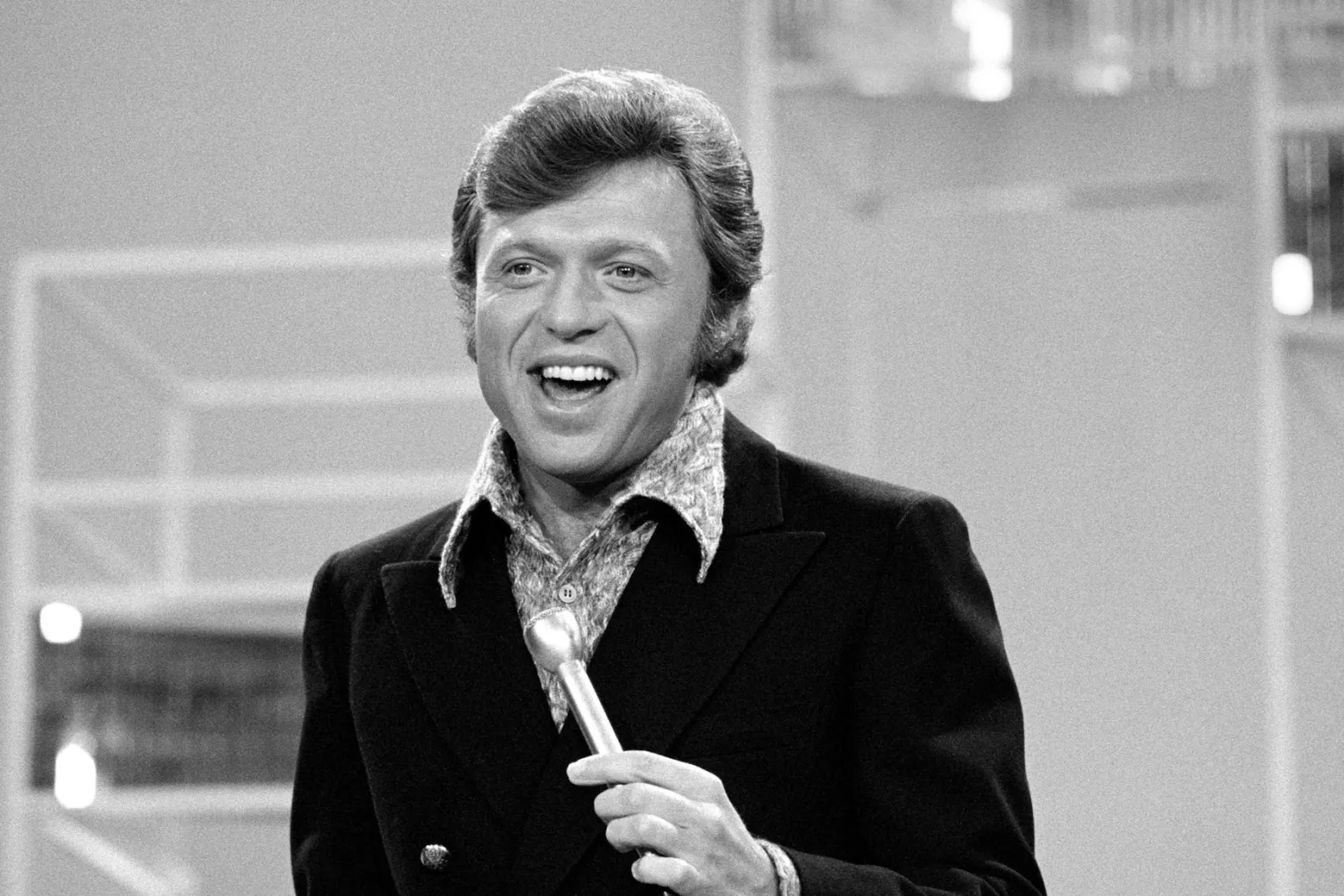
At the time of 2019, estimates regarding the net worth of legendary entertainer Steve Lawrence typically placed his valuation in the range of $10 million to $20 million. This figure reflected a lifetime of professional achievement alongside his wife and longtime performing partner, Eydie Gormé, spanning music, television, and Broadway across several decades of the 20th and 21st centuries.
Contextualizing Steve Lawrence’s Career and Financial Profile
To understand the financial status of Steve Lawrence in 2019, one must look at the specific nature of his career. Born Sidney Leibowitz in 1935, Lawrence became a titan of the American popular music scene. Unlike contemporary pop stars who may rely on a brief period of intense commercial output, Lawrence built his wealth through longevity and a consistent, high-demand presence in live performance, television variety shows, and nightclub residencies.
By 2019, Lawrence had largely transitioned into a period of retirement, following the passing of his wife and musical collaborator, Eydie Gormé, in 2013. The valuation of an artist from this era is rarely based on a single liquidated asset or a fluctuating stock portfolio; rather, it is characterized by diversified income streams accumulated over six decades. These streams included royalties from a prolific recording catalog, residuals from television appearances, and strategic investments in real estate and entertainment properties accumulated during the peak of his earning years in the 1960s, 1970s, and 1980s.
Analyzing Wealth Accumulation in the Entertainment Industry
The net worth of an entertainer of Lawrence’s stature is a reflection of three distinct financial eras.
- The Recording Era (1950s–1960s): During his prime, Lawrence achieved significant success on the Billboard charts with hits such as "Go Away Little Girl." In this era, musicians were frequently compensated through a combination of flat fees and long-term royalty agreements. These agreements, while sometimes less lucrative than modern streaming deals, provided a foundation of steady, passive income that sustained him well into the 2010s.
- The Television and Variety Era (1960s–1980s): Steve Lawrence and Eydie Gormé were staples of television. They hosted their own series and were constant fixtures on late-night talk shows, including The Tonight Show Starring Johnny Carson. Appearance fees, syndication residuals, and production credits during this high-inflation period were significant contributors to their household net worth.
- The Preservation Era (1990s–2019): In his later years, the focus shifted toward capital preservation. Financial management for high-net-worth individuals in the entertainment space typically involves conservative asset allocation. By 2019, Lawrence’s wealth was likely held in low-risk financial instruments, real estate holdings in entertainment hubs, and intellectual property rights associated with the "Steve and Eydie" brand.
Comparison of Financial Milestones
Determining an exact net worth for public figures is often an exercise in estimation, as private assets are not public record. However, when observing peers from the same generation and stature—such as cabaret and vocal pop performers of the mid-20th century—the $10 million to $20 million range is a statistically consistent estimate.
| Asset Class | Role in 2019 Portfolio | Liquidity Level |
|---|---|---|
| Intellectual Property | Royalties from song catalog | Moderate |
| Real Estate | Primary and secondary residential holdings | Low |
| Investment Portfolio | Managed stocks, bonds, and cash equivalents | High |
| Residuals | Performance fees and television licensing | Moderate |
The Influence of Eydie Gormé on Shared Wealth
It is impossible to analyze the wealth of Steve Lawrence without acknowledging the partnership of "Steve and Eydie." Their careers were inextricably linked for nearly 60 years. Much of their wealth was accumulated as a joint enterprise. When Gormé passed away in 2013, her estate and assets were integrated into the broader family financial structure.
In 2019, Lawrence was the custodian of a shared legacy that included the master recordings of their duets and the rights to their television specials. These assets continue to have value in terms of licensing and archival distribution. However, it is vital to distinguish between total household valuation and personal net worth; the figures often cited in public records reflect the collective success of both performers.
Factors Affecting Financial Estimates
When researchers or analysts attempt to pinpoint a net worth for a retired performer, several factors often lead to discrepancies. These include:
- Cost of Living and Philanthropy: High-profile entertainers often have significant overhead costs, including staff, professional management, and lifestyle maintenance. Furthermore, many figures in this demographic are involved in private charitable foundations, which effectively reduces the net worth available for public estimation.
- Estate Planning: By 2019, it is highly probable that a significant portion of assets had already been transitioned into trusts or family entities for succession planning. This legal separation can often make an individual's personal net worth appear lower than the total value of the family wealth they once managed.
- Asset Depreciation vs. Appreciation: While real estate investments in prime locations typically appreciate, physical assets such as collections of memorabilia or instruments can be difficult to value, as their market price is highly dependent on auction timing and provenance.
Frequently Asked Questions
What does "net worth" actually signify for a performer like Steve Lawrence? Net worth represents the total value of an individual's assets—including cash, real estate, investments, and intellectual property—minus any outstanding liabilities. For Lawrence, this is an estimation of his cumulative financial success, not his annual income in 2019.
Did Steve Lawrence continue to earn money in 2019? Yes, even in retirement, Lawrence received income from royalty payments on his music catalog and potential residuals from television and film appearances. Intellectual property often functions as an annuity, providing ongoing revenue long after the artist ceases active touring.
Why is there no exact figure for Steve Lawrence’s net worth? Unless an individual chooses to disclose their financial records, net worth is always an estimate. Financial publications use publicly available records of property ownership, known career earnings, and typical industry compensation models to derive these numbers. They are not audited financial statements.
How did the death of Eydie Gormé affect his net worth? Gormé's death consolidated the management of their shared professional assets under Lawrence. While it resulted in the loss of a partner, it meant that the intellectual property rights and any remaining joint assets became a singular focus for his estate planning.
Is the estimated net worth inclusive of his home and personal items? Typically, net worth estimates include real estate holdings but may exclude personal property like furniture, cars, or jewelry unless they are of exceptional, provable value. Residential property is the most commonly included asset in these public calculations.
Professional Financial Disclaimer
The figures discussed here regarding the net worth of Steve Lawrence in 2019 are based on market analysis and secondary reporting from historical records. Net worth is a volatile measurement, and any specific numbers cited in public media should be treated as estimates rather than verified accounting data. Readers should not use these estimates as a basis for investment or financial decision-making.
Moving Forward with Historical Financial Analysis
When evaluating the career and financial trajectory of an artist from the mid-century era, the lesson lies in the importance of diversification. Lawrence’s ability to move between television, stage, and the recording studio ensured he was not dependent on a single revenue source. For those analyzing the financial history of the 20th-century entertainment industry, Steve Lawrence stands as a primary example of how long-term professional partnerships and disciplined management of intellectual property can sustain an artist’s wealth long after their active commercial peak.
If you are researching wealth in the entertainment sector, prioritize looking at the licensing of master recordings and the management of publishing rights. These are the most common drivers of long-term sustainability for artists, often far exceeding the value of initial performance contracts or salaries.