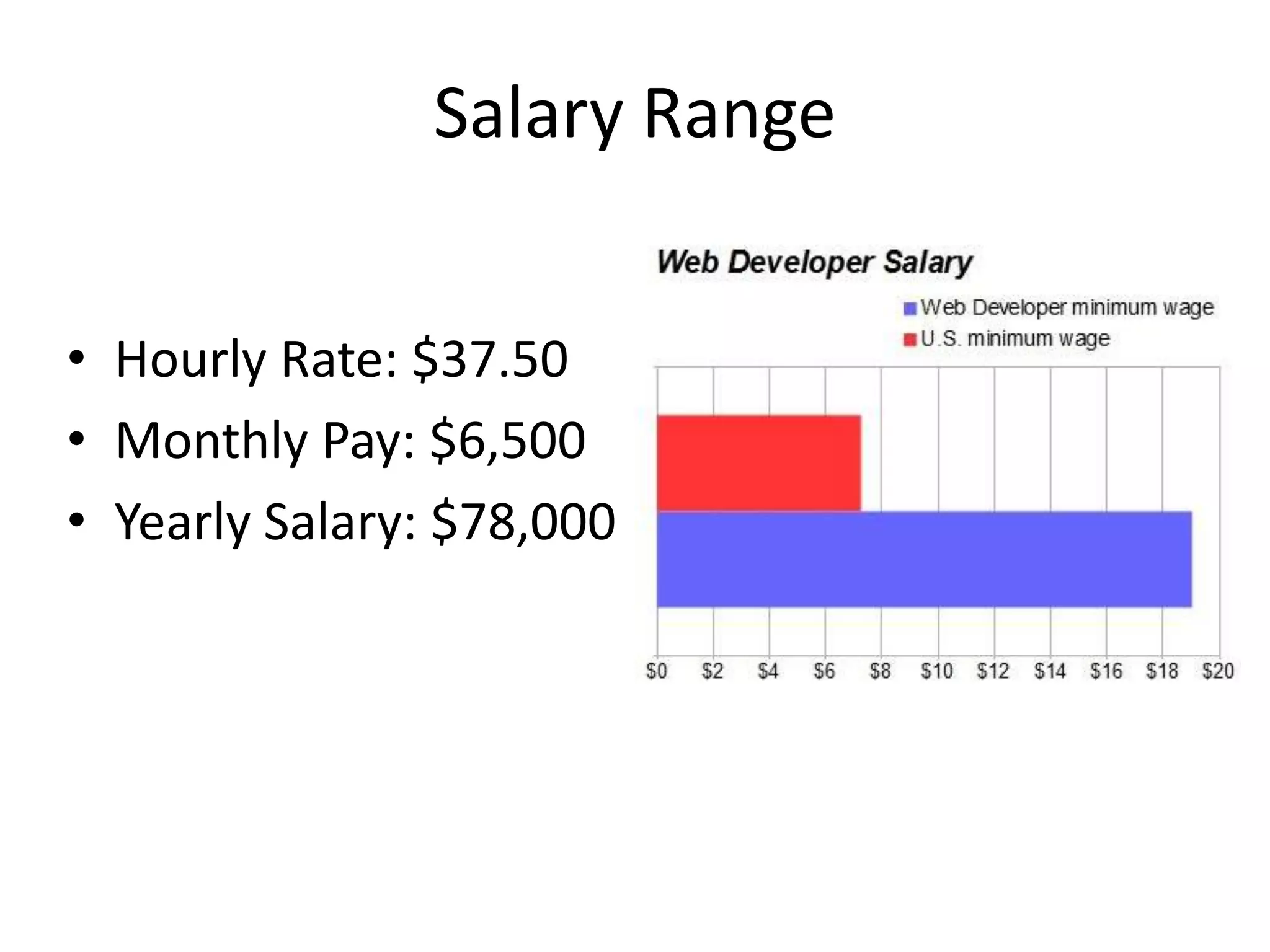
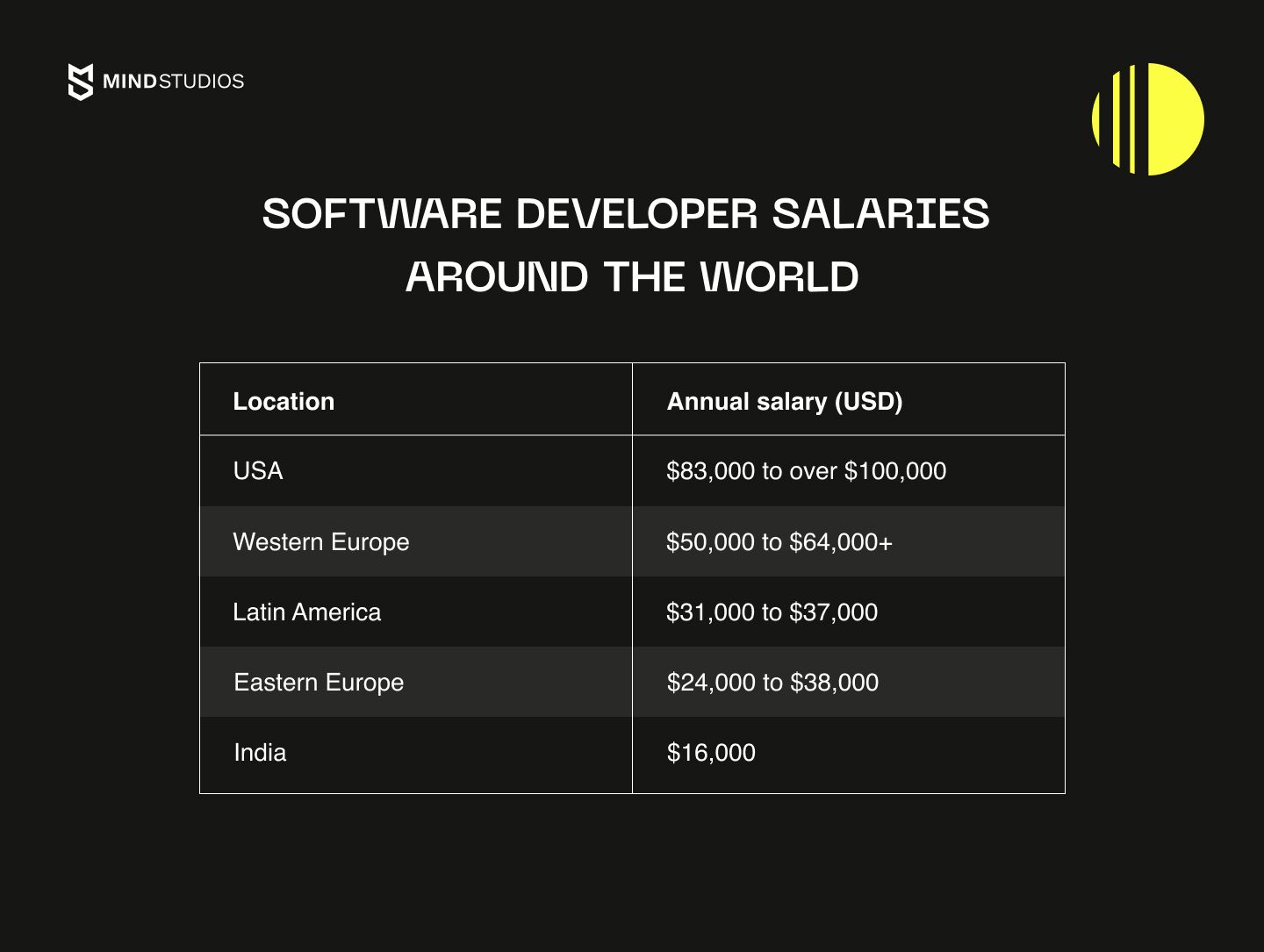
In 2019, the average software developer salary in the United States typically ranged from $85,000 to $120,000 annually, depending on specialization, geographic location, and years of experience. This period marked a peak in demand for cloud infrastructure, mobile development, and data science expertise, creating a highly competitive compensation environment that set a benchmark for future industry standards.
The Macroeconomic Environment of 2019
To understand the 2019 software developer salary data, one must examine the state of the technology sector during that year. 2019 was characterized by massive corporate investment in digital transformation. Companies across every vertical—from finance and healthcare to retail and manufacturing—were scrambling to migrate legacy systems to the cloud, specifically utilizing AWS, Microsoft Azure, and Google Cloud Platform.
This digital pivot created a significant supply-demand gap. While the output of computer science graduates and boot camp participants was increasing, the specialized nature of the roles required—such as Site Reliability Engineering (SRE), Full-Stack Development, and DevOps—meant that the talent market remained a "candidate’s market." Compensation packages in 2019 often included not just base salary, but competitive signing bonuses, stock options, and comprehensive health and wellness benefits.
Core Factors Influencing Compensation
Compensation for software developers in 2019 was rarely uniform. It was dictated by a specific matrix of variables that allowed employers to justify salary discrepancies.
Geographic Disparities
The most immediate factor influencing a developer’s take-home pay in 2019 was geography. Tech hubs like San Francisco, Seattle, and New York City operated under a different pay scale compared to the rest of the United States. In the San Francisco Bay Area, a Senior Software Engineer could easily command a base salary exceeding $160,000, whereas a similarly qualified professional in a secondary market like Phoenix or Atlanta might have seen base figures closer to $100,000 to $110,000. These regional differences were primarily driven by the cost of living and the fierce competition for talent among the "Big Tech" firms (FAANG companies) located in those high-cost zones.
Specialization and Skill Stacks
The specific languages and frameworks a developer mastered directly correlated with their market value. In 2019, professionals with expertise in high-demand, high-complexity areas saw the highest salary growth. For instance, developers proficient in Python (driven by the growth of AI and data science) or Go (Golang, utilized heavily in microservices and cloud-native applications) often saw higher compensation than those working exclusively in older, more mature enterprise stacks.
Experience Levels
The difference between entry-level and senior roles in 2019 remained stark. Junior developers, often defined as those with 0 to 2 years of experience, faced a broad spectrum of starting salaries. According to industry surveys from the time, such as those conducted by Stack Overflow and Hired, the floor for entry-level developers hovered around $70,000, while experienced, mid-level developers (3–6 years) found themselves in the $95,000–$125,000 range. Senior roles, especially those involving architecture or team leadership, pushed into the $140,000+ range, often bolstered by equity grants.
Comparative Salary Benchmarks (2019 Data Estimates)
The following table provides a generalized view of the annual base salary ranges observed in 2019 across various roles and experience tiers in the United States.
| Role Type | Entry-Level (0-2 Yrs) | Mid-Level (3-6 Yrs) | Senior (7+ Yrs) |
|---|---|---|---|
| Web Developer | $65,000 – $85,000 | $85,000 – $110,000 | $110,000 – $140,000 |
| DevOps Engineer | $80,000 – $100,000 | $105,000 – $135,000 | $135,000 – $170,000 |
| Data Scientist | $85,000 – $105,000 | $110,000 – $140,000 | $145,000 – $190,000 |
| Backend Engineer | $75,000 – $95,000 | $100,000 – $130,000 | $125,000 – $160,000 |
| Mobile Developer | $70,000 – $90,000 | $90,000 – $120,000 | $115,000 – $150,000 |
Note: These figures represent base salary ranges and do not account for equity, bonuses, or benefits, which could add 10% to 30% to total compensation.
The Role of Equity and Bonuses
Total compensation for software developers in 2019 often extended well beyond the base paycheck. At the senior and staff levels, "Total Compensation" (TC) became the primary metric for evaluating job offers. This included Restricted Stock Units (RSUs) or stock options, which were particularly prevalent in Silicon Valley. For many developers working at public companies, stock grants effectively acted as a "second salary," often ranging from $20,000 to $100,000 annually at major firms.
Furthermore, signing bonuses were an aggressive tool for talent acquisition in 2019. It was not uncommon for a mid-to-senior level developer to receive a one-time signing bonus between $5,000 and $25,000, intended to bridge the gap between salary offers or to provide a "buyout" of unvested equity from a previous employer.
Impact of Company Size and Industry
Where a developer worked mattered as much as what they did. Working for a "Big Tech" organization in 2019 provided a baseline of high salary and equity. However, specialized industries, particularly FinTech and quantitative trading firms, often paid significantly higher base salaries than mainstream consumer technology companies. These firms prioritized low-latency performance and security, seeking developers with deep knowledge of C++, low-level system design, and algorithms. Consequently, these positions often commanded a premium of 20% to 40% over standard web development roles.
Conversely, the non-tech sector—such as traditional retail, manufacturing, or government roles—tended to offer lower base salaries compared to the tech industry. These roles often traded aggressive salary growth for stability, better work-life balance, and traditional benefit structures, such as pension plans or more generous paid time off.
Common Misconceptions Regarding 2019 Compensation
A frequent point of confusion when looking back at 2019 salary data is the conflation of "average salary" with "median salary." Average salary figures are often skewed upwards by the outlier salaries paid by the largest tech companies in high-cost cities. For a developer working in a small-to-mid-sized firm in the Midwest, the $120,000+ figures often cited in national reports may have seemed unattainable.
Additionally, many reports from 2019 did not adequately distinguish between "Software Engineer" (which generally implies a computer science degree and a focus on algorithms/systems) and "Web Developer" or "IT Developer." These roles often have different market values, and grouping them together can result in an inaccurate representation of what a specific type of developer could expect to earn.
Frequently Asked Questions
1. What was the typical starting salary for a junior developer in 2019? In 2019, the typical starting salary for a junior developer in the United States ranged from $70,000 to $90,000. Factors such as the developer's academic pedigree, the size of the company, and the geographic location played a major role in whether a candidate fell at the lower or higher end of this spectrum.
2. Did a computer science degree impact salary in 2019? Yes. In 2019, employers placed a premium on formal education. Candidates with a Bachelor’s or Master’s degree in Computer Science often started at a higher salary tier than those coming from self-taught backgrounds or coding boot camps, especially in roles requiring deep knowledge of algorithms, data structures, and computer architecture.
3. Were remote work salaries different in 2019? Remote work was less common in 2019 than in later years. When it did occur, employers often adjusted salaries based on the employee's location. A developer living in a low-cost-of-living area working for a San Francisco company might have received a salary that was lower than their on-site counterparts but still higher than local market averages.
4. How much did programming languages affect salary in 2019? Specific languages acted as a multiplier. Technologies associated with high-growth sectors, such as Python (for Data Science/AI) and Scala or Go (for distributed systems), generally commanded higher salaries. Older languages like Java and C# remained stable and highly paid due to their entrenchment in enterprise environments, while front-end specific roles focused on JavaScript frameworks like React saw consistent demand.
5. What is the best way to verify 2019 salary data for specific roles? The most reliable way to verify historical data is to consult archival reports from major industry surveys conducted in 2019, such as the Stack Overflow Developer Survey 2019 or the Hired State of Software Engineers report. These provide granular, crowd-sourced data that accounts for specific job titles and regions.
Next Actions for Historical Research
If you are analyzing 2019 salary data for research, professional benchmarking, or historical comparisons, the most actionable step is to avoid relying on a single, aggregate "average." Instead, filter your findings by the specific job function (e.g., Backend vs. Frontend) and the specific metropolitan area. Using the Stack Overflow 2019 Survey, which represents a massive sample size, provides the most robust baseline for cross-referencing salary claims against your specific area of interest. Always ensure that any comparison you draw acknowledges the economic distinction between base salary and total compensation packages.