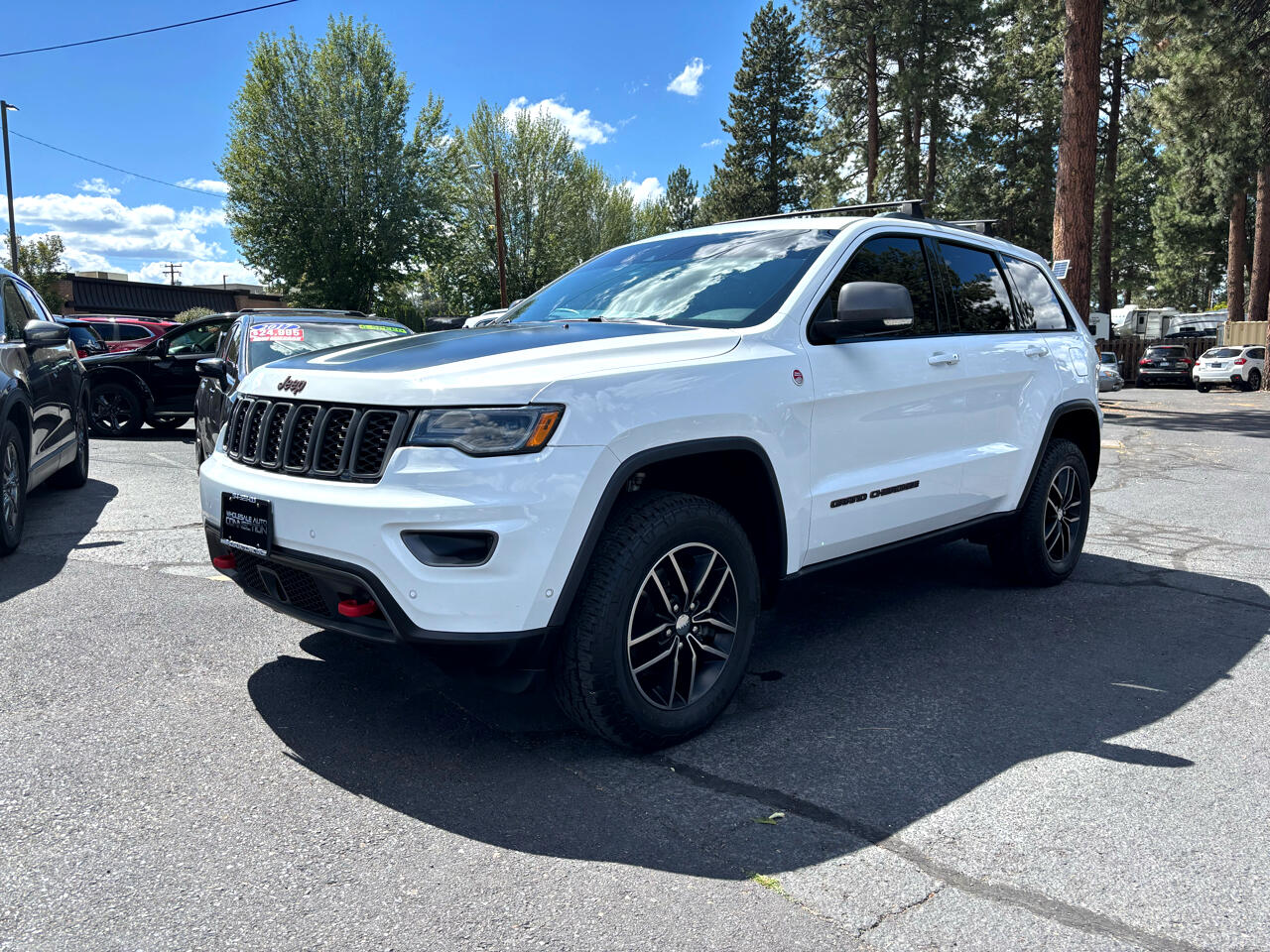
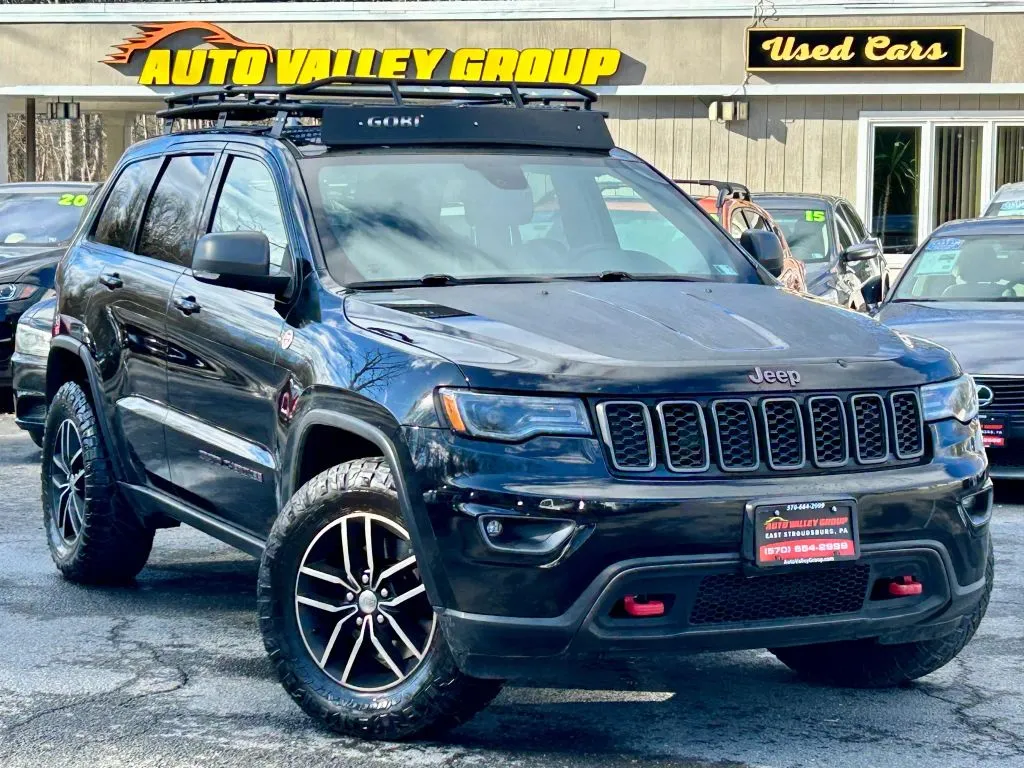
The 2018 Jeep Grand Cherokee Trailhawk is generally considered a moderately reliable midsize SUV, balancing robust off-road capability with modern creature comforts, though its long-term dependability heavily depends on the chosen engine option and prior maintenance history. While the vehicle excels on rugged trails via its Quadra-Drive II four-wheel-drive system and specialized air suspension, owners frequently report electronic gremlins, infotainment glitches, and occasional powertrain issues as it ages.
Evaluating the reliability of a pre-owned or long-term vehicle requires looking past standard cosmetic appeal and focusing on mechanical architecture, common failure points, maintenance requirements, and historical data. For the 2018 model year of the Jeep Grand Cherokee Trailhawk, buyers and current owners face a complex mix of mechanical durability and electronic complexity. This overview examines the core platforms, frequent trouble spots, preventative maintenance schedules, and overall ownership economics to establish a clear picture of what to expect from this rugged American SUV.
Identity, Scope, and Engine Variations
The 2018 Jeep Grand Cherokee Trailhawk sits squarely at the intersection of everyday family transportation and serious off-road machinery. Distinct from lesser trims like the Laredo or Limited, the Trailhawk package adds the Quadra-Lift air suspension system, electronic rear limited-slip differential, skid plates, red tow hooks, and 18-inch wheels wrapped in Goodyear Adventure all-terrain Kevlar-reinforced tires.
When analyzing the reliability of this specific model year, it is vital to segment the vehicle by its powertrain options. The 2018 Trailhawk was offered with three distinct engines, each carrying a different reliability profile:
- 3.6L Pentastar V6: The baseline engine for the Trailhawk. It is generally regarded as the most reliable and easiest to maintain option in the lineup, though it features a complex oil filter adapter/cooler housing prone to coolant and oil leaks as the plastic components degrade over time.
- 5.7L HEMI V8: A popular choice for those seeking extra towing capacity and passing power. While robust in its mechanical block, the HEMI is infamous for the "HEMI tick," which often stems from lifter failure, exhaust manifold bolt breakage, and camshaft wear if oil changes are neglected.
- 3.0L EcoDiesel V6: The least common engine in the Trailhawk lineup. While it offers impressive low-end torque and fuel economy, early iterations of this Italian-built VM Motori diesel engine face significant scrutiny regarding emissions equipment, including the Exhaust Gas Recirculation (EGR) cooler, Diesel Particulate Filter (DPF), and high-pressure fuel pumps.
Common Mechanical and Suspension Issues
The Trailhawk's off-road hardware is a double-edged sword. On one hand, the Quadra-Lift air suspension provides up to 10.8 inches of ground clearance, allowing the vehicle to clear obstacles that would stop standard SUVs. On the other hand, air suspension systems are complex mechanical and pneumatic assemblies that require attentive maintenance.
Quadra-Lift Air Suspension Failures
As these vehicles age, the air struts, compressor, and valve blocks can develop leaks. Symptoms of a failing air suspension include the vehicle sagging overnight in one corner or the dash displaying a "Service Air Suspension System" warning. Replacing air struts or the compressor assembly can become quite costly, making pre-purchase inspections of the pneumatic lines and components critical.
Drivetrain and Differential Complications
The Trailhawk utilizes the Quadra-Drive II 4WD system, which features an Electronic Limited-Slip Differential (ELSD) in the rear. While highly capable in mud, sand, and snow, the ELSD actuator motor can fail or suffer from water intrusion if deep-water crossings are performed frequently without proper fluid changes. Transfer case motor failures and front axle CV joint wear are also documented issues among high-mileage examples.
Electrical, Infotainment, and Interior Reliability
While mechanical durability is paramount, modern vehicles like the 2018 Grand Cherokee rely heavily on computerized modules and wiring harnesses. The Uconnect infotainment system—typically featuring an 8.4-inch touchscreen—is a frequent source of owner frustration.
Common electrical grievances for the 2018 model year include:
- Uconnect Delays and Freezing: Screens can become unresponsive, fail to connect to Apple CarPlay or Android Auto, or require a hard reboot via fuse pulling.
- Blind Spot Monitoring (BSM) Sensors: The radar sensors located in the rear bumper corners are susceptible to moisture ingress, triggering persistent dashboard warnings.
- Battery and Charging System: The Stop-Start dual-battery system used in many 2018 models can cause erratic electrical behavior if the auxiliary battery degrades, leading to false warning lights and starting issues.
Comprehensive Reliability Comparison by Engine
To assist prospective buyers and current owners in assessing risk, the following table breaks down the primary engine variants of the 2018 Jeep Grand Cherokee Trailhawk, outlining their general reliability consensus, primary failure points, and recommended maintenance intervals.
| Engine Option | General Reliability Rating | Primary Known Issues | Recommended Oil Change Interval |
|---|---|---|---|
| 3.6L Pentastar V6 | Above Average | Oil filter housing leaks, rocker arm/lifter wear on high-mileage units | 5,000 to 7,500 miles |
| 5.7L HEMI V8 | Moderate | Exhaust manifold bolt breakage, lifter tick, water pump failure | 5,000 miles |
| 3.0L EcoDiesel V6 | Below Average (High Maintenance) | Emissions system (EGR/DPF) clogs, high-pressure fuel pump sensitivity | 7,500 miles (Strict adherence required) |
Maintenance Costs and Long-Term Ownership Economics
Owning a used 2018 Jeep Grand Cherokee Trailhawk requires budgeting for higher-than-average maintenance costs compared to standard compact or midsize crossovers. Because the Trailhawk is a specialized trim with heavy-duty components, replacement parts are often more expensive.
Brake pad and rotor replacement intervals may be accelerated due to the vehicle's substantial curb weight (often exceeding 5,000 pounds depending on the engine). Furthermore, fluid changes for the front differential, rear Electronic Limited-Slip Differential, transfer case, and transmission should be performed more frequently than standard highway-driven vehicles if the Trailhawk is used for towing or off-roading. Neglecting fluid services in the drivetrain components can lead to premature gear wear and catastrophic failure.
Troubleshooting Common Trailhawk Warning Lights
When encountering dashboard warnings on a 2018 Trailhawk, proper diagnosis prevents unnecessary parts replacement.
- "Service Shifter" Warning: Often linked to a software calibration issue or a failing shifter module harness, this warning requires a diagnostic scan tool to read specific Diagnostic Trouble Codes (DTCs) rather than immediately replacing the entire shifter assembly.
- "Service 4WD System": This can indicate anything from a low fluid level in the transfer case to a failing electronic actuator motor on the rear differential. Checking for stored codes via an OBD-II scanner capable of reading chassis modules is the necessary first step.
- Air Suspension Temporary Inhibit: If the vehicle refuses to lift or lower, verify that the doors are fully closed and check the compressor fuse. Cold weather can also cause moisture in the air lines to freeze, temporarily locking the system until it thaws in a garage.
Practical Recommendations for Buyers and Owners
For those currently looking to purchase a used 2018 Jeep Grand Cherokee Trailhawk, conducting a thorough pre-purchase inspection (PPI) by a technician familiar with Chrysler/Jeep platforms is non-negotiable. Always request a detailed service history to verify whether critical fluids have been changed and whether factory recalls—such as steering gear bolts or crankshaft tone ring issues—have been addressed.
Current owners should prioritize proactive fluid changes, timely spark plug replacements, and prompt attention to minor coolant or oil weeping before they evolve into major engine failures. Utilizing high-quality synthetic oils and OEM filters can significantly extend the lifespan of both the Pentastar V6 and HEMI V8 powerplants.