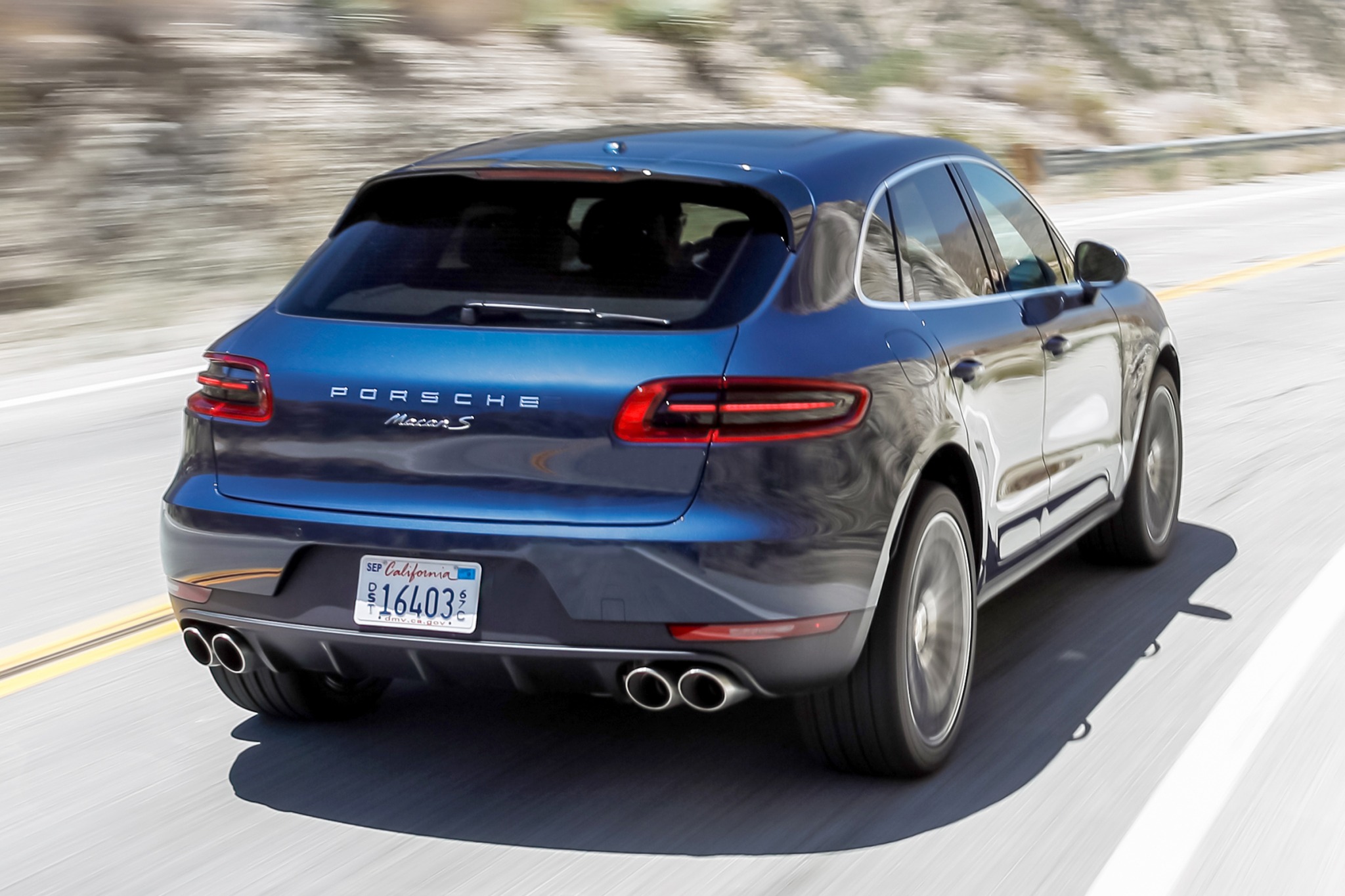
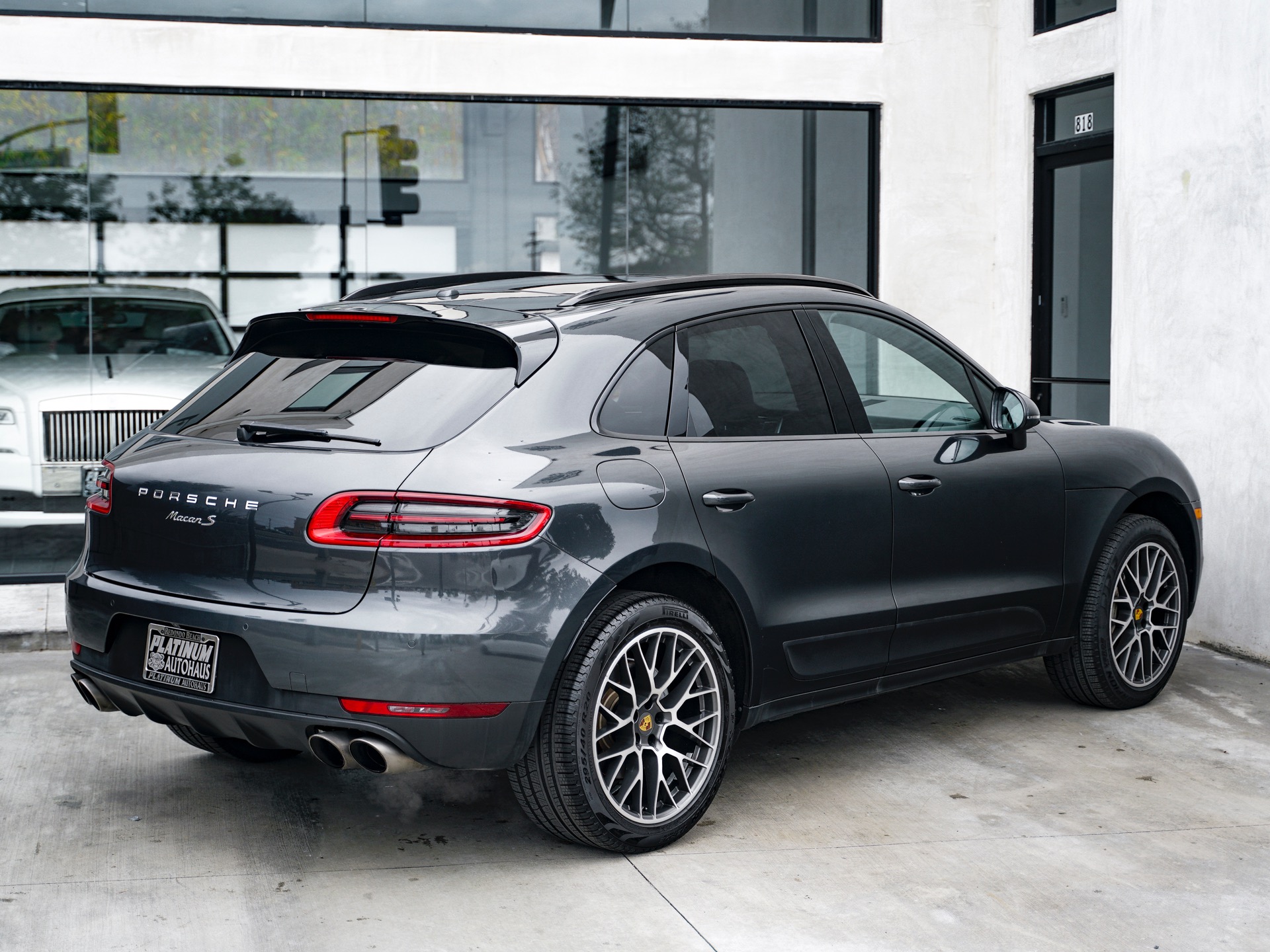
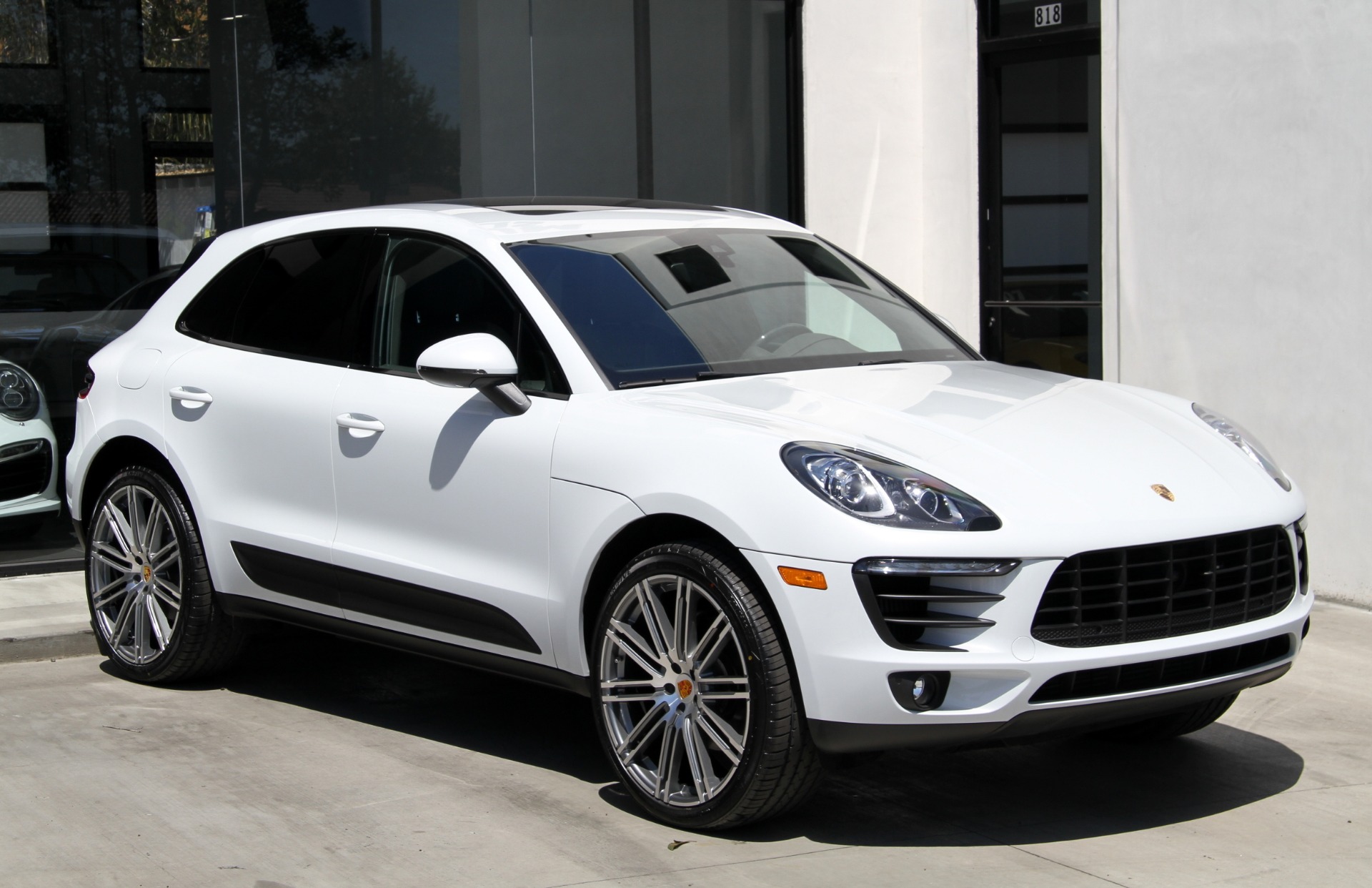
The 2017 Porsche Macan S is a high-performance luxury compact SUV that marries sports-car handling with everyday utility. Powered by a 3.0-liter twin-turbocharged V6 engine producing 340 horsepower and 339 lb-ft of torque, it features standard all-wheel drive and a lightning-fast 7-speed PDK dual-clutch transmission, delivering a 0-60 mph time of approximately 5.0 seconds with the optional Sport Chrono Package.
Introduction and Identity of the 2017 Porsche Macan S
The 2017 model year marked an important evolutionary phase for Porsche’s compact luxury crossover lineup. Positioned strategically between the entry-level four-cylinder Macan and the track-focused Macan Turbo, the Macan S is widely regarded by automotive journalists and enthusiasts as the sweet spot in the range. It captures the mechanical soul and dynamic posture of Porsche's storied sports cars while offering the elevated driving position and cargo versatility required of a daily driver.
Evaluating a pre-owned 2017 Porsche Macan S requires looking beyond its badge. It demands a thorough examination of its mechanical architecture, interior ergonomics, driving dynamics, maintenance requirements, and long-term reliability. As luxury compact SUVs flood the secondary market, understanding what sets the Macan S apart helps prospective buyers determine if this German performance crossover aligns with their driving preferences and financial expectations.
Engine Performance and Powertrain Dynamics
At the heart of the 2017 Porsche Macan S sits a longitudinally mounted 3.0-liter V6 engine equipped with twin turbochargers nestled neatly within the cylinder V. This power plant churns out 340 horsepower between 5,500 and 6,500 rpm, alongside a robust 339 lb-ft of torque available from a low 1,450 rpm all the way up to 5,000 rpm. This broad, flat torque curve ensures that power delivery is immediate, eliminating turbo lag and providing effortless passing acceleration at highway speeds.
Mated exclusively to this engine is Porsche's legendary seven-speed Doppelkupplung (PDK) dual-clutch automatic transmission. The PDK remains a benchmark in the automotive industry, executing lightning-fast gear changes whether operated in fully automatic mode or via the steering-wheel-mounted paddle shifters. Power is sent to all four wheels through an active all-wheel-drive system featuring an electronically controlled, map-controlled multi-plate clutch. This system continuously modulates power distribution between the front and rear axles, prioritizing rear-wheel drive dynamics under normal conditions while instantly transferring torque forward when slippage is detected.
Handling, Suspension, and Ride Quality
Where the Macan S truly separates itself from competitors like the Audi Q5, BMW X3, and Mercedes-Benz GLC is in its chassis dynamics. Porsche engineers tuned the Macan to behave less like a utility vehicle and more like a sport hatchback. Even with its standard steel-spring suspension, the vehicle exhibits minimal body roll through tight corners, sharp turn-in response, and exceptional high-speed stability.
Buyers exploring the secondary market will encounter models equipped with optional performance upgrades, most notably:
- Porsche Active Suspension Management (PASM): An electronic damping control system that offers three distinct modes—Comfort, Sport, and Sport Plus—allowing drivers to adjust damper stiffness on the fly.
- Air Suspension System: Replaces the steel springs with air struts, offering adjustable ride height for loading, off-road clearance, or lowered dynamic driving, while maximizing ride comfort over broken pavement.
- Porsche Torque Vectoring Plus (PTV Plus): Works in conjunction with an electronically controlled rear differential lock to optimize turning precision and stability by braking the inner rear wheel during aggressive cornering.
| Feature / Specification | 2017 Porsche Macan S | Standard Alternatives in Class |
|---|---|---|
| Engine Type | 3.0L Twin-Turbocharged V6 | 2.0L Turbocharged Inline-4 |
| Horsepower | 340 hp @ 5,500–6,500 rpm | 240–250 hp |
| Torque | 339 lb-ft @ 1,450–5,000 rpm | 258–273 lb-ft |
| Transmission | 7-Speed PDK Dual-Clutch | 8-Speed Torque-Converter Auto |
| 0–60 mph (Sec, w/ Sport Chrono) | 5.0 seconds | 6.0–6.5 seconds |
| Drivetrain | Active All-Wheel Drive (AWD) | Rear-Wheel or All-Wheel Drive |
Interior Design, Comfort, and Technology
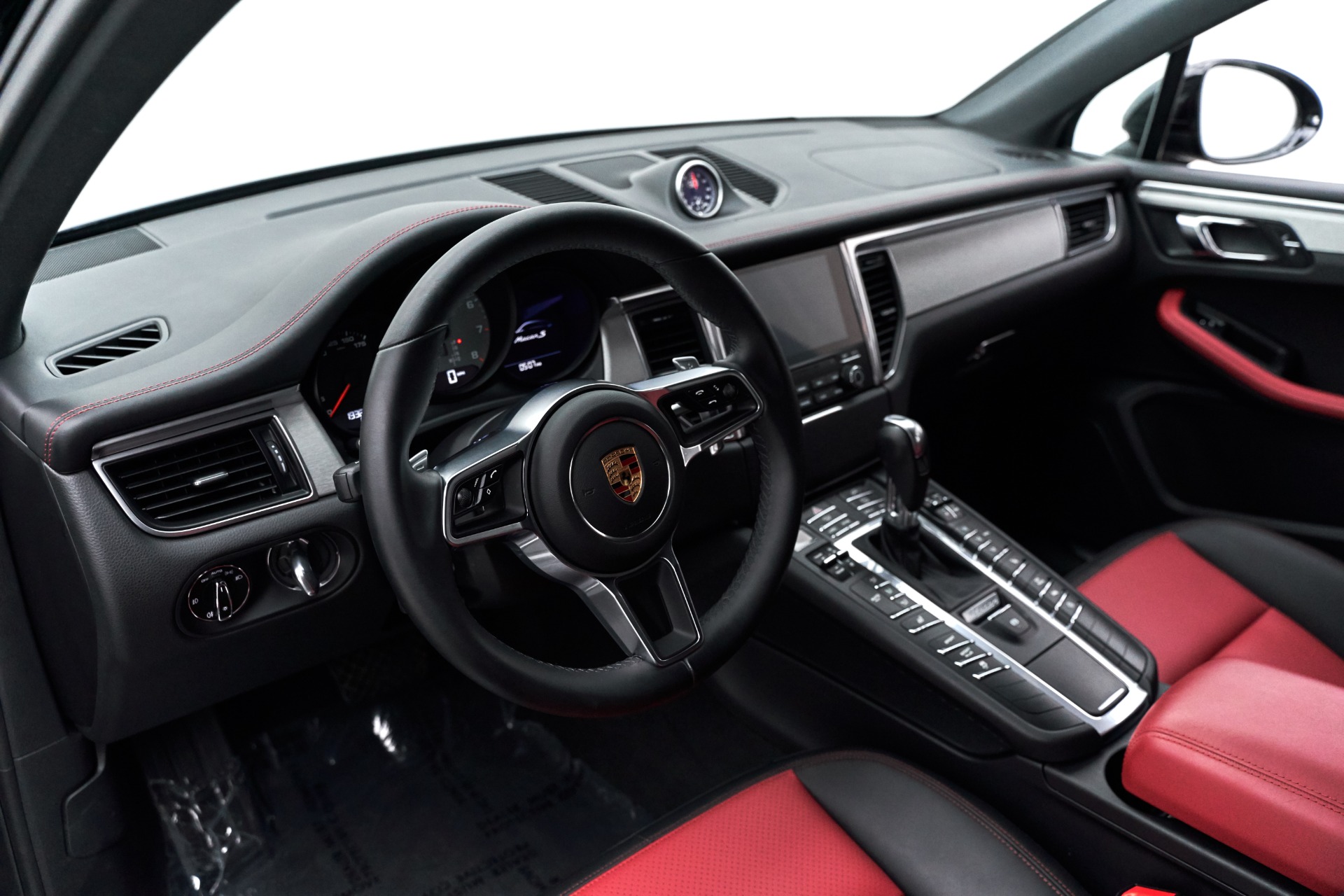
Stepping inside the 2017 Macan S reveals a cockpit heavily inspired by the Porsche 911 and Panamera. The center console rises steeply to meet the dashboard, featuring an array of physical buttons that control climate, suspension, and driving modes. This layout provides a tactile, aviation-inspired feel that contrasts sharply with the purely touchscreen-dependent interfaces found in many modern luxury vehicles.
Material quality is exemplary, with soft-touch leather, brushed aluminum trim, and sturdy switchgear. Front-seat occupants enjoy 8-way power-adjustable seats that offer exceptional lateral support during spirited driving. However, the rear seats reveal the Macan's primary practical compromise: while headroom is adequate, legroom is tighter than class averages suggest, making the rear cabin somewhat cramped for taller adults on long journeys. Cargo capacity stands at 17.7 cubic feet behind the rear seats, expanding to 53.0 cubic feet with the 40/20/40 split rear seatbacks folded flat.
In terms of technology, the 2017 model year brought the integration of the Porsche Communication Management (PCM) system featuring a 7-inch touchscreen, navigation, Apple CarPlay compatibility (Android Auto was not offered by Porsche during this era), and Bluetooth connectivity. While functional, the infotainment system can feel dated compared to contemporary standards.
Fuel Economy and Operational Costs
Operating a performance luxury crossover involves financial considerations that extend beyond the initial purchase price. The EPA estimated fuel economy for the 2017 Porsche Macan S sits at 17 mpg in the city, 23 mpg on the highway, and 19 mpg combined. Real-world fuel economy heavily depends on driving style; heavy utilization of the turbochargers and Sport Plus mode will quickly push consumption into the low teens.
Maintenance and repair costs also reflect the vehicle's premium German engineering pedigree. Routine service items—such as oil changes using approved synthetic lubricants, brake pad and rotor replacements, and transmission fluid changes—carry higher price tags than mainstream vehicles. Furthermore, the complexity of the twin-turbo V6 engine and electronic suspension components means that out-of-warranty mechanical repairs should be budgeted for by prospective used-car buyers.
Common Issues and Pre-Purchase Inspection Points
When evaluating a used 2017 Porsche Macan S, conducting a rigorous pre-purchase inspection (PPI) by an independent Porsche specialist is essential. While the drivetrain is generally robust when maintained properly, several known issues warrant careful inspection:
- Timing Cover Oil Leaks: A known issue on the 3.0L and 3.6L V6 engines where the sealant on the timing chain cover degrades, leading to an oil leak that requires labor-intensive engine-out resealing.
- Transfer Case Failure: Early Macan models experienced issues with the all-wheel-drive transfer case, prompting Porsche to extend the warranty on this specific component to 7 years/unlimited miles. Buyers should verify whether the transfer case has been replaced under this program.
- PDK Transmission Mechatronic Unit: Though the PDK is exceptionally durable, erratic shifting or delayed engagement can indicate a failing mechatronic control unit, which is expensive to replace.
- Air Suspension Leaks: Vehicles equipped with the optional air suspension should be inspected for sagging corners after sitting parked for extended periods, indicating failing air struts or compressor issues.
Comparison: Macan S vs. Macan GTS and Turbo
Buyers navigating the used market often weigh the Macan S against its stablemates: the Macan GTS and the Macan Turbo.
The Macan GTS, introduced shortly after, uses a tuned version of the same 3.0-liter twin-turbo V6, outputting 360 horsepower. It sits lower, rides firmer, and includes standard sport exhaust and cosmetic black trim. It appeals to drivers prioritizing an aggressive factory setup.
The Macan Turbo steps up to a larger 3.6-liter twin-turbo V6 producing 400 horsepower, pushing the 0-60 mph sprint down to 4.4 seconds. While blistering fast, the Turbo commands a significant price premium on the used market and incurs higher fuel and maintenance costs.
The Macan S strikes the optimal balance for most drivers. It delivers 90% of the driving dynamics and acceleration thrill of the higher trims while remaining more accessible to purchase and maintain.
Frequently Asked Questions
Is the 2017 Porsche Macan S reliable?
The 2017 Porsche Macan S has average reliability for a high-performance German luxury vehicle. While its engine and PDK transmission are durable when serviced on schedule, potential buyers must watch out for known issues like timing cover oil leaks and transfer case wear. Purchasing a model with a documented service history and completing a pre-purchase inspection greatly mitigates ownership risk.
Does the 2017 Porsche Macan S have Apple CarPlay?
Yes, the 2017 Porsche Macan S supports Apple CarPlay through its Porsche Communication Management (PCM) infotainment system, though it typically requires a wired USB connection. Android Auto was not supported by Porsche for the 2017 model year.
What is the difference between the Macan S and the base Macan?
The primary difference lies under the hood. The base Macan utilizes a 2.0-liter turbocharged inline-4 engine producing 252 horsepower, whereas the Macan S features a 3.0-liter twin-turbocharged V6 generating 340 horsepower. The Macan S also includes larger brakes, dual twin-tailpipes, and additional standard luxury appointments.
How often does the 2017 Porsche Macan S require oil changes?
Porsche recommends changing the engine oil and filter every 10,000 miles or once a year, whichever comes first. However, many independent specialists and enthusiasts recommend shortening this interval to every 5,000 to 7,500 miles, particularly for vehicles driven aggressively or in heavy stop-and-go city traffic.
Can the 2017 Porsche Macan S be used for towing?
Yes, when properly equipped with an optional factory tow hitch, the 2017 Porsche Macan S has a maximum towing capacity of up to 4,409 pounds (2,000 kg), making it capable of hauling small trailers, watercraft, or lightweight track cars.
Final Recommendation
The 2017 Porsche Macan S remains a compelling choice for drivers seeking sports-car agility packaged within a practical luxury SUV. Its twin-turbo V6, exceptional handling, and timeless interior design ensure it continues to punch above its weight class in the pre-owned market. Prospective buyers should prioritize well-documented service records, verify the status of the transfer case, and set aside a dedicated maintenance budget to ensure a rewarding ownership experience.