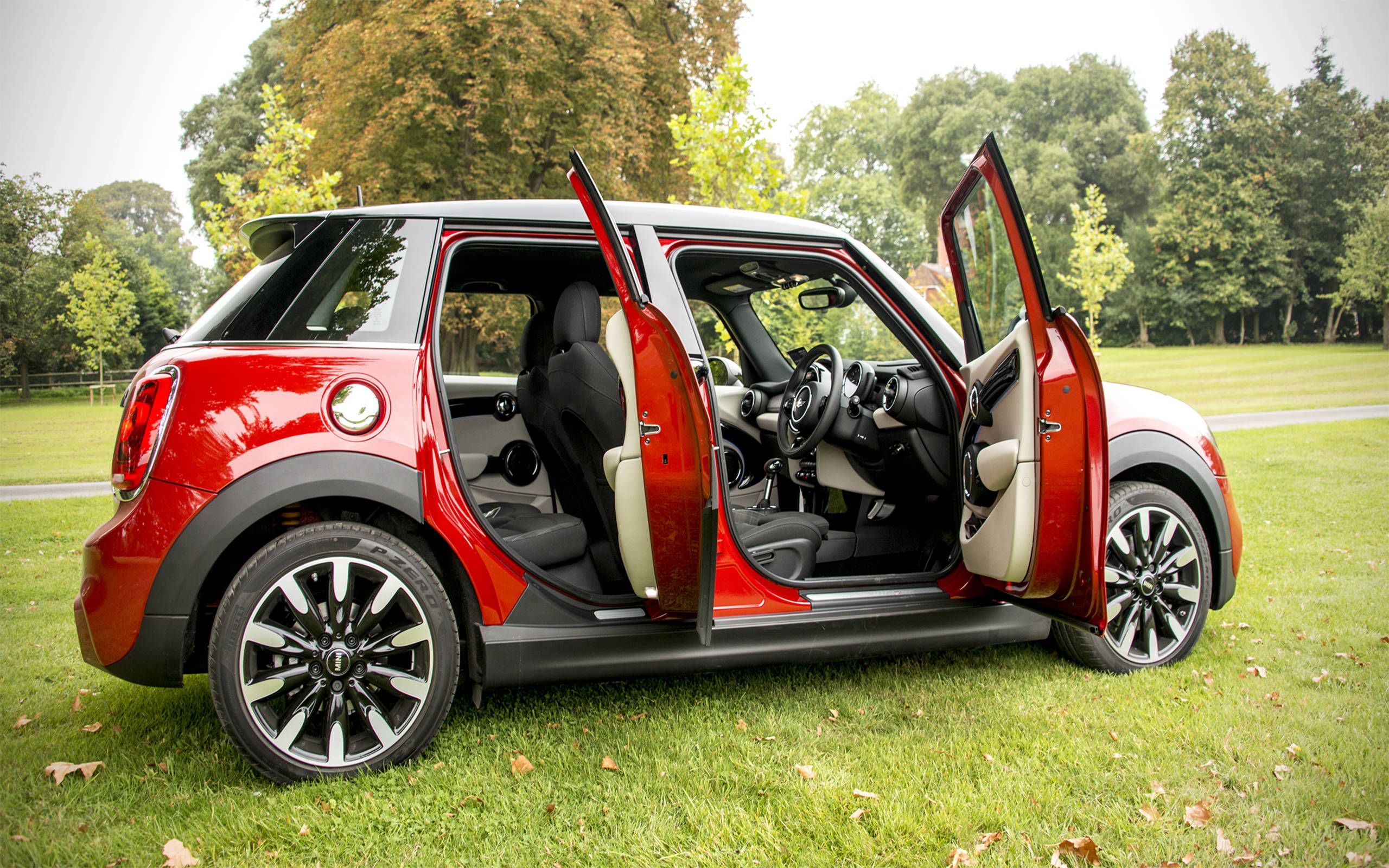
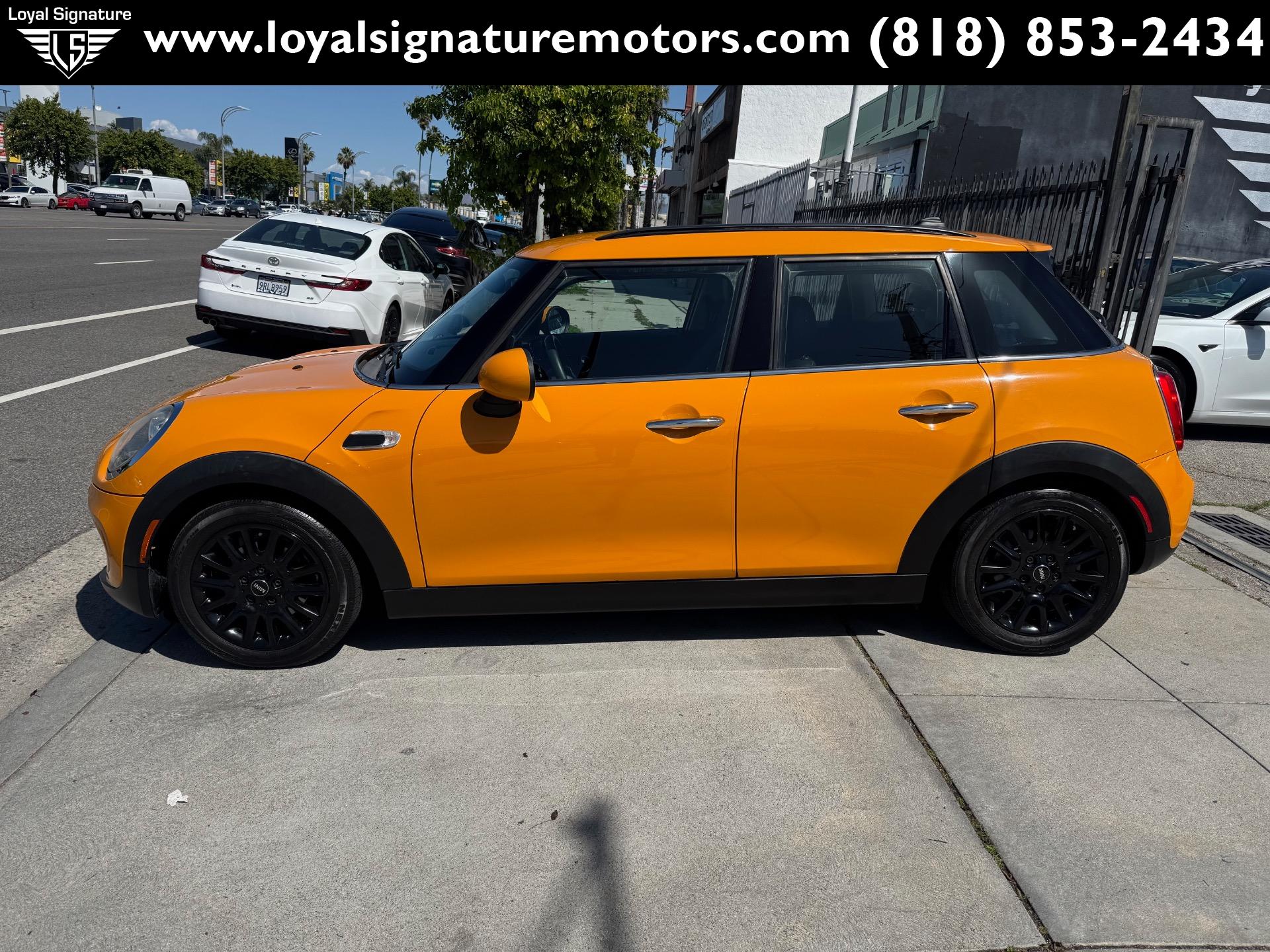
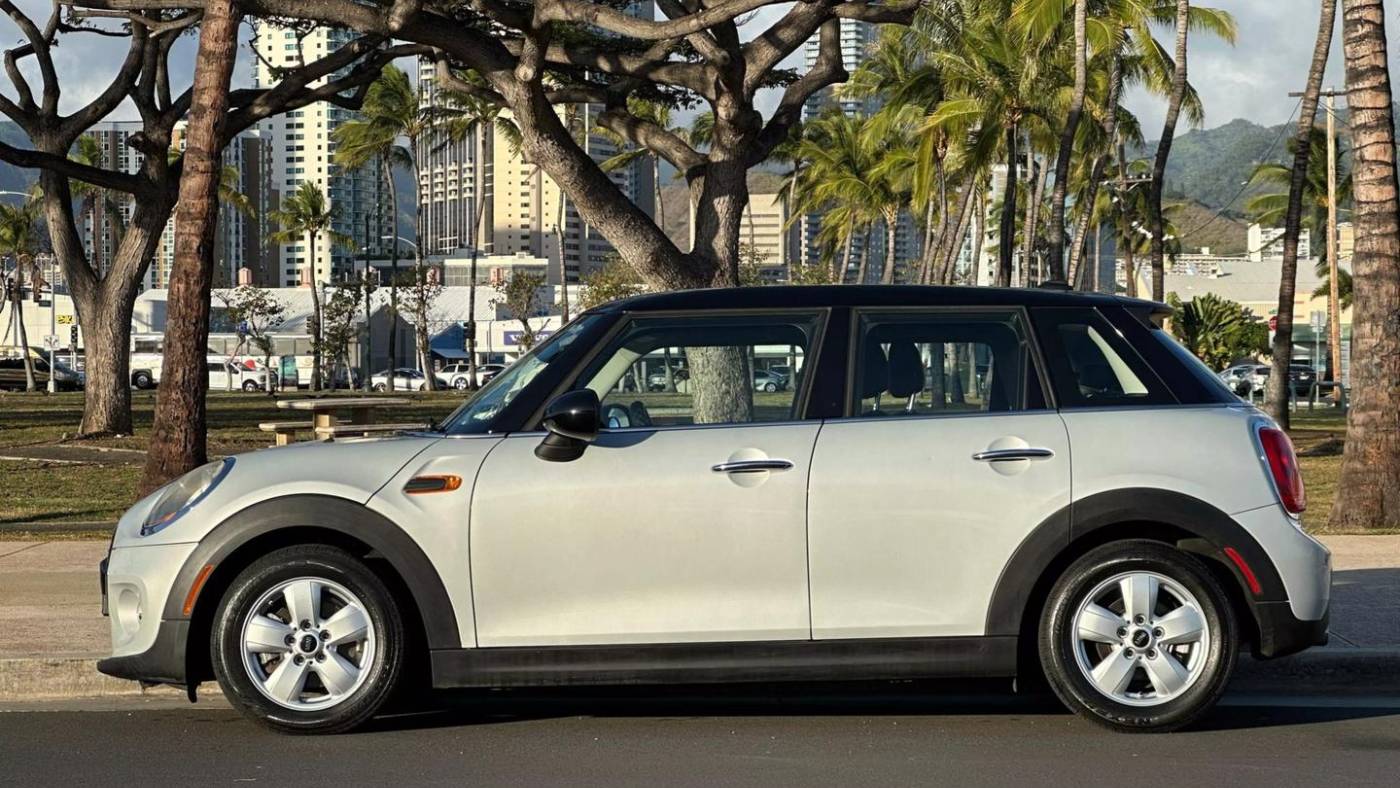
In 2026, the 2016 MINI Hardtop 4-Door stands as a benchmark for drivers seeking a blend of British personality, BMW-engineered reliability, and subcompact practicality. As a decade-old vehicle, it offers a compelling value proposition, providing the signature "go-kart" handling of the classic Cooper with enough rear-seat accessibility to serve as a legitimate daily driver for small families or urban commuters.
The 2016 model year was a pivotal moment for the MINI brand. It was the second year of production for the 4-door variant (internally known as the F55 chassis), which addressed the primary criticism of the traditional 2-door: rear-seat ingress and egress. Built on the UKL1 platform shared with several BMW models, the 2016 MINI Hardtop 4-Door moved away from the reliability-plagued "Tritec" and "Prince" engines of previous generations, introducing the much more robust B-series modular engines. In this guide, we analyze the technical specifications, long-term reliability, and current market standing of the 2016 MINI Hardtop 4-Door from the perspective of 2026.
The F55 Chassis: Engineering and Dimensions
The 2016 MINI Hardtop 4-Door is not simply a 2-door with extra portals slapped on. To accommodate the rear doors, MINI stretched the wheelbase by 2.9 inches compared to the 2-door model (F56). The overall body length increased by 6.3 inches, and the height grew by roughly a fraction of an inch.
These incremental changes had a significant impact on interior volume. Passengers in the back seat gained 1.5 inches of legroom, while the cargo area expanded to 13.1 cubic feet with the seats up—roughly 30% more than the 2-door version. When the 60/40 split-folding rear seats are down, the capacity increases to 40.7 cubic feet. While it remains a subcompact, these dimensions allow for a level of utility that makes the vehicle viable for more than just solo trips.
The engineering focus for the 2016 model was on refinement. The F55 generation benefited from a stiffer chassis and improved sound dampening compared to the older R-series MINIs. This resulted in a car that felt more "grown-up" and less buzzy on the highway, though some purists argued it lost a bit of the raw, tactile feedback found in the R56 generation.
Powertrain Options: Cooper vs. Cooper S
In 2016, buyers had two primary engine choices for the 4-door hardtop, both of which have proven remarkably durable over the last decade.
The Cooper (1.5L 3-Cylinder)
The base Cooper features the B38 engine, a 1.5-liter turbocharged inline-three. This engine is a marvel of modern modular design, sharing many components with BMW’s larger straight-six engines. It produces 134 horsepower and 162 lb-ft of torque. While the numbers seem modest, the peak torque arrives at a low 1,250 RPM, making the car feel punchy and responsive in city traffic. For many owners in 2026, this engine is the "sweet spot" for fuel economy and low-cost maintenance.
The Cooper S (2.0L 4-Cylinder)
The Cooper S utilizes the B48 engine, a 2.0-liter turbocharged inline-four. Delivering 189 horsepower and 207 lb-ft of torque, this engine transforms the MINI from a stylish commuter into a legitimate hot hatch. It offers a 0–60 mph time of approximately 6.5 seconds. The B48 is widely regarded by mechanics as one of the most reliable engines BMW has produced in the 21st century, often reaching high mileage with only routine maintenance.
Transmissions
Both engines were paired with either a 6-speed Getrag manual or a 6-speed Aisin automatic. The manual is celebrated for its precise throws and rev-matching capability (on the Cooper S), while the automatic is a traditional torque-converter unit that is much more reliable than the CVTs found in earlier MINI generations.
| Feature | 2016 MINI Cooper (4-Door) | 2016 MINI Cooper S (4-Door) |
|---|---|---|
| Engine | 1.5L Turbo 3-Cylinder (B38) | 2.0L Turbo 4-Cylinder (B48) |
| Horsepower | 134 hp @ 4,400 rpm | 189 hp @ 4,700 rpm |
| Torque | 162 lb-ft @ 1,250 rpm | 207 lb-ft @ 1,250 rpm |
| 0-60 MPH | ~7.6 Seconds | ~6.6 Seconds |
| EPA MPG (Combined) | 31-32 MPG | 27-29 MPG |
| Fuel Type | Premium Unleaded (Required) | Premium Unleaded (Required) |
| Brakes | 11.0-inch Discs (Front) | 11.6-inch Discs (Front) |
Reliability and Common Issues at 10 Years Old
By 2026, the 2016 MINI Hardtop 4-Door has a well-documented service history. While the F55 generation is significantly more reliable than its predecessors, there are specific areas that potential buyers or current owners must monitor.
Upper Engine Mounts
The most common mechanical failure on the 2016 MINI is the passenger-side upper engine mount. These mounts are liquid-filled and tend to leak or collapse around the 60,000 to 80,000-mile mark. Signs of failure include excessive engine vibration at idle or a "clunking" sound when shifting gears or hitting bumps. Replacing these with updated OEM parts or heavy-duty aftermarket versions is a standard maintenance item.
Oil Filter Housing Leaks
The B-series engines are generally robust, but the plastic oil filter housing can become brittle over time due to heat cycles. By the 10-year mark, it is common to see oil seepage around the housing. In many cases, the gaskets fail before the housing itself, but mechanics often recommend replacing the entire unit to prevent future leaks.
Control Arm Bushings
To maintain its signature handling, the MINI uses a sophisticated suspension setup. However, the rubber bushings in the front lower control arms are known to tear as they age. If you notice a "shudder" under braking or imprecise steering, the bushings are the likely culprit.
Electronics and MINI Connected
The 2016 model featured the first iterations of the BMW-derived iDrive system, branded as MINI Connected. While the hardware is generally reliable, the 6.5-inch or 8.8-inch screens can sometimes experience "ghosting" or connectivity issues with modern smartphones. Since 2016 preceded the widespread adoption of wireless Apple CarPlay in the MINI lineup, many owners in 2026 opt for MMI (Multimedia Interface) retrofit kits to update the infotainment capabilities.
Ownership Costs and Maintenance in 2026
Operating a decade-old MINI requires a shift in mindset from "preventative" to "proactive" maintenance. Because these vehicles are BMW products under the skin, parts can be more expensive than those for a Honda Fit or Toyota Yaris of the same era.
Fuel Requirements
It is vital to remember that all 2016 MINI engines require 91 octane (Premium) fuel or higher. Using lower-grade fuel can lead to pre-ignition (knock) and reduced fuel economy. Over the long term, low-grade fuel can damage the turbocharger and pistons.
The 100,000-Mile Service
If you are looking at a 2016 MINI with high mileage in 2026, ensure the 100,000-mile service has been performed. This major service should include:
- Spark Plug Replacement: Crucial for maintaining the efficiency of the direct-injection system.
- Coolant Flush: The F55 uses a specific BMW-approved blue or green coolant; mixing types can lead to sludge.
- Drive Belt Inspection: The serpentine belt and its tensioner should be checked for cracks.
- Brake Fluid Flush: MINI recommends this every two years regardless of mileage.
Interior Comfort and Technology
The interior of the 2016 MINI Hardtop 4-Door remains one of its strongest selling points. MINI leaned into a "premium retro" aesthetic that has aged remarkably well. The toggle switches, high-quality plastics, and ambient lighting ring around the center instrument cluster give the car a personality that modern, tablet-heavy interiors often lack.
The Rear Seat Experience
While the 4-door offers much better access than the 2-door, the rear seat is still best suited for children or short trips for adults. The middle seat is quite narrow, making the car a "4+1" rather than a true 5-seater. However, for those who occasionally need to carry friends or groceries, the extra doors are a revelation.
Safety Ratings
The 2016 MINI Hardtop earned high marks from both the NHTSA and the IIHS. It was praised for its robust side-impact protection—a direct benefit of the BMW-engineered frame. Standard safety features include eight airbags, including knee airbags for the driver and front passenger, and Cornering Brake Control (CBC).
Driving Dynamics: The "Go-Kart" Feel
Despite the extra length and weight (approximately 150 lbs more than the 2-door), the 2016 MINI Hardtop 4-Door maintains the brand's legendary agility. The steering is heavy and quick, providing immediate feedback from the front wheels.
For the best driving experience in 2026, look for models equipped with Dynamic Damper Control. This system allows the driver to toggle between "Mid," "Green," and "Sport" modes, adjusting the suspension stiffness and throttle response. In Sport mode, the steering weights up and the exhaust note becomes more aggressive, providing the classic MINI experience on twisty backroads.
Market Value and Buying Advice in 2026
In the current used car market, the 2016 MINI Hardtop 4-Door is an affordable entry point into the "premium" small car segment. Prices vary significantly based on mileage and service history.
What to look for when buying:
- Service Records: Look for frequent oil changes (every 5,000–7,000 miles, rather than the 10,000-mile interval MINI officially suggests).
- Tire Condition: Many MINIs came with run-flat tires. These provide safety but can lead to a harsher ride. Many 2026 owners replace these with standard high-performance all-season tires for better comfort.
- Sunroof Operation: If the vehicle has the panoramic sunroof, ensure it opens and closes smoothly. The tracks require periodic cleaning and lubrication.
Frequently Asked Questions
Is the 2016 MINI Hardtop 4-Door reliable?
Yes, the 2016 model (F55) is significantly more reliable than earlier MINI generations. By using BMW’s modular B-series engines, MINI resolved many of the timing chain and cooling issues that plagued models built between 2007 and 2013. With proper maintenance, these cars can easily surpass 150,000 miles.
Does the 4-door handle differently than the 2-door?
There is a slight difference due to the longer wheelbase. The 4-door feels a bit more stable at highway speeds and less "twitchy" over bumps. While it loses a tiny fraction of the 2-door's extreme rotation in tight corners, most drivers will find the trade-off for practicality well worth it.
What is the difference between the 2016 Cooper and Cooper S?
The main difference is the engine. The Cooper has a 1.5L 3-cylinder engine (134 hp) focused on efficiency, while the Cooper S has a 2.0L 4-cylinder engine (189 hp) focused on performance. The Cooper S also features larger brakes, sportier seats, and more aggressive exterior styling.
Can you fit a car seat in the back of a 2016 MINI 4-Door?
Yes. The 4-door model includes LATCH connectors for child safety seats. While rear-facing seats can be a tight squeeze and may require the front passenger seat to be moved forward, forward-facing seats and boosters fit comfortably.
What are the most expensive repairs for this model?
The most expensive common repairs include replacing the turbocharger (if oil changes were neglected), the oil filter housing assembly, or the clutch (on manual transmission models). However, none of these are considered "inherent flaws" but rather wear-and-tear or maintenance-related items.
Final Recommendation
The 2016 MINI Hardtop 4-Door remains a standout choice for those who refuse to drive a boring car. It offers a level of character, interior quality, and driving joy that is difficult to find in other subcompacts from the same era. While it requires more diligent maintenance than a typical economy car, the reward is a vehicle that feels special every time you get behind the wheel. For a used buyer in 2026, focusing on a well-maintained Cooper S with a documented service history will yield the best balance of performance and long-term satisfaction.