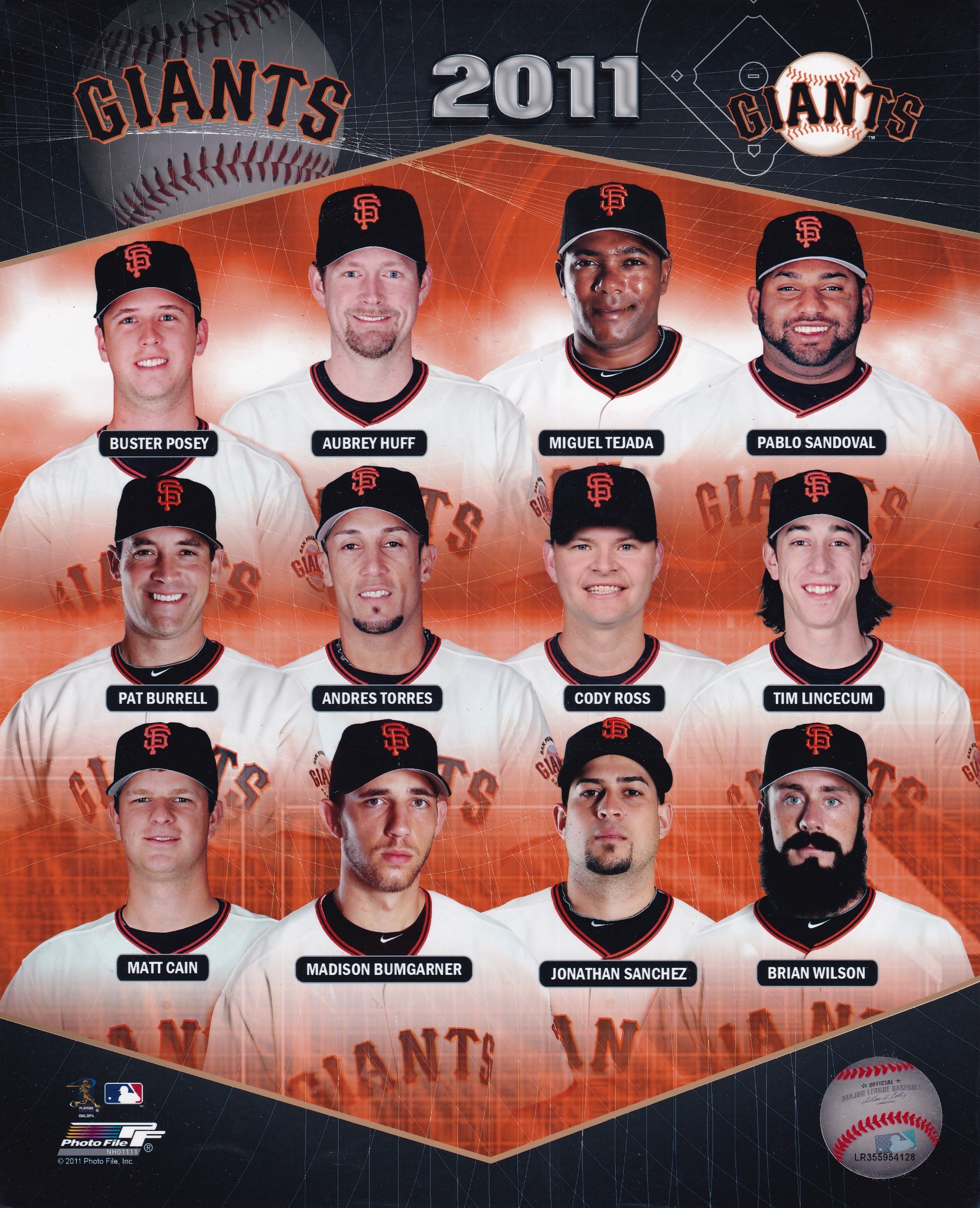
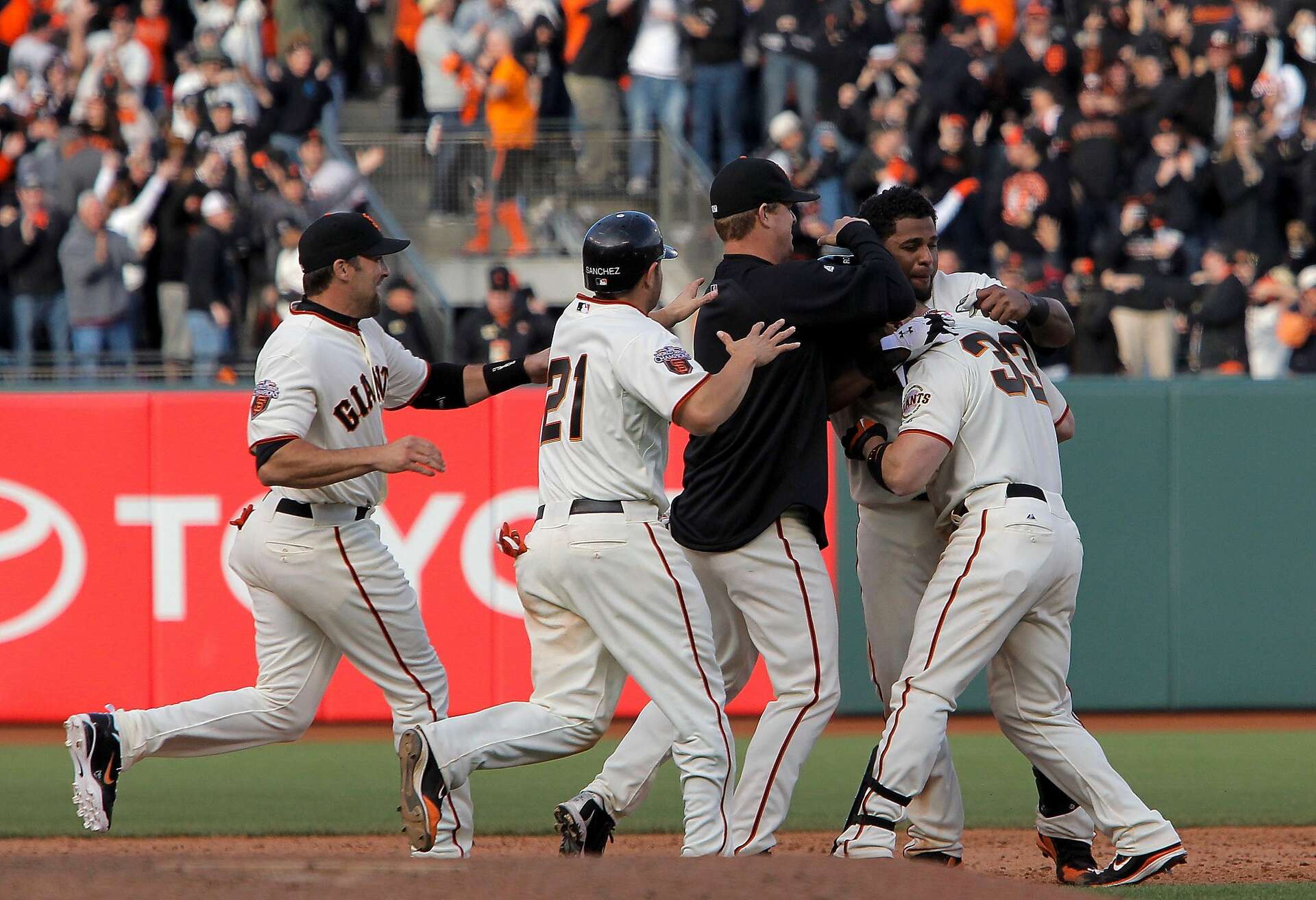
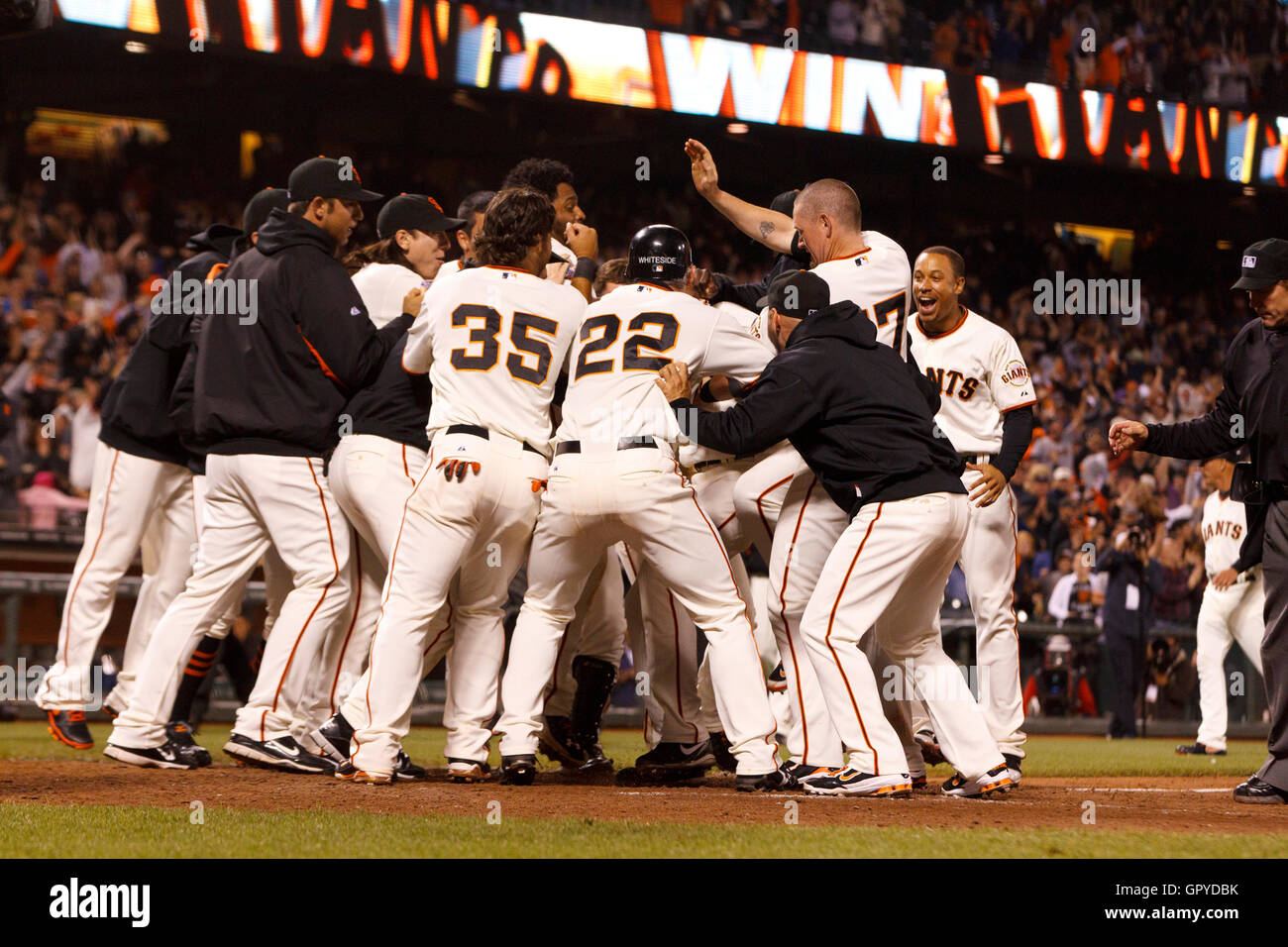
The 2011 San Francisco Giants season was defined by a historic dichotomy: a pitching staff that ranked among the greatest in franchise history countered by an offense crippled by the catastrophic loss of Buster Posey. Finishing with an 86-76 record, the Giants placed second in the National League West, ultimately failing to defend their 2010 World Series title despite a mid-season push and an elite starting rotation.
The Context of the 2011 Campaign
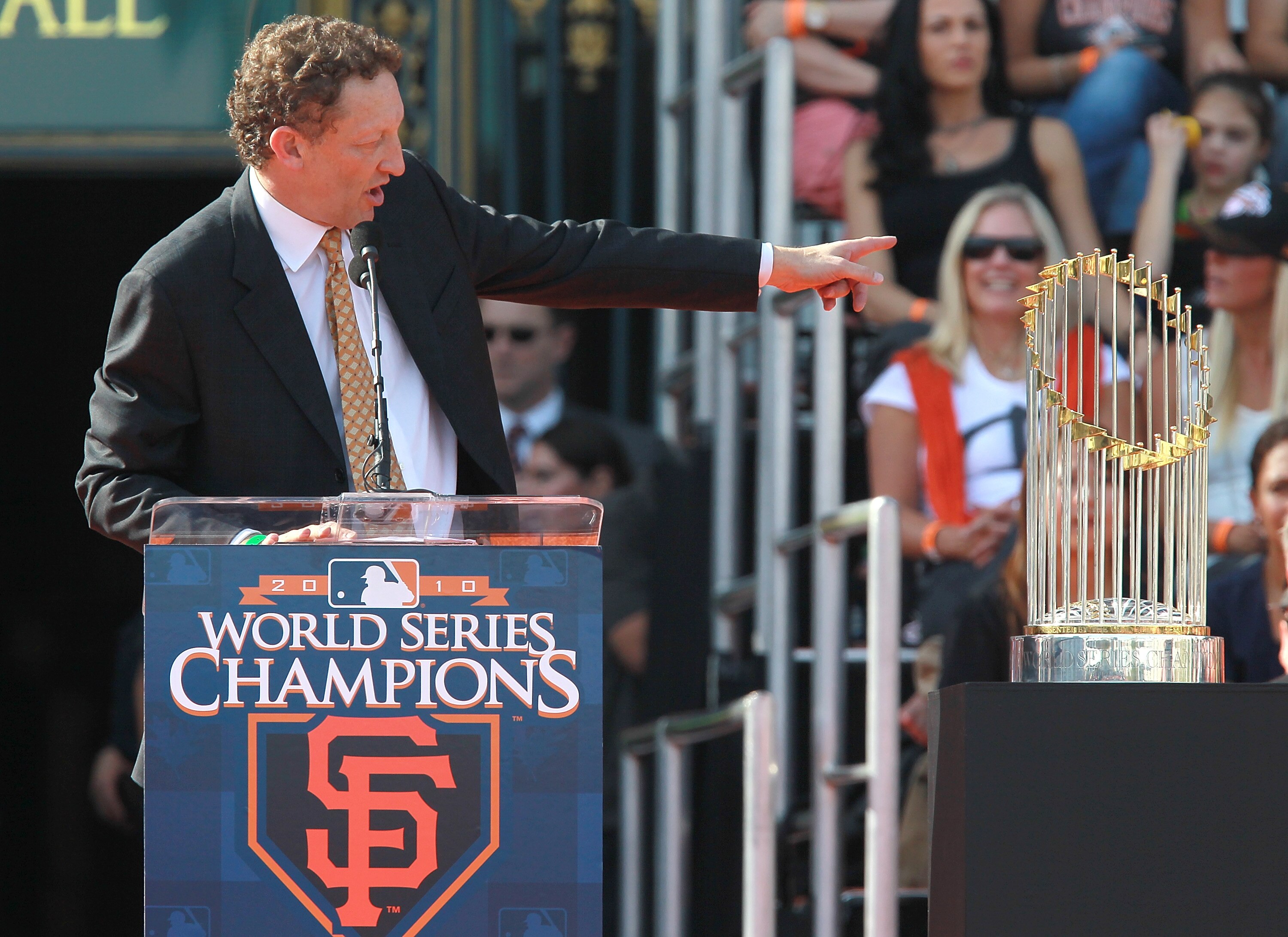
Entering the 2011 season, the San Francisco Giants were at a pinnacle. Having secured the first World Series trophy in the city's history just months prior, the "Orange and Black" were the talk of the baseball world. The mantra of "Pitching, Defense, and Three-Run Homers" had worked to perfection in 2010, and General Manager Brian Sabean and Manager Bruce Bochy looked to replicate that success with largely the same core.
The 2011 season was meant to be a year of consolidation and dominance. The "Big Three" of Tim Lincecum, Matt Cain, and a rising Madison Bumgarner were expected to anchor a rotation that could stifle any opponent. However, as the season unfolded, the team learned how razor-thin the margin for error could be when a championship roster loses its heartbeat.
The Defining Moment: May 25 and the Loss of Buster Posey
To understand the 2011 San Francisco Giants, one must look at the night of May 25, 2011. In a home game against the Florida Marlins, a collision at home plate between Marlins baserunner Scott Cousins and Giants catcher Buster Posey changed the trajectory of the season and, eventually, the rules of Major League Baseball.
Posey, the reigning NL Rookie of the Year and the defensive and offensive anchor of the team, suffered a fractured fibula and torn ligaments in his ankle. The injury ended his season instantly. At the time of the injury, the Giants were 26-21 and leading the division.
The impact was twofold:
- Offensive Void: The Giants lost their most consistent hitter and their primary cleanup batter.
- Defensive and Leadership Gap: Posey’s ability to manage the pitching staff was unparalleled. While Chris Stewart and Eli Whiteside performed admirably in relief, the "cerebral" advantage Posey provided was gone.
This event eventually led to the implementation of Rule 7.13, popularly known as the "Buster Posey Rule," designed to protect catchers from unnecessary collisions at the plate.
A Pitching Staff for the Ages
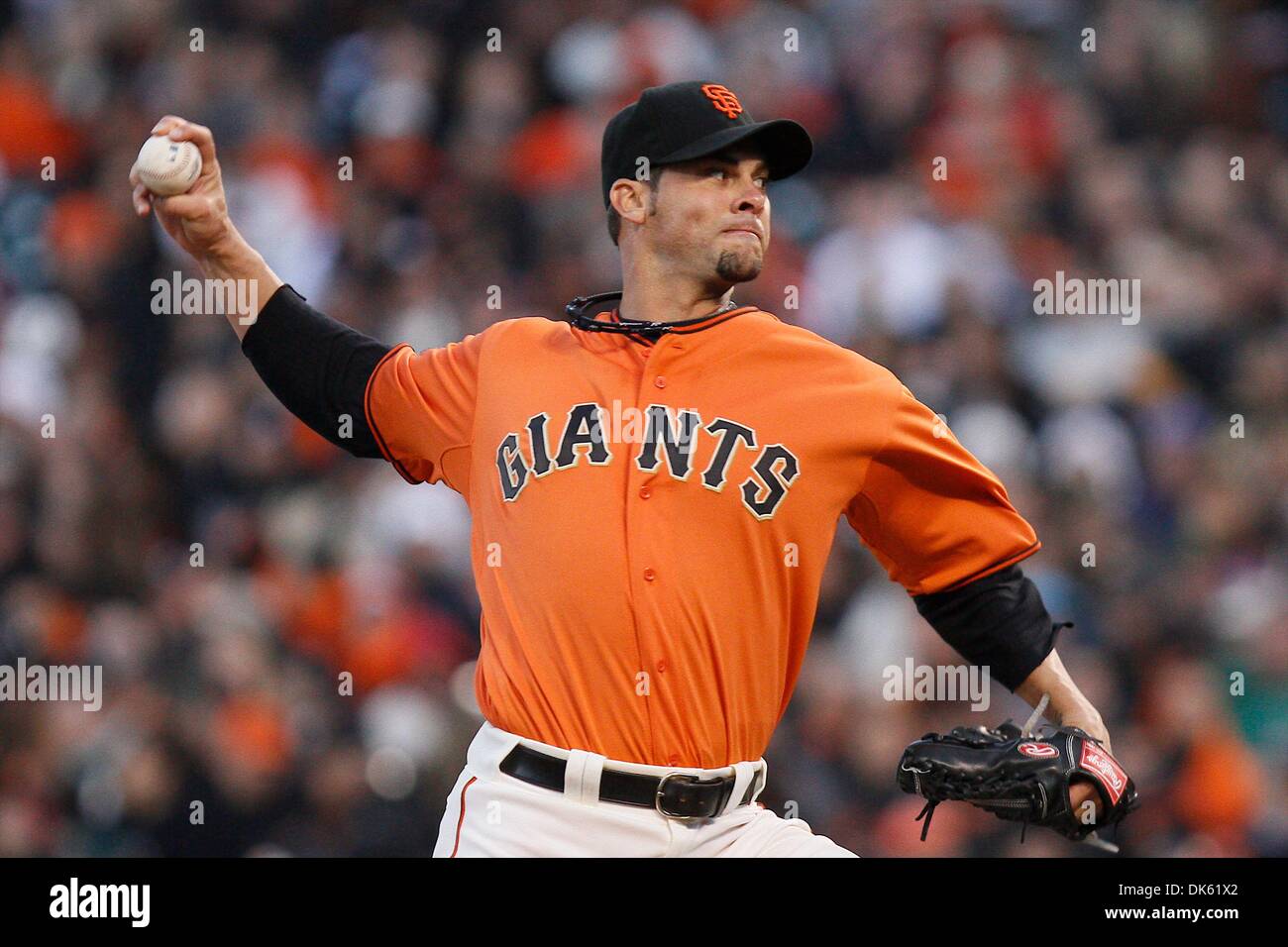
While the offense struggled, the 2011 pitching staff performed at a level rarely seen in the modern era. The Giants' starters led the league in several categories, keeping the team in playoff contention until the final weeks of September.
The Rise of Ryan Vogelsong
The most compelling story of the year was Ryan Vogelsong. A former Giants prospect who had spent years in Japan and the minor leagues, Vogelsong was signed to a minor league contract as an afterthought. Due to an injury to Barry Zito, Vogelsong was pressed into the rotation. He responded by making the All-Star team and posting a 2.71 ERA over 179.2 innings. His "Cinderella" season provided the emotional spark the team desperately needed after Posey went down.
The "Big Three" Continued Dominance
- Tim Lincecum: "The Freak" continued his stellar run, posting a 2.74 ERA and striking out 220 batters. Despite his excellence, he often suffered from a lack of run support, a theme that haunted the 2011 squad.
- Matt Cain: Cain remained the "Horse" of the staff, throwing 221.2 innings with a 2.88 ERA. Like Lincecum, Cain’s win-loss record (12-11) did not reflect his true dominance.
- Madison Bumgarner: In his first full season in the rotation, the young lefty showed the poise that would eventually make him a postseason legend. He finished with 13 wins and a 3.21 ERA.
The Bullpen: The "Core Four"
The Giants’ bullpen, led by closer Brian Wilson, remained a strength. Sergio Romo, Javier Lopez, and Jeremy Affeldt formed a bridge to Wilson that was nearly impenetrable. Romo, in particular, was elite, posting a 1.50 ERA and an incredible strikeout-to-walk ratio. However, Wilson began to deal with elbow issues late in the year, a precursor to the Tommy John surgery he would require in 2012.
The Offensive Struggle and the Beltran Trade
Offensively, 2011 was a year of frustration. The team finished near the bottom of the National League in runs scored, home runs, and batting average.
The Kung Fu Panda's Resurgence
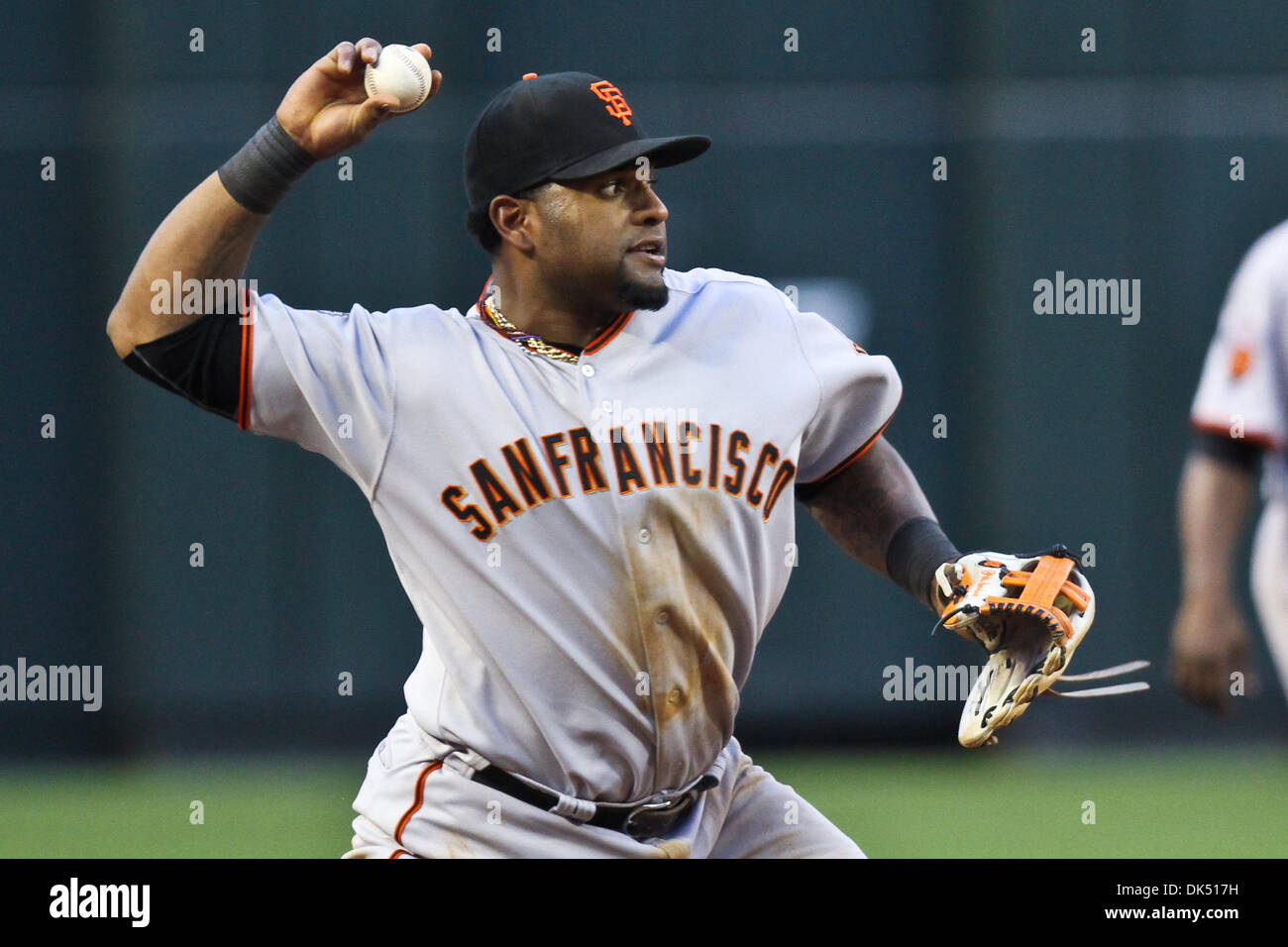
One of the few bright spots was Pablo Sandoval. After a disappointing 2010 season that saw him benched in the World Series due to poor conditioning, Sandoval returned in 2011 significantly slimmer and highly motivated. Despite a mid-season surgery on his hand, "The Panda" hit .315 with 23 home runs, providing the only consistent power in the lineup.
The Carlos Beltran Gamble
Recognizing the desperate need for offensive help, Brian Sabean made a "win-now" move on July 28, 2011. The Giants traded top pitching prospect Zack Wheeler to the New York Mets for outfielder Carlos Beltran.
At the time, the Giants were in first place, and Beltran was having a vintage season. However, shortly after joining the Giants, Beltran suffered a hand injury that hampered his power and sidelined him for several games. While he finished his stint in San Francisco with a .323 average, the team did not have enough around him to sustain a playoff run. In hindsight, the trade was heavily criticized as Wheeler developed into an elite starter, while the Giants missed the playoffs in the only year they had Beltran.
2011 Seasonal Performance Metrics
The following table highlights the statistical excellence of the pitching staff compared to the struggles of the primary offensive contributors.
| Player | Role/Position | Key Metric | Value |
|---|---|---|---|
| Tim Lincecum | Starting Pitcher | ERA | 2.74 |
| Matt Cain | Starting Pitcher | Innings Pitched | 221.2 |
| Ryan Vogelsong | Starting Pitcher | ERA+ | 129 |
| Madison Bumgarner | Starting Pitcher | Strikeouts | 191 |
| Pablo Sandoval | Third Base | Batting Average | .315 |
| Carlos Beltran | Outfield (Post-Trade) | OPS | .920 |
| Brian Wilson | Closer | Saves | 36 |
| Team Offense | N/A | Runs Scored | 570 (15th in NL) |
The NL West Race: Chasing the Diamondbacks
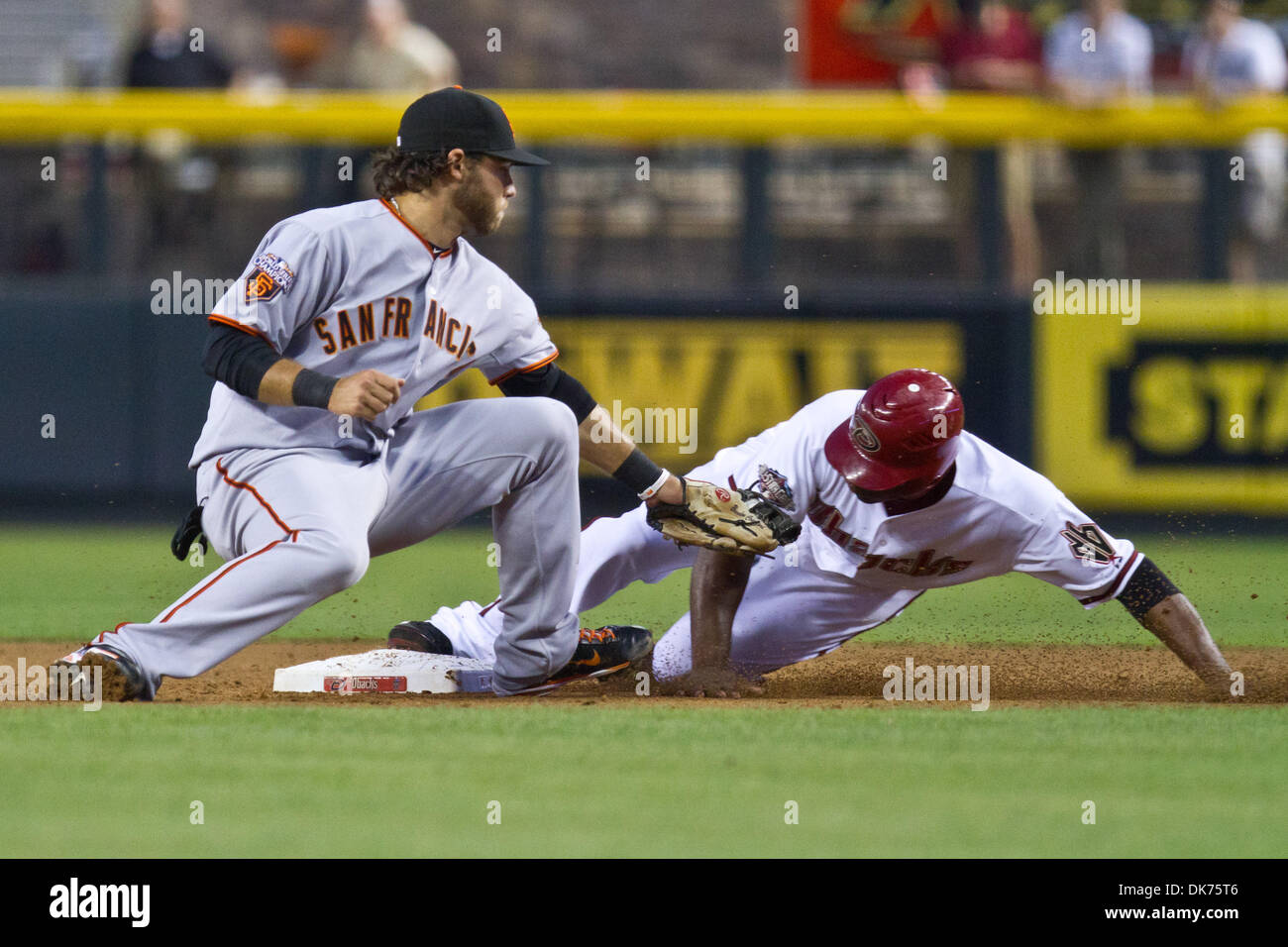
For much of the first half, the Giants battled the Arizona Diamondbacks for supremacy in the NL West. The Giants held a lead as late as early August, relying on their pitching to win low-scoring "torture" games.
However, the Diamondbacks, led by Justin Upton and a surprisingly effective rotation of their own, caught fire in August and September. The Giants’ lack of offensive depth finally caught up to them during a grueling stretch of road games. Injuries to secondary players like Freddy Sanchez and Aubrey Huff’s significant regression from his 2010 form left the lineup with too many "automatic outs."
By the time September arrived, the Giants found themselves several games back. A late-season surge kept things interesting, but the Diamondbacks eventually clinched the division, leaving San Francisco out of the postseason for the first time since 2009.
Defensive Milestones and the Arrival of Brandon Crawford
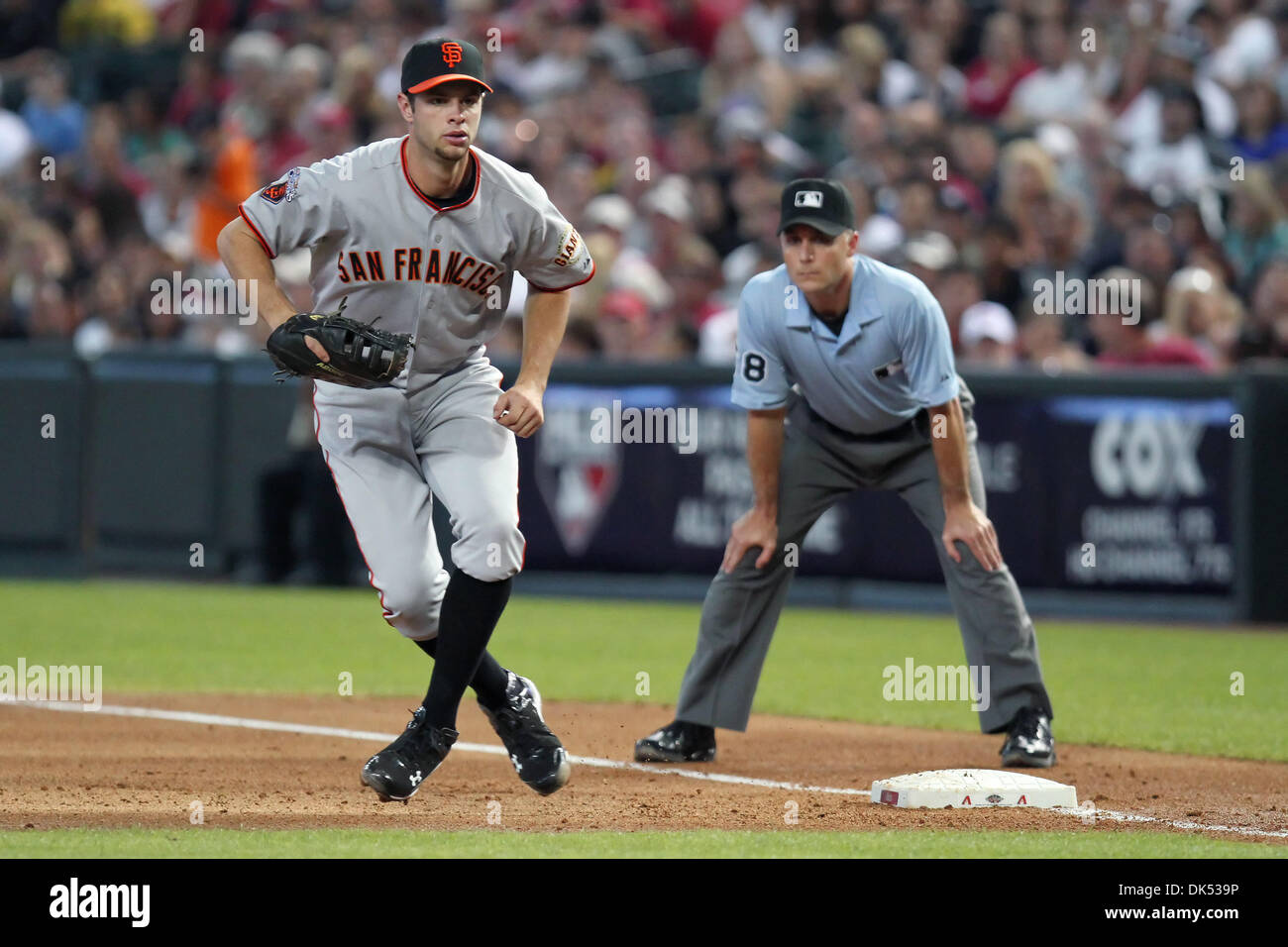
While the season ended in disappointment, 2011 saw the debut of a foundational piece of the future: Brandon Crawford. Called up from Class-A San Jose to solve a defensive crisis at shortstop, Crawford made his debut on May 27, 2011. In his first MLB game, he hit a go-ahead grand slam against the Milwaukee Brewers.
While his bat was inconsistent in his rookie year, his defensive prowess was immediately evident. Crawford’s ability to stabilize the infield defense became a hallmark of the Giants' success in the coming years. Along with the steady veteran play of Jeff Keppinger (acquired mid-season) and the defensive versatility of Nate Schierholtz, the Giants maintained one of the highest fielding percentages in the league.
Historical Significance of the 2011 Season
In the context of the 2010-2014 dynasty, the 2011 season is often viewed as the "lost year." However, it served several vital purposes for the organization:
- Pitching Validation: It proved that the 2010 pitching success was not a fluke. The staff was legitimately elite and capable of carrying a team.
- Roster Lessons: The failure of the 2011 offense convinced management that they needed more balance and couldn't rely solely on one or two hitters.
- The Resilience of Posey: Buster Posey’s recovery during the 2011-2012 offseason became the stuff of legend, setting the stage for his 2012 MVP season and the Giants' second World Series title.
- Strategic Shifts: The organization began to place a higher premium on versatile bench players and high-contact hitters, a philosophy that paid dividends in the 2012 and 2014 postseasons.
Frequently Asked Questions
Why did the Giants miss the playoffs in 2011 despite great pitching?
The primary reason was a historically stagnant offense. The Giants finished 15th out of 16 National League teams in runs scored. Even with an elite rotation, the team lost a significant number of games where they allowed two or fewer runs. The loss of Buster Posey for the majority of the season removed their most dangerous hitter and most effective leader.
Was the Carlos Beltran trade a mistake?
In hindsight, most analysts view it as a loss for the Giants. While Beltran performed well individually, the team did not make the playoffs, and the prospect they gave up, Zack Wheeler, became a perennial All-Star. At the time, however, the Giants were in first place and had a legitimate chance to repeat as champions, making the "all-in" move understandable from a management perspective.
Who was the Giants' best player in 2011?
From a pitching standpoint, it was a toss-up between Tim Lincecum and Matt Cain, though Ryan Vogelsong won the "heart" of the fans. From an offensive standpoint, Pablo Sandoval was undoubtedly the best player, posting elite numbers despite missing time with a hand injury.
What happened to Brian Wilson in 2011?
Brian Wilson had a productive season with 36 saves, but his velocity and control began to waver in August. He was eventually shut down with inflammation in his right elbow. This injury was the beginning of the end for his time in San Francisco, as he would undergo Tommy John surgery early in the 2012 season.
How did the Buster Posey injury change MLB?
The injury led to the creation of Rule 7.13, which prohibits baserunners from deviating from their direct path to the plate to initiate contact with the catcher. It also requires catchers to give baserunners a clear path to the plate unless they are in possession of the ball. This has significantly reduced the number of high-impact collisions in professional baseball.
Final Perspective on the 2011 Season
The 2011 San Francisco Giants season remains one of the greatest "what-if" stories in franchise history. Had Buster Posey remained healthy, or had the offense provided even league-average support, the 2011 rotation was statistically capable of winning a championship. Instead, the season serves as a testament to the importance of roster depth and the volatile nature of professional sports. For fans, it was a year of "Torture" that didn't end in a parade, but it provided the necessary lessons and the return of a healthy Posey that fueled the 2012 championship run.