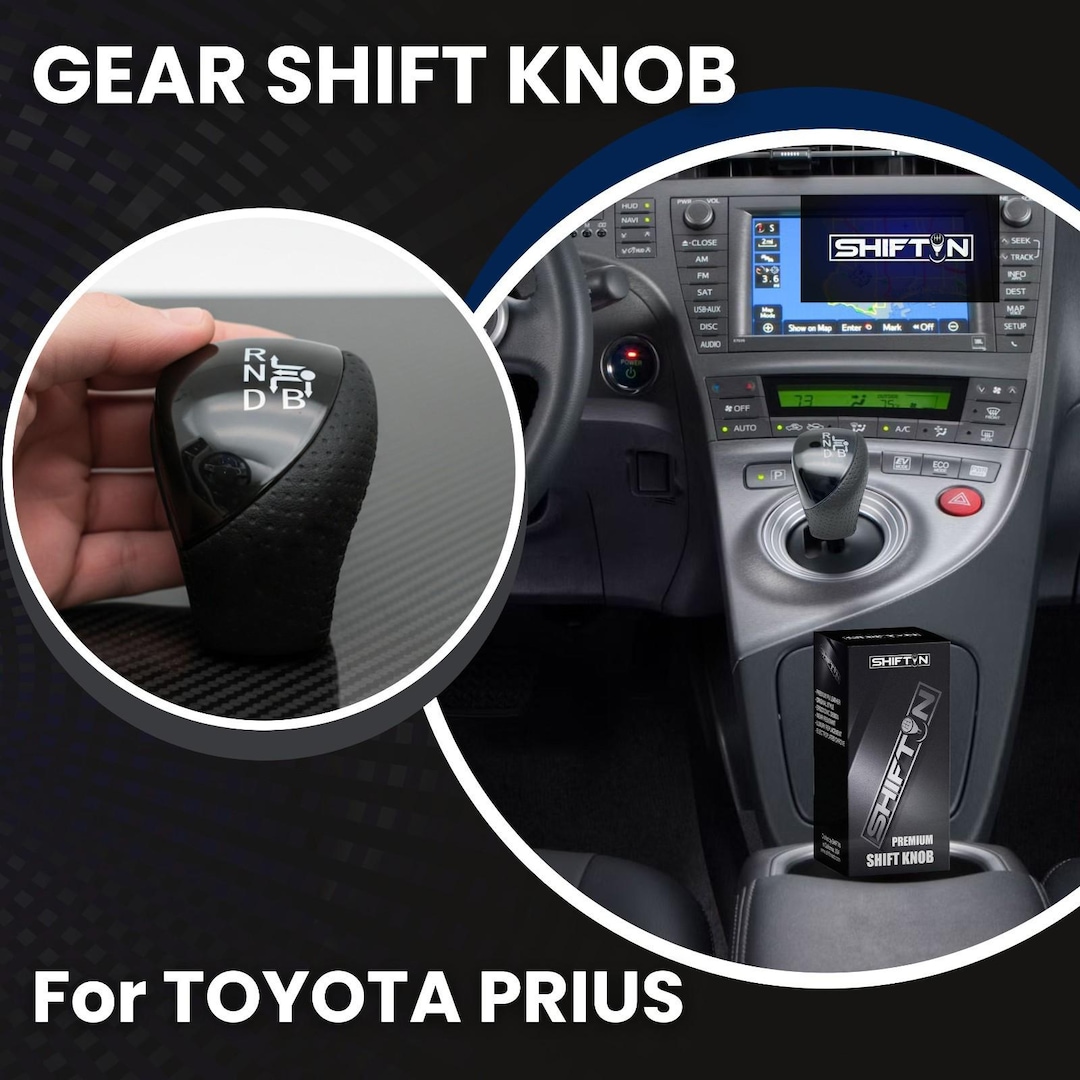
The 2008 Toyota Prius "B" mode on the electronic gear selector is designed to maximize regenerative braking and increase engine braking during prolonged descents, rather than functioning as a standard low gear for racing or everyday driving.
Introduction to the 2008 Toyota Prius Gear Shift Layout
The 2008 Toyota Prius (part of the second generation, spanning model years 2004 through 2009) features a unique, joystick-like electronic shifter mounted on the dashboard rather than a traditional mechanical gear selector connected to a standard automatic transmission. This electronic shifter uses a "monostable" design, meaning it always springs back to a central resting position regardless of which gear selection you make.
For drivers transitioning from traditional automatic or manual vehicles, understanding this shift pattern is essential. The layout consists of R (Reverse), N (Neutral), D (Drive), and B (Brake). While R, N, and D function similarly to traditional vehicles, the "B" position frequently causes confusion. Far from being a standard low gear for towing or fast acceleration, the B mode serves a very specific engineering purpose centered on energy management and vehicle safety during steep descents.
What Does "B" Mode Actually Stand For?
In the 2008 Toyota Prius, B stands for Engine Braking (sometimes colloquially referred to by drivers as "Brake" mode). To understand why this mode exists, it helps to understand how the Prius powertrain operates. The 2008 Prius uses a Hybrid Synergy Drive system combining a 1.5-liter four-cylinder gasoline engine with an electric motor-generator (MG1 and MG2) through a planetary gearset acting as an electronically controlled continuously variable transmission (e-CVT).
When you press the brake pedal in a Prius under normal driving conditions, the computer system prioritizes regenerative braking. Instead of using traditional friction brakes right away, MG2 acts as a generator, slowing the car down by converting kinetic energy into electrical energy, which is then routed back to store in the high-voltage nickel-metal hydride (NiMH) traction battery.
However, traction batteries have a physical limit to how fast and how much energy they can accept. If you are driving down a long, steep mountain pass, the hybrid battery can quickly become 100% charged. Once the battery reaches full capacity, the computer can no longer use regenerative braking to slow the vehicle, because there is nowhere left to store the captured energy. If the Prius relied solely on its traditional hydraulic friction brakes for an extended mountain descent, those brake pads and rotors could overheat, glaze, or suffer from catastrophic brake fade.
This is where B mode comes in. When you shift into B mode, the vehicle's computer forces the internal combustion engine to spin up—even without adding fuel—creating mechanical pumping losses that act as a brake. By forcing the engine to turn over, the vehicle dissipates excess kinetic energy as heat through the engine's exhaust and cooling system, protecting the braking system and preventing battery overcharging.
How B Mode Works Mechanically in the 2008 Prius
When you pull the shifter down into B mode while moving in Drive, several electronic and mechanical processes occur simultaneously within the Hybrid Synergy Drive system:
- The Electronic Shift Signal: The shifter sends a low-voltage electrical signal to the Powertrain Control Module (PCM) indicating that the driver has requested engine braking.
- Motor-Generator Interaction: The computer adjusts the interaction between MG1 and the gasoline engine. MG1 forces the engine crankshaft to rotate.
- Pumping Losses: Because the fuel injectors may be cut or throttled back while the engine is spun externally by the transmission, the engine pistons move up and down against air compression without combustion. This creates internal resistance, known as engine pumping losses.
- Acoustic Feedback: Drivers immediately notice a distinct change in vehicle behavior: the RPMs of the gasoline engine increase noticeably, and the car produces a characteristic high-revving or buzzing sound similar to a traditional car dropped into a lower gear.
Unlike a traditional automatic transmission, selecting B mode does not physically shift mechanical gears inside a gearbox. There are no physical gear ratios changing from first to second; rather, it is an electronic command modifying the rotational speed of the electric motors relative to the gasoline engine.
When to Use B Mode (and When NOT to Use It)
Using B mode correctly preserves your vehicle's mechanical health, while misusing it can reduce your fuel economy and cause unnecessary engine wear.
| Driving Scenario | Recommended Gear | Why? |
|---|---|---|
| Normal Highway & City Driving | D (Drive) | Maximizes fuel efficiency, utilizes standard regenerative braking via the brake pedal, and keeps engine noise minimal. |
| Long, Steep Mountain Descents | B (Brake) | Prevents overheating of the hydraulic friction brakes and avoids overcharging the hybrid traction battery when it is already full. |
| Stuck in Heavy Traffic / Stop-and-Go | D (Drive) | B mode offers no advantage here and can make the ride jerky and loud. |
| Fuel Economy Hypermiling | D (Drive) | B mode actually reduces overall efficiency because it wastes kinetic energy as engine heat rather than capturing it in the battery. |
Common Misconceptions About B Mode
- "It makes the car accelerate faster." False. B mode does not provide extra torque, horsepower, or faster acceleration. In fact, driving in B mode under normal conditions provides no performance benefit whatsoever.
- "It charges the battery faster." False. While B mode engages the electric motors, its primary purpose is dissipating energy through the engine, not sending maximum charge to the battery. Standard regenerative braking via the brake pedal is much more efficient at capturing electrical energy.
- "You can shift into B while driving at highway speeds." True, but with a caveat. You can shift between D and B at any speed without damaging the transmission, because the electronic controller matches speeds safely. However, doing so outside of a steep descent will simply cause the engine to roar loudly and lower your gas mileage.
Step-by-Step Guide: How to Engage and Disengage B Mode
Operating the electronic shifter in a 2008 Toyota Prius requires a gentle touch compared to heavy mechanical levers found in older vehicles.
Engaging B Mode
- Ensure the vehicle is currently moving or operating in Drive (D).
- Lightly pull the shifter handle straight back toward you and down into the B gate. (Note: You do not need to press the small "B" button on the side of the shifter knob; that button is actually the "P" for Park button located on the face of the console).
- Release the shifter. It will automatically spring back to the central resting position.
- Verify engagement by checking the multi-information display on the dashboard; you will see the gear indicator change from "D" to "B," and you will hear the engine RPMs rise.
Returning to Normal Drive (D)
- Whenever you wish to return to standard driving, simply pull the shifter back toward you and push it up into the D position.
- The vehicle will instantly transition back to standard operation, the engine RPMs will drop, and normal fuel efficiency mapping will resume.
Troubleshooting and Maintenance Considerations
Drivers investigating B mode often notice specific behaviors related to the hybrid system that may require attention.
Unusual Noise and High RPMs
When B mode is engaged, the sudden spike in engine noise can alarm drivers who are unfamiliar with hybrids. This noise is completely normal. The computer is spinning the engine rapidly to create braking resistance. If the noise persists after switching back to D, or if the engine fails to quiet down when level ground is reached, there may be a software glitch or a stuck electronic shift sensor.
Reduced Fuel Economy (MPG)
If you notice your fuel economy dropping significantly, check to ensure you have not accidentally left the car in B mode during flat highway driving. Because B mode discards energy through engine braking rather than regenerating it into the battery, prolonged driving in B mode will noticeably degrade your miles-per-gallon average.
Battery Health and Diagnostics
If you live in a very hilly region and frequently use B mode because your battery fills up instantly, it may indicate an aging hybrid battery pack. As NiMH batteries degrade over time, their capacity to accept charge diminishes rapidly, forcing the car to switch to engine braking sooner during descents. If you suspect battery degradation, consult a qualified hybrid specialist to run a diagnostic scan on individual battery module voltages.
Frequently Asked Questions
Can I shift into B mode while driving at 65 mph?
Yes, you can safely shift between D and B at highway speeds. The Prius computer system manages the transition electronically to prevent mechanical over-revving. However, doing so on flat highways is unnecessary and will reduce fuel economy.
Does B mode use more gasoline?
No. When B mode is active during a descent, the fuel injectors are typically shut off or heavily restricted while the engine is spun by the wheels. It burns no extra fuel; instead, it uses the engine's internal air resistance to slow the car down.
Is B mode the same as putting an automatic car in "1" or "2"?
Conceptually yes, practically no. While both provide engine braking to control speed on downhills, a traditional automatic mechanically locks into lower gear ratios. The 2008 Prius uses its e-CVT and electric motor-generators to simulate this braking effect electronically.
Will driving in B mode damage my 2008 Prius transmission?
No. Because the transmission is an electronically controlled planetary gearset with no traditional friction clutch packs or bands to wear out from gear selection, using B mode creates no mechanical damage to the drivetrain components.
Why doesn't my Prius have a traditional low gear?
Toyota designed the Hybrid Synergy Drive around an electronic planetary gear system that eliminates the need for a multi-speed mechanical gearbox. Electronic motor-generators handle speed reduction and torque distribution seamlessly, replacing traditional gears with software-managed electric ratios.
Conclusion and Final Recommendation
For owners of the 2008 Toyota Prius, understanding B mode transforms it from a mysterious dashboard letter into a valuable tool for mountain driving and brake preservation. Reserve B mode strictly for long, steep descents where your conventional brakes and hybrid battery need assistance managing excess kinetic energy. For all other driving conditions, leave your Prius in standard Drive (D) to maximize fuel efficiency, minimize cabin noise, and enjoy the smooth operation of your hybrid powertrain.