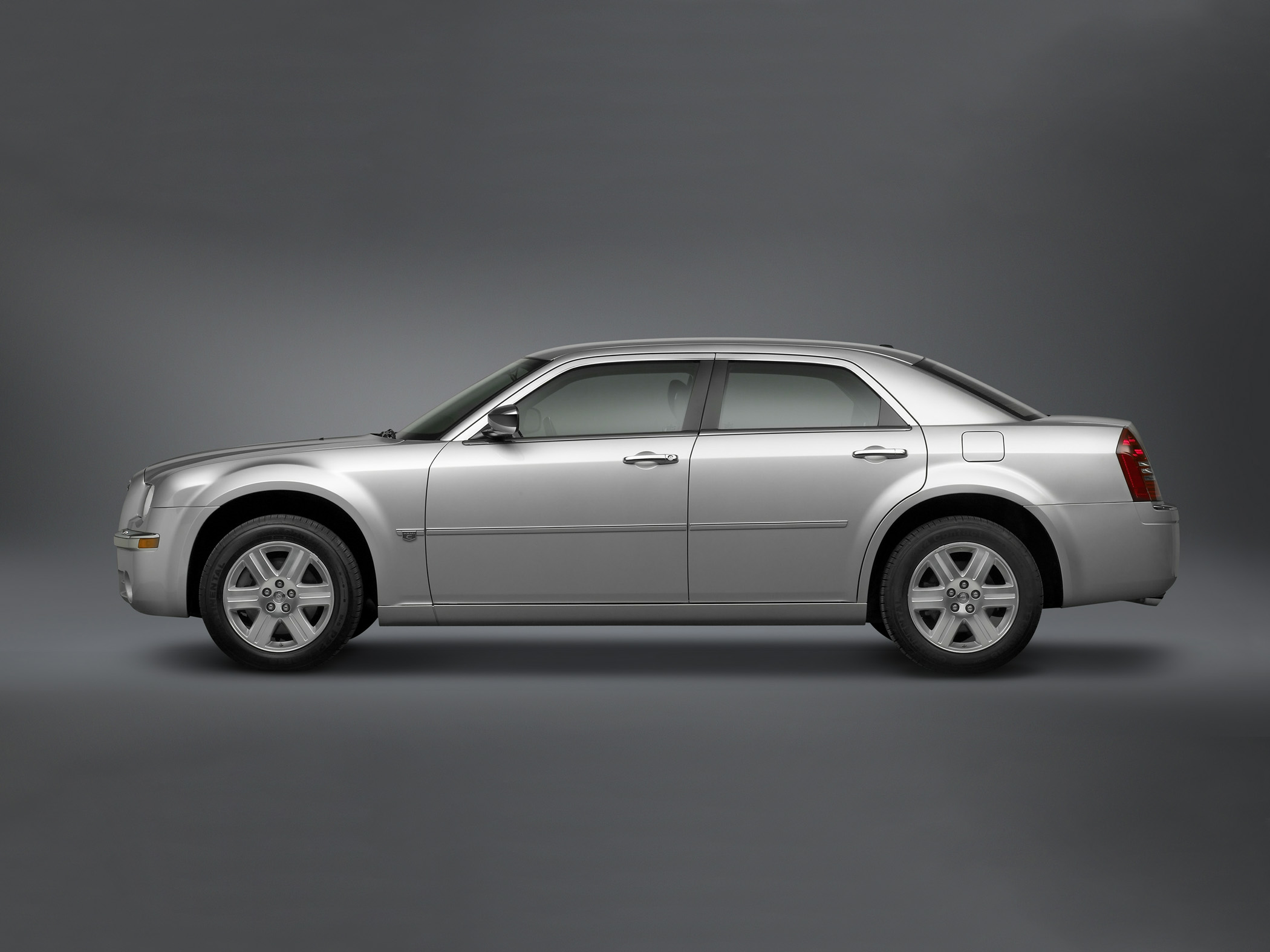
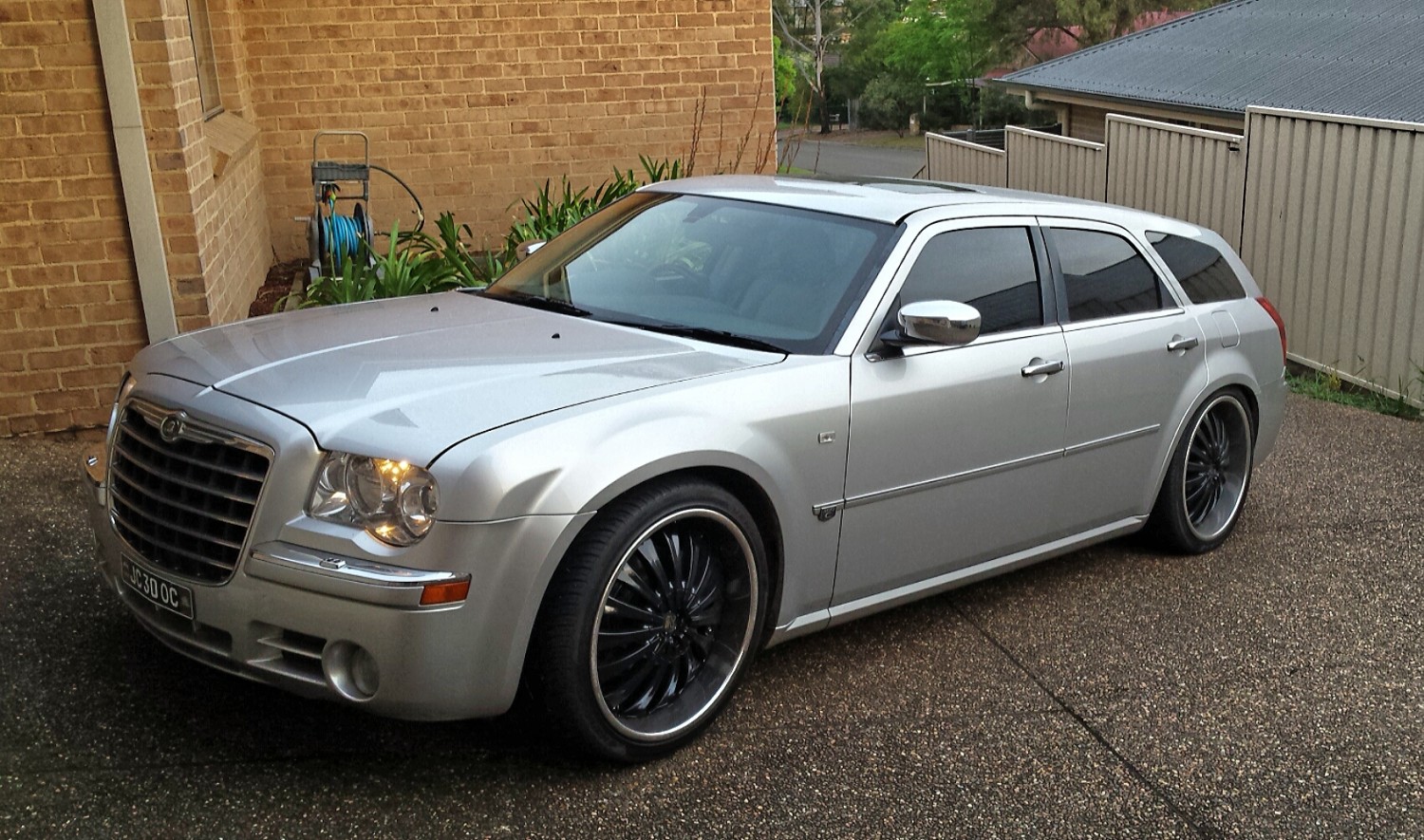
The 2007 Chrysler 300C 5.7L HEMI represents a pivotal moment in the American full-size sedan market, blending nostalgic V8 power with modern rear-wheel-drive architecture. Known for its bold exterior design, substantial interior space, and the legendary Multi-Displacement System (MDS), this vehicle remains a sought-after choice for enthusiasts seeking a robust, reliable, and powerful cruiser that redefined Chrysler’s identity in the mid-2000s.
Engineering and Powertrain Specifications
At the heart of the 2007 Chrysler 300C lies the 5.7-liter HEMI V8 engine. This powerplant was designed to offer the performance characteristics of a traditional muscle car while incorporating technological advancements to improve fuel economy during light-load driving. The engine produces approximately 340 horsepower and 390 lb-ft of torque, providing the 300C with significant acceleration capabilities that often surprised contemporary observers of the full-size sedan segment.
The defining technical feature of this engine is the Multi-Displacement System (MDS). Under light-throttle conditions, such as cruising on a highway, the MDS deactivates four of the eight cylinders, effectively turning the engine into a 2.85-liter V4. This transition is intended to occur within 40 milliseconds and is typically imperceptible to the driver. When the driver demands more power, the system instantly restores all eight cylinders to full operation. This mechanism was a critical selling point for Chrysler, as it addressed the primary criticism of V8 engines—their voracious appetite for fuel—without sacrificing peak output.
The engine is paired with a five-speed automatic transmission featuring an AutoStick manual shift mode. This transmission, sourced with Mercedes-Benz technology, is well-regarded for its durability and smooth shifting under load. The combination of the HEMI V8 and this transmission provides a refined driving experience, characterized by effortless highway merging and a deep, resonant exhaust note that resonates with the heritage of the Chrysler brand.
Architectural Foundation and Handling
The 2007 Chrysler 300C was built on the LX platform, an architecture that leveraged the corporate relationship with DaimlerChrysler at the time. This platform borrowed heavily from the E-Class (W210) generation of Mercedes-Benz, particularly in the design of the suspension components, steering rack, and electronic stability systems. This cross-pollination resulted in a vehicle that handled significantly better than its predecessors, offering a planted feel that belied its heavy curb weight.
The front suspension is an independent short-and-long-arm configuration, while the rear utilizes an independent five-link setup. This arrangement effectively isolates road imperfections while providing enough feedback for spirited driving. Despite its substantial size and weight, the 2007 300C maintains a composed posture in corners. However, it is important to note that the 300C is designed primarily as a grand tourer; while it can manage corners capably, it does not offer the razor-sharp handling of a dedicated sports sedan.
Interior Comfort and Technological Features
The interior of the 2007 300C is characterized by a spacious cabin designed to accommodate five adult passengers comfortably. Chrysler opted for a design philosophy that emphasized luxury-adjacent materials and a functional, driver-centric cockpit. Standard features on the 300C trim level included leather-trimmed bucket seats, a Boston Acoustics premium sound system, power-adjustable pedals, and dual-zone automatic temperature control.
The dashboard layout is clean and functional, featuring the iconic white-faced analog gauges that pay homage to earlier Chrysler designs. The infotainment system, while primitive by 2026 standards, was advanced for its time, often including a navigation interface and satellite radio integration. Because the car was produced in an era of rapidly evolving electronics, owners today often find that the stock head units are easily replaceable with modern aftermarket systems that provide Bluetooth, Apple CarPlay, or Android Auto connectivity, significantly modernizing the driving experience.
Maintenance and Long-Term Reliability
For owners and prospective buyers in 2026, understanding the long-term maintenance requirements of the 2007 HEMI is essential for keeping the vehicle on the road. The 5.7L HEMI is generally considered robust, but it requires diligent maintenance to avoid common issues.
One primary concern for high-mileage examples involves the valve seats and lifter condition. The HEMI’s valvetrain, particularly the lifters associated with the MDS system, can experience premature wear if oil changes have been neglected. Using high-quality synthetic oil and ensuring the correct viscosity is critical to maintaining the oil pressure required for the MDS to function without error.
The following table summarizes key operational and technical data for the 2007 model:
| Specification | Detail |
|---|---|
| Engine Type | 5.7L HEMI V8 (Pushrod) |
| Horsepower | 340 hp @ 5,000 rpm |
| Torque | 390 lb-ft @ 4,000 rpm |
| Transmission | 5-Speed Automatic w/ AutoStick |
| Drivetrain | Rear-Wheel Drive (Optional AWD) |
| Fuel Economy (Est.) | 15 city / 23 highway MPG |
| Curb Weight | Approx. 4,000–4,200 lbs |
Common Troubleshooting and Considerations
When evaluating a 2007 model today, there are several specific areas to inspect. Electrical issues are perhaps the most common annoyance, often stemming from the Power Distribution Center (PDC) or ground connections that may have corroded over two decades. If the vehicle exhibits erratic electronics or lighting failures, inspecting these ground points is often the most cost-effective first step.
Suspension components, specifically the front tension struts and sway bar bushings, are wear items on the LX platform. Because the car is heavy, these components endure significant stress. If the vehicle feels "loose" or makes clunking noises over bumps, a suspension overhaul is likely required. These parts are readily available and generally affordable, making them standard projects for the home mechanic.
It is also important to consider the "HEMI tick." While many HEMI engines exhibit a slight rhythmic tapping sound from the fuel injectors or the exhaust manifold, an internal ticking sound emanating from the valve cover can indicate a failing lifter. This should be addressed immediately to prevent camshaft damage.
Frequently Asked Questions
Does the 2007 Chrysler 300C 5.7 HEMI have timing belts that need replacing? No, the 5.7L HEMI engine utilizes a timing chain rather than a timing belt. This chain is designed for the life of the engine and generally does not require a specific service interval unless there is evidence of excessive noise or failure.
Is it possible to disable the MDS system on this engine? Yes, many aftermarket programmers and tuners allow for the electronic disabling of the MDS. While this may slightly decrease fuel efficiency, it is a common modification for those who prefer consistent V8 power delivery and want to avoid the potential risks associated with the cylinder deactivation system.
Can I run standard gasoline in the 2007 300C? The 5.7L HEMI is designed to run on 87-octane (regular) gasoline. While higher octane fuel may be used, it will not yield significant performance gains unless the engine management computer has been tuned specifically to take advantage of the increased knock resistance.
How does the 2007 model compare to later iterations of the 300C? The 2007 model is part of the first generation of the modern 300 series. Later models (2011 and beyond) received significant interior upgrades and a horsepower bump, but the 2007 model is often favored for its classic styling and the relative simplicity of its electronic systems compared to later, more heavily computerized versions.
What should I look for regarding rust on an older 300C? Check the rocker panels and the lower door edges carefully. While the body panels are generally durable, salt-belt vehicles can develop rot in these areas. Inspecting the subframe mounting points is also critical for structural integrity.
Recommendations for Ownership
Owning a 2007 Chrysler 300C 5.7 HEMI in 2026 is an exercise in balancing nostalgia with practical maintenance. This vehicle is best suited for those who appreciate the sensation of a large-displacement V8 and the timeless "gangster-style" aesthetic that the 300C introduced to the market.
To maximize your ownership experience, prioritize the cooling system and oil changes. Replace the coolant at the manufacturer-recommended intervals to protect the aluminum cylinder heads, and never exceed 5,000 miles between oil changes. If you are shopping for one, prioritize vehicles with thorough service records over those with lower mileage but uncertain maintenance history. With proper care, the 5.7L HEMI is capable of reaching high mileage while providing the reliable, comfortable, and powerful driving experience that made the 300C an icon of the Chrysler brand.