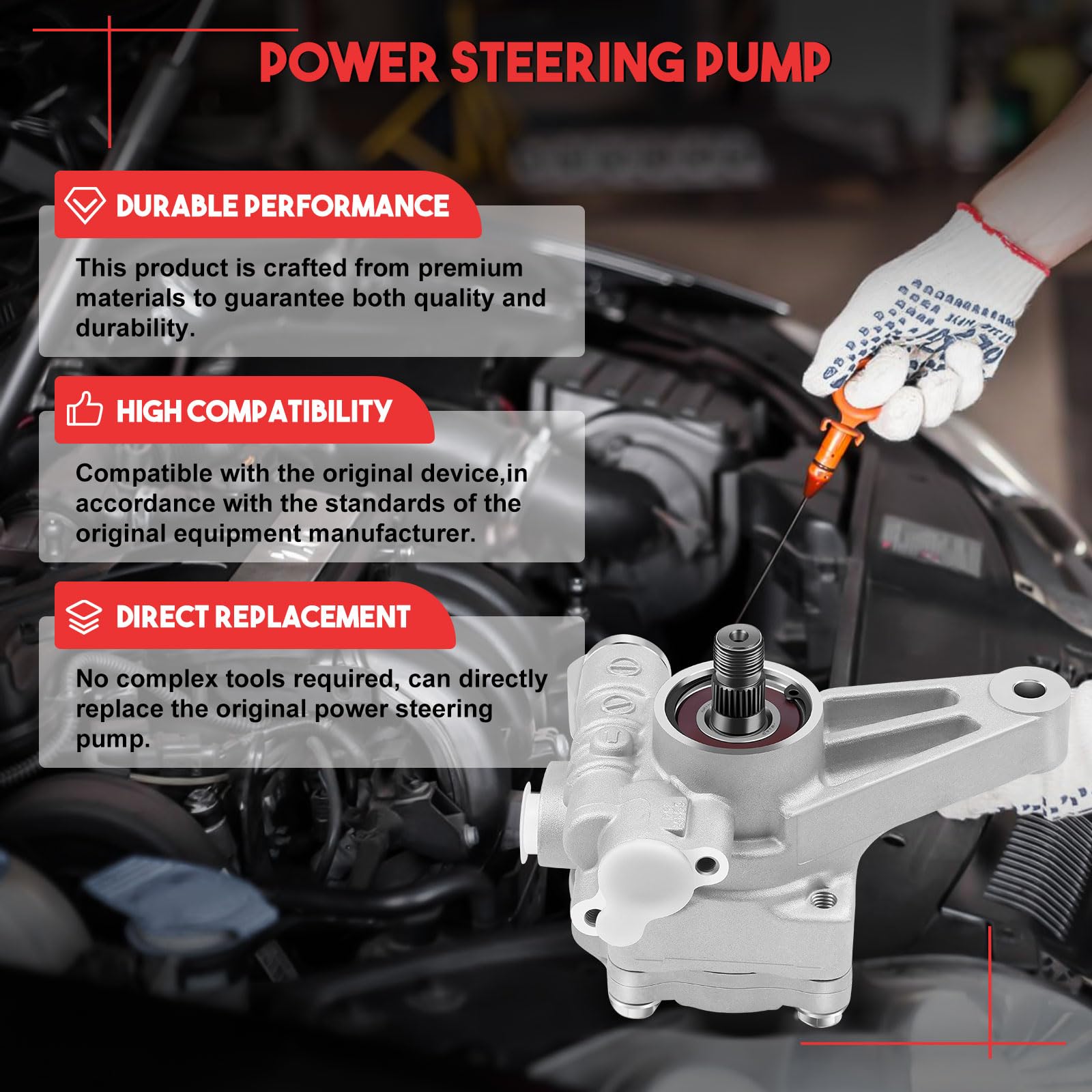
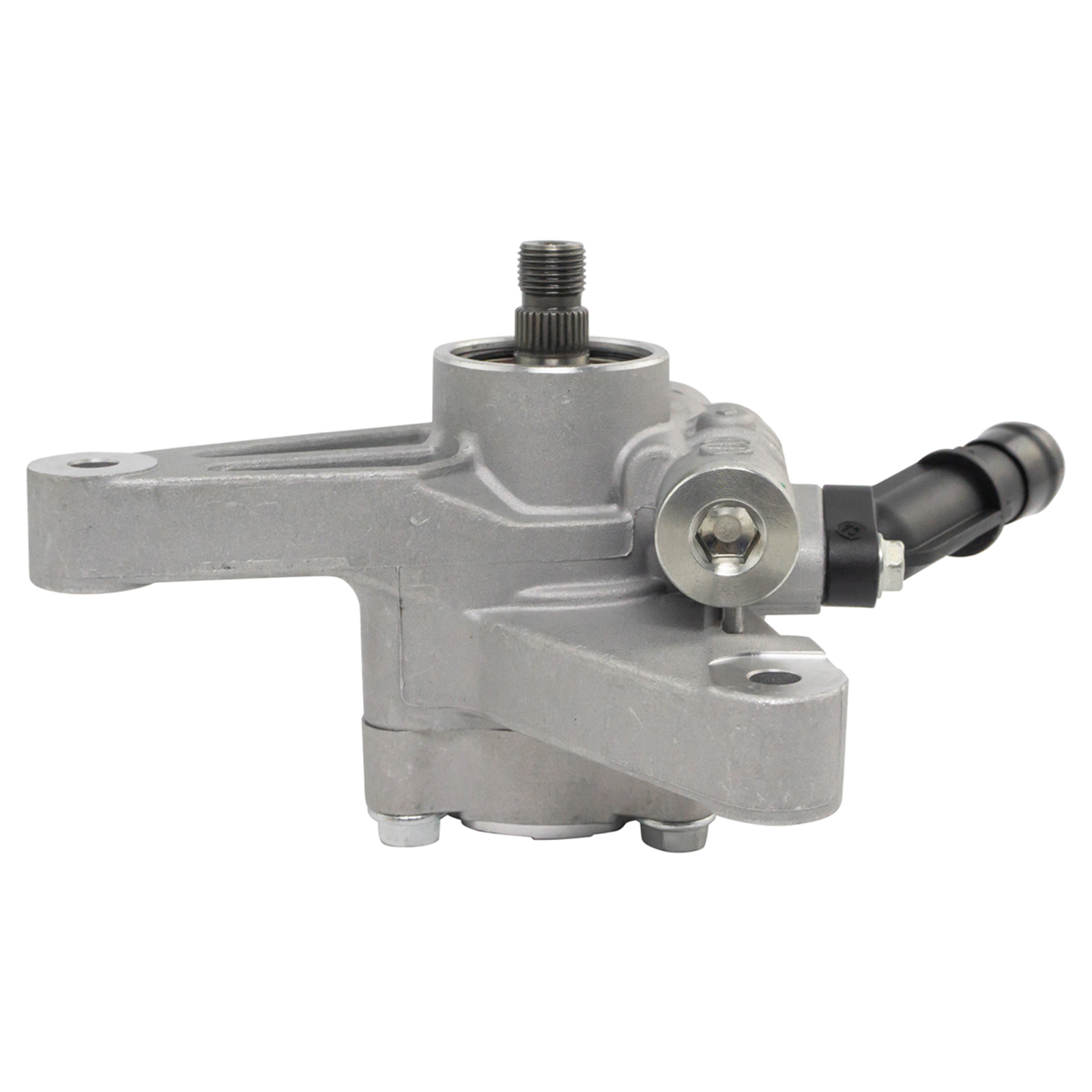
The 2006 Acura TL remains a highly regarded sedan, but as these vehicles age, the power steering pump is a common point of failure, often manifesting as a whining noise or leaking fluid. Replacing the pump typically costs between $450 and $950 depending on whether you choose OEM or aftermarket parts and professional installation versus a DIY approach.
Understanding the Power Steering System in the 2006 Acura TL
The 2006 Acura TL utilizes a hydraulic power steering system powered by an engine-driven pump. As the vehicle reaches the two-decade mark, the rubber seals within the pump frequently degrade, leading to fluid leaks that can coat the engine bay or, more critically, allow air to enter the system. This aeration is the primary cause of the iconic "whining" sound heard during steering maneuvers, particularly when the engine is cold.
Unlike modern electronic power steering (EPS) systems, which rely on electric motors, this hydraulic setup provides a specific, weighted steering feel that many enthusiasts still value. However, the reliance on fluid pressure means that maintaining the pump is essential for the longevity of the steering rack. If a failing pump is left unchecked, metal shavings from the failing internal vanes can circulate into the steering rack, turning a manageable pump replacement into a significantly more expensive rack-and-pinion overhaul.
Cost Analysis: Professional Repair vs. DIY
When budgeting for a power steering pump replacement in 2026, costs fluctuate based on three primary factors: the quality of the replacement component, the hourly labor rate of your chosen mechanic, and the condition of ancillary parts like high-pressure hoses and O-rings.
| Service Level | Estimated Cost (Parts & Labor) | Time Requirement | Expertise Needed |
|---|---|---|---|
| Dealership Service | $850 – $1,150 | 3–4 Hours | Professional |
| Independent Shop | $500 – $800 | 3–4 Hours | Professional |
| DIY (OEM Part) | $250 – $400 | 4–6 Hours | Intermediate |
| DIY (Aftermarket) | $150 – $250 | 4–6 Hours | Intermediate |
Professional Service: Going through an Acura dealership ensures the use of genuine OEM (Original Equipment Manufacturer) parts, which are engineered specifically for the J32 V6 engine found in the 2006 TL. While this is the most expensive route, it typically includes a warranty on both the part and the labor.
Independent Repair: Experienced independent shops often provide better value. Many will allow you to bring your own high-quality remanufactured pump, though they may limit their warranty to labor only in these instances.
DIY Approach: For the home mechanic, this is a moderate-difficulty task. The primary challenge is not the pump itself, but the tight access near the timing belt cover and the necessity of properly "bleeding" the system to remove trapped air.
Step-by-Step Replacement Procedure
Before beginning, ensure you have Honda/Acura genuine power steering fluid. Using generic "universal" power steering fluid can cause seal swelling and premature failure in Acura components due to their specific chemical requirements.
- Preparation: Park on a level surface, engage the parking brake, and disconnect the negative battery terminal to prevent accidental shorts. Place a drip tray under the pump area.
- Fluid Evacuation: Use a turkey baster or syringe to remove as much fluid as possible from the reservoir. This minimizes the mess during hose removal.
- Belt Removal: You must release tension on the serpentine belt. Use a belt tensioner tool to rotate the tensioner pulley and slide the belt off the power steering pump pulley.
- Hose Disconnection: Carefully disconnect the high-pressure line and the return hose. Be prepared for residual fluid drainage. Replace the copper crush washers on the high-pressure banjo bolt; reusing them is a leading cause of post-repair leaks.
- Pump Removal: Unbolt the pump from the engine bracket. Ensure you track the bolt lengths, as they may differ.
- Installation: Bolt the new pump into position. Reattach the hoses with new O-rings and crush washers.
- Bleeding the System: Once reassembled and filled with fresh fluid, start the engine and slowly turn the steering wheel from lock-to-lock multiple times while the vehicle is jacked up. This forces trapped air back into the reservoir. Check the fluid level frequently and top off as needed.
Future Outlook and Sustainability for the 2006 Model Year
In 2026, the 2006 Acura TL is considered a modern classic. From a maintenance perspective, parts availability remains robust because the J32 engine and its associated hydraulic systems were shared across multiple Honda and Acura platforms throughout the mid-2000s.
The "future outlook" for these steering components is stable, but owners should be aware of the "O-ring fix." Often, a whining pump in an Acura TL is not suffering from internal mechanical failure but from a hardened O-ring on the suction (inlet) side of the pump. This allows air to be sucked into the system. Replacing just this O-ring costs less than $5 and can restore the pump to perfect operation. Before committing to a full pump replacement, diagnostic verification of the inlet O-ring is a critical money-saving step.
As these vehicles reach higher mileage, the risk of hose deterioration increases. If you are replacing the pump, it is highly recommended to inspect the high-pressure rubber hose for "weeping" or cracking. Replacing the hose concurrently with the pump is an excellent preventive maintenance practice that avoids the need to bleed the system twice.
FAQ: Common Concerns
How can I tell if I need a new pump or just an O-ring? If the whining stops momentarily after topping off the fluid or is significantly worse in cold weather, it is often a sign of air ingestion through the inlet O-ring. A truly failing pump will usually exhibit mechanical grinding or metal debris visible in the fluid.
Is it safe to drive with a noisy power steering pump? It is generally safe for short durations, but it is not recommended. A pump that is struggling can overheat the fluid, causing it to break down and damage the internal seals of the power steering rack, which is significantly more expensive to replace than the pump.
Do I need an alignment after replacing the power steering pump? No, replacing the power steering pump does not affect the suspension geometry or steering alignment. You do not need an alignment unless you disturb the tie-rod ends or steering rack mounting bolts.
Are remanufactured pumps as reliable as new ones? Quality varies. It is recommended to use reputable brands that specialize in OE-level remanufacturing rather than the cheapest generic options found on online marketplaces, which often have high "out-of-box" failure rates.
What happens if I use generic power steering fluid? Honda and Acura power steering seals are sensitive to the additives in generic fluids. Using the wrong type of fluid can cause the seals to shrink or harden, leading to leaks within weeks of the replacement. Always use OEM Honda fluid.
Final Recommendation
If you notice the tell-tale whine, start by inspecting the inlet O-ring. If the pump is confirmed to be failing, the most cost-effective path is purchasing a high-quality remanufactured unit from an established parts supplier and having an independent shop perform the installation. Ensure they replace the crush washers and fresh fluid to protect the remainder of your steering system. Treating this as an immediate maintenance task rather than a long-term problem will preserve the steering rack and keep your 2006 Acura TL driving with its characteristic precision.