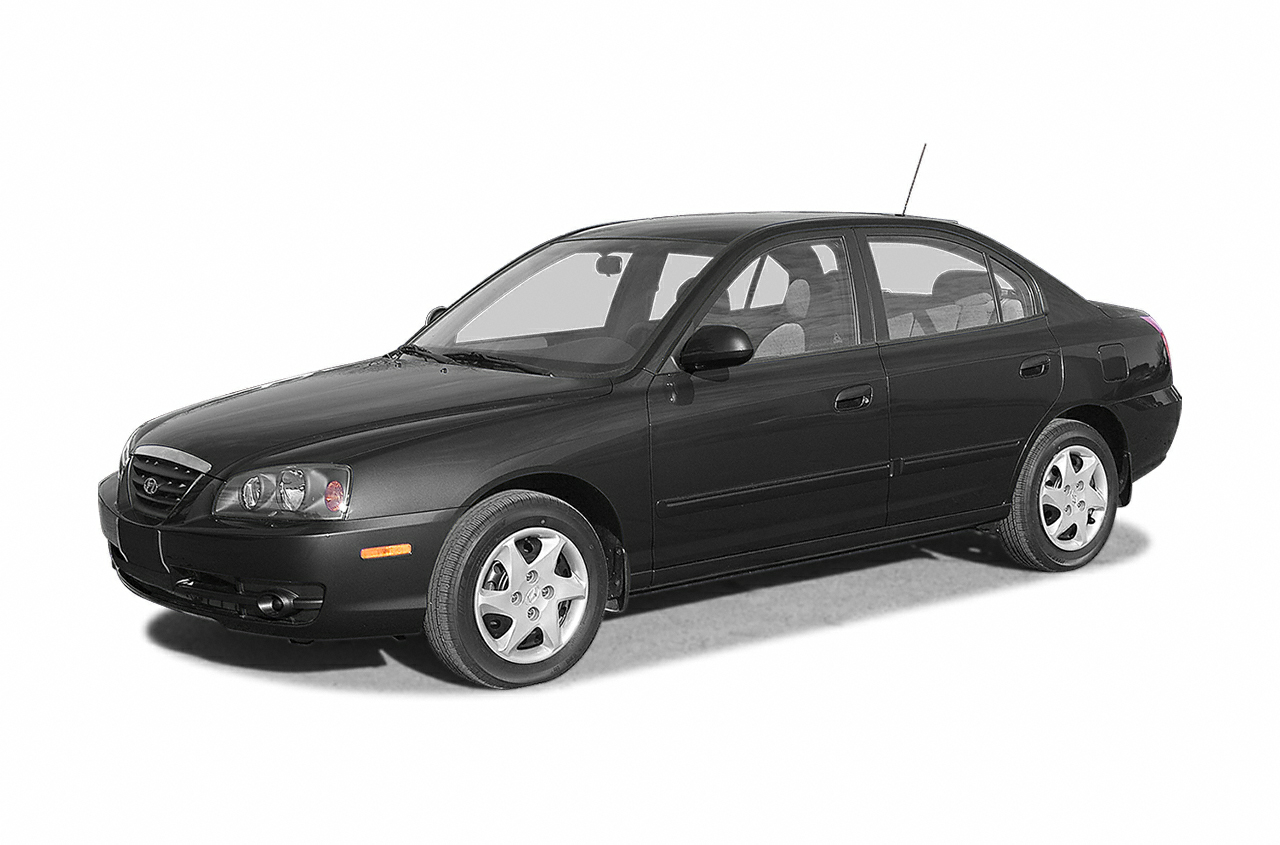
The 2005 Hyundai Elantra GLS offers solid value for budget-conscious drivers by combining dependable mechanical performance, an unexpectedly spacious interior, and rock-bottom maintenance costs. As a smart choice for daily commuting or first-time buyers, this generation of the Elantra proves that affordable transportation does not have to mean sacrificing reliability or basic comfort.
When evaluating affordable used cars, buyers often face a dilemma: purchase an aging, high-status vehicle that demands expensive repairs, or buy a modest economy car that feels flimsy and unrefined. The 2005 Hyundai Elantra GLS—the higher of the two trim levels offered that year, sitting above the base standard model—carves out a compelling middle ground. It delivers dependable daily transportation, decent fuel economy, and standard features that make everyday driving comfortable. Understanding why this specific model year continues to hold its ground requires a closer look at its engineering, everyday performance, ownership costs, and overall market position.
Historical Context and Positioning of the 2005 Hyundai Elantra GLS
By 2005, South Korean automaker Hyundai had firmly shed its 1990s reputation for budget-compromised build quality. The third-generation Elantra, produced from roughly 2001 through 2006 with a mid-cycle refresh for the 2004 model year, represented a major turning point for the brand. Hyundai engineered this iteration to compete directly with established compact titans like the Honda Civic and Toyota Corolla.
The GLS trim was the volume seller for the lineup, available in both sedan and 5-door hatchback (often called the GT, though the GLS nomenclature defined the core sedan and general styling packages). Choosing the GLS meant buyers stepped up from crank windows and manual mirrors to a well-equipped package that included power windows, power door locks, air conditioning, remote keyless entry, and cruise control. This generational maturity means that a 2005 model benefits from mid-lifecycle updates that resolved many of the electrical and transmission gremlins plaguing the earliest 2001 and 2002 versions.
Powertrain and Mechanical Performance
Under the hood, every 2005 Hyundai Elantra GLS carries a 2.0-liter, naturally aspirated "Beta II" four-cylinder engine. This powerplant utilizes dual overhead cams (DOHC) and CVVT (Continuously Variable Valve Timing), generating 138 horsepower at 6,000 rpm and 136 lb-ft of torque at 4,500 rpm.
While these figures will not win any track events, the engine is remarkably eager in city traffic. It pairs with either a 5-speed manual transmission or a 4-speed automatic transaxle. The manual transmission offers a more engaging drive and maximizes the modest power output, whereas the automatic transmission provides smooth, predictable shifts well-suited for heavy commuter traffic.
Fuel economy remains a core pillar of the vehicle's value proposition. Drivers can realistically expect EPA ratings in the range of 24 to 27 mpg in city driving and 32 to 34 mpg on the highway, depending on transmission choice and vehicle maintenance history. In an era of fluctuating fuel prices, this efficiency keeps operational expenses exceptionally low.
Engine Architecture and Maintenance Realities
The Beta II engine is widely regarded by mechanics as a robust, non-interference design in earlier iterations, but the 2005 model features a timing belt that must be serviced at regular intervals—typically every 60,000 miles. Neglecting this maintenance item risks catastrophic engine damage if the belt snaps.
Fortunately, engine bays from this era are exceptionally spacious by modern standards. DIY mechanics will find spark plugs, drive belts, fluid reservoirs, and filters easily accessible, which drastically reduces labor costs at independent repair shops.
Interior Comfort, Space, and Practicality
One of the most surprising attributes of the 2005 Elantra GLS is its interior volume. Classified by the EPA as a compact car, its interior dimensions often punch above its weight class, crossing into mid-size interior territory under older EPA interior volume guidelines.
| Feature / Specification | 2005 Hyundai Elantra GLS | Typical Competitor (2005 Era) |
|---|---|---|
| Engine | 2.0L 4-Cylinder (138 hp) | 1.8L / 1.7L 4-Cylinder (115–127 hp) |
| EPA Passenger Volume | ~95.3 cubic feet | ~91–93 cubic feet |
| Trunk Cargo Space | 12.9 cubic feet | 11.5–12.5 cubic feet |
| Standard GLS Features | Power windows, locks, keyless entry, AC | Manual windows and locks (base models) |
| Fuel Economy (Combined) | ~27–29 MPG | ~28–30 MPG |
Front-seat passengers enjoy generous head and legroom, accommodating taller drivers comfortably. The rear seats offer ample room for adults on short trips and easily fit child safety seats. The trunk provides 12.9 cubic feet of usable storage space, supplemented by 60/40 split-folding rear seatbacks that allow owners to transport bulky items like bicycles or small furniture pieces.
Materials inside the cabin lean toward utilitarian plastics, but the build quality is durable. Buttons and switches possess a tactile weight, and the dashboard layout avoids overly complex digital interfaces, relying instead on straightforward rotary knobs for climate control and large, legible analog gauges.
Ride Quality and Handling Dynamics
The 2005 Elantra GLS utilizes a fully independent suspension system—MacPherson struts up front and a multi-link setup in the rear. This engineering choice is notable because many budget competitors of the era relied on cheaper twist-beam rear axles.
The result is a compliant, comfortable ride that absorbs road imperfections, potholes, and expansion joints with unexpected composure. Handling is predictable and secure, leaning toward understeer when pushed hard through corners, which is entirely appropriate for an economy commuter car. Steering is light and assisted, making parallel parking and tight maneuvers effortless. Cabin noise at highway speeds is present, driven by wind rush around the pillars and tire hum, but it remains acceptable for a vehicle in this price bracket.
Ownership Costs and Long-Term Reliability
The true driver behind the statement that the 2005 Hyundai Elantra GLS offers solid value is its low total cost of ownership. Beyond initial purchase pricing, several financial factors keep expenses manageable:
- Insurance Premiums: Because safety features on older cars are basic (typically dual front airbags and optional front side-impact airbags) and replacement values are low, comprehensive and collision insurance rates are typically minimal.
- Parts Availability: Millions of these vehicles were manufactured, meaning aftermarket replacement parts, body panels, and suspension components are widely available at very low prices through local auto parts stores and online retailers.
- Depreciation Curve: Having already depreciated past the steepest part of its curve, a well-maintained 2005 Elantra retains its residual market value remarkably well if kept mechanically sound and clean.
Common Issues and What to Inspect Before Buying
While the 2005 Elantra GLS is durable, age introduces specific wear items that prospective buyers must inspect carefully:
- Timing Belt History: As noted, verify when the timing belt was last replaced. If the seller cannot provide documented proof, assume it needs immediate replacement and factor that cost into the purchase price.
- Valve Cover Gaskets: The rubber gasket sealing the valve cover tends to harden and leak oil into the spark plug wells over time, causing misfires. This is an inexpensive, simple fix but a common symptom of deferred maintenance.
- Suspension Wear: Clunks or rattles over bumps usually indicate worn-out sway bar links, control arm bushings, or struts, which are standard wear items for a vehicle of this age.
- Rust Inspection: Depending on where the car spent its life, check rocker panels, wheel arches, and subframes for excessive corrosion, particularly in regions that salt roads during winter.
Frequently Asked Questions
Is the 2005 Hyundai Elantra GLS a reliable first car?
Yes, it makes an excellent first car due to its predictable handling, affordable maintenance, and straightforward mechanical layout. Its lack of complex technology minimizes distractions, while its low cost ensures minor parking lot dings or scrapes will not result in financial disaster.
What kind of fuel does the 2005 Hyundai Elantra GLS require?
The 2005 Elantra GLS runs entirely on standard 87-octane regular unleaded gasoline. There is no performance or efficiency benefit to using premium fuel in its naturally aspirated 2.0-liter engine.
Does the 2005 Elantra GLS have anti-lock brakes (ABS)?
Anti-lock brakes were optional on the GLS trim rather than standard equipment. When inspecting a specific vehicle, check the engine bay for the ABS modulator block or look for an ABS warning light during the ignition key cycle to confirm whether that particular unit is equipped with the safety package.
How many miles can a 2005 Hyundai Elantra GLS last?
With consistent oil changes, timely coolant flushes, and proper timing belt replacements, it is common for these engines to surpass 200,000 miles. Total vehicle longevity usually depends more on rust prevention and transmission health than engine durability.
Final Recommendation
For buyers seeking dependable, low-cost transportation without electronic complexity, the 2005 Hyundai Elantra GLS remains a stellar option. Prioritize vehicles with documented maintenance records, verify the condition of the timing belt and suspension components, and you will secure a practical commuter that stretches every dollar.