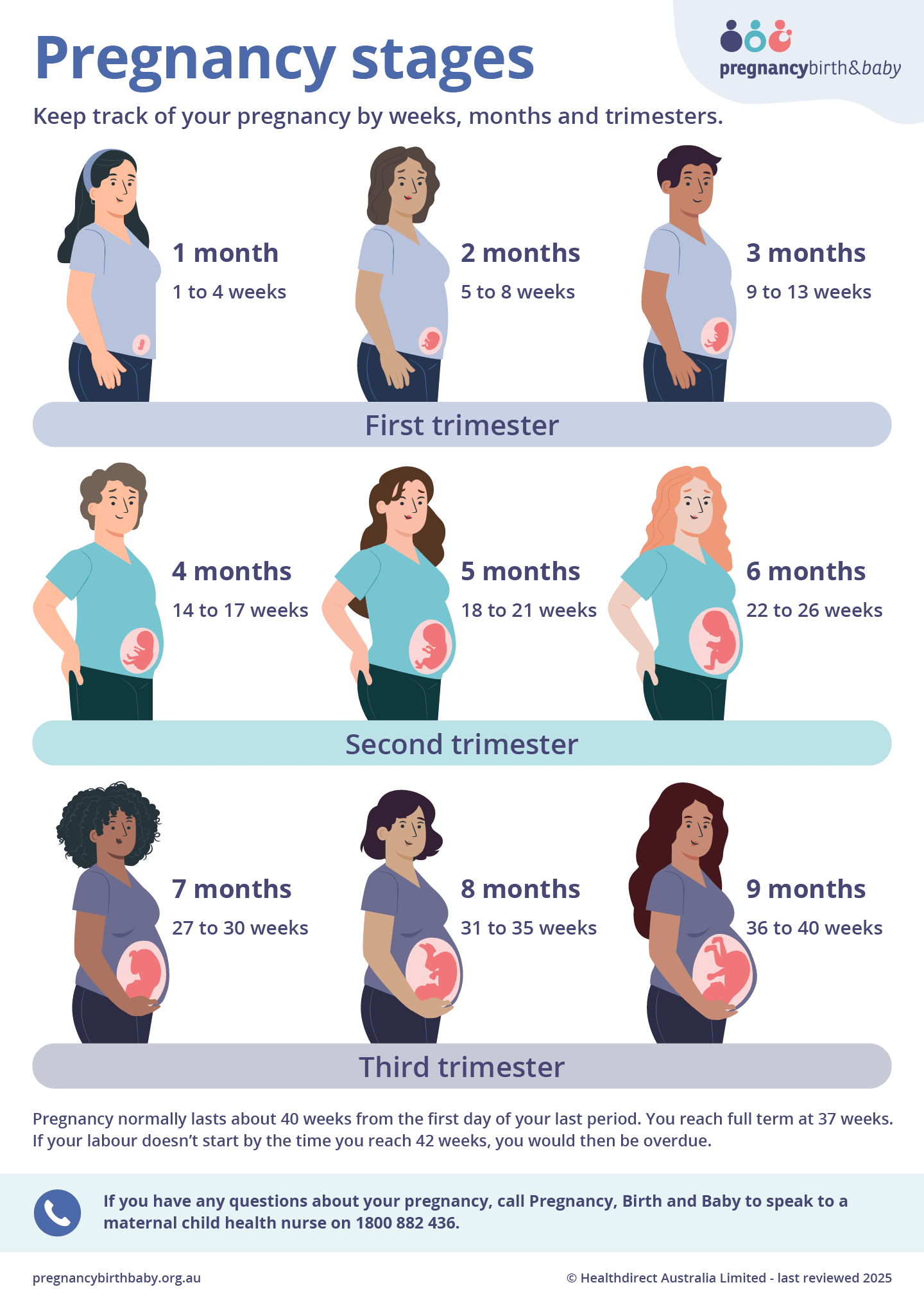
At 20 weeks pregnant, you are officially at the halfway point of your pregnancy, situated squarely in the middle of the second trimester. This milestone represents a period of significant fetal growth, the critical mid-pregnancy anatomy scan, and often the peak of the "pregnancy glow" before the physical demands of the third trimester begin.
Navigating the Second Trimester: The 20-Week Landmark
The 20-week mark is widely celebrated as the "halfway home" point. In a standard 40-week gestation period, reaching 20 weeks means you have completed five months of pregnancy. For many, this is the most comfortable phase of the entire journey. The morning sickness of the first trimester has usually subsided, and the heavy physical discomfort of the third trimester is still a few weeks away.
In 2026, prenatal care continues to emphasize this period as the "Golden Quarter." Modern medical guidelines from organizations like the American College of Obstetricians and Gynecologists (ACOG) highlight the second trimester, specifically weeks 13 through 27, as a vital window for monitoring both maternal metabolic health and fetal structural development. Because your energy levels are typically higher now, it is also the primary timeframe recommended for making major lifestyle adjustments, such as establishing a consistent prenatal exercise routine or finalizing birth plans.
Understanding where you stand in the trimester timeline helps in managing expectations. At 20 weeks, your uterus has risen to the level of your navel (umbilicus). This measurement, known as fundal height, is a standard metric used by healthcare providers to ensure the baby is growing at a consistent rate. From this point forward, the fundal height in centimeters usually matches the number of weeks you are pregnant, give or take a centimeter or two.
Fetal Development at 20 Weeks: The Anatomy and Senses
Your baby is no longer a tiny embryo; at 20 weeks, they are roughly the size of a banana or a large sweet potato. Measuring approximately 10 inches from head to heel and weighing about 10 to 11 ounces, the fetus is becoming increasingly proportionate.
The Development of the Senses
One of the most remarkable changes occurring at the 20-week mark is the refinement of the baby's senses. The brain is designating specialized areas for smell, taste, hearing, vision, and touch. While their eyes remain fused shut, the baby can perceive light changes outside the womb. More importantly, the ears are now fully developed, meaning the baby can hear your heartbeat, the rushing of blood through the placenta, and the muffled sound of your voice.
Protective Coatings: Vernix and Lanugo
At this stage of the second trimester, the baby's skin is covered in a white, waxy substance called vernix caseosa. This coating serves a dual purpose: it protects the delicate skin from becoming chapped by long-term exposure to amniotic fluid and acts as a lubricant to aid in the eventual passage through the birth canal. Beneath the vernix is a layer of fine, downy hair called lanugo, which helps hold the vernix against the skin and provides a layer of warmth before the baby develops significant body fat.
Movement and "Quickening"
For many first-time parents, 20 weeks is the timeframe when fetal movements become unmistakable. This sensation, known as quickening, may have started as "butterflies" or "bubbles" earlier in the trimester, but by week 20, the baby’s muscles are strong enough—and their nervous system coordinated enough—for you to feel distinct kicks, turns, and even hiccups. If you haven't felt movement yet, do not panic; factors such as the position of the placenta (anterior vs. posterior) can muffle these early sensations.
The Mid-Pregnancy Anatomy Scan (Level II Ultrasound)
Perhaps the most significant medical event of the 20-week trimester milestone is the anatomy scan, also known as a Level II ultrasound. This detailed imaging session usually takes between 45 and 75 minutes and is a comprehensive head-to-toe check of the baby’s development.
What the Sonographer Examines
The primary goal of this scan is to verify that the baby’s organs are forming correctly. The technician will look at:
- The Heart: Checking for four distinct chambers and proper blood flow.
- The Brain: Ensuring the ventricles and cerebellum are developing within normal parameters.
- The Spine: Verifying that the vertebrae are aligned and the skin covers the spine completely.
- The Kidneys and Bladder: Confirming the baby is processing amniotic fluid correctly (swallowing and urinating).
- The Extremities: Counting fingers and toes and measuring the length of the femur (thigh bone) to ensure growth is on track.
The Placenta and Cervix
The anatomy scan isn't just about the baby. The sonographer will also check the location of the placenta. If the placenta is sitting low (placenta previa), your doctor will monitor it closely, as it often moves upward as the uterus expands. Additionally, they will measure the length of your cervix to ensure it is closed and firm, which is a key indicator for preventing preterm labor.
Finding Out the Biological Sex
While not medically necessary, the 20-week scan is usually the time when parents can find out the biological sex of the baby. By this stage, the external genitalia are clearly formed and visible on high-resolution ultrasound, provided the baby is in a cooperative position.
Maternal Changes: Symptoms and Body Shifts
As you move through the middle of the second trimester, your body undergoes significant physiological shifts to accommodate the growing fetus and the increased blood volume required to support it.
The "Popping" Belly and Skin Changes
Around 20 weeks, the uterus reaches the navel, often causing the belly to "pop" and become clearly visible to others. This rapid expansion can lead to stretch marks (striae gravidarum) on the abdomen, hips, and breasts. While genetics play the largest role in stretch marks, keeping the skin hydrated can alleviate the itching associated with skin stretching.
You may also notice the linea nigra, a dark vertical line running down the center of your abdomen. This is caused by pregnancy hormones stimulating melanin production and typically fades after delivery. Similarly, increased pigmentation may appear on the face, a condition known as melasma or the "mask of pregnancy."
Common Physical Discomforts
Despite the "Golden Quarter" reputation, 20 weeks can bring specific discomforts:
- Lower Back Pain: As your center of gravity shifts forward, your lower back arches more to compensate, putting strain on the muscles. The hormone relaxin also begins to loosen your ligaments, particularly in the pelvic area, which can lead to instability and soreness.
- Leg Cramps: Often occurring at night, these painful spasms are thought to be linked to changes in calcium and phosphorus processing or pressure on the nerves from the growing uterus.
- Edema (Swelling): You might notice your shoes feeling tighter. Mild swelling in the ankles and feet is common as your body retains more fluid and blood flow from the lower extremities is slightly restricted.
- Shortness of Breath: Even at 20 weeks, your internal organs are being pushed upward. Your lungs may have less room to expand fully, leading to a sensation of breathlessness during physical activity.
Nutrition and Wellness Guidelines for 2026
In 2026, prenatal wellness emphasizes a "food-first" approach supplemented by targeted micronutrients. As you enter the second half of pregnancy, your caloric needs increase by approximately 300 to 350 calories per day, but the quality of those calories is what matters most for fetal brain and bone development.
The Importance of Iron
By 20 weeks, your blood volume has increased by nearly 50%. This requires a significant amount of iron to produce hemoglobin, the protein in red blood cells that carries oxygen to your baby. Iron-deficiency anemia is common at this stage and can lead to extreme fatigue. Focus on lean red meats, spinach, lentils, and iron-fortified cereals, and always pair plant-based iron sources with Vitamin C to enhance absorption.
Calcium and Bone Health
Your baby is currently ossifying their skeleton (turning cartilage into bone). If you do not consume enough calcium, your body will actually leach it from your own bones to provide for the baby. Aim for 1,000mg of calcium daily through dairy, fortified plant milks, sardines, or leafy greens.
Modern Activity Recommendations
The 2026 guidelines for prenatal exercise suggest 150 minutes of moderate-intensity aerobic activity per week. Activities like prenatal yoga, swimming, and brisk walking are ideal at 20 weeks. These help manage weight gain, improve mood, and strengthen the muscles needed for labor. However, avoid exercises that involve lying flat on your back for extended periods, as the weight of the uterus can compress the vena cava, reducing blood flow to you and the baby.
Comparison of Pregnancy Trimesters
To better understand the context of the 20-week milestone, the following table compares the key characteristics of the three trimesters as defined in modern clinical practice.
| Feature | First Trimester (Weeks 1-12) | Second Trimester (Weeks 13-27) | Third Trimester (Weeks 28-40+) |
|---|---|---|---|
| Main Focus | Organogenesis (Formation) | Growth and Maturation | Weight Gain and Prep |
| Key Medical Check | NIPT / First Trimester Screen | Anatomy Scan (Week 20) | GBS / Glucose Screen |
| Baby's Size | Seed to Lime | Lemon to Cauliflower | Eggplant to Watermelon |
| Common Symptom | Nausea and Fatigue | Energy Boost / "Glowing" | Reflux and Pelvic Pressure |
| Uterine Position | Hidden in Pelvis | At Navel (Week 20) | High under the Ribs |
| Fetal Movement | Generally not felt | Quickening (Week 18-22) | Strong Kicks / Rolls |
Frequently Asked Questions
Is 20 weeks considered 5 months pregnant?
Yes, technically. While pregnancy is 40 weeks long, it doesn't divide perfectly into nine calendar months. By the time you finish week 20, you have completed five lunar months (4-week blocks) and are entering your sixth month. In terms of the standard calendar, you are roughly four and a half months pregnant.
What if I haven't felt the baby move by 20 weeks?
While many feel movement by now, it is not uncommon for first-time parents or those with an anterior placenta (where the placenta sits between the baby and your skin) to wait until week 22 or 23 to feel distinct kicks. If your 20-week ultrasound shows a healthy, active baby, there is generally no cause for concern regarding the lack of felt movement.
How much weight should I have gained by 20 weeks?
Weight gain varies based on your pre-pregnancy BMI. However, for a person of average starting weight, a gain of approximately 10 to 15 pounds is typical by the 20-week mark. From here on out, a steady gain of about one pound per week is often recommended by healthcare providers.
Can the baby hear my voice at this stage?
Yes. The structural components of the inner ear and the brain's auditory cortex are sufficiently developed by 20 weeks for the baby to process sounds. Studies suggest that newborns can recognize the melody and rhythm of voices or music they heard frequently while in the womb.
Why am I experiencing "Mom Brain" or forgetfulness?
"Pregnancy brain" is a documented phenomenon likely caused by a combination of high progesterone and estrogen levels, lack of sleep, and the significant psychological shift of preparing for parenthood. At 20 weeks, as the reality of being halfway through sets in, the mental load can often lead to mild forgetfulness or "fogginess."
Recommended Next Actions
Reaching the 20-week milestone is an ideal time to pivot from "surviving" pregnancy to "preparing" for the arrival. Use the energy of the second trimester to complete the following tasks:
- Schedule a Pediatrician Interview: Many highly-rated pediatric practices fill up quickly. Start looking for a provider who aligns with your medical philosophies.
- Begin Pelvic Floor Physical Therapy: In 2026, pelvic floor health is recognized as a preventative measure. Starting exercises now can help prevent incontinence and aid in postpartum recovery.
- Review Birth Preferences: While the actual birth is still months away, 20 weeks is the right time to research different birthing options (hospital, birth center, or home) and discuss them with your partner and provider.
- Register for Classes: Sign up for infant CPR, breastfeeding, and childbirth education classes. These often have waitlists, and you’ll want to complete them before the fatigue of the third trimester sets in.