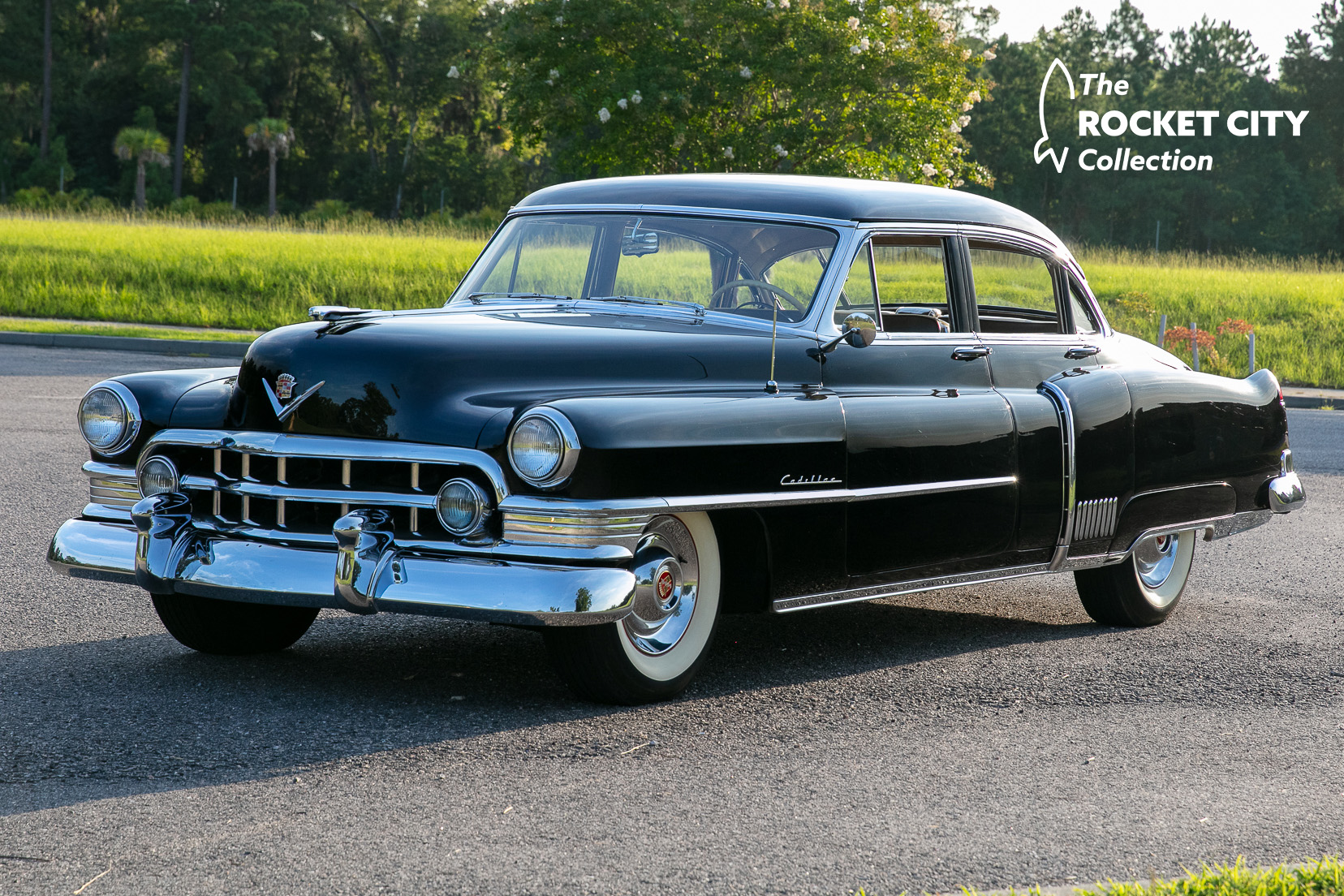
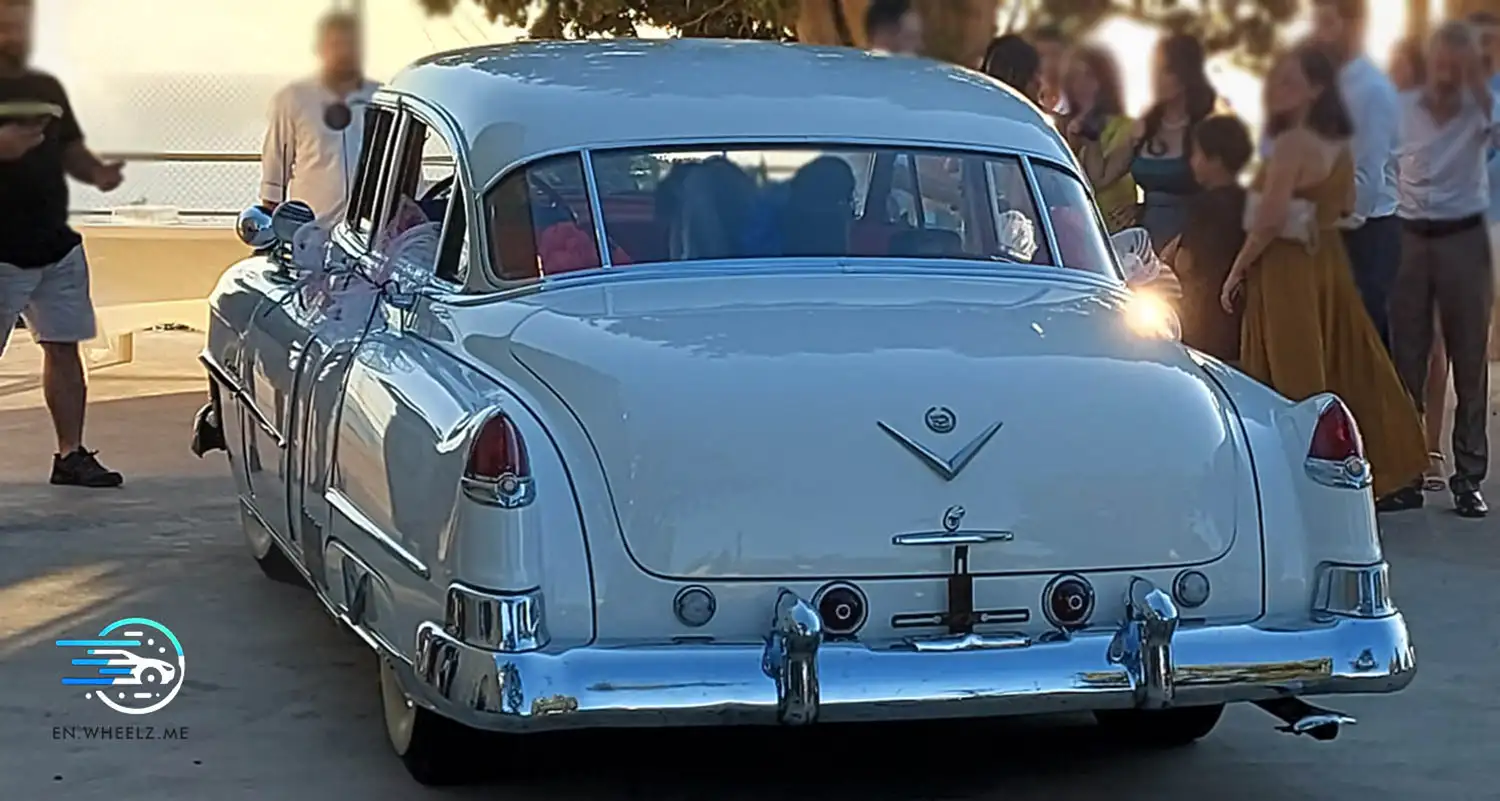
The 1950 Cadillac Fleetwood Series 60 Special represents a pivotal moment in American automotive design, blending post-war optimism with the refined engineering that cemented Cadillac as the "Standard of the World." For the discerning collector, this vehicle offers a rare combination of prestige, historical significance, and a distinct driving experience that modern vehicles cannot replicate.
The Significance of the 1950 Cadillac Fleetwood
The 1950 model year arrived at a time when Cadillac was transitioning from the rounded, pontoon-fender designs of the late 1940s to the more streamlined, integrated silhouettes that would define the 1950s. The Series 60 Special, often referred to as the Fleetwood, was the marque’s top-tier sedan, distinguished by its chrome moldings, luxurious interior appointments, and the iconic "wraparound" rear window design that became a hallmark of the era.
For the right collector, the 1950 Fleetwood is not merely a car; it is an artifact of the "Harley Earl era" of General Motors design. Its aesthetic appeal lies in the restrained use of tailfins—which were still in their infancy—and the substantial, authoritative presence of the front grille. Unlike the later, more flamboyant models of the mid-50s, the 1950 Fleetwood maintains a level of elegance and proportion that appeals to enthusiasts who value classic styling over excessive ornamentation.
Engineering Excellence: The High-Compression OHV V8
The most significant technical attribute of the 1950 Cadillac is its powerplant. By 1950, Cadillac had fully transitioned to its overhead valve (OHV) V8 engine, which had been introduced in 1949. This 331-cubic-inch engine was revolutionary for its time, offering a high-compression ratio that delivered superior power and efficiency compared to the flathead V8s used by competitors.
For the collector, this engine is a milestone in automotive history. It established a layout that would dominate American performance for decades. Maintaining this engine in 2026 requires access to specialized knowledge, as the nuances of the early GM Hydramatic transmission and the specific vacuum-operated accessories require an understanding of mid-century mechanical systems. However, parts availability remains relatively strong due to the high volume of Cadillac engines produced during this era, allowing the 1950 Fleetwood to remain a functional, drivable classic rather than a static museum piece.
Defining the "Right Collector"
Why is this vehicle considered a "rare luxury" specifically for the "right" collector? The classification stems from the specific demands and rewards associated with the car's ownership.
- Space and Storage Requirements: The 1950 Fleetwood is a substantial vehicle. It requires climate-controlled storage to prevent the deterioration of its extensive brightwork and period-correct interior upholstery.
- Mechanical Stewardship: Owning a 1950 Cadillac is an act of preservation. The "right" collector is one who appreciates the hands-on nature of maintaining vacuum-powered wipers, specialized drum brakes, and early electrical systems.
- Appreciation for Provenance: Prospective owners should prioritize vehicles with documented histories. In 2026, finding a "survivor" or a high-quality professional restoration is essential for long-term value, as the cost of sourcing trim-specific chrome parts can quickly exceed the car’s market valuation.
Key Specifications for Comparison
To assist in evaluating potential acquisitions, collectors should utilize a comparative framework regarding the 1950 Fleetwood series and its contemporaries.
| Feature | 1950 Cadillac Series 60 Special | 1950 Cadillac Series 62 |
|---|---|---|
| Wheelbase | 130 inches | 126 inches |
| Body Style | Custom-trimmed Four-Door Sedan | Standard Four-Door/Coupe |
| Interior Appointments | Deluxe Fabrics/Leather trim | Standard Luxury |
| Chrome/Trim Detail | Extensive, Fleetwood-exclusive | Moderate |
| Production Status | Premium Limited Production | Mass Market Luxury |
Maintenance and Restoration Considerations
As of 2026, the primary challenge in maintaining a 1950 Fleetwood is the preservation of original interior materials and the sourcing of high-quality rubber components. Since these cars utilize a 6-volt electrical system, collectors must be cautious when integrating modern accessories or navigation aids.
When searching for a candidate for purchase, prioritize vehicles that have undergone a frame-off restoration or have been kept in a dry, temperate climate. Common points of failure include:
- The Hydramatic Transmission: While durable, these units require specific fluid types and skilled adjustment to prevent shifting delays.
- Corrosion in the Rocker Panels: Hidden rust in the frame and lower body structure can be costly to remediate.
- Fuel System: The transition to modern fuels can cause issues with older fuel pump diaphragms and carburetor gaskets, necessitating the installation of ethanol-resistant components.
Evaluating Market Value and Investment Potential
Investment-grade examples of the 1950 Cadillac Fleetwood command significant interest at major auctions. Because the car is not as "flashy" as the 1959 models with their massive tailfins, the 1950 model is often viewed as a "driver's luxury car." Value is heavily influenced by the car's authenticity—meaning matching numbers for the engine and chassis—and the condition of the chrome. In the current market, the cost to restore brightwork often surpasses the cost of mechanical repairs, making a car with excellent trim a better financial prospect than one with a "fresh" engine but pitted or rusted exterior accents.
Frequently Asked Questions
What makes the 1950 Cadillac Fleetwood different from other Cadillac models of that year? The Fleetwood Series 60 Special featured a longer wheelbase and higher-level interior trim compared to the entry-level Series 61 or the mid-range Series 62. It was designed to provide a "limousine-style" experience in a self-driven vehicle.
Is the 1950 Cadillac Fleetwood difficult to drive in modern traffic? While it lacks power steering and power brakes—features that became standard later in the decade—the 1950 Fleetwood provides a very smooth ride. It requires a greater following distance for braking, but it is well-suited for cruising on highways and boulevard driving.
Are parts for a 1950 Cadillac still available in 2026? Yes. Due to the high interchangeability of parts between Cadillac, Oldsmobile, and Buick models of that era, mechanical components are readily available through specialty vendors and the Cadillac LaSalle Club.
What should I look for during an inspection? Focus on the health of the 331 V8, the condition of the chrome, and signs of structural rust. Verify that the heater and the complex vacuum-operated window systems, if equipped, are functioning, as repairing these can be labor-intensive.
Should I upgrade to a 12-volt electrical system? Many collectors advise against this. A well-maintained 6-volt system with clean, heavy-gauge cables is perfectly adequate and keeps the vehicle’s electrical architecture original, which is preferred by purists.
Practical Steps for the Aspiring Collector
If you have determined that the 1950 Cadillac Fleetwood is the right fit for your collection, your next action should be to join a dedicated marque organization, such as the Cadillac & LaSalle Club. These organizations provide access to technical databases, expert forums, and specialized insurance contacts that cater to classic vehicle owners.
Before committing to a purchase, hire a professional appraiser who specializes in pre-1960 American luxury cars. A professional inspection can identify hidden issues with the frame or the drivetrain that a casual observer might miss. By focusing on provenance and mechanical authenticity, you can ensure that your 1950 Fleetwood remains a treasured luxury vehicle for years to come.