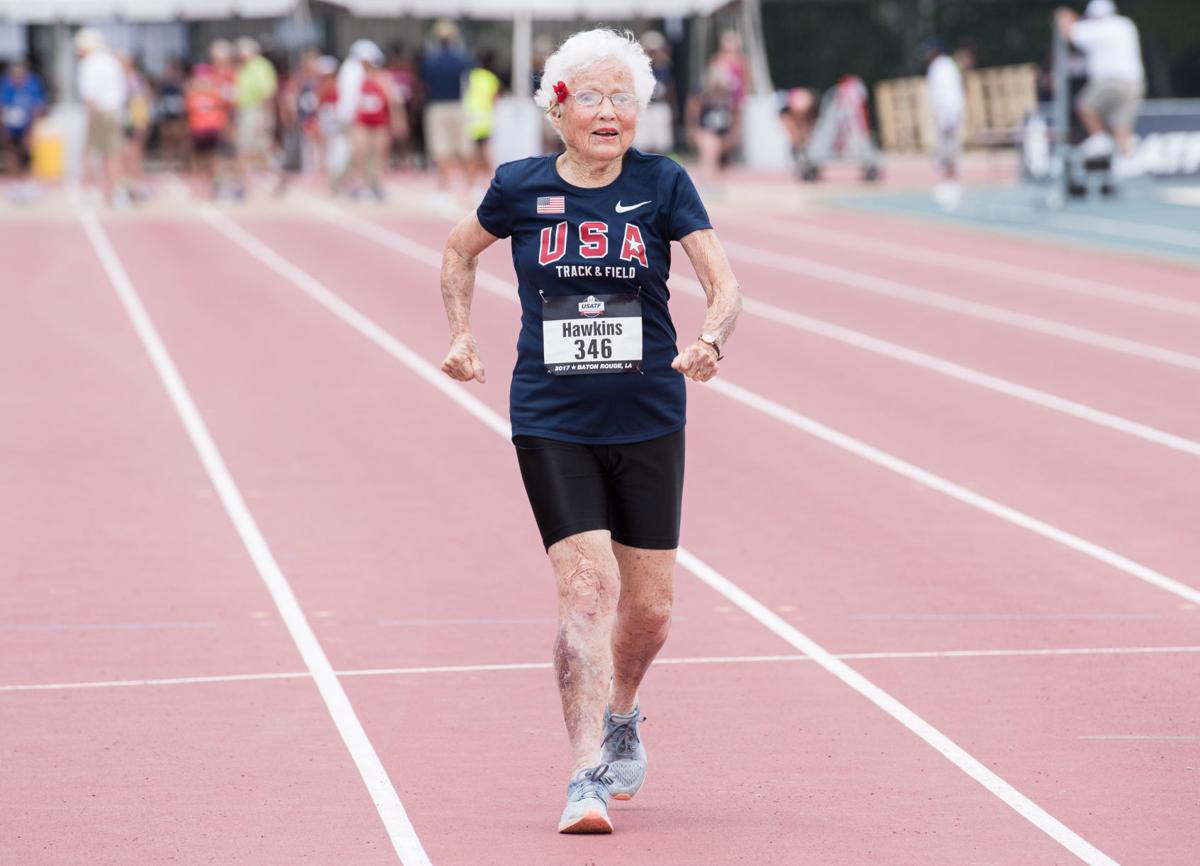
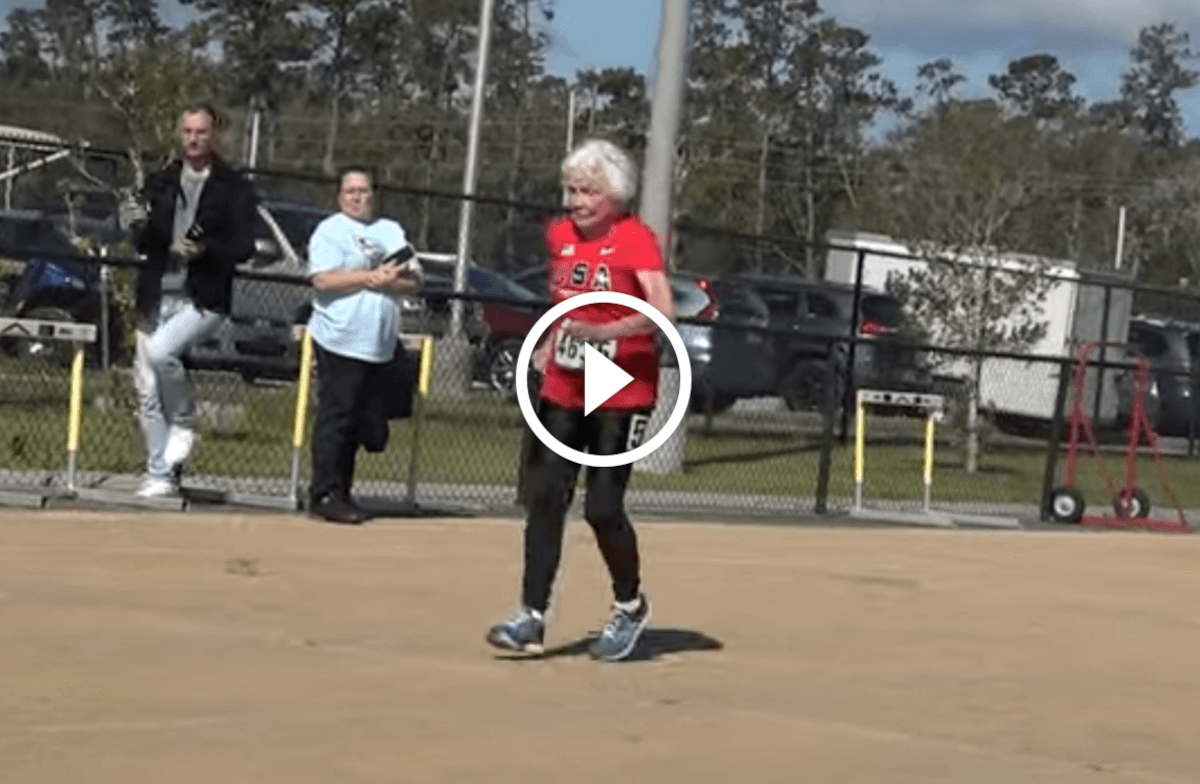
Julia Hawkins achieved a remarkable milestone at the age of 103 by setting world records in masters track and field events, captivating sports enthusiasts worldwide. Known as the "Hurricane," she demonstrated that competitive athletic performance and exceptional cardiovascular fitness are attainable well into advanced centenarian years, redefining societal expectations of aging, physical longevity, and human endurance.
Introduction to Julia Hawkins and Her Athletic Legacy
The name Julia Hawkins became synonymous with extraordinary longevity and competitive drive in the world of masters track and field. When individuals reach advanced ages, physical decline is traditionally assumed to be absolute. However, exceptional athletes challenge these paradigms through sustained physical activity, genetic resilience, and unwavering mental determination.
Julia Hawkins entered the global spotlight not merely for participating in sports at an advanced age, but for actively setting world records in sprinting events sanctioned by official governing bodies. Her achievements provide a unique case study in gerontology, sports science, and the physiology of aging. Examining her journey involves looking at her background, the specific events she dominated, the regulatory standards of masters athletics, and the broader implications of centenarian athletic performance.
Background and Transition to Competitive Running
Before becoming a track and field sensation, Julia Hawkins lived a long and active life centered around gardening, education, and cycling. Born in 1916, she spent decades cultivating a sprawling garden filled with bonsai trees and flowers at her home in Louisiana, a hobby that required sustained physical labor, balance, and endurance.
Her transition into competitive sprinting occurred relatively late in life, a trajectory uncommon even among dedicated masters athletes. At the age of 100, encouraged by her family and inspired by the National Senior Games, she decided to test her speed on a running track. Cycling had long been her primary mode of maintaining cardiovascular health, but sprinting presented a distinct biomechanical and physiological challenge.
Moving from recreational cycling to competitive sprinting required adapting to explosive muscle contractions, fast-twitch muscle fiber recruitment, and precise track mechanics. Her initial foray into the sport demonstrated that her lifelong habits of physical activity had preserved her neuromuscular pathways and cardiovascular capacity to a degree rarely observed in centenarians.
The Milestone at Age 103: Records and Competition
The pinnacle of Hawkins' competitive career materialized in the 100-meter and 50-meter sprint events designed for athletes aged 100 and older. At the National Senior Games held in Albuquerque, New Mexico, she competed in the 100-meter dash for the 100-plus age division.
Running upright with remarkable poise, she crossed the finish line and officially established a world record for women aged 103, clocking a time that stunned spectators and sports statisticians alike. Her performance was officially recognized and documented by organizations that oversee masters track and field records.
| Event Category | Age Division | Location / Venue | Consequential Detail |
|---|---|---|---|
| 50-Meter Dash | 100+ Years | National Senior Games | Set foundational centenarian sprinting benchmarks |
| 100-Meter Dash | 103 Years | Albuquerque, New Mexico | Established recognized world record for age 103 |
| Masters Exhibition | 105+ Years | Senior Games Showcase | Continued competitive participation and media visibility |
This achievement required navigating rigorous competition protocols, medical clearances, and official timing procedures standard in sanctioned masters athletic events.
Physiological and Gerontological Perspectives
The athletic feats of a 103-year-old invite substantial inquiry from sports scientists, physiologists, and medical researchers studying human longevity. Aging typically brings sarcopenia—the gradual loss of muscle mass and function—along with decreased bone density, reduced joint flexibility, and declining maximal oxygen uptake.
Hawkins' ability to defy these standard trajectories highlights several key factors studied in human longevity:
- Neuromuscular Preservation: Maintaining the signaling pathways between the brain and fast-twitch muscle fibers enables explosive movements required in sprinting.
- Cardiovascular Resilience: A lifetime of continuous physical engagement supports capillary density and cardiac output.
- Psychological Drive: Goal-oriented behavior, cognitive engagement, and a positive outlook significantly influence physical vitality in advanced age.
Researchers emphasize that while genetics play a foundational role in achieving centenarian status, lifestyle factors dictate functional capacity. Hawkins' daily routine of gardening, standing, walking, and engaging with her community provided a continuous, low-intensity physical stimulus that protected her musculoskeletal system against accelerated decay.
Comparison of Masters Athletics Age Brackets
Masters track and field is structured into five-year age groups starting from age 35, extending indefinitely upward. However, the 100-plus bracket represents an elite tier where participation numbers drop precipitously.
| Age Bracket | Typical Participation Volume | Physiological Focus | Record Verification Standard |
|---|---|---|---|
| 35–49 Masters | High | Peak power retention, injury prevention | Electronic timing, wind gauge |
| 50–79 Seniors | Moderate | Endurance preservation, form optimization | Official meet officials, photo finish |
| 80–99 Veterans | Low | Mobility maintenance, fall prevention | Certified track judges |
| 100+ Centenarians | Extremely Rare | Functional independence, pacing | Rigorous age verification, official sanctioning |
The rarity of competitors in the 103-year-old category means that every completed race establishes or updates historical benchmarks for human physical capability.
Cultural Impact and Media Response
The public reaction to Julia Hawkins running at 103 extended far beyond sports news, capturing the attention of mainstream media outlets, documentary filmmakers, and cultural commentators. Her moniker, "Hurricane," coined due to her swift movement on the track, symbolized unstoppable momentum against the conventional narrative of aging.
Her visibility addressed a broader cultural conversation about ageism and the capabilities of older adults. By showcasing vitality in the tenth decade of life, Hawkins challenged societal assumptions that aging mandates physical withdrawal. Public appearances, interviews, and documentaries featuring her life emphasized that purpose, community connection, and physical movement remain vital components of human well-being from youth through extreme old age.
Challenges and Operational Realities of Centenarian Athletics
Participating in track and field at age 103 involves distinct challenges, both for the athlete and the event organizers.
- Safety and Medical Clearance: Ensuring that centenarian athletes can safely endure the physical demands of high-velocity sprinting requires thorough cardiovascular and orthopedic evaluations.
- Logistics and Travel: Traveling to national competitions involves logistical hurdles for athletes of advanced age, requiring dedicated support networks of family and caregivers.
- Sanctioning and Record Keeping: Verifying birth certificates, historical records, and precise timing data requires strict adherence to athletic governance protocols to maintain the integrity of world records.
These operational constraints highlight why centenarian competitors remain rare exceptions rather than a common demographic in competitive sports.
Frequently Asked Questions
What specific world record did Julia Hawkins set at age 103?
Julia Hawkins set the official world record for the 100-meter dash in the women's 100-and-over age division during the National Senior Games in Albuquerque, New Mexico, when she was 103 years old.
How did Julia Hawkins maintain her physical fitness before starting track and field?
Before beginning competitive sprinting at age 100, Hawkins maintained her physical activity through decades of gardening, cycling, and performing daily household tasks that required continuous mobility, balance, and low-intensity endurance.
Are there other competitors in the 100-plus masters athletics division?
Competitors in the 100-plus age division are extremely rare. While numbers fluctuate annually at events like the National Senior Games, only a handful of centenarians globally actively participate in sanctioned track and field sprint events.
What physiological factors allow someone to sprint at age 103?
Sprinting at age 103 relies on a combination of favorable genetics, preserved neuromuscular pathways, strong bone density, and a lifetime of continuous physical engagement that mitigates severe muscle mass loss.
How are times and ages verified for centenarian track records?
Official athletic bodies verify centenarian records by reviewing legal birth documentation, government identification, and utilizing certified track officials, photo finishes, and precise timing equipment at sanctioned events.
Practical Recommendations for Longevity and Movement
For individuals seeking to emulate the vitality demonstrated by Julia Hawkins throughout their own lives, sports medicine professionals and gerontologists recommend several foundational practices:
- Prioritize Consistent Daily Movement: Incorporate low-impact physical tasks, such as gardening, walking, or cycling, into daily routines to maintain baseline muscular and joint health.
- Focus on Balance and Core Strength: Integrate exercises that challenge stability to prevent falls and preserve functional independence as age advances.
- Maintain Social and Mental Engagement: Cultivate hobbies, community connections, and purposeful goals that stimulate cognitive function and emotional resilience.
- Consult Medical Professionals: Undergo regular health screenings and consult healthcare providers before initiating new, high-intensity physical training regimens at any age.