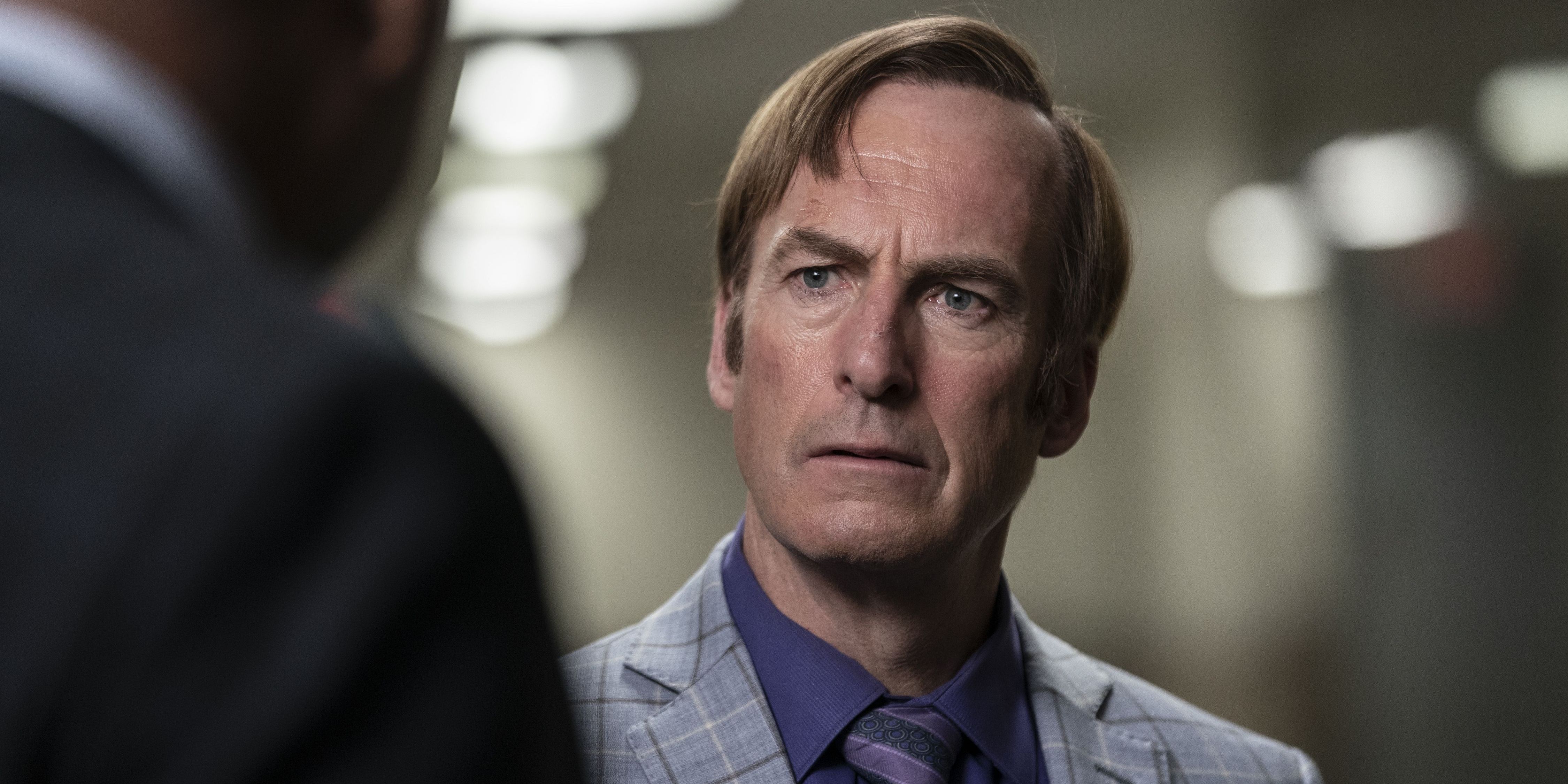
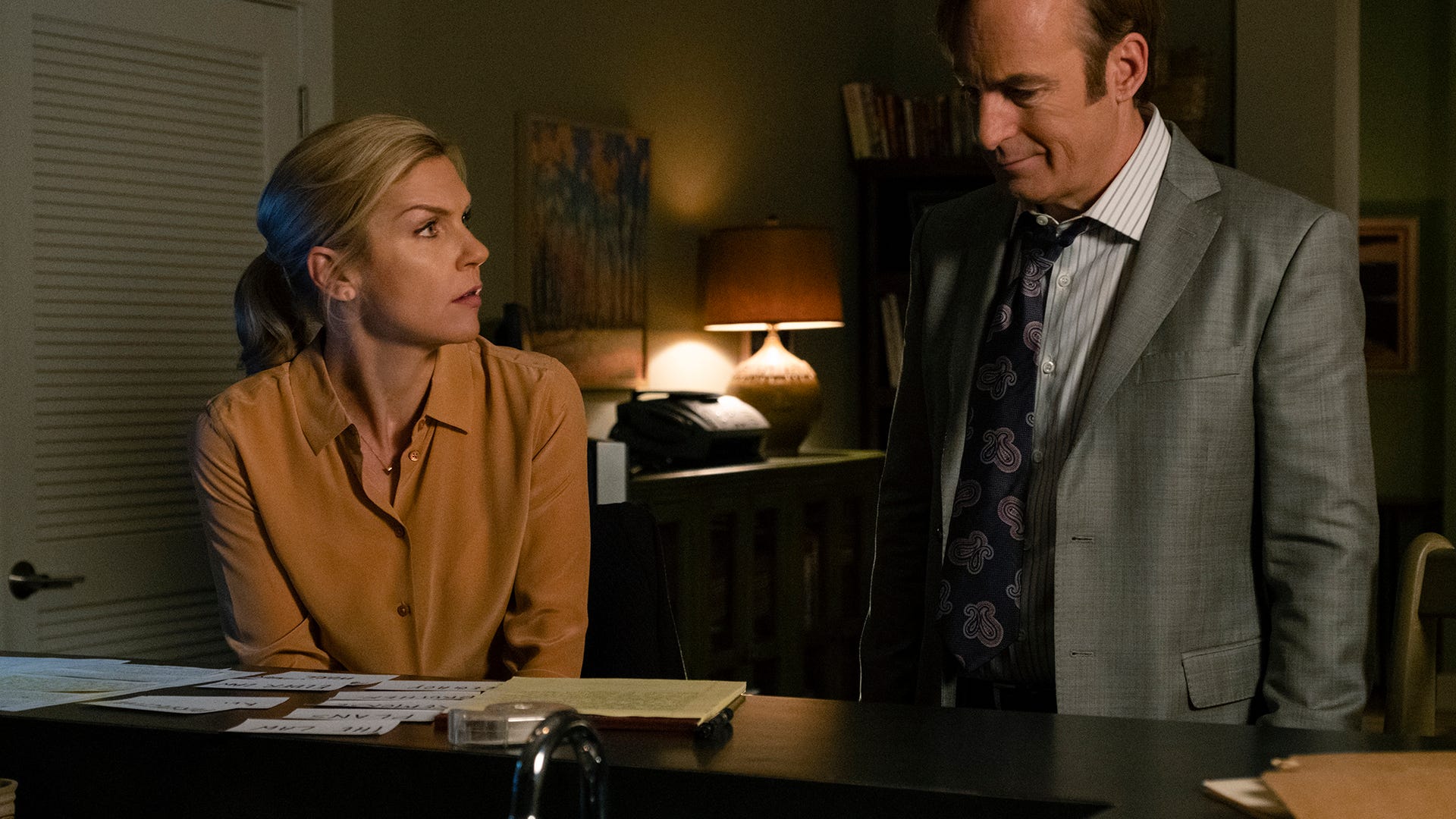
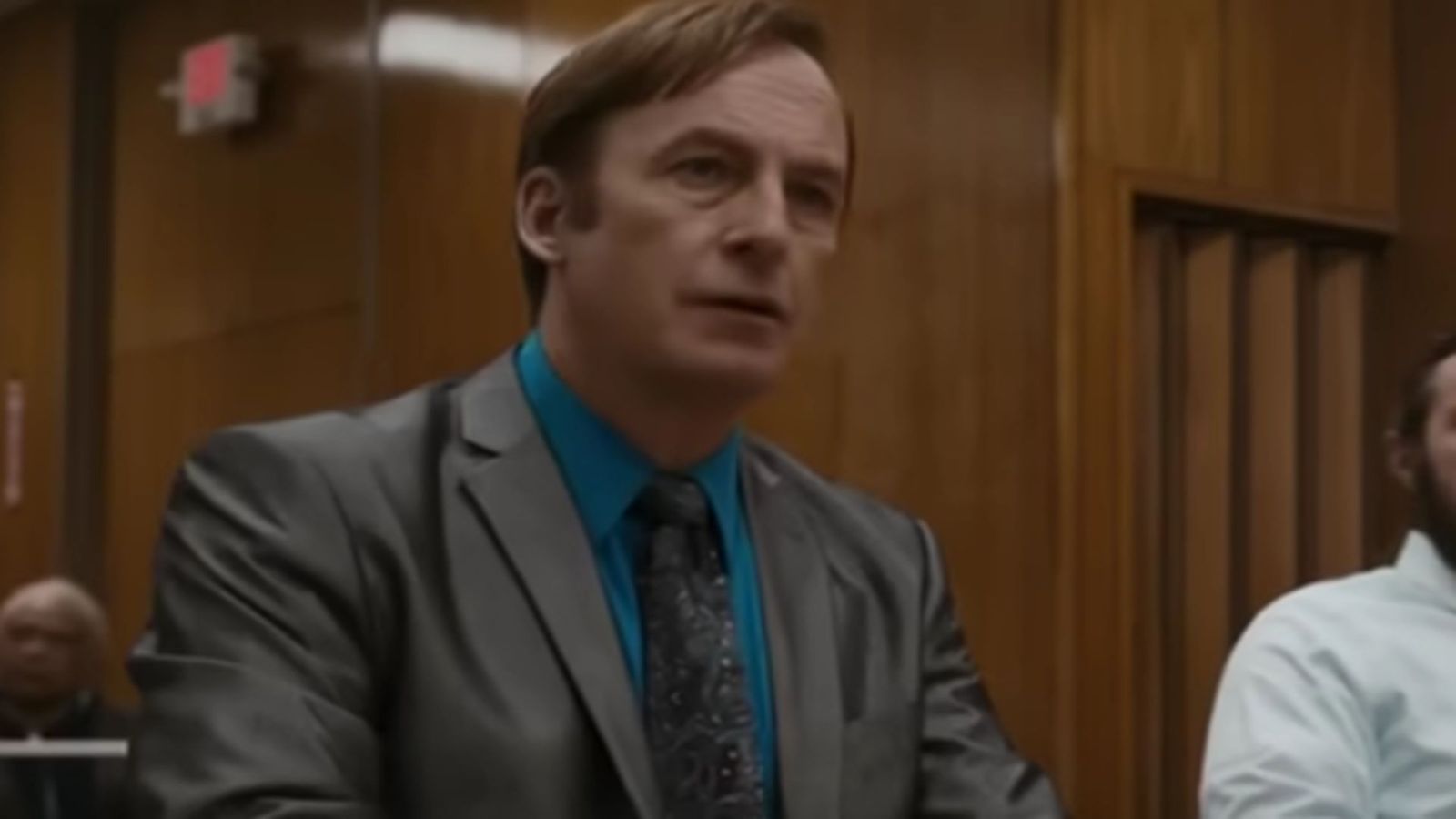
Better Call Saul Season 4, Episode 6, titled "Piñata," serves as a crucial turning point in the AMC crime drama series, deepening the psychological fracture of Jimmy McGill while advancing Gus Fring’s meticulous meth lab construction and Mike Ehrmantraut’s engineering oversight. Directed by Andrew Stanton and written by Gennifer Hutchison, this episode bridges the gap between Jimmy's waning legitimate aspirations and his inevitable slide into the criminal persona of Saul Goodman, while simultaneously tightening the narrative noose around the Albuquerque underworld.
1. The Directorial Touch of Andrew Stanton
One of the most notable behind-the-scenes elements of Season 4, Episode 6 is its director, Andrew Stanton. Best known for his monumental work with Pixar animation studios directing cinematic milestones like Finding Nemo and WALL-E, as well as directing live-action features like John Carter, Stanton brought a distinct visual grammar to the television landscape.
Stanton’s background in animation translates into a meticulous eye for composition, framing, and spatial geography. In "Piñata," this is visible in how characters are positioned within physical spaces to emphasize isolation, entrapment, or emotional distance. The framing often utilizes doorways, windows, and tight architectural lines to mirror the psychological boxes the characters have built for themselves. For a series renowned for its cinematic framing, Stanton’s guest direction elevates the visual storytelling, seamlessly blending the quiet, observational pacing characteristic of the Breaking Bad universe with dynamic, expressive camera movements.
2. Jimmy McGill’s Emotional Numbing and the Pinata Party
The core emotional anchor of the episode revolves around Jimmy McGill’s ongoing struggle following the death of his brother, Chuck. While Jimmy has outwardly maintained a facade of functional adaptation—working his cell phone business and navigating his probation—"Piñata" exposes the deep, festering wounds beneath his exterior.
When Kim Wexler stages a surprise intervention and party for Jimmy, bringing together associates from his past and present, Jimmy’s reaction is not one of gratitude or warmth. Instead, he views the celebration through a lens of profound alienation and cynicism. The titular piñata metaphor operates on multiple levels: Jimmy feels battered, suspended in the air, and beaten for the amusement or benefit of others. This sequence strips away any lingering illusions that Jimmy is coping healthily with his grief, setting the stage for his outright rejection of the legal establishment's moral framework.
3. The Descent of Kim Wexler
Kim Wexler’s narrative arc in Season 4 reaches a fascinating and exhausting inflection point in this episode. As she balances her demanding corporate defense work for Mesa Verde with her pro bono public defender cases, Kim finds herself increasingly disillusioned by the very legal system she has dedicated her life to upholding.
In "Piñata," Kim’s exhaustion is palpable. Rhea Seehorn’s performance captures a woman running on fumes, sustained only by the adrenaline of her secret partnership in Jimmy’s cons and her fierce loyalty to him. However, the emotional toll begins to crack her professional armor. Her growing fascination with bending the rules—and her implicit complicity in Jimmy's schemes—signals her gradual drift away from the straight-and-narrow path. This episode highlights how deeply intertwined Jimmy and Kim’s fates have become, establishing that Kim is no longer just an observer of Jimmy's descent, but an active participant.
4. Gus Fring and the Logistics of the Superlab
While Albuquerque’s legal drama unfolds in the daylight, the criminal underworld operates in the shadows of industrial engineering. Season 4, Episode 6 provides significant depth regarding the construction of Gus Fring’s clandestine methamphetamine superlab, a foundational set piece for the eventual events of Breaking Bad.
The episode details the meticulous, grueling process managed by Mike Ehrmantraut and German engineer Werner Ziegler. Gus’s insistence on absolute secrecy, structural integrity, and patience highlights his calculating nature. Unlike Walter White’s later, more volatile operations, Gus’s enterprise is built like a Fortune 500 corporation—methodical, heavily vetted, and shielded from oversight by layers of legitimate front businesses like Madrigal Electromotive. The engineering challenges faced by Werner’s crew emphasize that building an empire requires more than ruthlessness; it demands relentless operational security and precise project management.
5. Mike Ehrmantraut as the Pragmatic Foreman
Jonathan Banks continues to anchor the criminal side of the narrative with his grounded, world-weary portrayal of Mike Ehrmantraut. In "Piñata," Mike transitions further into his role as Gus Fring's chief security consultant and fixer.
Mike's management of the German construction crew requires a delicate balance of strict authority and pragmatic understanding. He recognizes that Werner Ziegler and his men are skilled professionals, not hardened criminals, which requires a different style of discipline. Mike's interactions with Werner reveal his respect for competence and his disdain for sloppiness. This dynamic reinforces Mike’s character code: strict adherence to rules, zero tolerance for recklessness, and an unwavering focus on the job at hand.
6. The Evolution of the Teen Thugs: Daniel Moncada and Luis Moncada
A memorable sequence in the episode involves Jimmy crossing paths once more with the young street-level criminals he previously manipulated, Arturo and the cousins, or more specifically, the youthful enforcers who represent the low-level grunts of the cartel pipeline. The presence of the Salamanca enforcers underscores the encroaching danger of the drug trade.
Though brief, these street-level interactions demonstrate how Jimmy’s world is shrinking. He is no longer just an ambitious, corner-cutting elder law attorney; he is moving in circles where a miscalculated word can lead to fatal consequences. The episode uses these encounters to remind viewers of the genuine physical danger lurking beneath the surface of Albuquerque's colorful legal scams.
7. Direct Narrative Parallels to Breaking Bad
As an essential chapter in the middle of Season 4, "Piñata" serves as a masterclass in foreshadowing. Every narrative thread pulled in this episode directly informs the inevitability of the Breaking Bad timeline.
| Storyline | Better Call Saul Status (Season 4, Episode 6) | Breaking Bad Outcome |
|---|---|---|
| The Superlab | Under construction beneath the industrial laundry by Werner Ziegler's crew. | Fully operational subterranean lab producing high-purity methamphetamine for Gus Fring. |
| Jimmy's Legal Career | Suspended from practicing law, drifting into burner phone sales and criminal associations. | Operating out of a strip mall office under the alias Saul Goodman, consigliere to cartels. |
| Mike Ehrmantraut | Managing security for Gus Fring and overseeing illicit construction projects. | Serving as Gus Fring's primary hitman, enforcer, and operations manager. |
| Kim Wexler | Balancing corporate banking law with pro bono work while aiding Jimmy's schemes. | Absent from the Breaking Bad timeline, leaving her ultimate fate a central mystery. |
These structural parallels reward attentive viewers by illustrating the exact mechanisms that transform cautious, flawed individuals into hardened players of the drug underworld.
8. Examining the Cinematography and Sound Design
The atmospheric tension of "Piñata" is heavily sustained by the deliberate choices made by the cinematography and sound design teams. Cinematographer Marshall Adams employs sweeping desert vistas alongside claustrophobic interior shots to visually narrate the characters' emotional states.
Furthermore, the sound design utilizes silence as a narrative instrument. In scenes involving Gus Fring's operations or Mike's surveillance, ambient noise is stripped away to focus the audience's attention on subtle cues: the hum of heavy machinery, the crunch of gravel, or the deliberate footsteps of characters navigating high-stakes environments. This auditory minimalism heightens the suspense, making every interaction feel consequential and heavy with unspoken threat.
9. Critical Reception and Fan Impact
Upon its original broadcast in September 2018, "Piñata" received widespread acclaim from television critics and fans alike. Reviewers frequently praised the episode for its ability to balance high-tension cartel logistics with deeply personal, character-driven drama.
The episode currently holds a high user and critic rating across major television databases, often cited as a standout hour in a season widely regarded as the show's artistic peak. Fans on internet discussion forums extensively analyzed the psychological implications of Jimmy's coldness toward Kim's party, recognizing it as the moment the psychological door to "Saul Goodman" was kicked wide open.
10. Setting the Stage for the Final Act of Season 4
As the sixth episode of a ten-episode season, "Piñata" acts as a narrative pivot point. It successfully resolves several mid-season tensions while aggressively escalating the stakes for the final four episodes.
The fractures introduced in this episode—between Jimmy and his professional identity, between Kim and her ethical boundaries, and between Gus Fring's ambitions and the harsh realities of underground construction—cannot be unmade. The consequences of the choices made in "Piñata" ripple outward, ensuring that the remainder of Season 4 delivers a tragic and compelling conclusion.
Frequently Asked Questions
What is the main conflict in Better Call Saul Season 4 Episode 6?
The episode centers on Jimmy McGill’s emotional disconnection from his legal career and friends while Kim Wexler reaches a breaking point between her corporate work and her involvement in Jimmy's schemes. Concurrently, Mike oversees the difficult logistical challenges of constructing Gus Fring's underground superlab.
Who directed Season 4 Episode 6 of Better Call Saul?
The episode was directed by Andrew Stanton, widely recognized for his acclaimed work directing animated films for Pixar, including Finding Nemo and WALL-E.
Why is the episode titled "Piñata"?
The title refers metaphorically to Jimmy McGill's emotional state during a surprise party thrown by Kim Wexler. Instead of feeling celebrated, Jimmy feels battered, suspended, and exploited by the expectations of the people around him, mirroring a piñata being beaten for others' benefit.
How does this episode connect to Breaking Bad?
This episode provides key logistical history regarding the construction of the underground meth superlab managed by Mike Ehrmantraut and built by German engineer Werner Ziegler, which later becomes the primary manufacturing site for Walter White and Jesse Pinkman.
Where can I watch Better Call Saul Season 4 Episode 6?
The episode is available for streaming on subscription video-on-demand services depending on regional licensing agreements, and can be purchased digitally through major platforms such as Amazon Prime Video, Apple TV, and Google Play.
Final Recommendation
To fully appreciate "Piñata," viewers should rewatch the preceding episodes of Season 4 to understand the gradual erosion of Jimmy and Kim's moral boundaries. Pay close attention to the background details in the superlab scenes, as they establish the operational rules that govern the entire Breaking Bad criminal empire.