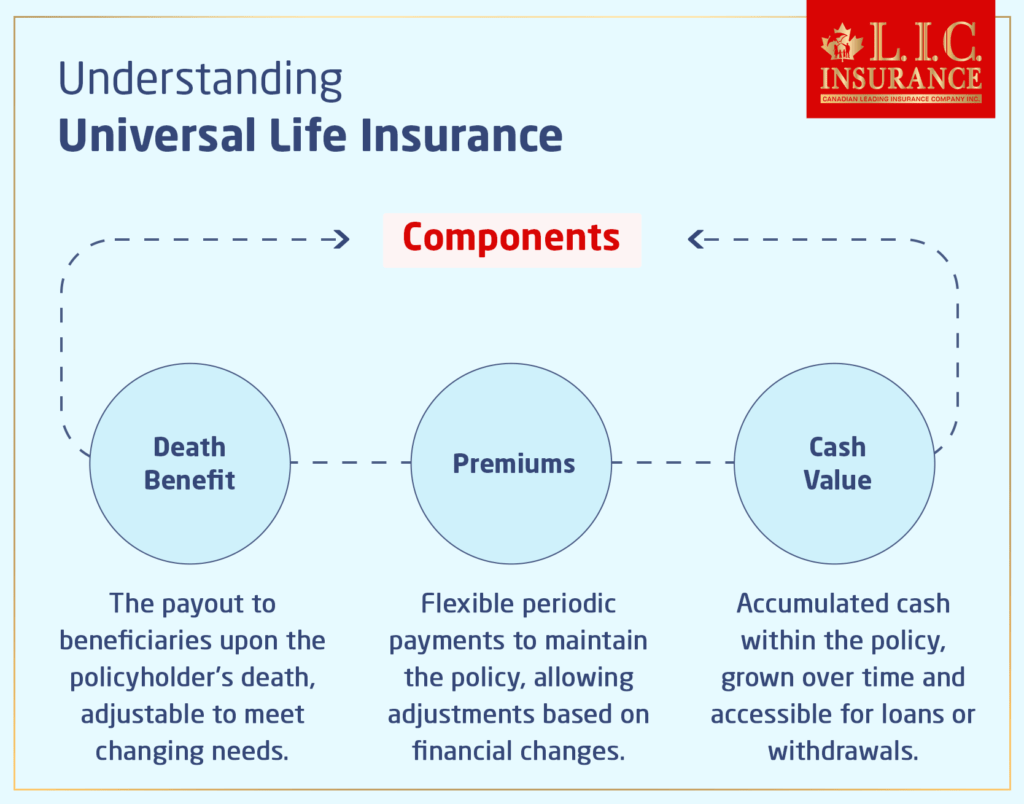
Universal life insurance provides a flexible form of permanent coverage that combines a death benefit with an accumulated cash value component, allowing policyholders to adjust their premiums and coverage amounts over time based on their changing financial needs. Choosing the right universal life insurance policy requires balancing cash value growth potential with market risks, premium flexibility, and long-term financial stability.
Introduction to Universal Life Insurance
Universal life (UL) insurance is a type of permanent life insurance designed to protect policyholders for their entire lives, provided that sufficient premiums are paid to keep the policy active. Unlike term life insurance, which expires after a set number of years, or whole life insurance, which features rigid and fixed premiums alongside guaranteed cash value growth, universal life introduces a high degree of financial modularity.
At its core, a universal life policy splits your premium payment. A portion of the money goes toward the insurance company’s cost of insurance (COI) and administrative fees, while the remaining balance enters a tax-deferred cash value account. This cash value earns interest based on prevailing financial market conditions, depending on the specific product structure. Over time, policyholders can utilize this accumulated capital through policy loans or withdrawals, or use it to cover rising insurance costs as they age, potentially reducing or eliminating out-of-pocket premium payments later in life.
However, this flexibility requires active management. If cash value reserves deplete due to underpayment, poor market performance, or excessive borrowing, the policy can lapse, leaving the insured without coverage. Understanding how these policies function is essential for anyone evaluating permanent life insurance options.
Core Mechanics: How Universal Life Policies Operate
To fully grasp how universal life insurance functions, one must examine its internal financial engine. Every universal life policy rests on three main moving parts: the net amount at risk, the cost of insurance, and the cash value accumulation account.
Premium Flexibility and Allocation
When you pay a premium into a universal life policy, the insurer deducts an expense load—which covers acquisition costs and administrative overhead. The remaining amount is credited directly to the policy’s cash value account. Policyholders generally enjoy a flexible premium payment schedule within certain minimum and maximum boundaries set by the insurer. You can pay more than the minimum required amount to build up cash reserves faster (subject to Internal Revenue Service guidelines to maintain tax-advantaged status), or you can pay less during tight financial months, provided there is enough cash value inside the policy to cover the monthly deductions.
Cost of Insurance (COI) and Mortality Charges
The cost of insurance is a monthly fee deducted directly from the policy’s cash value. This fee represents the actual price of the pure death benefit protection. Crucially, the COI increases as the insured person ages because the statistical probability of mortality rises. In younger years, a modest premium easily covers the COI and leaves a surplus for cash growth. In later decades, the escalating COI can rapidly deplete cash reserves if the policy has not built up sufficient momentum.
Death Benefit Options
Universal life insurance policies typically offer two primary death benefit structures, allowing customization based on estate planning goals:
- Option A (Level Death Benefit): The death benefit remains constant throughout the life of the policy. As the cash value grows, the insurer’s net amount at risk decreases. This option generally features lower initial insurance costs, making it efficient for maximizing cash accumulation.
- Option B (Increasing Death Benefit): The death benefit equals the specified face amount plus the accumulated cash value. This structure provides a growing payout to beneficiaries but incurs higher monthly insurance costs because the net amount at risk remains level or increases over time.
Primary Variations of Universal Life Insurance
Universal life insurance is not a monolith; it has evolved into several distinct sub-categories. Each variant handles the cash value growth mechanism differently, altering the risk profile for the policyholder.
| Policy Type | Cash Value Growth Mechanism | Primary Risk Factor |
|---|---|---|
| Traditional Universal Insurance (UL) | Credited with an adjustable interest rate set by the insurer, subject to a guaranteed minimum floor. | Insurer lowering the credited interest rate to its minimum floor. |
| Indexed Universal Insurance (IUL) | Linked to the performance of an external market index (e.g., S&P 500) with a 0% floor. | Caps, participation rates, and potential zero return years during market downturns. |
| Variable Universal Insurance (VUL) | Invested directly in sub-accounts (similar to mutual funds) chosen by the policyholder. | Exposure to market losses; cash value can decline significantly. |
Traditional Universal Life Insurance
Traditional or fixed universal life represents the foundational model. The insurance company credits the cash value with a declared interest rate determined by its internal portfolio performance. While these rates fluctuate alongside broader economic trends, policies typically include a guaranteed minimum interest rate floor (often between 1% and 2%), protecting the cash value from negative returns. This option suits conservative buyers looking for steady, predictable accumulation without equity market exposure.
Indexed Universal Life (IUL) Insurance
Indexed universal life insurance ties cash value crediting to the performance of a major stock market index, such as the S&P 500, without directly investing in equities. If the index rises, the policy earns interest based on a formula tied to that gain. If the index falls, the cash value is protected by a guaranteed floor of 0%, meaning market downturns result in zero interest credited rather than direct losses.
However, IUL returns are governed by participation rates, caps, and spread rates set by the insurer. A cap limits the maximum interest credited in a high-performing year, which means policyholders do not capture the full upside of booming equity markets.
Variable Universal Life (VUL) Insurance
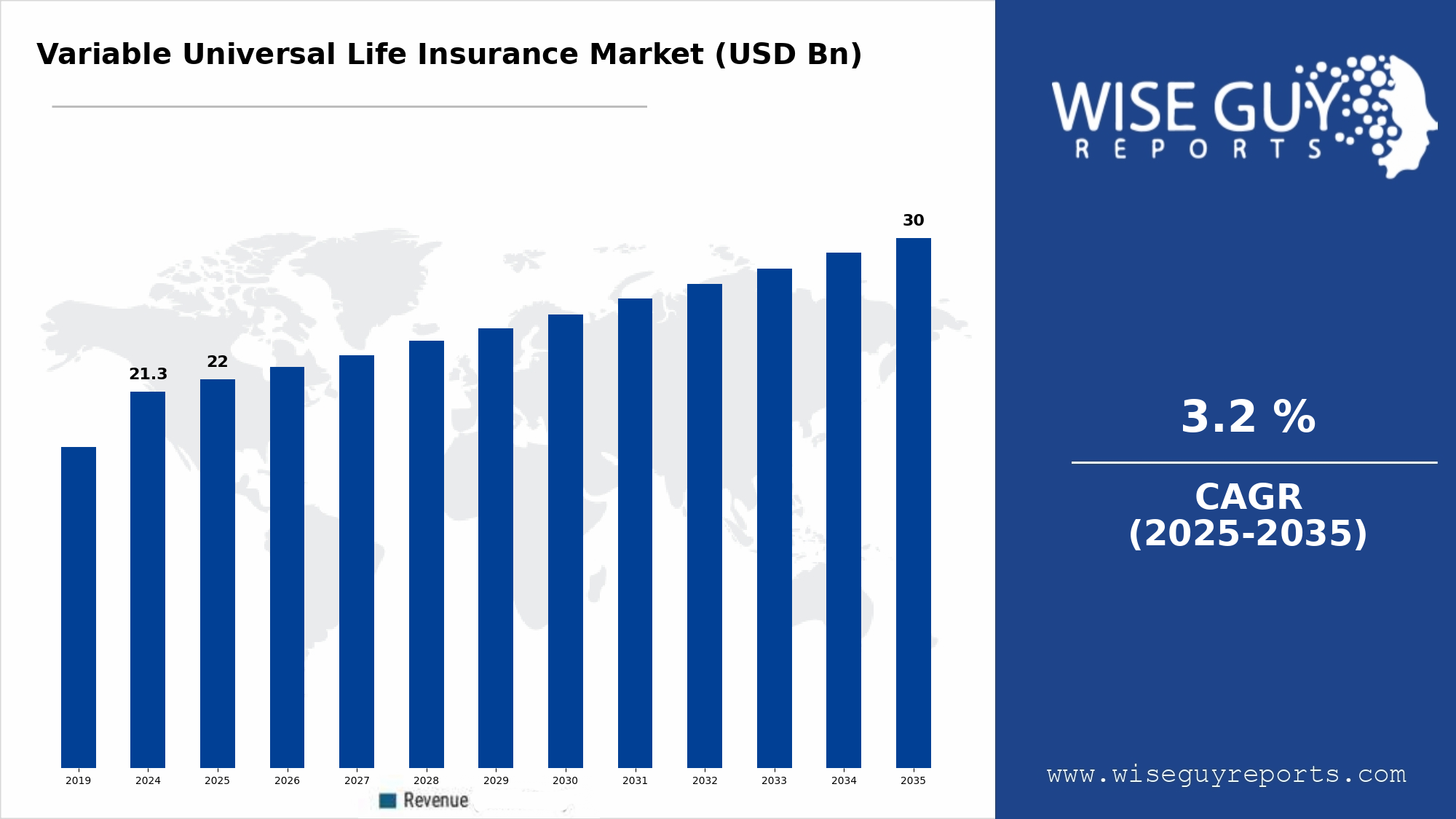
Variable universal life insurance offers the highest potential reward and the highest risk among permanent policies. VUL policyholders direct their cash value into various investment sub-accounts, which function similarly to mutual funds, holding stocks, bonds, and money market instruments. Because these funds are exposed directly to market volatility, the cash value can grow substantially or decline sharply. VUL policies require active monitoring and a higher tolerance for financial risk.
Evaluating Financial Strength and Insurer Solvency
Because universal life policies are long-term financial commitments—often spanning decades—the financial stability and claims-paying ability of the issuing insurance company are paramount. Unlike bank deposits, which are federally backed by the FDIC, life insurance guarantees rely entirely on the operational health and reserve assets of the issuing carrier.
When evaluating an insurance provider, consumers and financial planners look to independent rating agencies such as AM Best, Standard & Poor's, Moody's, and Fitch. These agencies assess insurers based on balance sheet strength, operating performance, and business profile. Selecting a carrier with an "A" rating or higher helps mitigate the risk of financial distress over the lifetime of a policy. Furthermore, state guaranty associations provide a secondary safety net, though coverage limits vary by jurisdiction.
Advantages of Universal Life Insurance
Universal life insurance offers several distinct structural benefits that make it an attractive vehicle for specific financial planning scenarios.
- Lifetime Protection: Provided premiums are maintained, the coverage remains in force until the insured passes away, ensuring a guaranteed financial legacy for heirs.
- Tax-Advantaged Growth: Cash value accumulates on a tax-deferred basis, meaning policyholders do not pay annual capital gains or income taxes on the interest or index credits earned inside the policy.
- Liquidity Access: Policyholders can access accumulated cash value through tax-free policy loans or withdrawals to fund major expenses, such as supplementing retirement income or paying for education.
- Premium Adjustments: The ability to adjust premium payments and death benefit amounts allows individuals to adapt their insurance strategy to changing life stages, such as career changes, business ventures, or retirement.
Risks and Limitations to Consider
Despite its versatility, universal life insurance carries structural risks that can catch policyholders off guard if policies are not actively managed.
- Lapse Risk: If the cash value drops to zero due to prolonged underpayment, poor market crediting (in IUL or VUL products), or rising administrative costs, the policy will lapse. Reinstating a lapsed policy later in life can be prohibitively expensive or impossible due to declining health.
- Rising Costs of Insurance: As noted, COI charges increase annually. A policy that looks well-funded at age 40 may face severe headwinds by age 75 if insufficient premiums were paid early on.
- Complexity and Fees: Universal life policies involve intricate fee structures, including premium loads, administrative charges, mortality charges, and potential surrender charges if the policy is canceled within the first 10 to 15 years.
- Overloan Danger: Taking excessive loans against the cash value can trigger a taxable event if the policy lapses while a loan balance exceeds the cash value basis.
Frequently Asked Questions
Can my universal life insurance premium increase unexpectedly?
Insurance companies do not arbitrarily raise your premium, but the cost of insurance deductions inside the policy can increase as you age. If your cash value does not generate enough earnings to cover these rising monthly deductions, you will need to increase your out-of-pocket premium payments to keep the policy from lapsing.
What happens to the cash value when the insured person passes away?
In most standard universal life policies, the insurance company pays only the stated death benefit to the beneficiaries upon the death of the insured. The accumulated cash value is absorbed by the insurer unless the policy was specifically structured with a return of cash value rider or an increasing death benefit (Option B) that explicitly combines the face amount and cash value.
Can I convert a term life policy into a universal life policy?
Many insurance carriers offer a conversion privilege on term life policies, allowing policyholders to switch to a universal life or permanent policy without undergoing a new medical exam. This is a useful feature for individuals whose health has declined since purchasing term coverage.
Are withdrawals from a universal life cash value taxable?
Withdrawals up to the total amount of premiums you have paid (your cost basis) are generally considered a return of principal and are income tax-free. Loans taken against the policy are also tax-free, provided the policy remains in force. However, if the policy lapses with an outstanding loan balance, the entire loan amount may be treated as taxable income in that tax year.
How do indexed universal life caps affect earnings?
An interest cap is the maximum crediting rate an insurance company will apply to your cash value during a specified period, regardless of how high the linked market index climbs. For example, if the S&P 500 gains 18% in a year, but your policy has a cap of 8%, your cash value is credited with an 8% gain for that period. Caps protect insurers from runaway liabilities during bull markets.
Conclusion and Next Actions
Universal life insurance serves as a sophisticated financial tool that bridges the gap between pure risk protection and long-term cash accumulation. Because policy structures vary significantly between traditional, indexed, and variable options, selecting the right approach requires a thorough assessment of your risk tolerance, time horizon, and estate planning objectives.
Before committing to a policy, consult with an independent financial advisor or licensed insurance professional who can run detailed in-force illustrations showing how the policy is projected to perform under different interest rate and market scenarios. Review the issuing carrier's financial ratings, examine the fee schedules, and ensure that the chosen premium commitment aligns comfortably with your long-term budget.