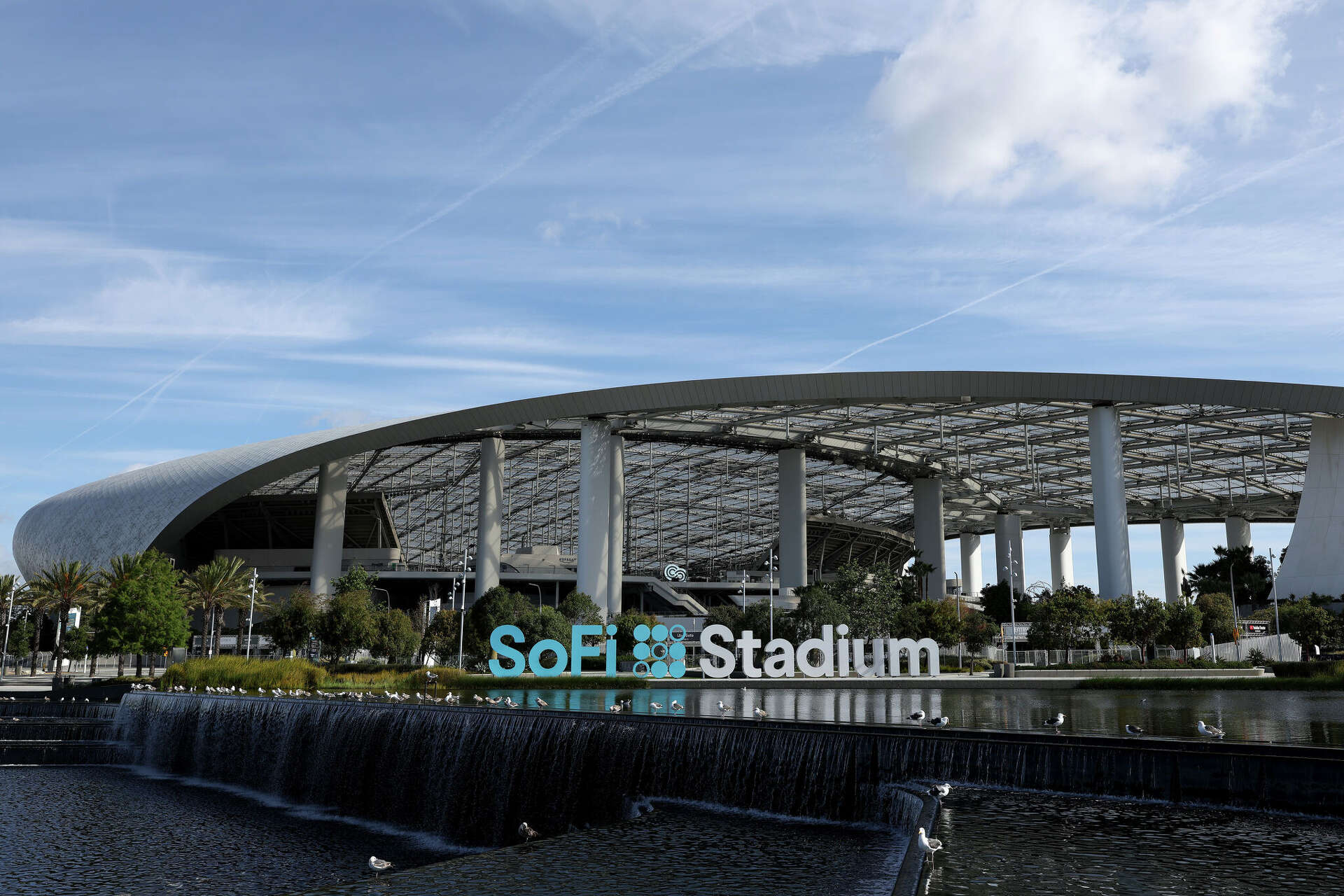
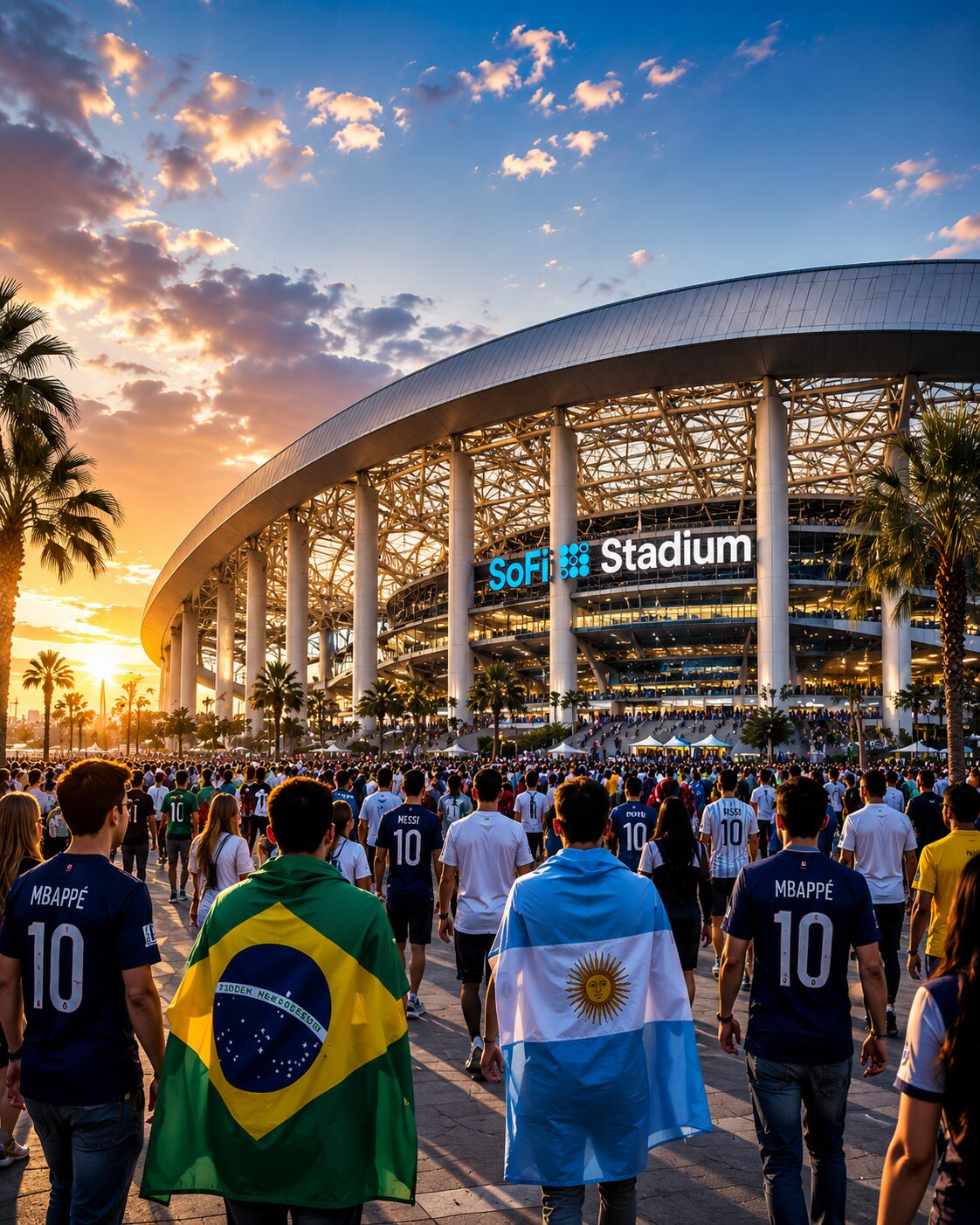
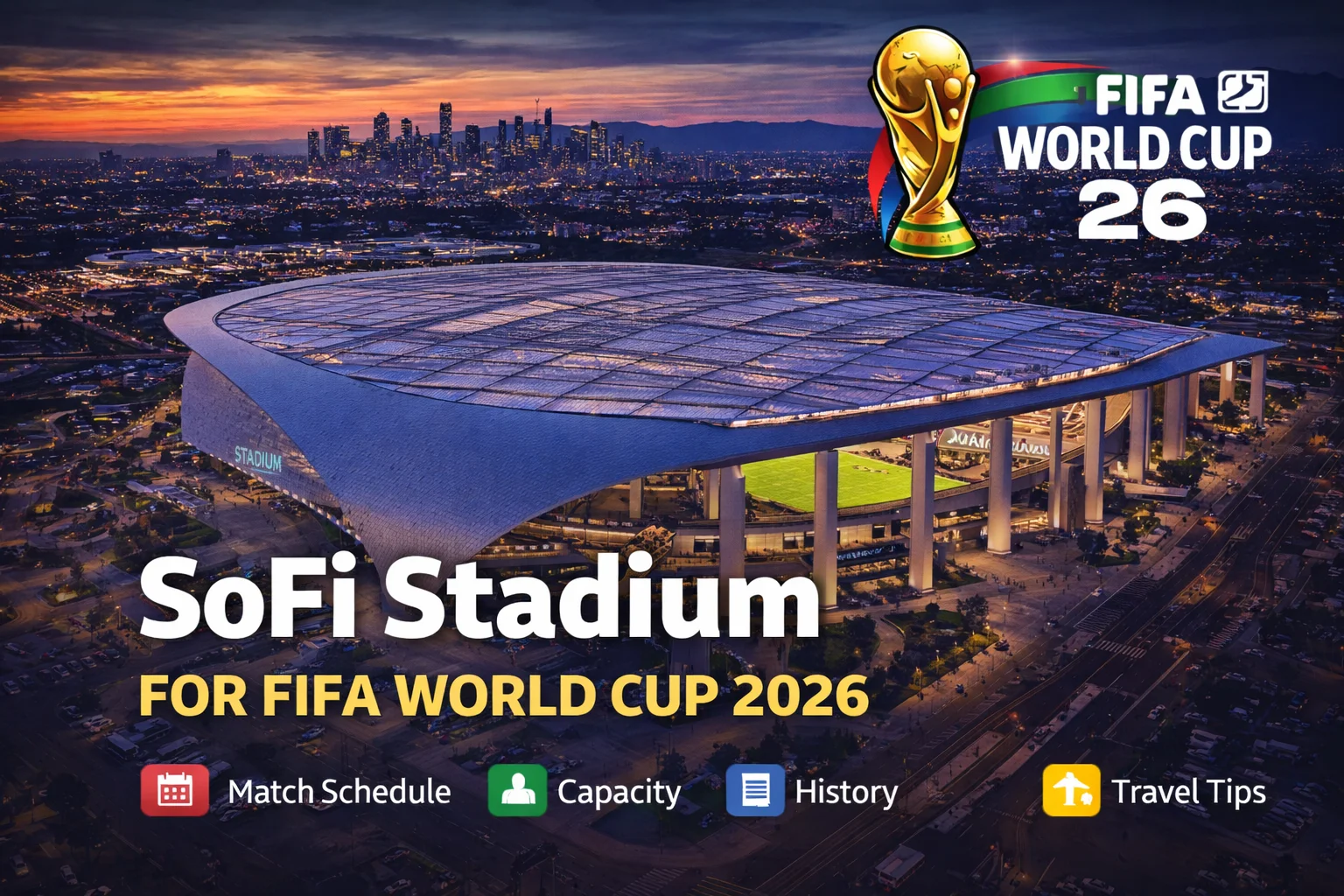
SoFi Stadium in Inglewood, California, serves as a premier venue for the FIFA World Cup 26, hosting eight high-profile matches, including the U.S. Men’s National Team’s opening game on June 12, 2026. To meet FIFA’s stringent requirements, the stadium underwent significant pitch widening and turf conversion, while officially operating under the name Los Angeles Stadium.
The Role of Los Angeles Stadium in FIFA World Cup 26
As the 2026 tournament begins, Los Angeles reaffirms its status as the epicenter of American soccer history. While the world knows the venue as SoFi Stadium, FIFA’s commercial regulations dictate that the venue be referred to as Los Angeles Stadium (or Los Angeles Stadium at Hollywood Park) throughout the competition. This naming convention is standard for all non-FIFA partner-branded venues to ensure clean site requirements.
The selection of Los Angeles was a cornerstone of the "United" bid. Having previously hosted the 1994 FIFA World Cup Final (at the Rose Bowl) and the 1999 FIFA Women's World Cup Final, the region possesses a deep-rooted infrastructure for international football. However, for 2026, the focus shifted from the historic Rose Bowl to the technological marvel in Inglewood.
Los Angeles Stadium is not just a venue; it is the anchor of a 300-acre sports and entertainment district. For the 2026 cycle, it serves as the Western hub for the United States, hosting the most critical early-stage matches for the home nation. The stadium's proximity to Los Angeles International Airport (LAX) and its position within the Pacific Time Zone make it a primary broadcast window for prime-time audiences in North America while maintaining accessibility for international travelers.
Official Match Schedule at Los Angeles Stadium
The tournament schedule for Los Angeles is weighted heavily toward the beginning of the competition, featuring five group stage matches and three knockout round fixtures. The most anticipated date is June 12, 2026, marking the debut of the United States Men's National Team (USMNT) in this expanded 48-team format.
| Match Number | Date | Tournament Phase | Competing Teams |
|---|---|---|---|
| Match 4 | June 12, 2026 | Group Stage (Opening US Match) | United States vs. TBD |
| Match 15 | June 15, 2026 | Group Stage | TBD vs. TBD |
| Match 26 | June 18, 2026 | Group Stage | TBD vs. TBD |
| Match 39 | June 21, 2026 | Group Stage | TBD vs. TBD |
| Match 51 | June 25, 2026 | Group Stage (Final US Group Match) | United States vs. TBD |
| Match 73 | June 28, 2026 | Round of 32 | Group A Winner vs. TBD |
| Match 84 | July 2, 2026 | Round of 32 | TBD vs. TBD |
| Match 98 | July 10, 2026 | Quarter-final | TBD vs. TBD |
The schedule ensures that the USMNT remains on the West Coast for their entire group stage campaign, alternating between Los Angeles and Seattle. This logistical arrangement was designed to minimize travel fatigue for the host nation while maximizing the "home field" atmosphere in one of the country's most modern facilities.
Technical Specifications and Field Modifications
One of the most complex challenges in preparing Los Angeles Stadium for the 2026 World Cup was the physical dimensions of the playing surface. Built primarily for American football, the stadium’s original configuration was too narrow for FIFA’s elite "Category 1" pitch requirements, which demand a width of 68 meters (approximately 75 yards) and a length of 105 meters (approximately 115 yards).
Pitch Widening and Seat Removal
To accommodate these dimensions, engineers had to modify the concrete "bowl" of the stadium. This involved the temporary removal of seating sections in the four corners of the lower bowl. These architectural adjustments allowed the pitch to be widened without compromising the structural integrity of the stadium. While this slightly reduced the capacity for soccer matches compared to NFL games, it ensured the venue met the safety runoff requirements for players and officials.
Transition to Natural Grass
Another critical requirement for FIFA World Cup 2026 is the playing surface material. While the stadium typically utilizes an advanced synthetic turf system for the NFL’s Rams and Chargers, FIFA mandates natural grass.
The 2026 solution involved:
- Vacuum and Ventilation Systems: Utilizing the stadium's sub-air systems to manage moisture and oxygen levels at the root zone of the imported sod.
- Growth Lighting: Because the stadium is semi-enclosed by a translucent ETFE canopy, supplemental LED growth lights are used to ensure the grass remains resilient under the heavy match load.
- Specialized Sod: A specific hybrid-natural grass blend was grown off-site in local sod farms and transported to Inglewood to be laid over a specialized drainage layer.
Infrastructure and Technology Features
Los Angeles Stadium remains the most expensive sports venue ever built, and its technology is being utilized to the fullest for the 2026 World Cup.
The Infinity Screen by Samsung
Fans attending the World Cup matches will experience the "Infinity Screen," a double-sided 4K HDR video board that sits 122 feet above the pitch. For the World Cup, the screen provides real-time VAR (Video Assistant Referee) updates, multilingual graphics, and advanced player tracking statistics. It covers 70,000 square feet, ensuring that every seat—from the field-level bungalows to the highest rows—has a clear view of the action and replays.
Translucent ETFE Canopy
The stadium's roof is unique in that it is not fully connected to the walls, allowing for a "perpetual breeze" that mimics an outdoor environment while protecting spectators from direct sunlight or rare Los Angeles rain. The ETFE (Ethylene Tetrafluoroethylene) film is designed to reduce solar heat gain, which is crucial for the afternoon matches scheduled during the July heat.
Logistics, Transport, and Fan Access
Inglewood has seen massive infrastructure investment leading up to 2026. However, navigating the "Hollywood Park" area during a global event requires significant planning.
The Inglewood Transit Connector (ITC)
The city has prioritized the Inglewood Transit Connector, an automated people mover system designed to bridge the gap between the LA Metro K Line (Crenshaw/LAX) and the stadium complex. This 1.6-mile system is the primary recommendation for fans looking to avoid the heavily congested parking lots.
Public Transportation Options
Fans are encouraged to utilize the following:
- Metro K Line: Connectivity from the Expo Line and the Green Line.
- Park & Ride: Dedicated shuttle hubs located at the Hawthorne/Lennox Station and other regional transit centers.
- Rideshare Zones: Specifically designated pick-up and drop-off points are located at the North and South ends of the Hollywood Park district to prevent gridlock on Century Boulevard.
FIFA Fan Festival Locations
While the matches take place in Inglewood, the FIFA Fan Festival—the official site for public screenings and cultural events—is distributed across the Los Angeles basin. Major hubs include:
- Santa Monica Pier: Offering a beachside viewing experience.
- Exposition Park: Located near the Los Angeles Memorial Coliseum and BMO Stadium, serving as a central inland hub for fans without match tickets.
Economic and Local Impact on Inglewood
The 2026 World Cup is projected to bring over $600 million in economic activity to the Los Angeles region. For the City of Inglewood, this has translated into long-term improvements in local business districts and job creation in the hospitality sector.
The "Hollywood Park" development adjacent to the stadium, which includes retail, office space, and a lake, serves as the primary "Fan Zone" during match days. FIFA has worked with local authorities to ensure that a portion of the tournament's revenue is reinvested into local youth soccer programs and community infrastructure, leaving a "legacy" beyond the final whistle of the quarter-finals.
Comparative Overview: Los Angeles vs. Other Major 2026 Hubs
To understand the scale of the Los Angeles hosting duties, it is helpful to compare its role to the other two primary U.S. hubs: New York/New Jersey (MetLife) and Dallas (AT&T Stadium).
| Feature | Los Angeles (SoFi) | New York/NJ (MetLife) | Dallas (AT&T) |
|---|---|---|---|
| FIFA Venue Name | Los Angeles Stadium | New York New Jersey Stadium | Dallas Stadium |
| Total Matches | 8 | 8 | 9 |
| Key Match | USMNT Opening Match | FIFA World Cup Final | Semi-final |
| Surface | Natural Grass (Temporary) | Natural Grass (Temporary) | Natural Grass (Temporary) |
| Capacity (Soccer) | ~70,000 | ~82,500 | ~90,000+ |
| Roof Type | Fixed (Translucent) | Open Air | Retractable |
While Dallas hosts the most matches and New York/New Jersey hosts the Final, Los Angeles was selected for the "Grand Opening" on American soil. This positioning underscores the city’s importance to the commercial and cultural success of the tournament.
Frequently Asked Questions
Why is the stadium called "Los Angeles Stadium" instead of SoFi Stadium?
FIFA maintains strict "clean site" policies for all World Cup venues. Because SoFi is a non-FIFA sponsor, the stadium cannot use its commercial name during the tournament. This applies to all host venues across the US, Canada, and Mexico that have corporate naming rights.
How can I get tickets for the matches at Los Angeles Stadium?
Tickets are exclusively distributed through the official FIFA ticket portal. Fans must register for an account and participate in various sales phases, including random selection draws and first-come-first-served windows. Beware of unauthorized third-party resellers, as FIFA utilizes digital-only ticketing that is difficult to transfer outside their official app.
What is the capacity of Los Angeles Stadium for the World Cup?
The capacity for the 2026 World Cup matches is approximately 70,000. This is slightly lower than the maximum NFL capacity of 72,000+ due to the removal of corner seats to accommodate the wider FIFA-standard grass pitch and additional media tribune space.
Will there be natural grass or artificial turf?
FIFA requires all 2026 World Cup matches to be played on natural grass. Los Angeles Stadium has installed a state-of-the-art natural grass pitch specifically for the tournament, supported by advanced sub-surface climate control systems to ensure the grass survives the intense match schedule.
Which teams will play in Los Angeles besides the United States?
The specific teams for the other six group stage and knockout matches will be determined by the final draw and the results of the group stages. However, the United States is confirmed for the opening match on June 12 and their final group match on June 25.
Final Recommendations for Attendees
For those planning to attend a match at Los Angeles Stadium, the most critical action is to secure transportation early. The Inglewood area experiences extreme traffic during major events, and the 2026 World Cup will be the largest event in the stadium's history to date.
Use the official FIFA 26 app for real-time transit updates and stadium entry requirements. If you are traveling from outside of California, consider staying in hotels near the K Line or in the El Segundo area to utilize the dedicated shuttle systems. Finally, ensure your "Fan ID" (if required by FIFA for the 2026 cycle) is linked to your digital tickets well before match day to avoid delays at the security perimeter.