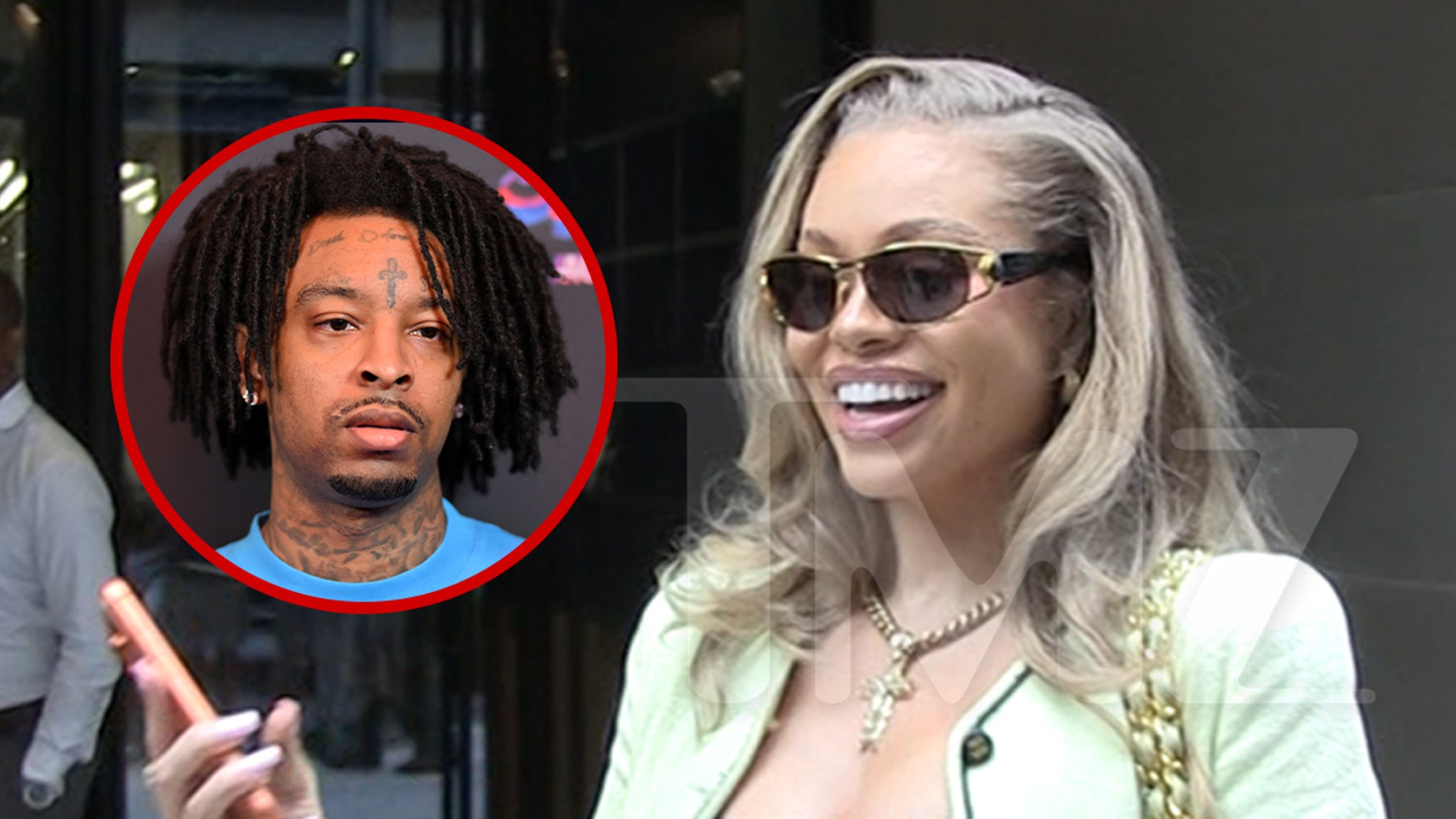
The reality of 21 Savage dead rumors is that they are entirely false, recurring instances of digital misinformation intended to drive traffic or incite social media engagement. As of 2026, the artist, born Shéyaa Bin Abraham-Joseph, remains alive and active in his professional career, having never been the subject of any credible report regarding his death. These rumors typically originate from unverified social media posts, satirical websites, or "death hoax" generators designed to manipulate search algorithms and capitalize on fan anxiety.
The Anatomy of a Celebrity Death Hoax
Celebrity death hoaxes are a persistent facet of modern internet culture. They often follow a predictable pattern, designed to trigger an emotional response from fans that leads to rapid sharing, comment section engagement, and increased search volume. For high-profile figures like 21 Savage, the stakes are elevated because of his significant global following and his history of high-profile legal and personal challenges, which can sometimes make fabricated stories seem more plausible to casual observers.
The primary mechanism behind these rumors is the "clickbait cycle." A post on a platform like X (formerly Twitter) or TikTok claims a celebrity has passed away, often citing "breaking news" or "anonymous sources." Because social media algorithms prioritize high-engagement content, these posts often surface at the top of feeds, creating an illusion of widespread consensus. By the time legitimate news outlets—which require verified confirmation from representatives or family members—have a chance to debunk the claim, the rumor has often reached millions of users.
Why 21 Savage Is a Frequent Target
Celebrities associated with hip-hop and trap music often find themselves the subject of such rumors due to the high-energy nature of the community and the prevalence of speculative content on fan forums. In the case of 21 Savage, there are several factors that contribute to why he is disproportionately targeted:
- Public Interest in Personal History: His well-documented immigration challenges and legal battles in the late 2010s kept him in the headlines for years. When a public figure has a history of high-stress news cycles, the audience is psychologically primed to believe that "anything can happen."
- Search Volume Optimization: Sites that generate fake news rely on search intent. Users who search "Is 21 Savage dead?" are actively looking for information. If a site can rank for that query—even with a false answer—they generate ad revenue from the traffic.
- Lack of Immediate Verification: In the immediate wake of an viral rumor, the artist’s team is often unaware or busy. This "window of silence" allows misinformation to flourish before a representative can issue a statement.
How to Verify Celebrity News
Navigating the internet safely requires a standard approach to verifying information. When you encounter a claim about a celebrity’s death, apply the following hierarchy of verification to determine if the report is credible.
| Source Type | Credibility Level | Verification Criteria |
|---|---|---|
| Official Social Media | High | Look for verified checkmarks and posts directly from the artist or confirmed management. |
| Major News Networks | High | Outlets like AP, Reuters, or BBC require multiple verified sources before reporting a death. |
| Entertainment Magazines | Moderate/High | Sources like Variety or Billboard will report based on official press releases. |
| Social Media Posts | Low | Never trust a post that lacks a link to a secondary, credible news organization. |
| Satire/Hoax Sites | None | Check the site’s "About" page; many explicitly state their content is fictional. |
If you see a headline claiming a death, ask yourself: Is there a link to an official obituary or a statement from a publicist? If the post relies on vague language like "sources say" or "reportedly," it is almost certainly a hoax.
The Impact of Misinformation on Artists
While these rumors are often treated as mere internet chatter, they have real-world consequences for the artist and their inner circle. Family members and friends of the celebrity may be alerted by these posts, leading to unnecessary panic and emotional distress. Furthermore, it forces the artist’s professional team to pivot away from creative or commercial work to engage in "reputation management" and issue clarifications, which wastes time and resources.
From a digital security standpoint, these rumors are also a common vector for phishing. Often, sites hosting the "death rumor" will encourage users to click on "Watch: The Full Story" or "View the Tribute Video." These links frequently lead to malware, invasive advertisements, or credential-harvesting pages. Protecting yourself from misinformation is not just about avoiding false news; it is about protecting your own digital security from the predatory sites that manufacture these lies.
Understanding Search Intent and Algorithms
Search engines and social media platforms function on the principle of satisfying user intent. When thousands of people search for the same rumor simultaneously, the platforms' automated systems may mistakenly suggest that the topic is "trending." This creates a feedback loop:
- Rumor begins: A false post is shared.
- Search spike: Curious fans search for confirmation.
- Algorithm surge: Search engines see the spike and, in an attempt to be helpful, display the searched phrase in "trending" lists.
- Misinformation validation: Users see the phrase in the trending list and assume it must be true, which further increases the search volume.
This is the "reality" behind why these rumors feel so persistent. It is not that the news is real; it is that the digital architecture of the internet rewards the attention generated by the rumor, regardless of the factual accuracy of the underlying content.
Frequently Asked Questions
Is there any official confirmation regarding 21 Savage's health?
There has been no official communication regarding the artist's health because there is no crisis to report. In the absence of an official statement from his management team or reputable news outlets, any claim suggesting a decline in his health or his death is false.
Why do these rumors keep coming back?
The rumors persist because they are financially lucrative for low-quality websites. As long as users search for "Is 21 Savage dead?", there will be websites created specifically to capture that traffic through misinformation.
Should I report posts that claim a celebrity has died?
Yes. If you encounter a death hoax on platforms like X, Facebook, or TikTok, you should use the platform's reporting tools to flag the content as "misinformation" or "fake news." This helps the platform's moderation systems identify and throttle the spread of the content.
What should I do if I see a link about this?
Do not click it. These links are almost exclusively used for ad revenue or to distribute malicious software. Rely only on established, verified news platforms for information concerning the safety or status of public figures.
How can I stop seeing these rumors?
You can refine your search habits by prioritizing official sources. Avoid clicking on entertainment news links from unknown domains, and use "tools" filters in search engines to limit results to the last 24 hours, which helps filter out re-circulated old rumors.
Recommended Next Actions
To stay informed without falling victim to misinformation, cultivate a habit of checking primary sources. If you hear a rumor, perform a quick search for the artist’s official Instagram or X handle. If they have posted anything—even a photo of their daily activities—you have effectively debunked the hoax yourself. Furthermore, keep an eye on verified music industry publications. If a major event like the death of an artist were to occur, it would be the lead story on all major news outlets. If you do not see it on those platforms, the information is unequivocally false.