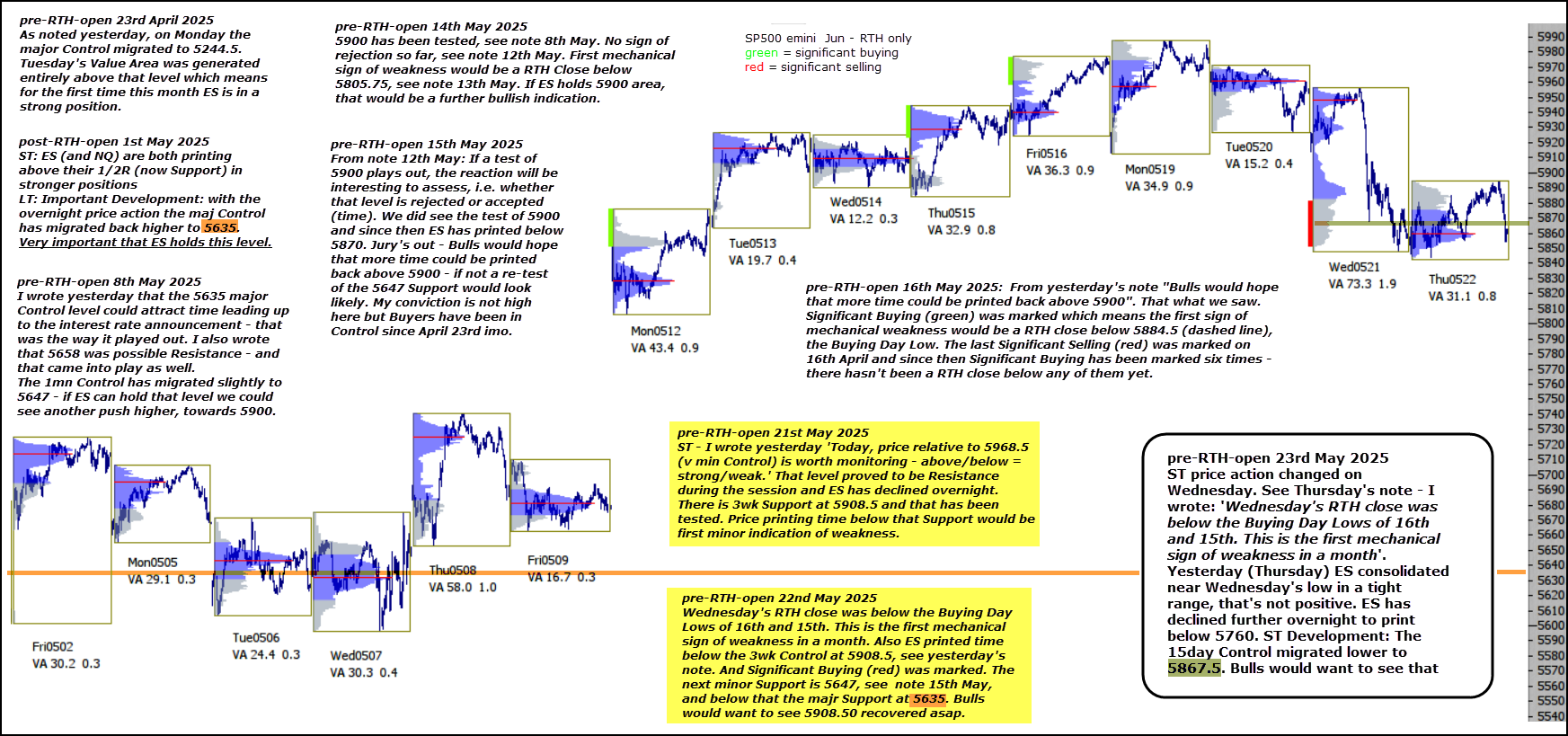
The E-mini S&P 500 futures contract is a smaller, electronically traded version of the standard S&P 500 index futures contract. It allows investors, hedgers, and speculators to gain exposure to the broader US large-cap stock market with reduced capital requirements, high liquidity, and nearly round-the-clock trading hours.
Introduction to E-mini S&P 500 Futures
Financial markets demand flexibility, efficiency, and precise instruments for risk management. Among the most widely traded financial derivatives globally, the E-mini S&P 500 futures contract (ticker symbol: ES) stands out as a cornerstone of modern institutional and retail trading. Introduced by the Chicago Mercantile Exchange (CME) in 1997, the E-mini was designed to democratize access to the benchmark S&P 500 index, which tracks 500 of the largest publicly traded companies in the United States.
Before the creation of the E-mini, standard S&P 500 futures contracts were prohibitively large for individual investors and smaller funds. By sizing the E-mini at one-fifth (20%) of the standard contract, the CME unlocked unprecedented market participation. Today, understanding the structural mechanics, margin requirements, settlement procedures, and macroeconomic role of E-mini S&P 500 futures is essential for any serious market participant navigating contemporary financial markets.
Core Contract Specifications and Mechanics
To trade or hedge with the E-mini S&P 500 successfully, market participants must master its underlying specifications. Every futures contract is a standardized agreement, and the ES contract is governed by rigid parameters established by the CME Group.
Contract Sizing and Multipliers
The monetary value of an E-mini S&P 500 contract is tied directly to the value of the S&P 500 Index multiplied by $50. If the S&P 500 Index is trading at 5,000 points, the notional value of a single ES contract is calculated as follows:
$$\text{Notional Value} = 5,000 \times $50 = $250,000$$
This multiplier ($50 per index point) means that every single 0.25-point movement in the index—known as a tick—translates to a profit or loss of $12.50 per contract.
Expiration Cycles
E-mini S&P 500 futures operate on a quarterly expiration cycle. Contracts expire on the third Friday of March, June, September, and December. The standard month codes for these cycles are H (March), M (June), U (September), and Z (December). For example, the December 2026 contract is designated as ESZ26. While contracts exist out across multiple years, the vast majority of trading volume and liquidity concentrates in the front-month contract that is closest to expiration, necessitating a "roll" strategy for longer-term positions.
Trading Hours and Global Accessibility
One of the primary structural advantages of E-mini S&P 500 futures over traditional equities is their extended trading schedule. While individual stocks are constrained by regular exchange opening hours (typically 9:30 AM to 4:00 PM Eastern Time), the ES contract trades nearly 24 hours a day, five days a week.
The Trading Week
Trading on the CME Globex platform opens on Sunday evening at 6:00 PM Eastern Time and runs through Friday afternoon at 5:00 PM Eastern Time. There is a daily maintenance pause from 5:00 PM to 6:00 PM Eastern Time, during which trading halts briefly.
Impact of Extended Hours
This broad accessibility allows market participants to react instantly to macroeconomic data releases, international geopolitical events, and overnight earnings reports. When overseas markets experience volatility during Asian or European trading sessions, E-mini futures absorb that sentiment, often serving as a reliable indicator of how the US cash equity market will open.
Margin Requirements, Leverage, and Capital Efficiency
Leverage is a defining characteristic of futures trading. It magnifies both potential returns and potential losses, making a clear grasp of margin requirements a non-negotiable prerequisite for market participants.
Initial vs. Maintenance Margin
Unlike stock trading, where buying on margin involves borrowing cash from a broker and paying interest, trading futures requires posting a performance bond, commonly known as margin.
- Initial Margin: The capital required to open a new futures position.
- Maintenance Margin: The minimum equity level a trader must maintain in their account to keep that position open.
Because margin rates fluctuate based on market volatility and exchange rules, brokers adjust these figures periodically. Intraday margin requirements are often significantly lower than overnight margin requirements set by clearing houses. Traders who hold positions past the daily market close must meet the higher overnight threshold, or face an automated liquidation by their broker.
Comparison of Index Products: E-mini vs. Micro E-mini vs. Standard
The CME Group offers several variants tied to the S&P 500 index to accommodate different account sizes and risk profiles. The table below outlines the differences between the standard contract, the E-mini, and the Micro E-mini.
| Feature / Specification | Standard S&P 500 Futures (SP) | E-mini S&P 500 Futures (ES) | Micro E-mini S&P 500 Futures (MES) |
|---|---|---|---|
| Multiplier | $250 per index point | $50 per index point | $5 per index point |
| Minimum Tick Size | 0.10 index points ($25.00) | 0.25 index points ($12.50) | 0.25 index points ($1.25) |
| Primary Venue | CME / Floor & Globex | CME Globex | CME Globex |
| Target Audience | Institutional investors, large funds | Active traders, institutions, hedgers | Retail traders, smaller accounts |
| Liquidity | Moderate to low | Extremely high (Benchmark) | High |
Settlement Mechanics: Cash Settlement vs. Physical Delivery
Understanding how a futures contract concludes is critical for avoiding unwanted obligations. Unlike agricultural or commodity futures where a trader might theoretically take delivery of physical corn or crude oil, financial index futures cannot be physically delivered.
Cash-Settled Contracts
E-mini S&P 500 futures are cash-settled. No actual shares of the 500 underlying companies change hands upon expiration. Instead, the contract is settled in cash based on the Special Opening Quotation (SOQ) of the S&P 500 index on the morning of the contract's expiration. Any remaining open positions are automatically closed out and debited or credited to the trader's account balance based on the final settlement price.
Strategic Applications: Hedging, Speculation, and Asset Allocation
Market participants utilize E-mini S&P 500 futures for three primary functions: hedging, speculation, and portfolio rebalancing.
Hedging Against Portfolio Risk
Institutional managers and long-term equity investors frequently use ES contracts to protect existing stock portfolios against market downturns. By shorting E-mini contracts, a portfolio manager can offset losses in their physical equity holdings during a bear market without having to liquidate individual stock positions, thereby avoiding unnecessary transaction costs and taxable events.
Speculation
Active traders use E-mini futures to capitalize on short-term directional moves in the broader market. Because of the high liquidity and tight bid-ask spreads, day traders and swing traders can enter and exit large positions quickly with minimal slippage.
Asset Allocation and Cash Equitization
Futures allow institutional funds to gain immediate market exposure for incoming cash flows before allocating those funds to individual equities, a practice known as cash equitization.
Common Risks and Pitfalls for Traders
While E-mini S&P 500 futures offer immense flexibility, they also carry substantial risks that can lead to rapid capital depletion.
- Excessive Leverage: The low margin requirements can tempt traders to over-leverage their accounts. A minor adverse price movement can wipe out a significant percentage of account equity if position sizing is managed poorly.
- Overnight Gap Risk: Holding positions outside regular trading hours exposes traders to gap risk, where news breaks while the market is closed, causing the market to open significantly lower or higher than the previous close, bypassing stop-loss orders.
- Rollover Costs and Slippage: Traders who hold positions across quarterly expirations must manually or algorithmically roll their contracts forward, incurring execution costs and potential price slippage between contract months.
Frequently Asked Questions
What is the minimum capital required to trade E-mini S&P 500 futures?
The minimum capital depends entirely on the broker and whether you are trading intraday or holding overnight. While intraday margins can be as low as $500 to $1,000 per contract depending on broker discretion, trading with the absolute minimum margin is strongly discouraged by risk management professionals to prevent immediate margin calls during normal market fluctuations.
How do E-mini futures differ from trading SPY or VOO ETFs?
SPY and VOO are exchange-traded funds that represent physical ownership of shares in a basket mirroring the S&P 500. E-mini futures are leveraged derivatives contracts. ETFs can be held indefinitely without rollover costs, whereas futures expire quarterly. Additionally, futures offer tax advantages in the United States under Section 1256 contracts (treated as 60% long-term and 40% short-term capital gains regardless of holding period).
What happens if I hold an E-mini contract past its expiration date?
Because E-mini S&P 500 futures are cash-settled, you do not receive physical shares. On expiration day, any remaining open position is automatically closed out by the clearing house at the official Special Opening Quotation (SOQ) settlement price, and the resulting profit or loss is settled in cash.
Are E-mini S&P 500 futures traded on weekends?
No. Regular trading closes on Friday afternoon at 5:00 PM Eastern Time and does not resume until Sunday evening at 6:00 PM Eastern Time. There is no weekend trading session for these contracts.
Can retail traders access E-mini futures accounts easily?
Yes. Most major retail futures brokers offer access to CME Globex products. Opening an account requires completing a standard futures application, verifying identity, funding the account, and passing a risk disclosure acknowledgement regarding the risks of leveraged derivatives trading.
Conclusion and Next Actions
The E-mini S&P 500 futures contract remains an indispensable instrument for market participants seeking efficient access to US large-cap equities. Success in trading or hedging with ES requires strict discipline, robust risk management, and a firm grasp of margin rules, contract multipliers, and expiration cycles. For those ready to proceed, the next step involves opening a simulated (paper trading) account with a regulated futures broker to practice order execution, monitor market depth, and test risk management strategies before committing real capital.