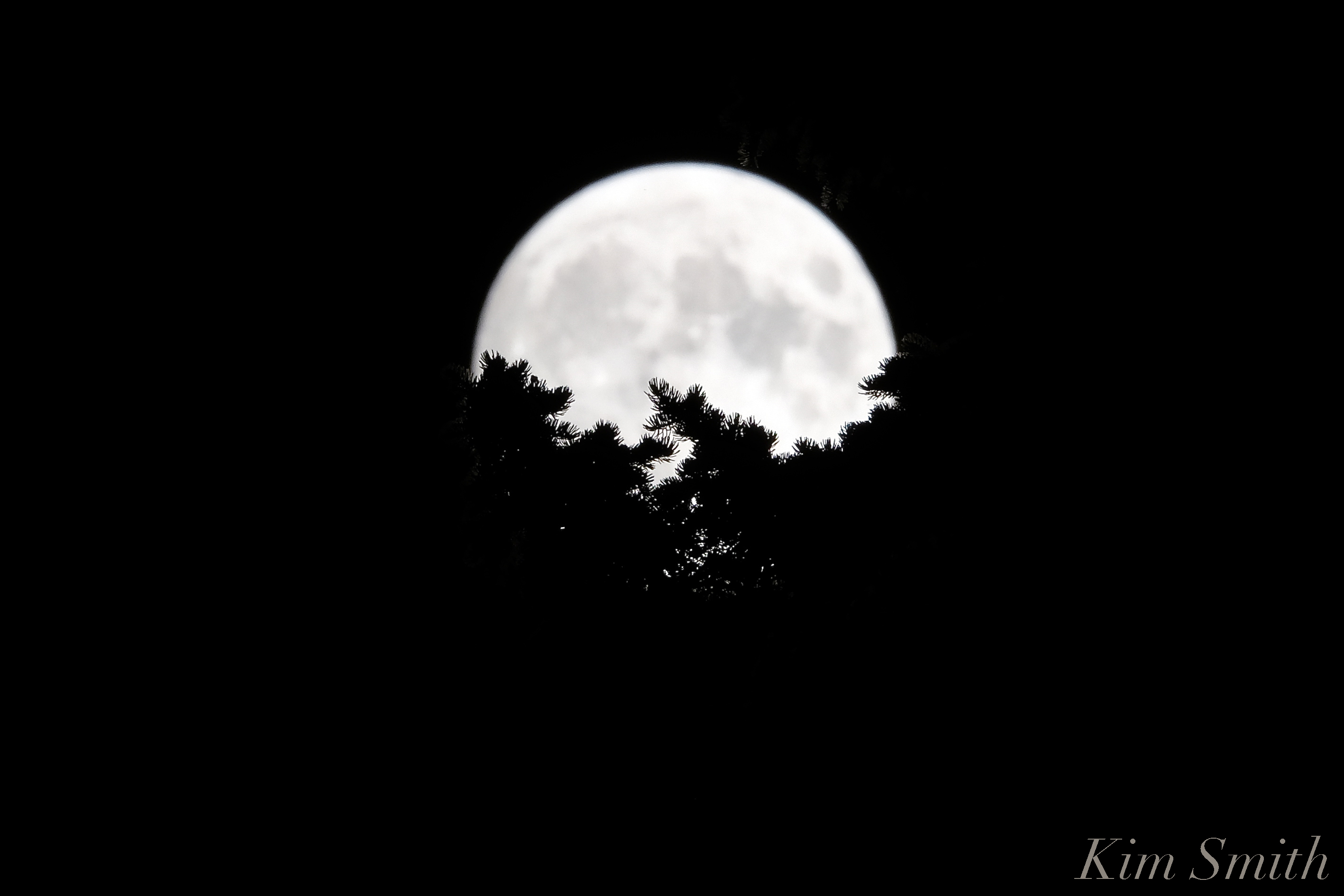
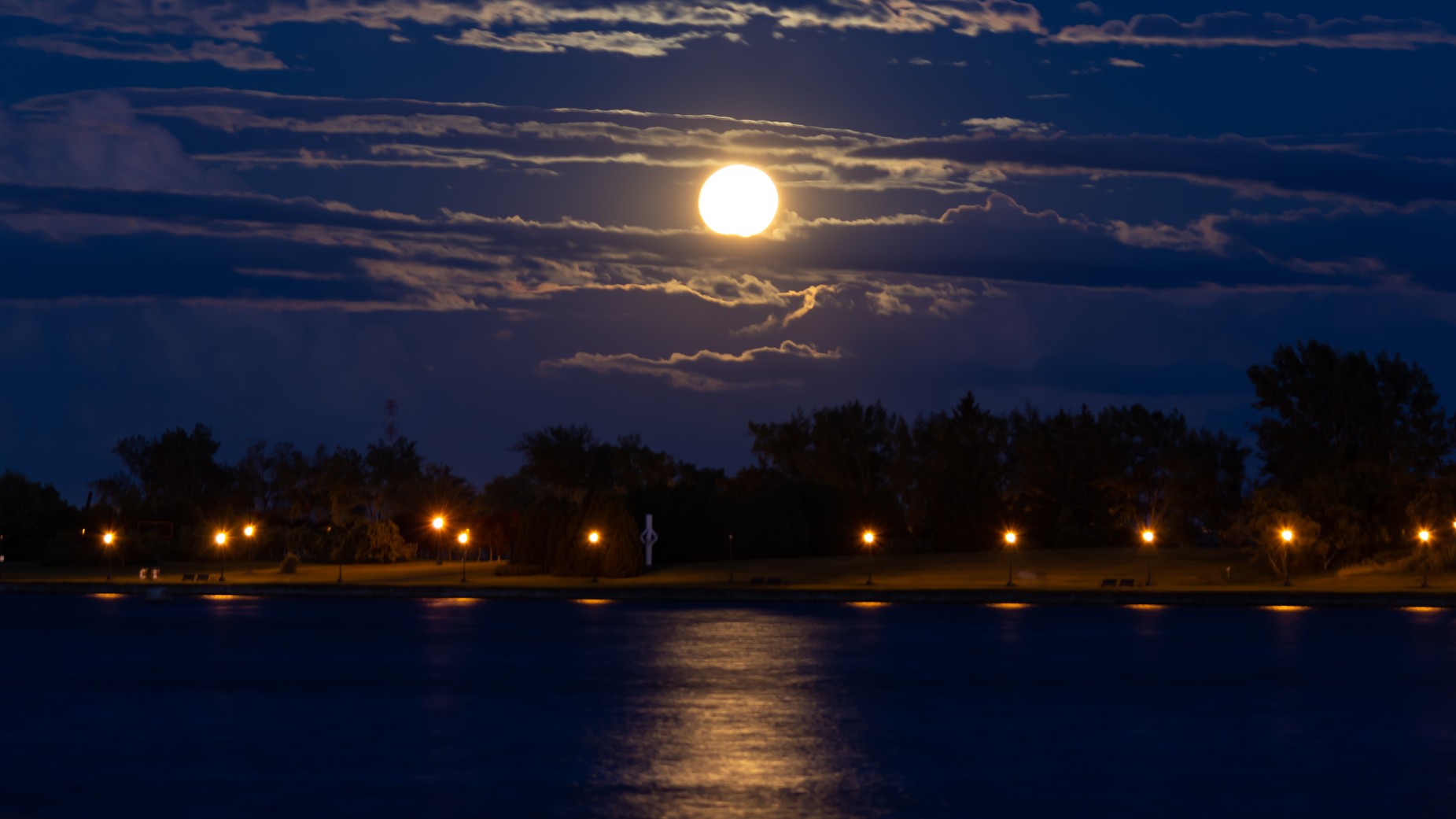
The full moon of August 2019 in the United Kingdom occurred on Thursday, August 15, 2019, reaching its peak illumination at 13:29 BST. Known traditionally as the Sturgeon Moon, this celestial event was visible across the British Isles, providing a significant moment for amateur astronomers and casual observers who tracked lunar phases during that late summer period.
Understanding the Lunar Cycle of August 2019
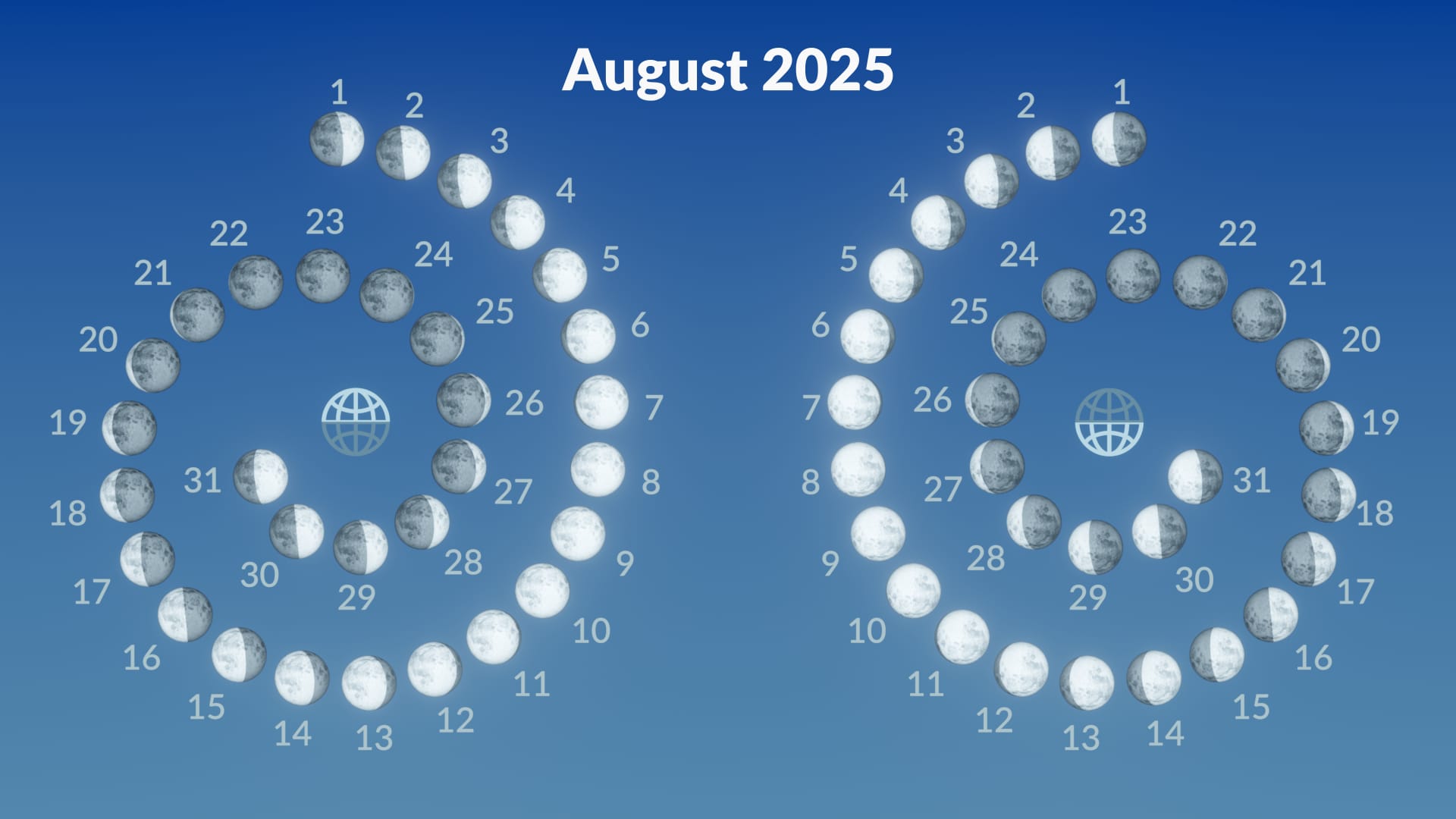
To appreciate the significance of the August 2019 full moon, it is necessary to understand the timing of the lunar synodic month. A synodic month, which is the period between two consecutive full moons, lasts approximately 29.53 days. In 2019, the calendar provided a specific sequence of lunar events that placed the full moon precisely in the middle of August.
In the United Kingdom, the moon reached its "full" phase while it was technically below the horizon for many locations, as the peak illumination occurred in the early afternoon. However, the moon appeared visually full to observers during the evenings of both August 14 and August 15. The phenomenon where the moon appears full for multiple nights is due to the small change in illumination percentage near the peak; the human eye often perceives the moon as 100% illuminated even when it is slightly past or before the absolute astronomical peak.
The Significance of the Sturgeon Moon
The name "Sturgeon Moon" originates from the tradition of various North American indigenous groups, specifically those in the Great Lakes region. These communities observed that the giant sturgeon of the lakes were most readily caught during the month of August. While this naming convention is an import to modern UK astronomical parlance, it has become the standard vernacular used by media outlets and public observatories in the United Kingdom to describe the August full moon.
In 2019, the Sturgeon Moon served as a marker for the transition from the peak of summer toward the impending harvest season. For UK-based observers, the moon’s position in the sky during August is relatively low compared to winter full moons. This is due to the tilt of the Earth’s axis; in the summer, the sun is high in the sky, which forces the full moon—which is always located opposite the sun—to remain at a lower altitude throughout the night.
Astronomical Data and Observational Conditions
Observers in the UK faced specific atmospheric and geographical conditions when tracking the August 2019 moon. Astronomical events are best viewed when the sky is clear, but late summer in Britain often brings humid air and sporadic cloud cover.
Key Timing Details for August 15, 2019
The following table provides the specific astronomical parameters relevant to the UK during the peak of the Sturgeon Moon in 2019.
| Parameter | Data Point |
|---|---|
| Date of Peak Illumination | August 15, 2019 |
| Time of Peak Illumination (BST) | 13:29 |
| Lunar Phase | Full Moon |
| Traditional Name | Sturgeon Moon |
| Constellation Position | Capricornus |
The fact that the moon reached peak fullness at 13:29 meant that in the UK, the moon was effectively invisible due to daylight glare. The optimal viewing window for the "Full" Sturgeon Moon was therefore the night of August 15, as it rose in the eastern sky shortly after sunset.
Technical Factors Affecting Visibility
The visibility of the moon in the United Kingdom is dictated by three primary variables: the latitude of the observer, the time of year, and local meteorological conditions.
1. Latitude and Sky Position
The UK’s northern latitude influences the trajectory of the moon. In August, the moon follows a shallower arc across the southern sky. Observers in Scotland and Northern England might have noticed the moon staying closer to the horizon for longer durations compared to observers in the South of England. This lower altitude can sometimes lead to the "Moon Illusion," where the moon appears larger to the human brain when it is positioned near the horizon, relative to buildings, trees, or distant hills.
2. Meteorological Impact
August 2019 was characterized by varied weather patterns across the UK. Astronomical observation requires stable air—often referred to by astronomers as "good seeing." If the air is turbulent, the moon may appear to shimmer or lose sharpness when viewed through a telescope or binoculars. While the naked eye does not suffer from these effects as dramatically, high-altitude cirrus clouds can create a "halo" effect around the moon, which is a common occurrence during humid August evenings.
3. Light Pollution
For those residing in urban centers like London, Manchester, or Birmingham, light pollution remains the primary hurdle for lunar observation. While the full moon is bright enough to be seen easily despite artificial light, the contrast between the lunar surface and the surrounding sky is reduced. For the best experience in 2019, astronomers recommended finding locations away from city centers to appreciate the full detail of the craters and maria (lunar seas).
Comparing the 2019 Sturgeon Moon to Other Years
The Sturgeon Moon is a recurring annual event, but its specific timing and brightness change slightly every year due to the moon's elliptical orbit. In 2019, the full moon did not coincide with a perigee (where the moon is closest to Earth), meaning it was not classified as a "Supermoon."
Supermoons occur when the full moon coincides with the moon's closest approach to Earth in its orbit. A typical full moon, such as the one in August 2019, appears smaller than a Supermoon but remains a brilliant celestial feature. Comparing the 2019 event to subsequent years shows that the variation in apparent size is subtle, often indistinguishable to the casual observer without specialized equipment or side-by-side photographic references.
Tips for Future Lunar Observation
If you are interested in observing future full moons, the lessons learned from August 2019 remain relevant.
- Check the Rise and Set Times: The most dramatic moments for viewing a full moon are shortly after it rises or just before it sets. At these times, the moon’s position near the horizon provides a sense of scale.
- Use Binoculars for Detail: A standard pair of 10x50 binoculars can reveal significant detail on the lunar surface, specifically the Tycho crater and the dark lunar maria, even for a beginner.
- Avoid Full Moon for Deep Sky Objects: Professional astronomers often avoid the full moon for deep-sky imaging because the intense light washes out dimmer stars, nebulae, and galaxies. However, the full moon is the best time for lunar photography.
- Utilize Free Resources: Numerous astronomical apps and websites provide precise lunar timing for specific UK postcodes, which are necessary because moonrise times can differ by up to 20 minutes between Dover and Edinburgh.
Frequently Asked Questions
Was the August 2019 full moon a Supermoon?
No, the August 2019 full moon was not a Supermoon. A Supermoon requires the full moon to coincide closely with the lunar perigee. The August 2019 moon was a standard full moon, lacking the increased size associated with perigee events.
Why did the moon look full for two nights in August 2019?
The moon appears 100% illuminated at a specific moment, but to the human eye, the difference in illumination between 98% and 100% is negligible. Consequently, the moon appeared essentially full on both the nights of August 14 and August 15, 2019, in the UK.
What is the best way to photograph a full moon?
To photograph the moon, use a tripod to ensure stability. If using a DSLR or mirrorless camera, a telephoto lens (at least 200mm) is recommended. Use a fast shutter speed to compensate for the Earth's rotation and the moon's brightness, and set the focus to infinity.
How does the Sturgeon Moon get its name?
The name is derived from traditional North American folklore. It was adopted because August was the time of year when sturgeon were most abundant and easily harvested in the Great Lakes. This naming convention has been popularized by almanacs and is now widely used globally.
Could I see the August 2019 full moon during the day?
While the moon reached its peak at 13:29 BST, it was not visible in the bright midday sky for most observers. However, in the days surrounding the full moon, the moon often becomes visible in the late afternoon while the sun is still above the horizon.
Conclusion and Next Steps
The full moon of August 2019 in the UK remains a standard reference point for those studying lunar cycles during that decade. For those interested in astronomical observations, the best next step is to obtain a lunar calendar for the current year. By tracking the moon’s phase and its specific position in the night sky, you can better plan your viewing sessions, ensuring you are equipped with the right gear and knowledge to appreciate the celestial mechanics governing the night sky.