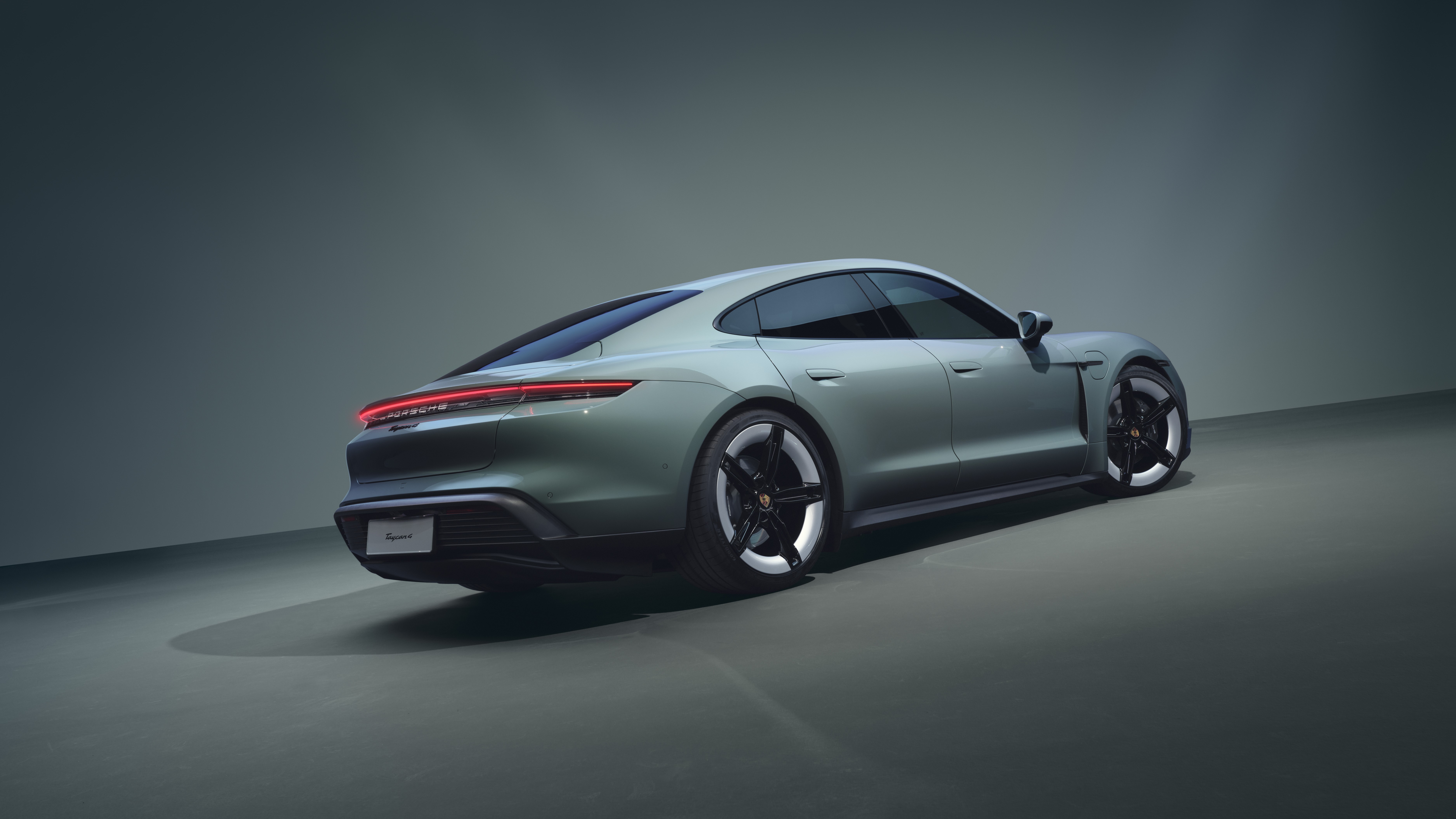
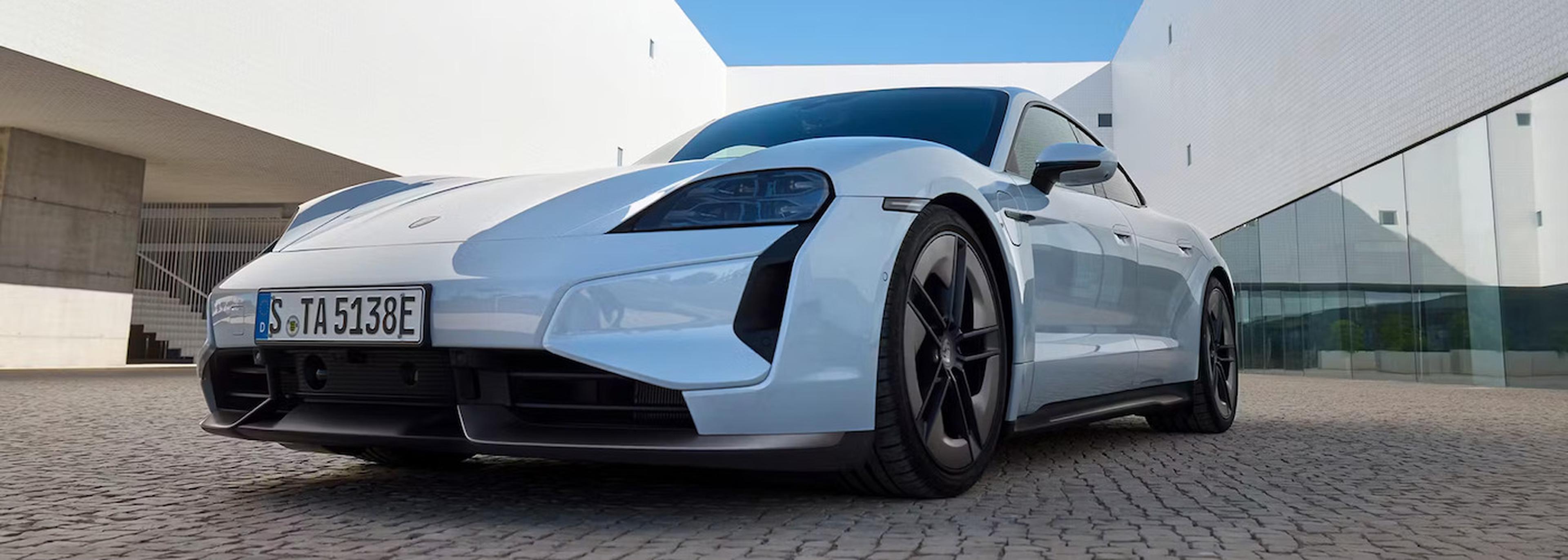
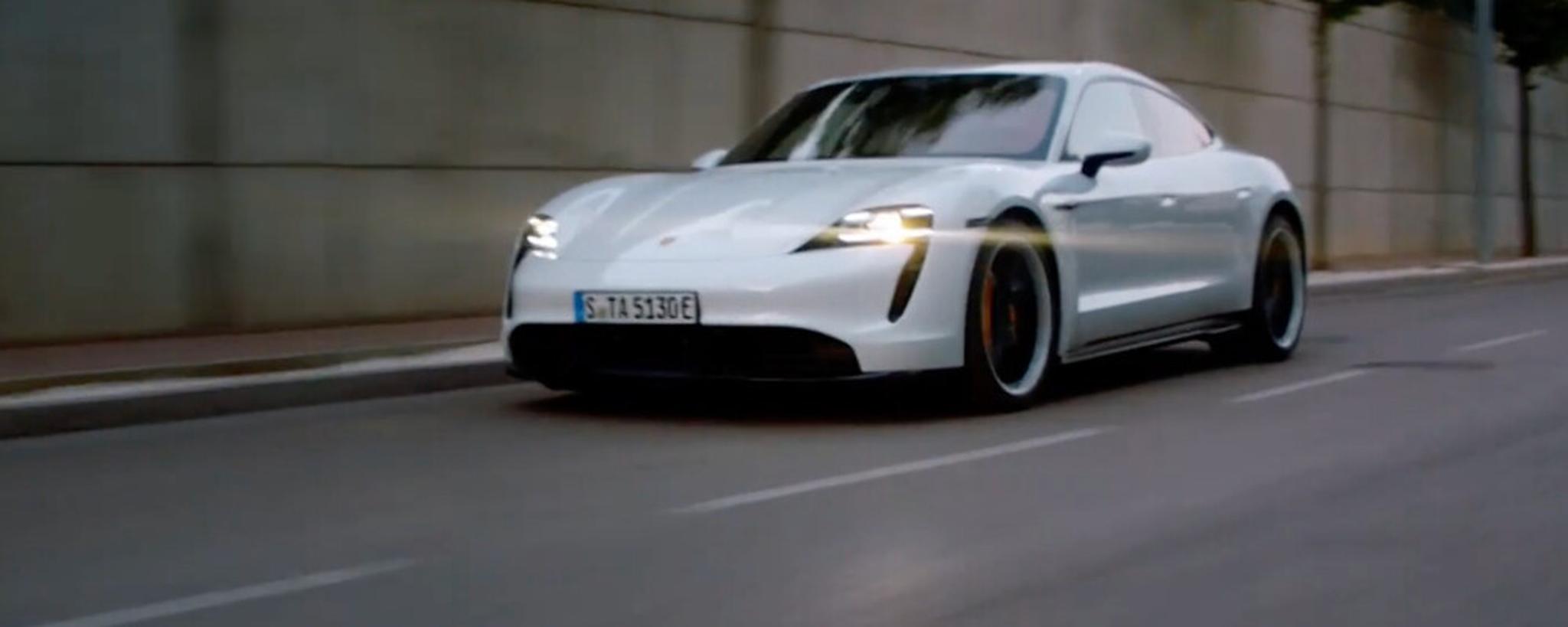
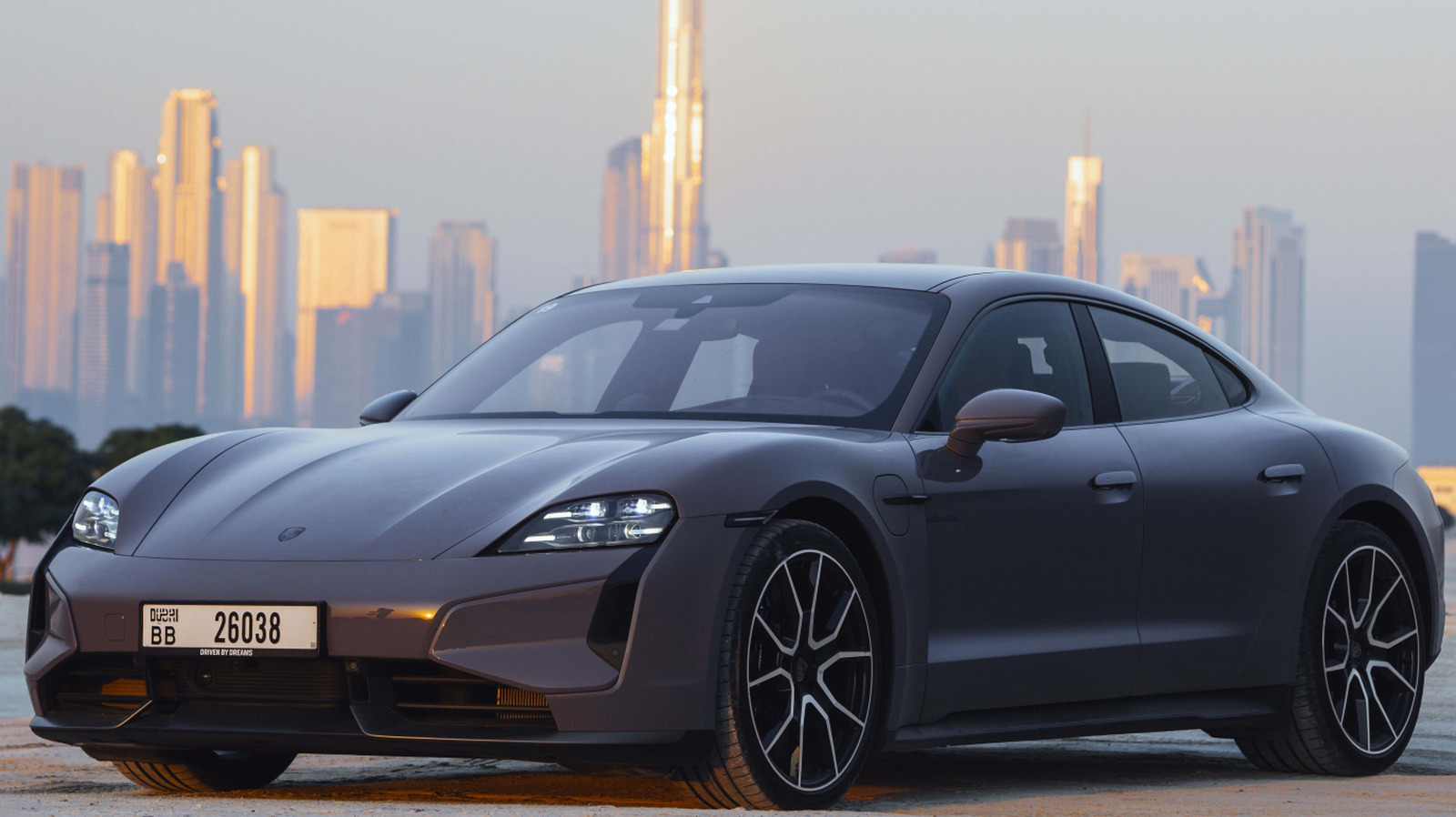
The Porsche Taycan has redefined the performance boundaries of electric vehicles, capturing public fascination with blistering acceleration benchmarks. While the headline-grabbing 1.9-second 0-60 mph capability achieved by variants like the Taycan Turbo GT represents the absolute pinnacle of modern EV engineering, understanding how this vehicle achieves such staggering figures requires a close look at its powertrain architecture, thermal management, and advanced chassis control systems.
The Evolution of Porsche Electric Performance
The introduction of the Porsche Taycan marked the traditional sports car manufacturer's definitive entry into the battery-electric vehicle market. From its initial rollout, Stuttgart's engineering teams prioritized not just straight-line speed, but the ability to deliver repeatable performance under aggressive driving conditions. Unlike many early electric vehicles that suffered from severe power degradation after repeated hard acceleration runs, the Taycan was built to withstand the demands of track use and repeated launch control sequences.
As the model lineup matured, subsequent updates introduced hardware revisions, more efficient permanent magnet synchronous motors, and refined pulse inverters. These incremental developments culminated in the most extreme variants of the platform, pushing the boundaries of what a production four-door sedan can achieve off the line. The pursuit of a sub-2-second zero-to-sixty-mph time shifted from a theoretical goal for hypercars into a verifiable reality for high-end electric luxury performance sedans.
Dissecting the 1.9-Second Claim: Variant Identification and Testing Conditions
Achieving a 0-60 mph time of approximately 1.9 seconds is not a baseline metric across the entire Taycan family. This specific benchmark is associated with the highest-tier track-focused variants equipped with the Weissach package, such as the Porsche Taycan Turbo GT.
To put this figure into perspective, it places the heavy, road-going luxury sedan into territory previously occupied exclusively by multi-million-dollar lightweight hypercars. However, achieving this exact time depends heavily on optimal real-world conditions:
- Surface Traction: High-friction asphalt or prepared drag strips with optimal rubber buildup.
- Battery State of Charge: High state of charge (typically above 80%) to ensure maximum voltage delivery.
- Thermal Management: Pre-conditioned battery and motor temperatures operating within the optimal window.
- Equipment: Utilization of the integrated Launch Control system and the temporary overboost function (Attack Mode on track variants).
| Taycan Variant | Estimated 0-60 MPH Time | Peak Overboost Power | Notable Performance Hardware |
|---|---|---|---|
| Taycan 4S | ~3.4 - 3.7 seconds | Up to 598 hp | Dual-motor layout, standard adaptive air suspension |
| Taycan Turbo | ~2.4 - 2.6 seconds | Up to 881 hp | Upgraded pulse inverter, larger rear motor |
| Taycan Turbo S | ~2.3 seconds | Up to 938 hp | Carbon-ceramic brakes, torque vectoring plus |
| Taycan Turbo GT (Weissach) | ~1.9 seconds | Up to 1,092 hp | Weight reduction, aggressive aerodynamics, track tuning |
Powertrain Engineering: How the Taycan Delivers Instant Torque
The mechanical secret behind the Taycan's launch capability lies in its sophisticated dual-motor setup and a unique two-speed transmission mounted on the rear axle. While the vast majority of electric vehicles utilize a single-speed reduction gear, Porsche engineers integrated a two-speed gearbox to optimize both initial launch traction and sustained high-speed efficiency.
The Two-Speed Rear Transmission
- First Gear: Utilized exclusively during aggressive launch sequences or maximum acceleration events. It delivers an exceptionally high gear ratio that multiplies the immense torque of the permanent magnet synchronous motor, translating to violent, instant acceleration off the line.
- Second Gear: A longer gear ratio optimized for high-speed cruising efficiency and top-end performance, allowing the rear motor to sustain high rotational speeds without sacrificing energy efficiency on the highway.
Silicon Carbide Pulse Inverters
Top-tier Taycan models utilize high-performance pulse inverters on the rear axle capable of delivering massive electrical currents. By utilizing advanced semiconductor materials such as silicon carbide, these inverters reduce switching losses, allow for higher switching frequencies, and efficiently channel battery power directly to the stators with minimal thermal throttling.
Chassis Dynamics, Weight Management, and Aero
A zero-to-sixty time of 1.9 seconds generates immense gravitational forces, placing extreme loads on the tires and chassis components. Managing a vehicle weighing over 5,000 pounds during such a violent acceleration event requires more than raw power; it demands advanced vehicle dynamics integration.
Porsche Active Ride Suspension
The introduction of the Porsche Active Ride suspension system represents a major leap in vehicle control. Unlike traditional anti-roll bars and passive dampers, this hydraulic-based system can actively regulate the compression and rebound forces at each individual wheel almost instantaneously. During a hard launch, the system counteracts squat, keeping the chassis level and maximizing the contact patch of all four tires against the pavement to eliminate wheel slip.
Aerodynamic Downforce and Weight Reduction
In models optimized for the 1.9-second benchmark, such as the Taycan Turbo GT with the Weissach package, engineers shed considerable weight by removing the rear seats, utilizing extensive carbon-fiber components, and stripping away non-essential luxury items. Coupled with a fixed rear wing and underbody air management elements, these aerodynamic modifications generate significant downforce at speed, ensuring high-speed stability that matches the car's explosive acceleration capability.
Practical Considerations and Real-World Limitations
While the engineering specifications are undeniably impressive, prospective owners and automotive enthusiasts must understand the practical realities of operating a vehicle capable of 1.9-second acceleration runs.
- Tire Wear: Launching a heavy electric vehicle with over 1,000 horsepower places immense shear stress on the rubber compounds. Specialized high-performance tires are required, and aggressive driving will drastically shorten tire lifespans.
- Energy Consumption: Utilizing Launch Control repeatedly consumes a noticeable percentage of the high-voltage battery pack and generates substantial thermal energy, requiring cool-down cycles managed by the vehicle's complex liquid-cooling loops.
- Infrastructure and Legal Limits: Public roads rarely offer the grip required to replicate track-tested figures safely. Furthermore, legal speed limits in most jurisdictions are surpassed within the duration of a single launch event.
Frequently Asked Questions
Does the Porsche Taycan Turbo GT achieve 1.9 seconds without the Weissach package?
The standard Taycan Turbo GT achieves a 0-60 mph time of approximately 2.1 seconds. The addition of the track-focused Weissach package reduces this time to 1.9 seconds primarily through aggressive weight reduction and enhanced aerodynamic downforce, which improves off-the-line traction.
How does launch control work in a high-performance electric vehicle?
Porsche Launch Control synchronizes the battery output, pulse inverters, and dual motors while pre-loading the suspension. When the driver depresses both the brake and accelerator pedals simultaneously, the system builds maximum electrical current and locks the two-speed transmission in first gear. Releasing the brake instantly unleashes maximum torque without wheel spin via real-time slip regulation.
Can the Taycan repeat 1.9-second launches consecutively without overheating?
The Taycan features a robust thermal management system that cools the battery cells, motors, and inverters. While it handles repeated performance runs much better than early-generation EVs, sustained track use or back-to-back launch control sequences will eventually trigger thermal safeguards to protect electrical components from degradation.
Why do some electric vehicles use a two-speed transmission while others use one?
Most electric vehicles utilize a single-speed transmission because electric motors have a very wide operational rev range. However, Porsche implemented a two-speed unit on the rear axle of the Taycan to combine an extremely short first gear for maximum initial launch acceleration with a taller second gear for efficient high-speed autobahn cruising.
What is Attack Mode on the Porsche Taycan Turbo GT?
Attack Mode is a driver-selectable feature inspired by motorsport applications. It provides a temporary power boost of up to 160 horsepower for a duration of 10 seconds, accessible via a steering wheel button or paddle, delivering maximum acceleration capability for overtaking or track driving.
Conclusion and Next Actions
The ability of a luxury production sedan to accelerate from zero to sixty mph in 1.9 seconds demonstrates the staggering potential of modern electric powertrain engineering. For those evaluating the Taycan lineup, understanding the distinction between standard variants and track-focused flagships ensures proper alignment with performance expectations. Prospective buyers should schedule a supervised test drive at an authorized Porsche dealership to experience the real-world deployment of instant torque, chassis control, and braking performance firsthand.