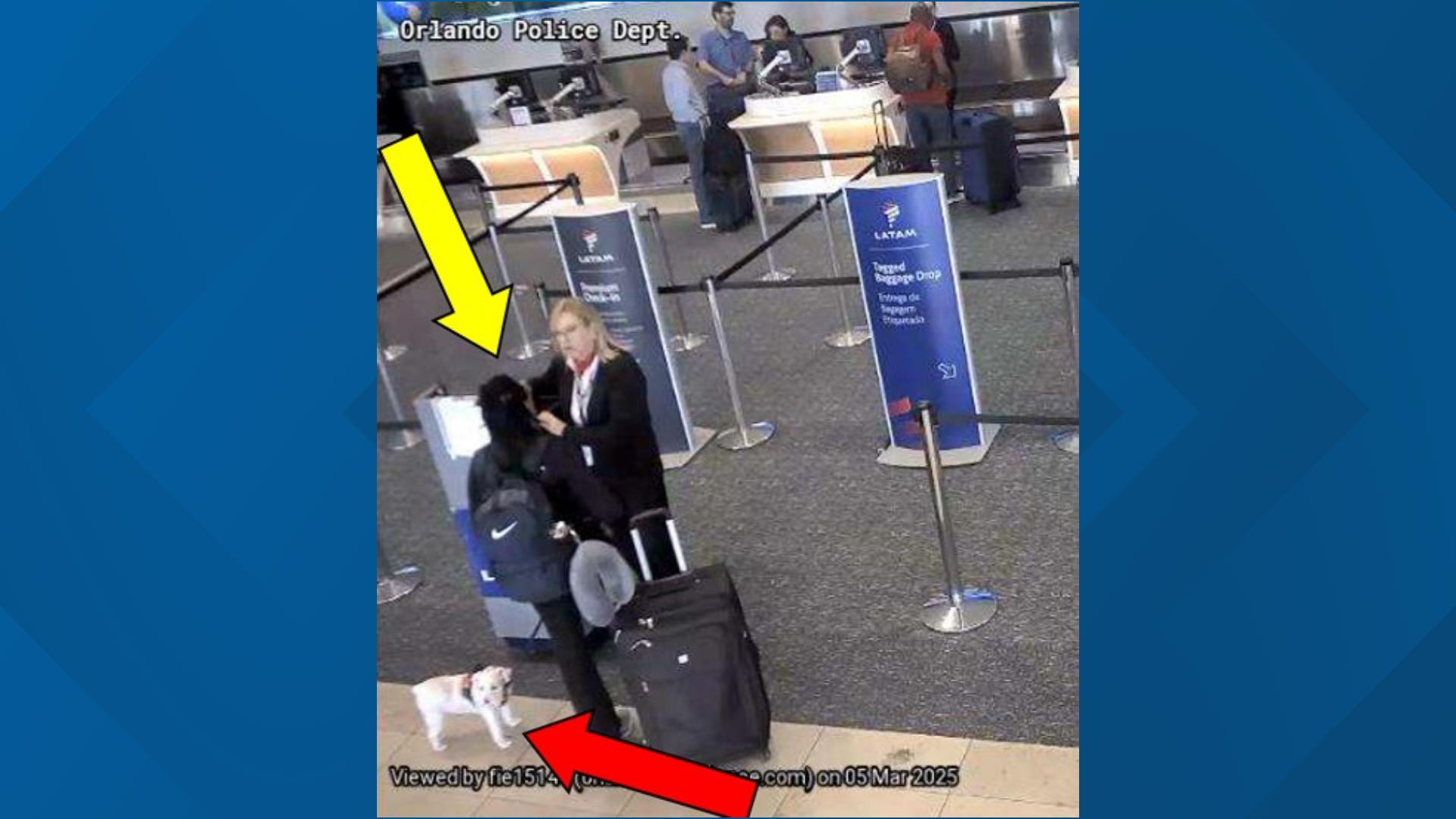
When a woman abandons her dog at an airport, the incident immediately triggers a complex cascade of animal control protocols, airline security evaluations, airport law enforcement investigations, and broad public scrutiny. Such high-profile abandonment cases—frequently documented in major news reports across various international aviation hubs—expose critical legal vulnerabilities in animal transport regulations while raising urgent questions regarding pet safety, owner accountability, and the operational responsibilities of transportation authorities.
The Anatomy of Airport Pet Abandonment Incidents
Airport pet abandonment cases typically emerge when travelers face strict airline carriage requirements, unexpected quarantine fees, missing documentation, or personal distress, leading them to leave their animals behind in terminals, parking structures, or security checkpoints. Unlike standard cases of domestic pet abandonment, leaving an animal within a secure or semi-secure aviation facility introduces immediate logistical and security challenges. Airports are high-traffic, highly regulated environments where unattended objects or living creatures create potential security anomalies, prompting rapid intervention by airport operations teams and law enforcement agencies.
When a pet is discovered abandoned, terminal management coordinates with local animal control authorities or on-site humane societies to ensure the animal receives immediate veterinary triage. The timeline from discovery to rescue is often compressed due to the public nature of airport terminals and the presence of closed-circuit television (CCTV) surveillance. Law enforcement routinely reviews security footage to identify the individual responsible, trace flight manifests, and determine whether the act constitutes criminal animal abandonment under local or national statutes.
Legal Frameworks and Criminal Classifications
The legal consequences of abandoning a dog at an airport are severe, frequently crossing the threshold from civil infractions to criminal misdemeanor or felony charges depending on the jurisdiction. Animal cruelty and abandonment laws vary significantly by state and country, but prosecutors generally evaluate several aggravating factors when determining formal charges:
- Intent and Premeditation: Investigators examine whether the abandonment was a spontaneous panic reaction to denied boarding or a calculated act of leaving the animal behind before a flight.
- Risk of Injury or Death: Airports present extreme hazards, including heavy vehicular traffic, industrial machinery, jet blast zones, and temperature extremes in tarmac or parking areas.
- Suffering and Distress: The duration of the animal's exposure, lack of food and water, and signs of psychological distress heavily influence charge severity.
- Jurisdictional Statutes: Federal aviation regulations intersect with municipal and state animal protection laws, allowing for multiple layers of legal penalties.
| Jurisdiction / Legal Level | Typical Charges | Potential Penalties |
|---|---|---|
| Municipal / Local | City ordinance violation, leash law breach | Fines up to $1,000, community service |
| State / Provincial | Misdemeanor animal abandonment | Up to 1 year imprisonment, probation, mandatory counseling |
| Aggravated / Felony | Felony animal cruelty (if injury occurs) | 1 to 5 years incarceration, steep financial restitution |
| Aviation Security | Interference with airport operations | Civil fines levied by transportation security agencies |
Airline Regulations and Pet Transport Compliance
Understanding the regulatory landscape enforced by commercial airlines helps clarify the pressure points that sometimes precede abandonment incidents. Airlines maintain strict, non-negotiable policies regarding animal transport in the cabin, checked baggage, or cargo holds. These rules are designed to protect animal welfare, ensure compliance with destination country import laws, and maintain cabin safety.
Carrier Requirements and Documentation
Travelers attempting to fly with domestic animals must adhere to a rigid checklist of requirements. Failure to meet any single requirement can result in denied boarding at the check-in counter or boarding gate:
- Approved Carriers: Containers must meet International Air Transport Association (IATA) specifications, ensuring adequate ventilation, secure locking mechanisms, and sufficient space for the animal to stand, turn around, and lie down naturally.
- Health Certificates: Most jurisdictions require a certified veterinarian's examination statement issued within a specific window (usually 10 days) prior to travel, confirming the animal is fit to fly and free of infectious diseases.
- Vaccination Records: Proof of current rabies vaccination and any destination-mandated immunizations must accompany the animal's paperwork.
- Import Permits: International travel often requires advance clearance from the destination nation's department of agriculture or quarantine authority.
When passengers arrive at an airport without these credentials, airlines have no legal obligation to board the animal, and quarantine or holding options at major airports are virtually nonexistent. This operational rigidity occasionally exposes vulnerabilities when unprepared owners face impossible choices between missing their flights or abandoning their pets.
Animal Welfare and Emergency Veterinary Response
The physiological and psychological impact of abandonment on a domestic dog is profound. Dogs experience acute stress, panic, and confusion when separated from their primary caregivers in unfamiliar, noisy, and chaotic environments like airport terminals. The immediate response of animal rescue personnel focuses on stabilizing the animal and mitigating trauma.
Upon intake, shelter veterinarians perform comprehensive assessments to check for microchips, scan for underlying medical conditions, and evaluate behavioral stability. Many airports partner with dedicated animal rescue organizations that specialize in rehabilitating displaced pets. These organizations provide temporary fostering, socialization, and eventual rehoming for animals whose owners face criminal prosecution and permanent forfeiture of ownership rights.
Preventive Measures and Best Practices for Traveling Pet Owners
To eliminate the risk of pet travel crises, owners must engage in thorough preparation well in advance of departure dates. Navigating pet air travel successfully requires a proactive approach to logistics, financial planning, and regulatory compliance.
- Verify Airline Policies Early: Review specific airline rules regarding breed restrictions, weather embargoes for cargo holds, and in-cabin carrier dimensions months before booking.
- Consult a Veterinarian: Ensure all vaccinations, microchipping, and health certifications comply precisely with both the airline's rules and the destination country's import laws.
- Practice Crate Training: Acclimatize the dog to its travel crate weeks prior to the flight to reduce travel anxiety and ensure the animal views the enclosure as a safe space.
- Have a Contingency Plan: Always establish a backup plan—such as a local pet boarding facility or trusted friend—in the event that travel documents are rejected or unexpected boarding complications arise.
Broader Societal and Media Impact of Abandonment Cases
High-profile media coverage of airport pet abandonment cases often serves as a catalyst for public outrage and broader legislative debates. Animal rights advocates utilize these incidents to push for stricter enforcement of existing animal protection laws, mandatory microchipping registration, and improved education regarding responsible pet ownership. Furthermore, public pressure frequently encourages airport authorities to install clearer signage regarding local animal shelters and emergency surrender options, ensuring that distressed travelers have legal, humane alternatives when travel plans collapse.
Conclusion
The scenario of a woman leaving her dog at an airport encapsulates a convergence of strict travel regulations, individual unpreparedness, and severe ethical and legal breaches. While aviation security and airline policies enforce rigorous standards for animal transport, the ultimate responsibility rests with pet owners to ensure full compliance and humane treatment. Through stringent legal accountability, robust animal welfare intervention, and proactive travel planning, stakeholders can work to prevent such occurrences and safeguard domestic animals from the severe hazards of abandonment.