The survival of a hiker who falls off a mountain during a typhoon depends on immediate self-stabilization, the ability to find or create shelter from extreme wind and rain, and the endurance to wait for a rescue window. In such conditions, aerial search and rescue (SAR) is usually impossible due to high winds and zero visibility, shifting the burden of rescue to ground teams or the victim's own survival gear and fortitude.
The Convergence of Hazards: Why Typhoons are Lethal for Hikers
When a hiker is caught in a typhoon—a mature tropical cyclone—the environment transforms into a multi-hazard zone where the terrain itself becomes unstable. A fall in these conditions is rarely a simple accident; it is often the result of "mechanical turbulence" or "terrain-induced gusts." As of 2026, meteorological modeling has improved, but the physical impact of 150 km/h winds on a human body remains a constant.
The primary danger during a typhoon fall is the combination of gravity and wind-driven force. On a mountain, wind speeds can double as they are squeezed over ridges and through cols—a phenomenon known as the Venturi effect. A hiker standing near a precipice can be physically lifted or pushed off-balance by a sudden gust that exceeds 100 knots. Once the fall begins, the saturated ground (due to torrential rainfall) often leads to "lubricated" surfaces. Grass, mud, and even scree lose their friction, turning a minor slip into a long-distance slide or a catastrophic tumble over a cliff edge.
Furthermore, the rain associated with typhoons is not merely a nuisance; it is a blinding force. Visibility often drops to less than five meters, making it impossible for a hiker to see the edge of a trail or distinguish between a solid path and a crumbling ledge. If a hiker falls during these conditions, they are likely to end up in a "terrain trap"—a gully or ravine where water runoff accumulates rapidly, increasing the risk of drowning or being swept away by a flash flood or debris flow.
Immediate Post-Fall Survival: The First 60 Minutes
The "Golden Hour" in wilderness medicine takes on a more desperate meaning during a typhoon. If a hiker survives the initial impact of a fall, their immediate priority is not signaling for help, but mitigating the onset of hypothermia. In 2026, advanced synthetic insulators and emergency bivvies have increased survival rates, but the physics of heat loss remains a formidable enemy.
Addressing Trauma and Shock
Upon landing, the survivor must perform a rapid self-assessment. Adrenaline often masks severe injuries like internal bleeding or spinal fractures. In a typhoon, the sound of the wind and rain is deafening—reaching levels of 90 to 110 decibels—which can induce a state of sensory overload and panic. The survivor must find a way to stay calm. If they can move, they must prioritize getting out of the "fall line" where rocks and debris loosened by the storm might continue to tumble down on top of them.
The Battle Against Convective Heat Loss
Wind chill during a typhoon is extreme. Even in tropical climates, the combination of being soaked to the skin and exposed to high-velocity winds can lead to a drop in core body temperature within minutes. This is known as convective heat loss. A fallen hiker must immediately utilize a "vapor barrier" or an emergency space blanket. However, in high winds, these thin blankets are often shredded or blown away. The goal is to find a "micro-climate"—a hollow behind a boulder, a shallow cave, or a dense thicket of stunted trees—that breaks the wind's direct path.
Search and Rescue (SAR) Limitations During Extreme Weather
One of the most misunderstood aspects of a mountain emergency during a typhoon is the timeline for rescue. Many hikers believe that a Personal Locator Beacon (PLB) or a satellite messenger (like Garmin InReach or modern 2026-era smartphone satellite SOS) will bring a helicopter within hours. During a typhoon, this is a dangerous misconception.
Why Helicopters Cannot Fly
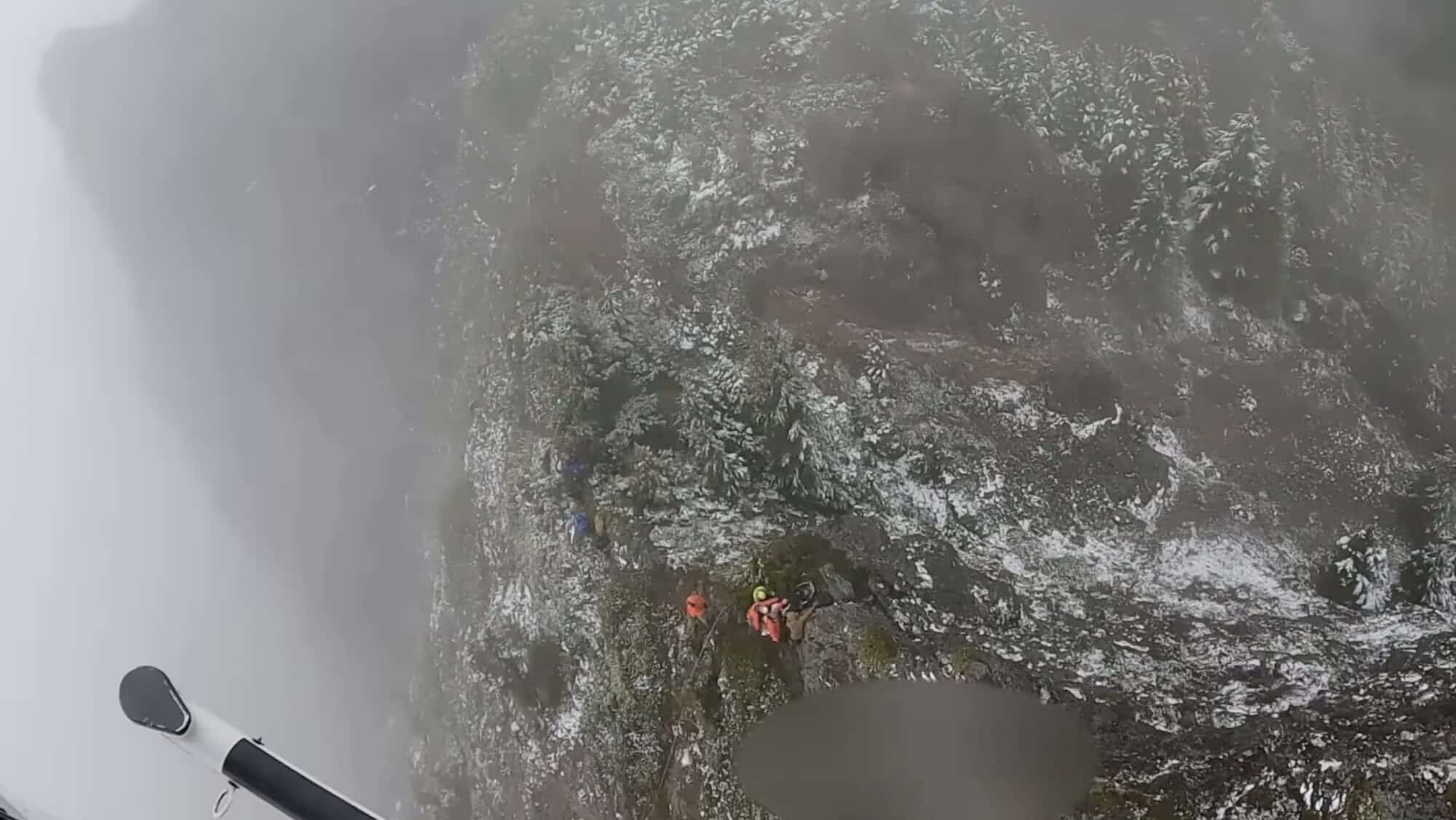
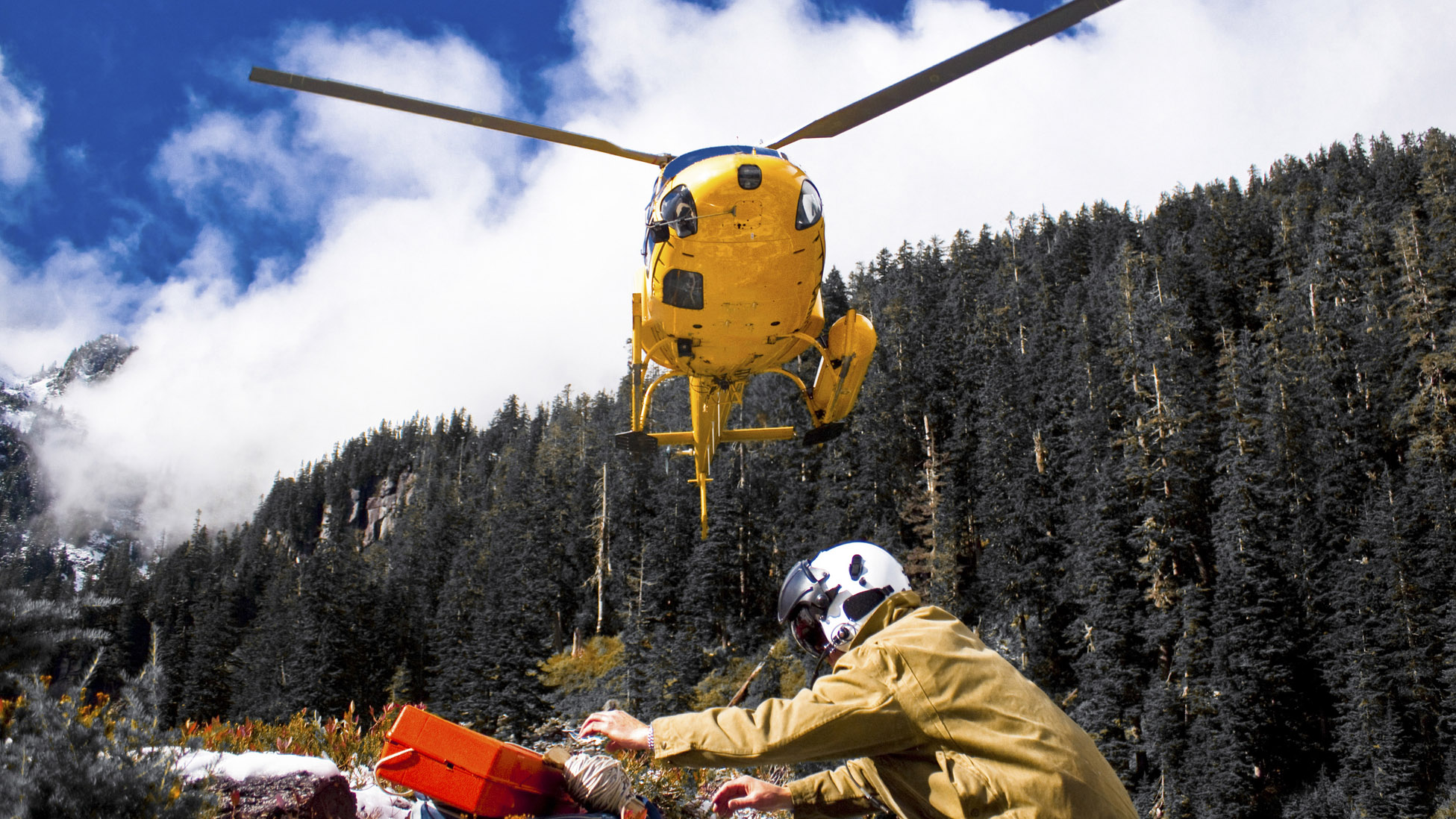
Most SAR helicopters have a "maximum wind gust" limitation, often between 45 and 55 knots (approx. 83–102 km/h). During a typhoon, winds frequently exceed these limits. Furthermore, the "cloud ceiling" or the height of the clouds often sits directly on the mountainside. Pilots cannot fly into "OVC" (overcast) conditions in rugged terrain because of the risk of Controlled Flight Into Terrain (CFIT). Even if a helicopter could take off, the extreme turbulence and lack of visibility make winching operations or "toe-in" landings suicidal for the crew.
Ground Team Deployment Realities
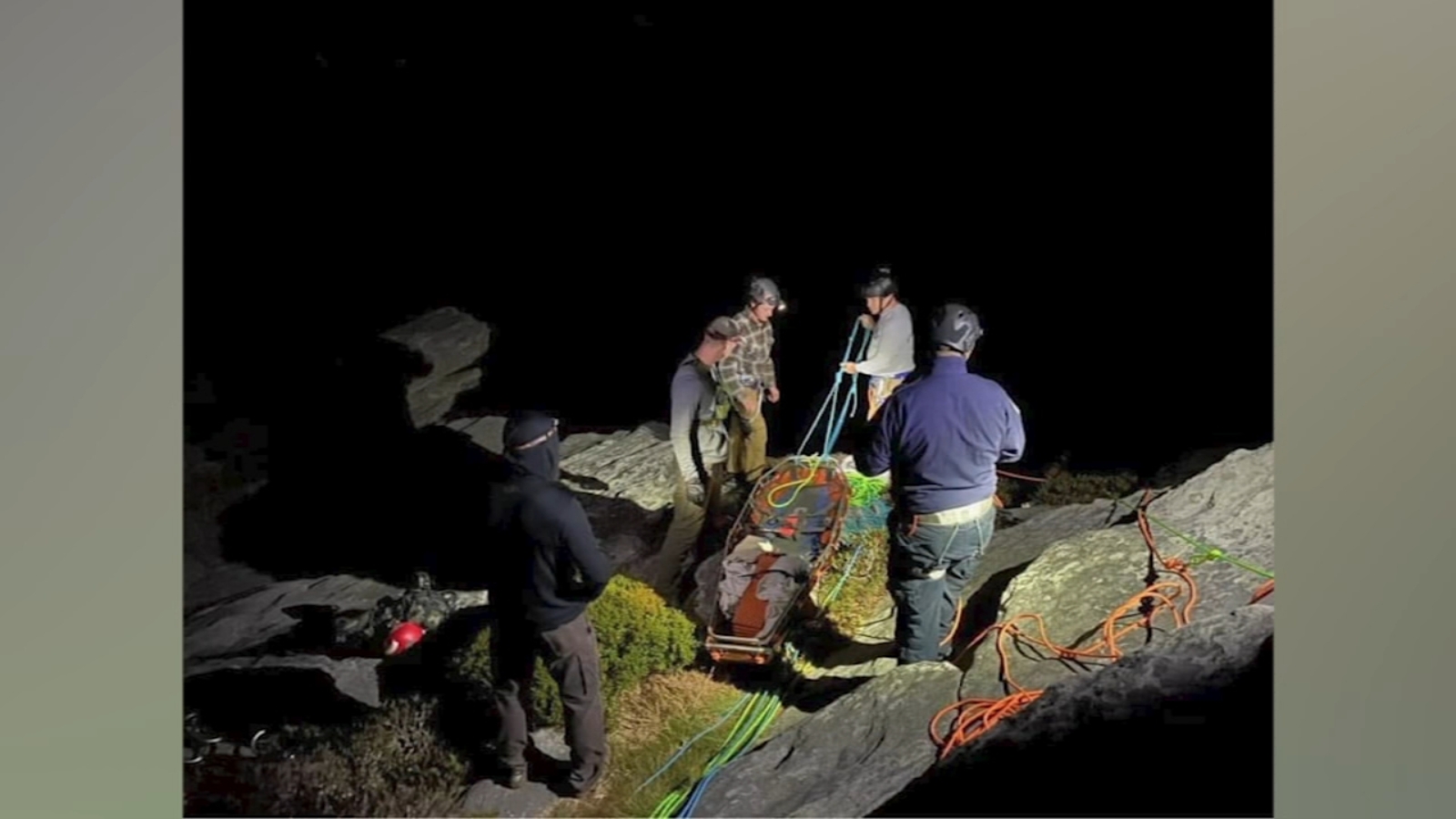
When the air is grounded, rescue falls to ground teams. However, typhoon conditions make mountain trails treacherous for rescuers as well.
- Landslide Risk: Saturated slopes are prone to landslides and "mud-clotted" debris flows.
- River Crossings: Small streams that a hiker crossed easily on the way up can become impassable, raging torrents during a typhoon.
- Communication Barriers: Radio signals and even satellite communications can be degraded by the intense atmospheric electrical activity and the physical density of the rain.
Consequently, a fallen hiker must be prepared to survive for 24 to 72 hours before a rescue team can physically reach their location.
Comparing Rescue Conditions: Standard vs. Typhoon
The following table illustrates the stark differences in rescue capability and survival variables during a standard mountain emergency versus one occurring during a typhoon.
| Variable | Standard Mountain Rescue | Typhoon Mountain Rescue |
|---|---|---|
| Response Time | 2–6 Hours (Aerial) | 24–72+ Hours (Ground Only) |
| Primary Risk | Injury Severity | Hypothermia & Drowning |
| SAR Strategy | Rapid Extraction | Delayed Recovery/Sustainment |
| Visibility | 1 km to 50 km | 0 to 10 meters |
| Wind Speed | 0–20 km/h | 100–200+ km/h |
| Communication | Highly Reliable | Intermittent/Failed |
| Medical Priority | Trauma Stabilization | Thermal Management |
Medical Consequences of Prolonged Exposure
A hiker who has fallen and is stuck on a mountainside during a typhoon faces a "cascade of failures" within the body. Beyond the obvious trauma of broken limbs or head injuries, the environmental factors create specific medical emergencies.
The "Hydro-Hypothermic" Effect
In standard hypothermia, dry cold is the enemy. In a typhoon, the "hydro" element—water—conducts heat away from the body 25 times faster than air. If the hiker is wearing cotton or poor-quality base layers, they will experience "immersion-like" cooling even if they aren't in a body of water. By the 12-hour mark, if they haven't secured a dry environment, they may enter Stage II hypothermia, characterized by the cessation of shivering and the onset of mental confusion.
Crush Syndrome and Suspension Trauma
If the hiker is pinned by debris or is hanging by a harness or caught in a crevice, they risk "Crush Syndrome." When a limb is compressed for several hours, toxins build up in the muscle tissue. Once the pressure is released (during rescue), these toxins can rush to the heart and kidneys, causing systemic failure. This requires specialized "field medicine" where rescuers must administer IV fluids before even moving the patient.
Prevention and Decision-Making: The "Go/No-Go" Framework
As of 2026, the hiking community has shifted toward more rigorous "pre-trip assessment" protocols to avoid these exact scenarios. The most effective way to survive a fall during a typhoon is to never be on the mountain when a storm is forecasted.
Forecasting and Monitoring
Modern hikers use hyper-local weather apps that provide "mountain-specific" forecasts. These take into account the altitude-dependent pressure drops and wind acceleration. A "Typhoon Warning" is an absolute "No-Go" signal. Even if the storm is predicted to pass 100 miles away, the "outer bands" can produce localized conditions that are indistinguishable from the storm's eye.
Understanding "Summit Fever"
Many accidents occur because hikers are already on the mountain when the storm accelerates its pace. "Summit fever"—the psychological drive to finish a goal despite clear danger—is a primary cause of typhoon-related deaths. Hikers must establish "Turn-Around Times" (TAT) and "Environmental Triggers" (e.g., "If wind gusts reach a level where I cannot stand on one leg, I must descend immediately").
Essential Gear for Extreme Survival
If a hiker finds themselves in this nightmare scenario, their "10 Essentials" must be tailored for extreme wind and water.
- The Bothy Bag: Unlike a tent, which can blow away, a Bothy Bag is a large, waterproof "bubble" that a hiker sits inside. It uses their own body heat to warm the air and provides immediate relief from wind and rain.
- PLB with External Antenna: In deep ravines, satellite signals are weak. High-gain antennas are essential for getting an SOS through the thick cloud cover.
- Whistle and High-Intensity Strobe: Rescuers will not be able to hear a human voice over a typhoon. A whistle (120+ decibels) and a strobe light that can penetrate fog are the only effective short-range signals.
- High-Calorie, No-Cook Food: In a state of hypothermia, the body needs fuel to generate heat. A hiker cannot operate a stove in 100 km/h winds, so "energy gels" and fats are critical.
Frequently Asked Questions
Can a hiker survive a fall into a mountain ravine during a typhoon?
Survival is possible but depends entirely on the severity of the initial trauma and the ability to find shelter. The greatest threat after the fall is not the injuries themselves, but the rapid onset of hypothermia due to wind and rain. If the hiker can stay dry and out of the wind, their chances of survival increase significantly until the storm passes and SAR teams can deploy.
Why don't search and rescue teams use drones during a typhoon?
While drone technology in 2026 is highly advanced, most drones cannot operate in typhoon-force winds. The "stability algorithms" of standard drones are overwhelmed by gusts exceeding 60-70 km/h. Furthermore, the heavy rain can penetrate the drone's electronics or obscure the camera lens, making the footage useless for spotting a victim. Only specialized, heavy-duty "all-weather" UAVs used by the military or top-tier SAR agencies can fly, and even then, their range is limited.
What should I do if I see someone fall off a mountain during a storm?
Do not attempt a "heroic" rescue that puts you at risk of falling as well. Immediately mark the location on your GPS or smartphone. If you have a satellite messenger, trigger the SOS. If the conditions are too dangerous for you to stay, descend to the nearest sheltered area or base camp and provide the authorities with the exact coordinates and a description of the victim’s gear.
How long does a typical typhoon last on a mountain?
The "peak" of a typhoon—the period of most extreme danger—usually lasts between 6 and 24 hours as the storm passes over. However, the "tail" of the storm can produce heavy rain and landslides for several days afterward. Search and rescue operations typically wait for the "all-clear" from meteorological services before sending ground teams into high-risk zones.
Is it legal to hike during a typhoon warning?
In many jurisdictions, national parks and mountain trails are legally closed during a typhoon warning. Hikers who bypass these closures may face significant fines and may be held civilly liable for the costs of their rescue. In some countries, such as Japan or Taiwan, ignoring official weather warnings and requiring rescue can lead to public "shaming" and legal prosecution for negligence.
Final Recommendation for Hikers
The most critical action a hiker can take is to obey weather warnings without exception. If you are already on the mountain and a typhoon is approaching, descend to the lowest possible altitude immediately. Avoid ridges, peaks, and open plateaus. If a fall occurs, your primary mission is to protect your core body temperature. Use every piece of clothing and gear to create a dry micro-environment and prepare for a long wait. Do not rely on immediate rescue; you must be your own first responder for the duration of the storm.