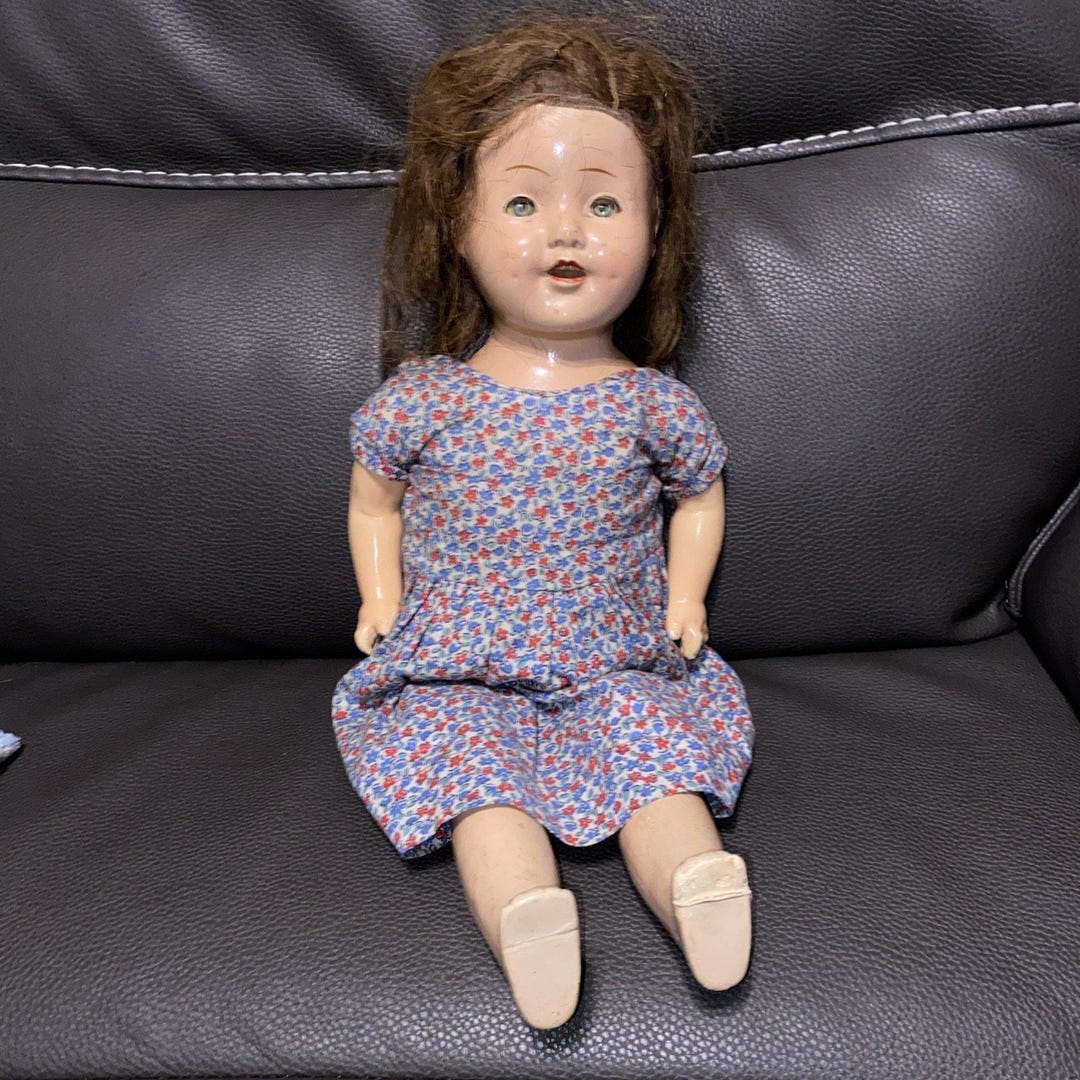
Interactive dolls that walk, talk, and close their eyes are advanced playthings that combine traditional toy aesthetics with modern robotics and sensor technology. These dolls utilize internal motorized joints for movement, integrated voice chips or AI-driven processors for speech, and gravity-weighted or electronic mechanisms for eyelid movement. They serve as essential tools for early childhood development and are highly sought-after items in the collector’s market.
The evolution of the "walking, talking, sleeping" doll is a fascinating journey through industrial history and technological miniaturization. In 2026, these toys have reached a pinnacle of realism, offering children and collectors an unprecedented level of engagement. This guide explores the mechanical intricacies, historical milestones, and current market options for these multifaceted companions, providing a comprehensive overview for parents, educators, and enthusiasts alike.
The Triad of Realism: Walking, Talking, and Sleeping Mechanisms
To understand how a doll performs these three specific actions simultaneously, we must examine the internal components that bring it to life. Unlike basic figurines, these dolls are complex machines housed within soft vinyl or plastic shells.
The Mechanics of Walking
In the current 2026 market, walking mechanisms have transitioned from simple "drag-along" wheels to sophisticated bipedal movement.
- Motorized Hip and Knee Joints: Higher-end models utilize micro-servos in the hips and knees. These servos allow the doll to shift its center of gravity, mimicking a human gait.
- Gyro-Sensors: To prevent the doll from tipping over on uneven surfaces like carpets, internal gyroscopes detect tilt and adjust the leg speed or angle in real-time.
- Pressure Sensors: Some advanced dolls feature sensors in the feet that detect when they have made contact with the floor, ensuring the walking cycle only continues when it is safe and stable to do so.
The Evolution of Speech
Talking dolls have moved far beyond the "pull-string" recorded discs of the 1960s. Modern interactive dolls generally fall into two categories of speech:
- Pre-programmed Phrasal Response: These dolls contain a library of hundreds of phrases triggered by specific physical interactions (e.g., tickling, hugging, or feeding).
- AI-Integrated Speech: As of 2026, many flagship models use Natural Language Processing (NLP). These dolls can "listen" to a child’s question via a hidden microphone and generate contextually appropriate responses, often helping with language acquisition and vocabulary building.
The "Sleep" Mechanism
The ability to close eyes, often referred to as "sleep eyes," is one of the oldest features in the doll industry, yet it remains vital for realism.
- Gravity Eyelids: The most common method involves a weighted "rocker" mechanism inside the head. When the doll is laid horizontally, the weight pulls the eyelids down. When upright, the weight shifts and the eyes open.
- Magnetic or Electronic Shutters: In high-tech robotic dolls, the eyelids may be controlled by a small electromagnetic actuator. This allows the doll to "blink" while standing up or close its eyes during a "nap" while being rocked in a vertical position, a feature gravity eyes cannot achieve.
Historical Context: From Mechanical Automata to 2026 Robotics
The quest for a doll that walks, talks, and sleeps is not a new ambition. It began centuries ago with the "automata" created by European clockmakers.
The Early Pioneers
In the 19th century, inventors like Johann Maelzel developed early walking dolls that used clockwork gears. However, these were heavy, fragile, and prohibitively expensive. It wasn't until the mid-20th century that the "talking" aspect became accessible. The 1960 release of Chatty Cathy by Mattel revolutionized the industry. While Cathy didn't walk, she set the standard for voice-integrated play.
The Golden Age of Interaction
The 1980s and 90s saw the introduction of toys like Teddy Ruxpin and later Baby Alive, which integrated movement with sound. These dolls used synchronized motors to move their mouths in time with the audio. In the early 2000s, dolls like Amazing Amanda began using rudimentary speech recognition, allowing them to "respond" to certain keywords.
The 2026 Standard
Today, the integration of these features is seamless. Connectivity via Bluetooth allows parents to update the doll’s "personality" or language through an app. The materials used have also improved; "skin" feels more realistic (often made of silicone or TPE), and the internal skeletons are lighter and more durable, allowing for longer play sessions on a single charge.
Leading Models and Brand Comparisons in 2026
When searching for a doll that encompasses all three features, several brands stand out for their reliability and technical sophistication. The following table provides a comparison of current top-tier models.
| Feature/Brand | Luvabella Pro (2026 Edition) | Baby Alive Walking Star | Heritage Collectibles: Timeless Toddler | RoboToy MyFriend 5.0 |
|---|---|---|---|---|
| Walking Style | Autonomous bipedal | Assisted (holds hands) | Static/Display focused | Full obstacle avoidance |
| Speech Tech | AI-driven (WiFi) | 50+ Pre-set phrases | Pull-string (Analog) | Voice recognition/Learning |
| Eye Function | Electronic blinking | Gravity sleep eyes | Weighted glass eyes | Sensor-responsive |
| Power Source | Rechargeable Li-Ion | AA Batteries | None (Mechanical) | USB-C Rechargeable |
| Primary Use | Developmental Play | Early Toddlerhood | Professional Collection | STEM/Educational |
Benefits for Childhood Development
While often viewed simply as toys, dolls that walk, talk, and close their eyes offer significant developmental advantages. These interactions help children navigate the complexities of social and emotional growth.
Empathy and Caregiving
When a child sees a doll "sleep" (closing its eyes), it triggers a caregiving response. The child learns to lower their voice, handle the doll gently, and understand the concept of a "need" (the need for rest). This is a foundational step in developing empathy.
Motor Skills and Coordination
Dolls that walk often require the child to walk alongside them or "lead" them. This encourages gross motor skill development. For younger toddlers, the "Baby Alive" style of walking—where the doll holds the child's hands—provides a fun incentive for the child to practice their own balance and steps.
Language and Cognitive Growth
Talking dolls act as conversational partners. For children in the "word-spurt" phase of development, interacting with a doll that responds to their voice can reinforce correct pronunciation and sentence structure. In 2026, AI-integrated dolls can even be programmed to help children learn a second language through immersive play.
Technical Maintenance and Care
Given the complexity of the internal motors and electronics, these dolls require more care than a standard plush toy. Proper maintenance ensures that the walking and talking mechanisms remain functional for years.
Battery Health and Management
Most 2026 models use Lithium-Ion batteries. To maximize their lifespan:
- Avoid Deep Discharge: Do not let the doll’s battery hit 0% frequently. Charge it when it reaches about 20%.
- Storage: If the doll will not be used for more than a month, charge it to about 50% and turn the power switch to "Off." Storing a battery at 100% or 0% for long periods can lead to permanent capacity loss.
Mechanical Longevity
The walking mechanism is the most vulnerable part of the toy.
- Surface Selection: Ensure the doll walks on hard, level surfaces. Thick shag carpeting can strain the hip motors, leading to "gear grinding" and eventual failure.
- Obstruction Removal: If the doll stops walking abruptly, check the leg joints for hair or carpet fibers that may have become tangled in the axles.
Cleaning Electronic Dolls
Because of the internal wiring, these dolls can never be submerged in water.
- Surface Washing: Use a damp (not dripping) cloth with mild soap to wipe the vinyl skin.
- Eye Care: For dolls with gravity eyes, dust can sometimes cause the "rocker" to stick. A small puff of compressed air near the eyelid crease can often resolve this without needing to open the doll's head.
Troubleshooting Common Issues
Even with the best technology, issues can arise. Here are the most common problems users encounter with dolls that walk, talk, and sleep:
- The Doll Won't Walk: Check if the "Demo Mode" is still active. Most dolls are shipped in a limited mode to save battery on store shelves. Ensure the switch is moved to "On."
- Muffled or Distorted Speech: This is usually a sign of low battery. If the batteries are fresh, the speaker may have accumulated dust. Gently vacuum the speaker grill (usually located on the chest or back).
- Eyes "Stuck" Open or Closed: For gravity eyes, the internal weight may have become misaligned due to a fall. Gently tapping the back of the doll's head can sometimes reset the weight. For electronic eyes, a system reset (usually a small pinhole button near the battery compartment) may be required.
The Collector’s Perspective: Value and Rarity
While many of these dolls are purchased for children, a significant segment of the market is dedicated to adult collectors. In the world of "high-tech" dolls, rarity is often determined by the sophistication of the movement and the condition of the electronics.
Vintage Interactive Dolls
Collectors often seek out 20th-century models like the Remco Baby Laugh A-Lot or the Ideal Giggles doll. For these items, "walking and talking" is a mechanical feat of plastic gears and bellows. Finding a vintage doll where the rubber "skin" hasn't degraded and the voice box still functions is a rarity that can command prices in the thousands of dollars.
Modern Limited Editions
In 2026, many manufacturers release limited-run dolls with specialized "personalities" or designer clothing. These dolls are often treated as investments. The key to maintaining their value is keeping the original packaging and ensuring the electronic firmware is kept up to date, as "bricked" software can render a modern interactive doll worthless.
Environmental and Safety Considerations
In 2026, toy safety and environmental impact are more regulated than ever. When choosing a doll that walks and talks, it is important to verify that it meets the latest standards.
- Cybersecurity: For dolls with AI and Wi-Fi connectivity, ensure the manufacturer uses end-to-end encryption. The "talk" feature should never record and store data on external servers without explicit parental consent.
- Material Safety: Ensure the doll is BPA-free and phthalate-free. Since children often kiss or "feed" their dolls, the surface materials must be non-toxic.
- Recyclability: Modern dolls are now built with "Right to Repair" in mind. Look for models that allow for easy battery replacement rather than those with sealed units that must be thrown away when the battery dies.
Frequently Asked Questions
Can these dolls walk on carpet?
Most modern walking dolls are designed for hard surfaces like wood or tile. While some 2026 models with high-torque motors can handle low-pile "office" carpeting, thick domestic carpets often cause the doll to trip or overheat its motors.
Are the AI "talking" features safe for my child's privacy?
Leading brands in 2026 have implemented "Local-First" AI, meaning the speech processing happens on a chip inside the doll rather than in the cloud. Always check the toy's privacy settings to ensure "Listen Mode" is only active during playtime.
How long do the batteries typically last?
For a doll that walks and talks frequently, you can expect 2 to 4 hours of continuous play. In standby mode (where it only "sleeps" and reacts to touch), many dolls can last up to a week on a single charge.
What is the recommended age for a walking and talking doll?
Most manufacturers recommend these dolls for children aged 3 and up. The internal motors make the dolls heavier than standard plush toys, and the mechanical joints can present "pinch points" for very young infants.
Why does my doll close its eyes when I'm holding it upright?
This is usually a feature of "intelligent" dolls. While traditional gravity eyes only close when the doll is flat, modern electronic versions use sensors to mimic "blinking" or to indicate the doll is "tired" after a long period of play.
Final Recommendation
When selecting a doll that walks, talks, and closes its eyes, prioritize durability and intent. For a young child, a rugged model like the Baby Alive Walking Star is ideal because it is designed to withstand the drops and spills of toddlerhood. For an older child or a collector interested in the cutting edge of toy technology, the Luvabella Pro or RoboToy MyFriend 5.0 offers a deeper, more sophisticated level of interaction. Regardless of the model, these dolls represent a unique bridge between the inanimate and the lifelike, providing a rich, interactive experience that has captivated the human imagination for centuries.